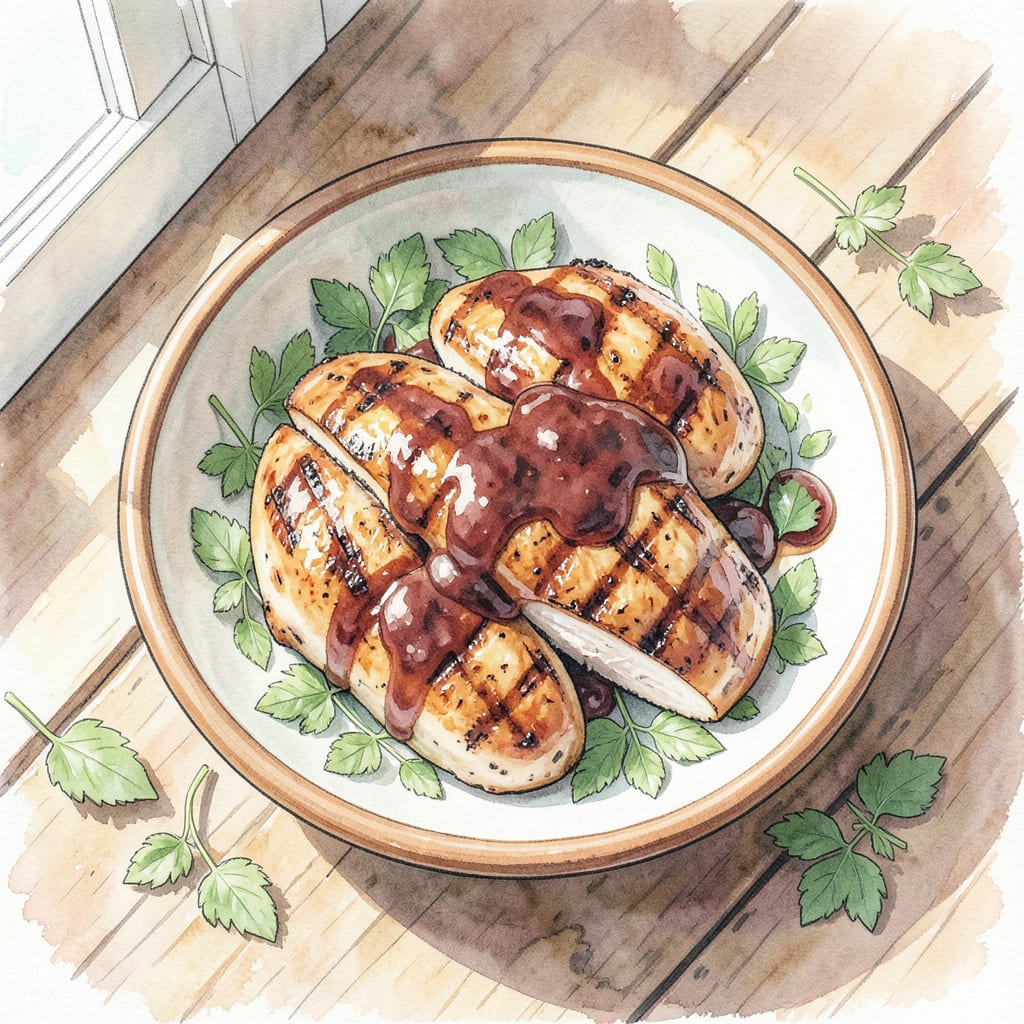
I’m excited to share my keto BBQ chicken recipe that’s perfect for a low-carb diet. As a pitmaster, I’ve mastered the art of combining tender chicken with tangy BBQ sauce while keeping it keto-friendly.
This recipe delivers finger-licking results with just 5 minutes of prep and 30 minutes of cooking. The chicken is marinated in a mixture of olive oil, garlic, and spices, then grilled to perfection. With only 5g of carbs per serving, it’s a great option for those following a keto diet.
Ingredients for Keto Bbq Chicken
These keto-friendly ingredients come together for finger-licking BBQ chicken that’s low in carbs.
| Ingredient | Amount | Notes |
|---|---|---|
| Boneless, Skinless Chicken Breasts 🍗 | 1 ½ lb | Fresh or thawed frozen |
| Olive Oil 🫒 | ¼ cup | For marinating |
| Garlic Cloves 🧄 | 4 cloves | Minced |
| Paprika 🌶️ | 2 tbsp | Smoked or sweet |
| Chili Powder 🌶️ | 1 tbsp | Adjust for heat |
| Brown Sugar-Free Sweetener 🍮 | 1 tbsp | Keto-friendly sweetener |
| Salt 🧂 | 1 tsp | Kosher or sea salt |
| Black Pepper 🌶️ | ½ tsp | Freshly ground |
| Keto BBQ Sauce 🍅 | 1 cup | Sugar-free, low-carb |
| Fresh Parsley 🌿 | ¼ cup | Chopped, for garnish |
| Lemon Juice 🍋 | 2 tbsp | Freshly squeezed |
[recipe_ingredient_scaler]
For the best keto BBQ sauce, look for sugar-free labels. Many store-bought options are available, or you can make your own using tomato paste, apple cider vinegar, and keto-friendly sweeteners. The quality of chicken matters—choose organic, hormone-free if possible, as it tends to be more tender. I usually buy mine from Whole Foods or local butcher shops.
If you can’t find keto-friendly BBQ sauce, you can make a substitute by mixing tomato paste with apple cider vinegar and a sugar-free sweetener. Adjust the amount of chili powder based on your desired spice level. For a smokier flavor, add a pinch of liquid smoke. The garlic can be adjusted to taste—some people prefer a stronger garlic flavor, while others like it more subtle.
This recipe keeps well in the fridge for up to 4 days. Reheat gently to avoid drying out the chicken. You can also freeze cooked chicken for up to 3 months. When reheating, add a splash of extra BBQ sauce to keep it moist. Store leftover BBQ sauce in an airtight container in the fridge for up to 2 weeks.
Step-by-Step Instructions for Keto BBQ Chicken
Here’s the method for perfectly marinated, grilled keto BBQ chicken that’s both low-carb and finger-licking good.
Step 1: Prepare the Marinade
In a medium bowl, whisk together the 0.25 cup olive oil, 4 cloves minced garlic, 2 tbsp paprika, 1 tbsp chili powder, 1 tbsp brown sugar-free sweetener, 1 tsp salt, and 0.5 tsp black pepper. I like to use a fork to mash the garlic into the oil until it becomes smooth and fragrant.
The marinade should be well combined, with the spices evenly distributed throughout the oil. This mixture will form the flavor foundation for our chicken.
Step 2: Marinate the Chicken
Place the 1.5 lb boneless, skinless chicken breasts in a large zip-top plastic bag or a shallow dish. Pour the marinade over the chicken, turning to coat evenly. Seal the bag or cover the dish, then refrigerate for at least 2 hours or overnight for maximum flavor.
During the marinating process, the acid in the marinade will help tenderize the chicken while the spices infuse it with flavor. I recommend turning the chicken halfway through the marinating time to ensure even coating.
Step 3: Grill the Chicken
Preheat your grill to medium-high heat. Remove the chicken from the marinade, letting any excess drip off. Grill the chicken for 5-7 minutes per side, or until it reaches an internal temperature of 165°F. The outside should develop a nice char while the inside remains juicy.
Once cooked, transfer the chicken to a plate and let it rest for 5 minutes before slicing. This resting period allows the juices to redistribute, making the chicken more tender and flavorful.
Step 4: Glaze with Keto BBQ Sauce
During the last 2 minutes of grilling, brush the chicken with 1 cup keto BBQ sauce. You may need to do this in batches depending on the size of your grill and chicken breasts. The sauce will caramelize on the grill, creating a sticky, tangy glaze.
After glazing, remove the chicken from the grill and sprinkle with 0.25 cup chopped fresh parsley. The fresh parsley adds a bright, herbaceous note that complements the rich BBQ sauce.
Step 5: Serve
Slice the grilled chicken against the grain into thin strips. Drizzle with any remaining keto BBQ sauce and squeeze 2 tbsp fresh lemon juice over the top. The lemon juice adds a touch of acidity that cuts through the richness of the dish.
Serve immediately, garnished with additional parsley if desired. This keto BBQ chicken is perfect on its own or paired with your favorite low-carb sides.
Troubleshooting Perfect Results
Common Marinating Issues
One of the most common problems with keto BBQ chicken is uneven marinating. To avoid this,
If you notice the chicken isn’t absorbing the flavors evenly, try turning the breasts halfway through the marinating time. This helps distribute the flavors more consistently. For maximum flavor, I recommend marinating for at least 2 hours, but overnight works even better.
Grilling Challenges
A common issue when grilling keto BBQ chicken is achieving that perfect char without overcooking. To solve this, preheat your grill to medium-high heat and make sure it’s clean before adding the chicken. I use a grill brush to remove any debris, then oil the grates with a paper towel dipped in oil to prevent sticking.
If you notice flare-ups, move the chicken to a cooler part of the grill temporarily. For more even cooking, consider using a grill mat. This helps distribute heat more evenly and prevents hot spots that can burn the chicken.
BBQ Sauce Application
Applying BBQ sauce at the right time is crucial. Brush the sauce on during the last 2 minutes of grilling to prevent it from burning or becoming too caramelized. If you prefer a thicker glaze, you can simmer the BBQ sauce on the stovetop for a few minutes before applying it.
For a more intense flavor, consider double-glazing: apply a thin layer of BBQ sauce during the last 2 minutes, then add another layer right before serving. I like to use a high-quality, sugar-free BBQ sauce to keep it keto-friendly. Some of my favorite brands include Primal Kitchen and Tessemae’s.
Resting and Slicing
After grilling, let the chicken rest for 5-10 minutes before slicing. This allows the juices to redistribute, making the chicken more tender and flavorful. When slicing, cut against the grain into thin strips to maximize tenderness.
If you find the chicken is drying out during reheating, try adding a splash of extra BBQ sauce or a squeeze of fresh lemon juice to keep it moist. For leftovers, store the chicken in an airtight container in the fridge for up to 4 days.
Reheating Tips
To reheat keto BBQ chicken without drying it out, use gentle heat. I recommend reheating in a skillet over low heat, adding a splash of chicken broth or BBQ sauce to keep it moist. You can also reheat in the microwave, but be careful not to overheat. Cover the chicken with a damp paper towel to help retain moisture.
For longer-term storage, you can freeze cooked chicken for up to 3 months. Thaw overnight in the fridge before reheating. When reheating frozen chicken, let it come to room temperature first, then reheat slowly to prevent drying out.
Adjusting for Preferences
If you prefer a spicier keto BBQ chicken, consider adding more chili powder or a diced jalapeño to the marinade. For a smokier flavor, you can add a pinch of liquid smoke or use smoked paprika. Taste as you go and adjust seasoning to your liking.
For different flavor profiles, try experimenting with various keto-friendly BBQ sauces or adding herbs like thyme or rosemary to the marinade. The beauty of keto BBQ chicken is its versatility—
Nutrition Facts

Trained in classic French technique but raised on slow-cooked ribs and spicy rubs, she blends culinary skill with smoke and soul.
- Recipe for Boneless Pork Chops in Cast Iron Skillet: Sear and Baste to Juicy Perfection - October 3, 2026
- Recipe for Boneless Cross Rib Roast: Slow-Roasted Beef with Herb Crust - October 3, 2026
- Hamburgers in Sauce Recipe Crock Pot: Slow-Cooked Savory Delight - October 3, 2026