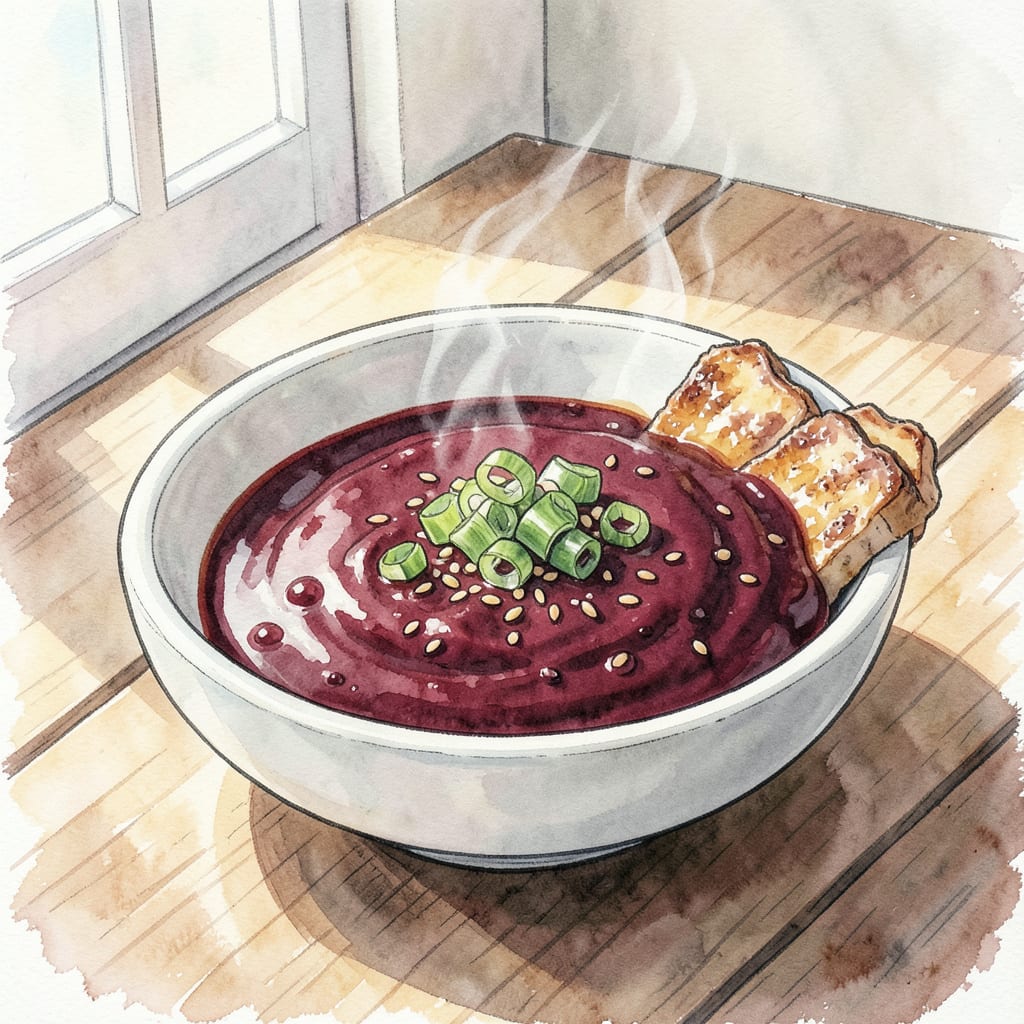
As a pitmaster with a passion for blending traditional techniques with modern flavors, I’m excited to share my Korean BBQ sauce recipe that’s become a game-changer in my kitchen. 🔥 This sweet and savory umami bomb is perfect for elevating grilled meats, vegetables, and more.
The secret to this sauce lies in its balance of flavors: a rich, velvety texture from gochujang and soy sauce, sweetness from brown sugar, and a tangy kick from rice vinegar. I’ve fine-tuned the proportions to create a harmonious blend that’s both bold and refined.
What makes this sauce truly special is its versatility. Use it as a marinade, a glaze, or a dipping sauce – it’s a flavor enhancer that will transform your grilled dishes. The best part? It’s incredibly easy to make with just a few simple ingredients and 10 minutes of prep time.
Once you’ve tried this Korean BBQ sauce, you’ll wonder how you ever managed without it. Store it in an airtight container in the fridge for up to 2 weeks, and get ready to take your grilled creations to the next level with this restaurant-quality condiment.
Ingredients for Korean Bbq Sauce
Simple ingredients, big flavor. Make this Korean BBQ sauce in just 10 minutes.
| Ingredient | Amount | Notes |
|---|---|---|
| Gochujang 🌶️ | ½ cup | Korean chili paste for heat |
| Soy Sauce 🧂 | ¼ cup | Use low-sodium variety |
| Brown Sugar 🍮 | ¼ cup | Packed for best results |
| Rice Vinegar 🍋 | 2 tbsp | Unseasoned for balance |
| Garlic Cloves 🧄 | 4 cloves | Minced for best flavor |
| Ginger 🫚 | 2 tbsp | Freshly grated preferred |
| Sesame Oil 🫒 | 1 tbsp | Toasted for depth |
| Black Pepper 🌶️ | ¼ tsp | Freshly ground preferred |
[recipe_ingredient_scaler]
Gochujang is the star here. Sambal or gochugaru can substitute if needed. Look for it in Asian markets or well-stocked supermarkets. I usually grab mine from World Market or online. The quality makes a difference—some brands are sweeter than others.
No rice vinegar? Apple cider vinegar works as a decent substitute. For a smokier flavor, add 1-2 teaspoons of smoked paprika. The garlic can be adjusted to taste—some like it strong, others prefer it subtle. If you’re using fresh ginger, peel it first and grate it finely.
This sauce keeps for 2 weeks in the fridge. Store it in an airtight container and give it a good stir before using. It thickens as it sits, so thin it with a little water if needed. Freezes well too—portion into ice cube trays for easy use later.
Step-by-Step Instructions for Korean BBQ Sauce
Here’s the method to create this sweet and savory umami bomb – straightforward and effective.
👨🍳 Step 1: Prepare the Aromatics
Start by mincing the 4 cloves Garlic Cloves until they’re finely chopped. I like to use a microplane for this task as it releases the garlic’s natural oils and flavor. Next, grate 2 tbsp Ginger using the same microplane – the finer the grate, the better it will incorporate into the sauce.
These aromatics form the flavor foundation of your Korean BBQ sauce. Freshly grated ginger gives a brighter, more complex flavor than pre-ground ginger. Make sure to mince and grate just before using to preserve their potency.
🍳 Step 2: Combine Ingredients and Simmer
In a medium saucepan, combine the 0.5 cup Gochujang, 0.25 cup Soy Sauce, 0.25 cup Brown Sugar, and 2 tbsp Rice Vinegar. Whisk these ingredients together until the sugar is fully dissolved and the mixture is smooth.
Add the minced garlic and grated ginger to the saucepan. Whisk in 1 tbsp Sesame Oil – the toasted flavor adds depth to the sauce. Bring the mixture to a simmer over medium heat, whisking constantly to prevent scorching.
⏰ Step 3: Reduce and Thicken the Sauce
Once the sauce reaches a simmer, reduce the heat to low and let it cook for 8-10 minutes, stirring occasionally. You’ll notice the sauce thickening and reducing slightly – this concentration of flavors is crucial for that rich BBQ taste.
Remove the sauce from heat when it coats the back of a spoon and has reached your desired consistency. Stir in 0.25 tsp Black Pepper – freshly ground is best as it adds a subtle kick. Let the sauce cool to room temperature before using or storing.
Pro Cooking Tips for korean bbq sauce
Temperature Control
Maintaining the right temperature is crucial when making Korean BBQ sauce. Keep your saucepan over medium heat while bringing the mixture to a simmer, then reduce to low heat for the reduction phase. This prevents scorching and ensures even cooking.
Whisking Techniques
Constant whisking is essential, especially when bringing the sauce to a simmer. I use a balloon whisk for this task as it helps prevent lumps and ensures the sugar dissolves completely. Be gentle but firm to avoid splashing the hot sauce.
Aromatic Preparation
The quality of your garlic and ginger makes a significant difference. I prefer using a microplane grater for both ingredients as it releases their natural oils and flavors. Freshly grated ginger is particularly important – it adds a brightness that pre-ground ginger can’t match.
Simmering Time
Don’t rush the reduction phase. Let the sauce simmer for 8-10 minutes over low heat, stirring occasionally. This allows the flavors to concentrate and the sauce to thicken properly. You’ll know it’s ready when it coats the back of a spoon.
Storage Tips
After cooling, store your Korean BBQ sauce in an airtight glass container in the refrigerator. It will keep for up to 2 weeks. If it thickens too much, thin it with a little water or rice vinegar. You can also freeze it in ice cube trays for longer storage.
Customization
Nutrition Facts
120kcal
Frequently Asked Questions
How long does homemade Korean BBQ sauce last?
When stored properly in an airtight container in the refrigerator, homemade Korean BBQ sauce can last up to 2 weeks. You can also freeze it in ice cube trays for longer storage.
Can I adjust the spice level of the sauce?
Absolutely! You can control the heat by adjusting the amount of gochujang. For a milder sauce, start with less gochujang and add more to taste. You can also add other spicy elements like gochugaru (Korean chili flakes) if you prefer extra heat.
What are the best uses for Korean BBQ sauce?
This versatile sauce is great as a marinade, glaze, or dipping sauce. Use it on meats like bulgogi beef, chicken, or pork, or as a flavor enhancer for vegetables. It’s also delicious as a dip for kimchi or other Korean dishes.
Can I make this sauce without sesame oil?
Yes, you can omit or substitute the sesame oil if you don’t have it. The sauce will still be delicious, though it might lack a bit of depth. You can replace it with another oil or simply omit it if you’re looking for a more basic flavor profile.

Trained in classic French technique but raised on slow-cooked ribs and spicy rubs, she blends culinary skill with smoke and soul.
- Recipe for Boneless Pork Chops in Cast Iron Skillet: Sear and Baste to Juicy Perfection - October 3, 2026
- Recipe for Boneless Cross Rib Roast: Slow-Roasted Beef with Herb Crust - October 3, 2026
- Hamburgers in Sauce Recipe Crock Pot: Slow-Cooked Savory Delight - October 3, 2026