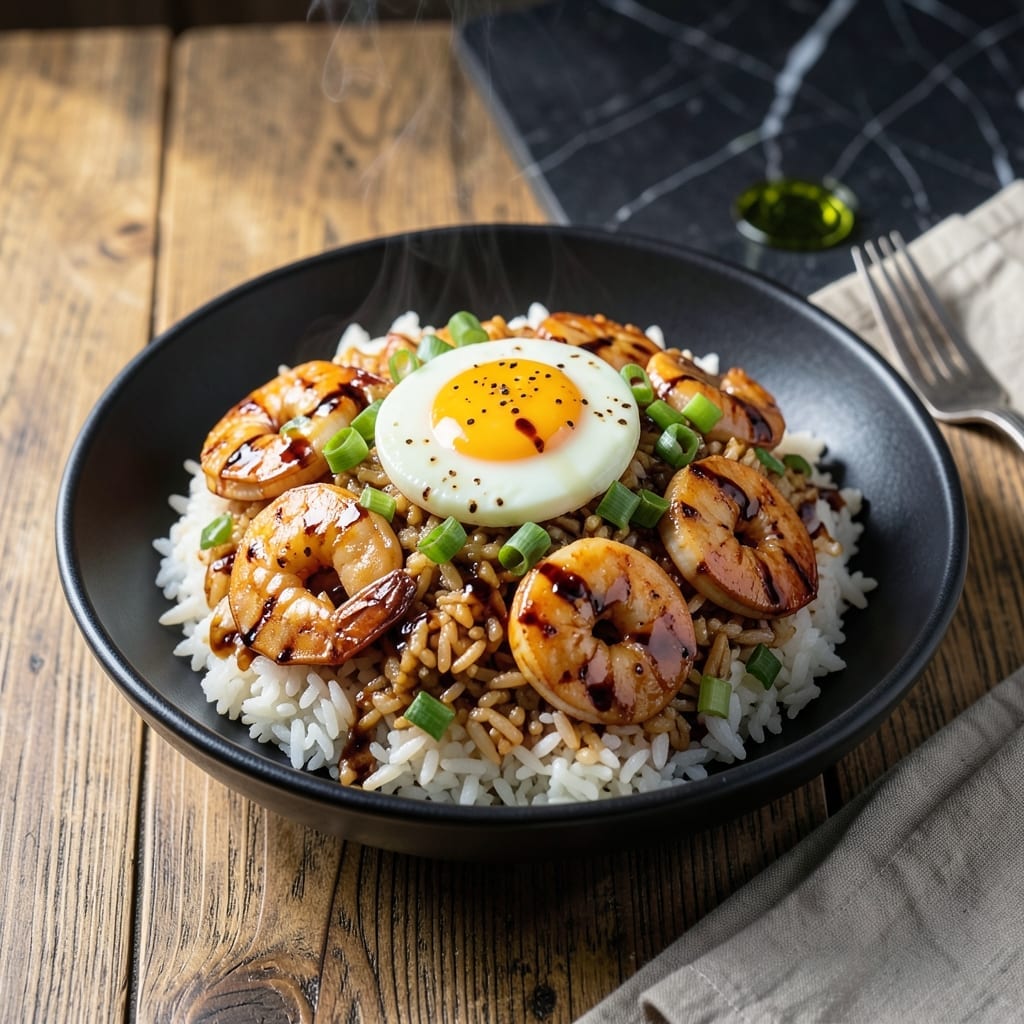
This dish brings bold Korean flavors to your weeknight table with minimal effort. The shrimp cooks quickly while the rice soaks up savory, spicy gochujang sauce.
I developed this method to maximize flavor without complicating the process. The key is using day-old rice and cooking everything in one pan for easy cleanup.
Ingredients for Korean Shrimp Fried Rice
Pantry staples plus shrimp and rice. Bold flavors with minimal effort.
| Ingredient | Amount | Notes |
|---|---|---|
| Day-Old Cooked White Rice 🍚 | 4 cups | Cold, preferably overnight |
| Large Shrimp 🍤 | 1 lb | Peeled, deveined, tails off |
| Gochujang 🌶️ | 2 tbsp | Korean chili paste |
| Soy Sauce 🫒 | 2 tbsp | Low-sodium preferred |
| Sesame Oil 🫒 | 1 tbsp | Toasted for best flavor |
| Vegetable Oil 🫒 | 2 tbsp | Neutral flavor for cooking |
| Garlic Cloves 🧄 | 3 cloves | Minced finely |
| Fresh Ginger 🌿 | 1 tbsp | Grated or minced |
| Frozen Peas and Carrots 🥕 | 1 cup | Thawed, no need to cook |
| Green Onions 🧅 | 3 whole | Sliced, for garnish |
| Large Eggs 🥚 | 2 whole | Beaten lightly |
| Sesame Seeds 🌿 | 1 tsp | Toasted, for garnish |
| Salt 🧂 | ½ tsp | Adjust to taste |
| Black Pepper 🌶️ | ¼ tsp | Freshly ground |
[recipe_ingredient_scaler]
The shrimp is the star here—wild-caught from Whole Foods or Costco if you can swing it (frozen works in a pinch). Day-old rice is non-negotiable; fresh rice turns mushy. Jasmine or short-grain are ideal, but any leftover rice will do. Gochujang is the flavor bomb—look for it in the Asian aisle or H Mart. The brand doesn’t matter much, but check the spice level if you’re sensitive.
No gochujang? Sriracha plus a little miso paste gets you close (not the same, but decent). Need it gluten-free? Tamari instead of soy sauce. Vegetable swaps are easy—frozen corn or bell peppers work great. The eggs are optional but add that classic fried rice texture. If you’re skipping them, add an extra tablespoon of oil to keep things from drying out.
Leftover fried rice keeps 3-4 days in the fridge—reheat in a skillet with a splash of water. Freeze without the eggs for up to 2 months (add them fresh when reheating). The flavors actually get better overnight as everything melds together.
Why You’ll Love This Recipe
- I’ll be real: the rice tastes even better the next day after the sesame oil really sinks in.
- One Pan Wonder: I toss everything in my trusty wok—day-old rice, shrimp, and sauces—and dinner’s done in 15 minutes flat.
- Umami Bomb: The gochujang and soy sauce create this deep, spicy-savory flavor that makes every bite ridiculously addictive.
- Weeknight MVP: Honestly, it’s my go-to for busy Tuesdays, but it also impresses when friends drop by unannounced.
Step-by-Step Instructions for Korean Shrimp Fried Rice
This comes together in minutes—perfect for busy weeknights when you need dinner fast.
Step 1: Cook the Shrimp and Aromatics
Heat 2 tablespoons vegetable oil in a large skillet or wok over medium-high heat. Add the 1 lb large shrimp and cook for 1-2 minutes per side until just pink and opaque. Remove the shrimp with a slotted spoon and set aside.
In the same pan, add the 3 cloves minced garlic cloves and 1 tablespoon fresh ginger. Stir-fry for 30 seconds until fragrant. Be careful not to let the garlic burn—it goes from golden to bitter in seconds.
Step 2: Scramble the Eggs and Combine
Push the aromatics to one side of the pan and pour in the 2 beaten large eggs. Scramble quickly with a spatula until just set but still slightly runny. This should take 1-2 minutes.
Add the 4 cups day-old cooked white rice to the pan, breaking up any clumps with your spatula. Stir-fry for 2-3 minutes until the rice is heated through and starts to crisp slightly. The grains should be separate and hot.
Step 3: Build Flavor with Sauces and Veggies
Drizzle the 2 tablespoons gochujang, 2 tablespoons soy sauce, and 1 tablespoon sesame oil over the rice. Add the 1 cup frozen peas and carrots and 0.5 teaspoon salt. Stir-fry for another 2-3 minutes until everything is evenly coated and the sauce clings to each grain.
The gochujang will darken the rice and give it a beautiful reddish hue. Taste and adjust seasoning if needed, but remember the soy sauce already adds saltiness. Sprinkle in the 0.25 teaspoon black pepper and give it one final toss.
Step 4: Finish with Shrimp and Garnishes
Return the cooked shrimp to the pan and stir to combine. Cook for an additional 1-2 minutes just to heat the shrimp through without overcooking. The shrimp should be pink and firm but still tender.
Transfer to a serving dish and top with the 3 sliced green onions and 1 teaspoon sesame seeds. The green onions add a fresh crunch, while the sesame seeds provide a nutty finish. Serve immediately while hot.
Pro Tips For Making Korean Shrimp Fried Rice
- Dry the Shrimp: Pat the shrimp completely dry before cooking—I learned this the hard way after my first batch steamed instead of searing. The moisture makes them release water into the pan, turning your fried rice soggy.
- Break Up the Rice: Use your hands to break up any clumps in the day-old rice before adding to the pan. Sounds tedious, but it works: this prevents those annoying rice balls from forming and ensures even coating with the gochujang and soy sauce.
- High Heat First: Crank the heat to high when starting the shrimp and keep it there until they turn pink, about 2-3 minutes per side. After burning three batches, I finally figured out that medium heat just won’t give you that quick, flavorful crust.
- Finish with Sesame Oil: Drizzle the sesame oil at the very end, after removing from heat. My grandmother swore by this, and she was right: cooking it too early can make the oil bitter and lose its aromatic punch.
Best Sauces and Condiments for korean shrimp fried rice
Gochujang Boost
For extra depth, mix 1 tbsp gochujang with 1 tsp honey and 1 tsp rice vinegar for a glossy, tangy drizzle. I keep a small squeeze bottle of this in my fridge—it’s my secret weapon for elevating leftovers. 🔥
Sriracha Mayo
Combine ¼ cup mayonnaise with 1 tbsp sriracha and 1 tsp lime juice for a creamy, spicy dip. This pairs especially well with the shrimp, adding a cooling contrast to the heat of the dish.
Kimchi Topping
Chop ½ cup kimchi and warm it in a dry pan for 2 minutes to mellow the acidity. The fermented crunch adds texture and a funky depth that balances the rich flavors beautifully.
Sesame-Garlic Oil
Heat 2 tbsp sesame oil with 1 minced garlic clove until fragrant, then drizzle over the finished dish. I learned this trick at a local BBQ competition—it’s simple but makes a huge impact. ✨
Quick Pickled Veggies
Toss thinly sliced cucumbers or radishes with 1 tbsp rice vinegar, ½ tsp sugar, and a pinch of salt. Let sit for 10 minutes before serving for a bright, crunchy topping.
Spicy Soy Drizzle
Whisk 2 tbsp soy sauce with 1 tsp gochujang and 1 tsp sesame oil for a punchy, savory sauce. Drizzle lightly just before serving to keep the flavors vibrant.
Nutrition Facts
Frequently Asked Questions
Can I use fresh rice instead of day-old?
Fresh rice is too moist and will turn mushy. Spread hot rice on a tray and refrigerate for 1 hour to dry it out if needed. Day-old is ideal for that perfect texture.
What can I substitute for gochujang?
Mix 1 tbsp sriracha with 1 tsp miso paste for a similar spicy-umami kick. It won’t be identical but works in a pinch.
How do I prevent the shrimp from overcooking?
Cook shrimp first, then set aside. Add back at the end just to warm through. 1-2 minutes per side is all they need.
Can I make this ahead of time?
Yes! Store without garnishes in an airtight container for 3-4 days. Reheat in a skillet with a splash of water.

Trained in classic French technique but raised on slow-cooked ribs and spicy rubs, she blends culinary skill with smoke and soul.
- Recipe for Boneless Pork Chops in Cast Iron Skillet: Sear and Baste to Juicy Perfection - October 3, 2026
- Recipe for Boneless Cross Rib Roast: Slow-Roasted Beef with Herb Crust - October 3, 2026
- Hamburgers in Sauce Recipe Crock Pot: Slow-Cooked Savory Delight - October 3, 2026