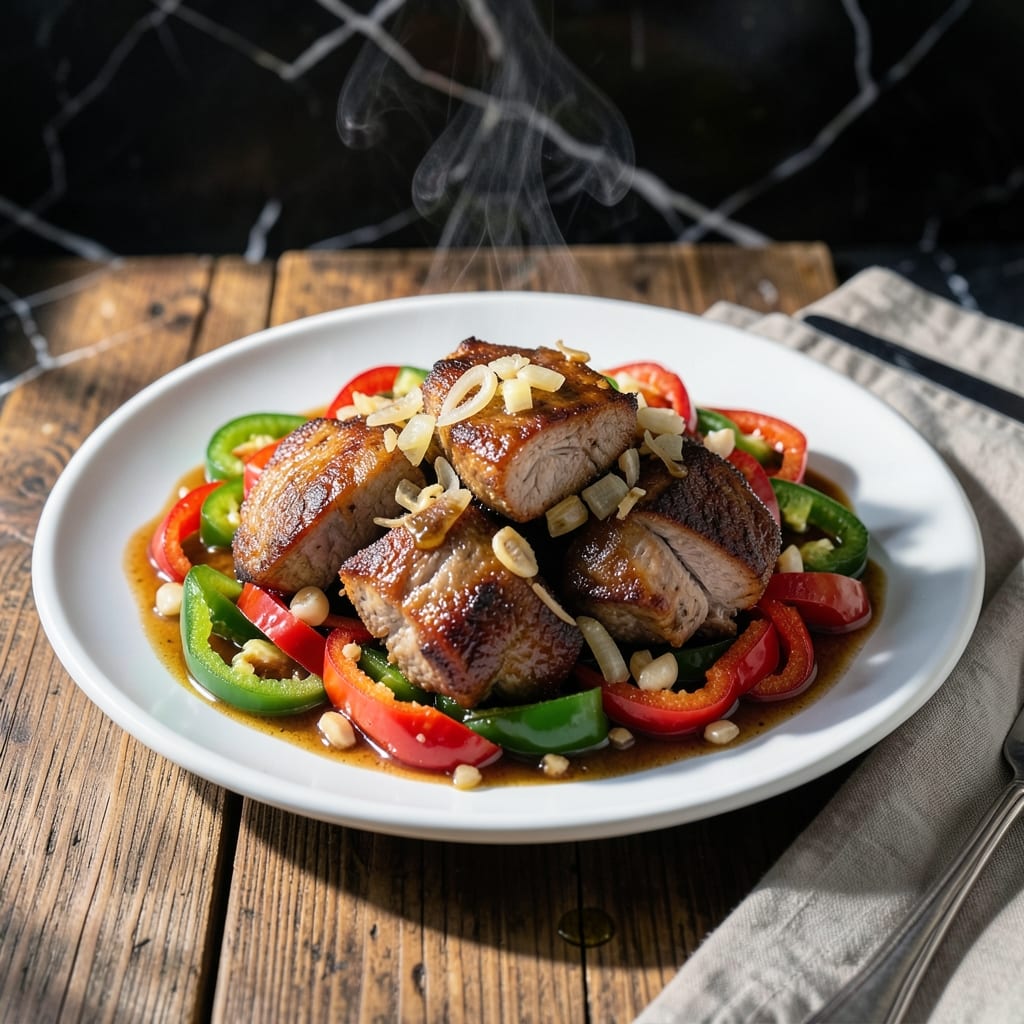
I’ve spent years perfecting ways to give leftover pork roast new life without sacrificing flavor or quality. This collection turns last night’s meal into tonight’s 20-minute masterpiece with minimal effort and maximum impact.
What sets these ideas apart is their versatility. From quick stir-fries to hearty sandwiches, each approach maintains the pork’s natural richness while introducing fresh textures and complementary flavors.
The results are always satisfying—tender pork paired with bold new elements that make it taste like an entirely different dish. No one will guess they’re eating leftovers.
These recipes work with any amount you have on hand, whether it’s a cup or several pounds. The transformation begins with what you already have.
Ingredients for Leftover Pork Roast Recipe Ideas
Transform last night’s dinner with these bold, flavorful additions to your leftover pork.
| Ingredient | Amount | Notes |
|---|---|---|
| Cooked Pork Roast 🍖 | 2 cups | Shredded or diced, leftover |
| Bell Peppers 🌶️ | 2 whole | Any color, thinly sliced |
| Onion 🧅 | 1 whole | Yellow or red, diced |
| Garlic Cloves 🧄 | 3 cloves | Minced for depth |
| Soy Sauce 🫒 | 3 tbsp | Low-sodium preferred |
| Brown Sugar 🟤 | 2 tbsp | Light or dark variety |
| Apple Cider Vinegar 🍏 | 1 tbsp | For tangy brightness |
| Olive Oil 🫒 | 2 tbsp | Divided for cooking |
| Chicken Broth 🍲 | ½ cup | Low-sodium if available |
| Cornstarch 🌾 | 1 tbsp | For thickening sauce |
| Sesame Oil 🫒 | 1 tsp | Toasted for aroma |
| Ginger Root 🌿 | 1 tbsp | Fresh, finely grated |
| Green Onions 🧅 | ¼ cup | Sliced for garnish |
| Salt 🧂 | ½ tsp | To taste, adjust carefully |
| Black Pepper 🌶️ | ¼ tsp | Freshly ground preferred |
[recipe_ingredient_scaler]
The pork is already cooked, so focus on fresh, crisp vegetables to contrast its tenderness. Bell peppers and onions from the produce section add color and crunch. I prefer organic for these since they’re the backbone of the dish. For the soy sauce, Kikkoman or a similar trusted brand ensures consistent flavor. Don’t skip the ginger—it bridges the savory and sweet notes perfectly.
No bell peppers? Zucchini or snap peas work great (just adjust cook time). Swap brown sugar for honey or maple syrup if that’s what you have. The apple cider vinegar can be rice vinegar or lime juice—anything with a little acidity. If you’re out of chicken broth, vegetable broth or water plus a bouillon cube gets you close. The cornstarch is optional, but it gives the sauce that restaurant-style gloss.
Leftovers keep 3-4 days in the fridge, and honestly, the flavors deepen overnight. Freezes for 2-3 months if you’ve got extras. Reheat gently on the stove with a splash of water to loosen the sauce (microwave works too, but stir halfway).
Why You’ll Love This Recipe
- One Pan Wonder: I just toss the pork with bell peppers, onion, and garlic in a hot pan—no extra bowls, no fuss.
- Savory Umami Bomb: The soy sauce caramelizes with the garlic, turning every bite of pork into a rich, salty-sweet sensation.
- Weeknight Lifesaver: I use it for tacos one night, fried rice the next—same leftovers, totally different meals.
- Stretch Your Dollar: That leftover roast turns into two more meals, and honestly, it tastes better the second time around.
Step-by-Step Instructions for Leftover Pork Stir-Fry
Transform last night’s meal into a vibrant stir-fry with minimal effort and maximum flavor impact.
Step 1: Prepare the Aromatic Base
Begin by dicing the onion into small, even pieces. Thinly slice the 2 whole Bell Peppers into strips—uniform cuts ensure everything cooks at the same rate. Mince the 3 cloves Garlic Cloves and finely grate the 1 tbsp Ginger Root; these will form the flavor foundation of your dish.
Real talk: fresh ginger and garlic make a noticeable difference here. The grated ginger releases its oils more effectively than powdered, giving that bright, zesty kick that balances the richness of the pork.
Step 2: Sear the Vegetables and Pork
Heat 1 tbsp Olive Oil in a large skillet or wok over medium-high heat until it shimmers. Add the diced onion, sliced Bell Peppers, minced garlic, and grated ginger. Stir-fry for 4-5 minutes until the vegetables soften slightly but retain a crisp bite.
Push the vegetables to one side of the pan and add the remaining 1 tbsp Olive Oil. Add the 2 cups Cooked Pork Roast and sear for 2-3 minutes, breaking it up slightly if it’s in large chunks. You want the pork to develop a light crust—this adds texture contrast to the dish.
Step 3: Build the Sauce and Thicken
In a small bowl, whisk together the 3 tbsp Soy Sauce, 2 tbsp Brown Sugar, 1 tbsp Apple Cider Vinegar, 0.5 cup Chicken Broth, and 0.5 tsp Salt. Pour this mixture into the skillet with the pork and vegetables. Stir everything together and bring to a simmer.
In a separate small bowl, mix the 1 tbsp Cornstarch with 1 tbsp of cold water to create a slurry. Slowly drizzle this into the simmering sauce while stirring constantly. Continue cooking for 1-2 minutes until the sauce thickens enough to coat the back of a spoon.
Step 4: Finish and Garnish
Once the sauce has reached your desired consistency, remove the skillet from heat. Stir in the 1 tsp Sesame Oil and 0.25 tsp Black Pepper. The sesame oil adds a nutty aroma that ties all the flavors together, so don’t skip it.
Taste and adjust seasoning if needed—you might want a bit more salt or a splash of vinegar for brightness. Transfer to a serving dish and garnish with the 0.25 cup Green Onions. The green onions add a fresh, crisp finish that cuts through the richness of the stir-fry.
Pro Tips For Making Leftover Pork Roast Recipe Ideas
- Shred While Warm: Tackle the pork roast as soon as it’s cool enough to handle—it’ll break apart easier and soak up soy sauce better than when cold.
- Char the Peppers: Sear the bell peppers in a hot pan for 2-3 minutes before adding onion; it brings out their sweetness and keeps them from turning mushy.
- Skip Raw Garlic: I learned this the hard way—raw garlic can overpower the pork, so sauté the minced cloves for 30 seconds until fragrant before mixing in.
- Deglaze the Pan: After browning the pork, pour a splash of water or broth into the pan and scrape up those browned bits—it adds depth to the soy sauce base.
Storing and Reheating This Recipe
Refrigerator Storage
Let your stir-fry cool for no more than 2 hours before transferring to airtight containers. I use glass Pyrex because it doesn’t absorb odors. Store at 40°F or below for up to 4 days. The flavors actually deepen overnight. ❄️
Freezer Storage
This freezes beautifully for up to 3 months without texture loss. I recommend quart-size freezer bags—they stack efficiently. Leave 1 inch of headspace for expansion and squeeze out excess air to prevent freezer burn.
Stovetop Reheating
Heat in a skillet over medium-low heat with a splash of water or broth. Stir occasionally for 5-7 minutes until reaching 165°F. This method maintains the pork’s tenderness better than a microwave. 🔥
Microwave Method
For quick meals, microwave covered with a damp paper towel. Use 70% power for 2-3 minutes, stir, then continue in 30-second intervals. Add a splash of water if it looks dry.
Pro Tip
Honestly, I’ve found this dish tastes even better the next day. The pork soaks up all those bold flavors from the sauce. Just be sure to store it properly to maintain freshness.
Nutrition Facts
Frequently Asked Questions
Can I use this with pulled pork instead?
Pulled pork works perfectly in this stir-fry. Just adjust the cook time to 2-3 minutes since it’s already tender.
What if my pork is dry?
Add a splash of broth or water when reheating. Simmer for 3-4 minutes to let the pork absorb moisture. The sauce helps too!
How can I make this spicier?
Stir in 1/2 tsp red pepper flakes with the garlic. Or add sriracha at the end to taste.
Can I prep this ahead?
Chop veggies and mix sauce the night before. Cook fresh for best texture. Stores well for 4 days.

Trained in classic French technique but raised on slow-cooked ribs and spicy rubs, she blends culinary skill with smoke and soul.
- Recipe for Boneless Pork Chops in Cast Iron Skillet: Sear and Baste to Juicy Perfection - October 3, 2026
- Recipe for Boneless Cross Rib Roast: Slow-Roasted Beef with Herb Crust - October 3, 2026
- Hamburgers in Sauce Recipe Crock Pot: Slow-Cooked Savory Delight - October 3, 2026