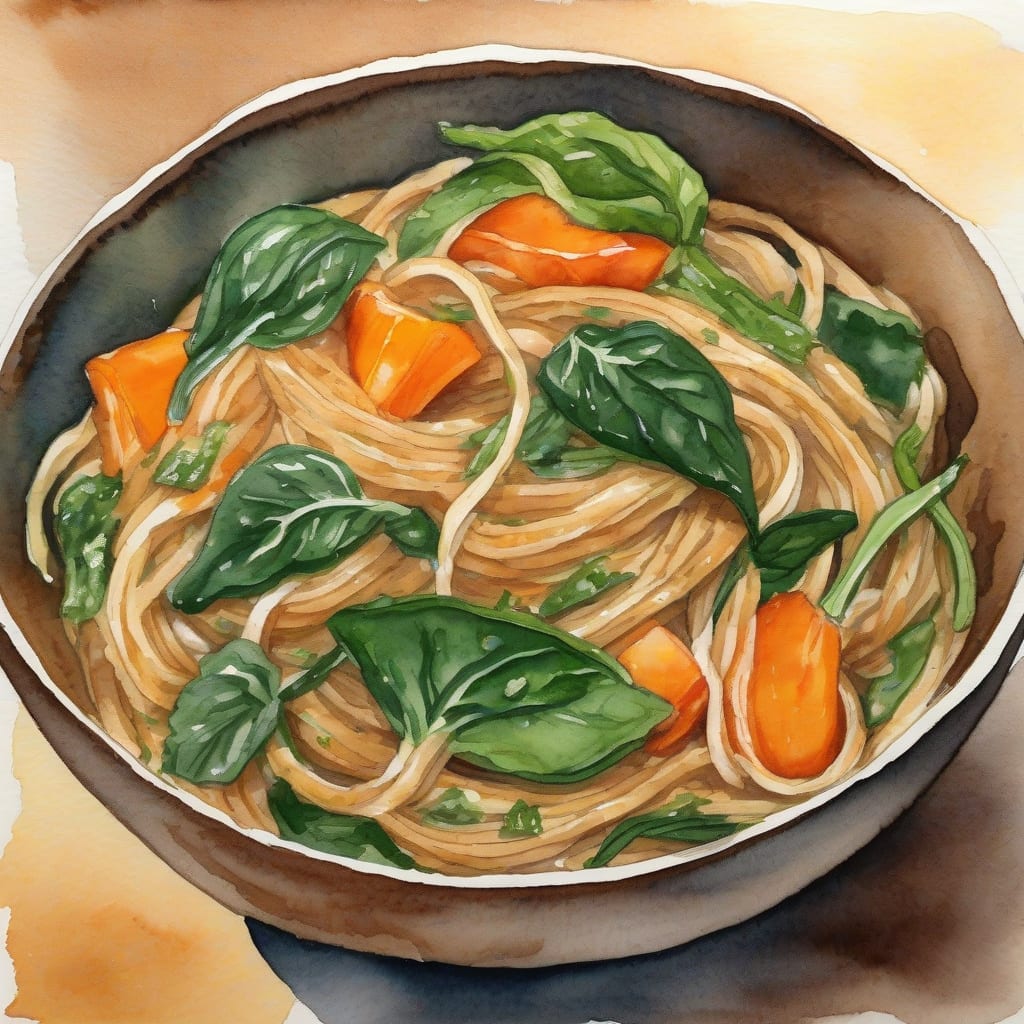
When I think of a comforting meal that brings warmth and satisfaction, low sodium noodles come to mind. This dish is all about delivering rich flavors without the excess salt, making it perfect for anyone looking to enjoy a healthier option without compromising on taste.
This recipe is designed for simplicity and speed, taking just 30 minutes from start to finish. With a few basic ingredients and easy techniques, you can create a delicious bowl that satisfies both your cravings and your dietary needs.
By the end, you’ll have a delightful noodle dish that’s not only comforting but also packed with flavor. Let’s get started on making this satisfying meal that everyone will love!
Ingredients for Low sodium noodle
Gather these simple ingredients to create a flavorful and comforting noodle dish in no time.
| Ingredient | Amount | Notes |
|---|---|---|
| Whole Wheat Noodles 🍜 | 8 oz | Cook according to package instructions |
| Low Sodium Vegetable Broth 🍲 | 4 cups | For added flavor without salt |
| Fresh Spinach 🌿 | 2 cups | Packed, for nutrition and color |
| Carrot 🥕 | 1 whole | Julienned for texture |
| Bell Pepper 🌶️ | 1 whole | Sliced, any color works |
| Garlic Cloves 🧄 | 3 cloves | Minced for flavor enhancement |
| Ginger Root 🌱 | 1 tbsp | Freshly grated for warmth |
| Sesame Oil 🫒 | 2 tbsp | For a nutty finish |
| Soy Sauce 🥢 | 2 tbsp | Use low sodium variety |
| Black Pepper 🌶️ | ½ tsp | Freshly ground for best taste |
[recipe_ingredient_scaler]
You can find all these ingredients at your local grocery store or health food store. Whole wheat noodles are often available in the pasta aisle, while low sodium vegetable broth can be found near the soups. Look for fresh produce like spinach, carrots, and bell peppers at farmers markets for the best quality and flavor.
If you don't have whole wheat noodles, substitute with rice noodles or gluten-free pasta. Fresh ginger can be replaced with ground ginger, using about 1/4 teaspoon for each tablespoon. For a different flavor profile, try adding a splash of rice vinegar or lime juice. You can also omit soy sauce entirely if you need it to be soy-free.
Store leftover noodles in an airtight container in the refrigerator for up to 3 days. Reheat on the stovetop with a splash of broth to keep them moist. Fresh vegetables like spinach and bell peppers should be consumed within a week for optimal freshness, while carrots can last longer in the crisper drawer.
Step-by-Step Instructions for Low Sodium Noodles
Let me guide you through this quick and satisfying dish that delivers comfort in just 30 minutes.
👨🍳 Step 1: Cook the Noodles
Start by bringing a large pot of water to a boil. Once it’s boiling, add the 8 oz Whole Wheat Noodles and cook according to the package instructions until al dente. I usually stir the noodles occasionally to prevent them from sticking together. The texture should be firm but tender; you’ll know they’re ready when they are cooked through yet still have a slight bite to them.
Once cooked, drain the noodles in a colander and set them aside. Be sure not to rinse them, as you want to retain the starch that helps the sauce adhere later. This will ensure a flavorful base for your dish!
🍳 Step 2: Sauté the Aromatics
In a large skillet or wok, heat 2 tablespoons of sesame oil over medium heat. Once the oil is shimmering, add 3 minced garlic cloves and 1 tablespoon of freshly grated ginger root. Sauté these for about 1-2 minutes, until they become fragrant. You’ll notice a lovely aroma filling your kitchen—this is your cue that they’re almost ready!
Next, add the 1 whole carrot (julienned) and 1 whole bell pepper (sliced). Cook these for about 4-5 minutes
Add the reserved noodles back into the skillet along with 4 cups of low sodium vegetable broth. Stir everything together to combine. This step is crucial as the broth will infuse the noodles and vegetables with rich flavor without overwhelming saltiness. Allow the mixture to simmer for about 5-7 minutes, or until everything is heated through. The broth will reduce slightly, creating a light sauce that clings to the noodles. Stir in 2 tablespoons of low sodium soy sauce and 0.5 teaspoons of black pepper for an extra depth of flavor. Once everything is well combined and heated, add 2 cups of fresh spinach. Stir gently and cook for another 1-2 minutes, just until the spinach wilts down. You’ll see its vibrant green color brightening the dish. This final touch not only adds nutrition but also enhances the visual appeal of your creation. After all, we eat with our eyes first! Once wilted, give it a taste, and adjust seasonings if necessary before serving hot.🥘 Step 3: Combine Everything Together
⏰ Step 4: Finish with Fresh Spinach
Discovering the Health Benefits of Low Sodium Noodles
Low sodium noodles are not just a delicious meal; they also offer numerous health benefits that align with a balanced diet. By using whole wheat noodles, you’re getting more fiber, which supports digestive health and keeps you feeling full longer. This can help prevent overeating and manage weight effectively. 🍜
The inclusion of fresh vegetables like spinach, carrots, and bell peppers adds essential vitamins and minerals. For instance, spinach is rich in vitamin K and iron, promoting bone health and energy levels. Carrots provide beta-carotene, which is great for your vision. I love adding these colorful veggies for both their nutritional value and vibrant presentation! 🌿
Using low sodium broth significantly reduces your overall sodium intake, which is beneficial for heart health. High sodium diets can lead to hypertension, so this recipe is a fantastic alternative for those monitoring their salt consumption. I opt for brands like Pacific Foods or Swanson for their flavorful low sodium options. 🌱
Finally, the ginger and garlic in this dish not only enhance flavor but also offer anti-inflammatory properties. They may help boost your immune system and support overall health. I always keep fresh ginger and garlic on hand because they add such depth to meals while packing a healthy punch!
Nutrition Facts
280kcal

Trained in classic French technique but raised on slow-cooked ribs and spicy rubs, she blends culinary skill with smoke and soul.
- Recipe for Boneless Pork Chops in Cast Iron Skillet: Sear and Baste to Juicy Perfection - October 3, 2026
- Recipe for Boneless Cross Rib Roast: Slow-Roasted Beef with Herb Crust - October 3, 2026
- Hamburgers in Sauce Recipe Crock Pot: Slow-Cooked Savory Delight - October 3, 2026