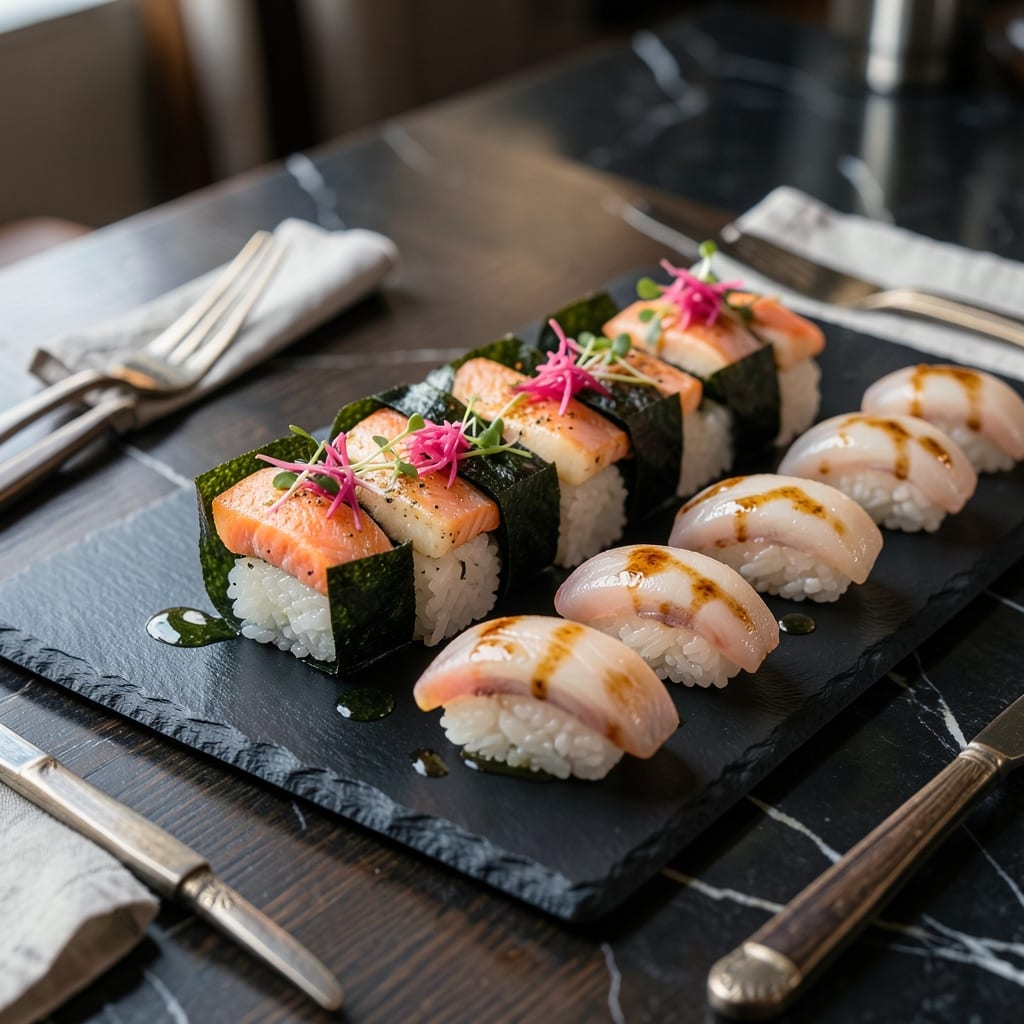
Creating fresh sushi at home is more accessible than you might think, and mahi mahi is an excellent starting point. This firm, mild fish holds up beautifully to hand-rolling techniques, delivering restaurant-quality results with a bit of practice and patience.
The key lies in proper preparation: sushi-grade fish, perfectly seasoned rice, and precise assembly. I’ve tested this method repeatedly in my small kitchen, refining each step to ensure consistent texture and flavor every time.
What you’ll achieve is a vibrant, delicate roll with the perfect balance of fish, rice, and fillings. The mahi mahi stays tender and fresh, while the rice provides the ideal sticky foundation to hold everything together.
Serve immediately with soy sauce, pickled ginger, and wasabi for the full experience. Here’s how to get started.
Ingredients for Mahi Mahi Sushi
Fresh fish, perfectly seasoned rice, and crisp veggies make this hand-rolled delight shine at home.
| Ingredient | Amount | Notes |
|---|---|---|
| Sushi-Grade Mahi Mahi Fillets 🐟 | 1 lb | Skinless, cut into 1/2-inch strips |
| Sushi Rice 🍚 | 2 cups | Short-grain Japanese rice, rinsed |
| Rice Vinegar 🍶 | ½ cup | Seasoned rice vinegar preferred |
| Granulated Sugar 🥄 | 2 tbsp | Dissolved in vinegar for seasoning |
| Kosher Salt 🧂 | 1 tsp | For rice seasoning balance |
| Nori Sheets 🍱 | 4 sheets | Full-size sheets, about 7×8 inches |
| Persian Cucumbers 🥒 | 1 whole | Julienned into thin matchsticks |
| Avocado 🥑 | 1 whole | Ripe but firm, sliced thinly |
| Soy Sauce 🫕 | ¼ cup | Low-sodium preferred for dipping |
| Pickled Ginger 🌸 | ¼ cup | For palate cleansing between bites |
| Wasabi Paste 🟢 | 2 tbsp | Fresh or store-bought |
| Sesame Seeds 🌰 | 1 tbsp | Toasted for garnish |
[recipe_ingredient_scaler]
The mahi mahi is non-negotiable here. Sushi-grade is mandatory—look for the label at Whole Foods or a trusted fishmonger. Ask when it was caught; same-day is ideal, within 24 hours max. The rice matters just as much: Koshihikari or Nishiki are the gold standard brands. Avoid pre-seasoned mixes—they lack the balance you need. For the nori, check the expiration date; stale sheets crack and ruin the roll.
No mahi mahi? Tuna or salmon (also sushi-grade) work beautifully. Out of cucumbers? Shredded carrots or daikon radish add a similar crunch. If you can’t find seasoned rice vinegar, mix plain rice vinegar with sugar and salt (1:1:0.5 ratio). The avocado should be ripe but firm—mushy fruit makes a mess. For a nutty twist, add a sprinkle of furikake to the rice before rolling.
Best eaten immediately, but the rice keeps 1 day in the fridge (store uncovered to prevent sogginess). The fish must be used fresh—never freeze sushi-grade fish for raw consumption. Prep all ingredients before starting; sushi moves fast once assembly begins. Leftover rice? Make onigiri the next day.
Why You’ll Love This Recipe
- No-Hassle Assembly: Honestly, the rice cooks while I slice the mahi—no juggling multiple steps.
- Bright & Balanced: That rice vinegar tang against the sweet, firm mahi? I crave it weekly.
- Party or Lunchbox: I’ve served this at gatherings and packed leftovers for work—both times it disappeared fast.
- Budget Sushi Fix: Sushi-grade mahi costs less than salmon, and one fillet stretches across multiple rolls.
Step-by-Step Instructions for Mahi Mahi Sushi
This method ensures perfect texture and flavor in every hand-rolled bite you create.
Step 1: Prepare the Sushi Rice Base
Rinse the 2 cups sushi rice under cold water until the water runs clear to remove excess starch. This prevents gummy rice and ensures each grain stays distinct. I soak it for 30 minutes after rinsing—this step guarantees even cooking and proper hydration.
Cook the rice according to package instructions, then immediately transfer it to a large wooden bowl. While it’s still hot, gently fold in a mixture of 0.5 cup rice vinegar, 2 tbsp granulated sugar, and 1 tsp kosher salt using a cutting motion with a rice paddle. The rice should be sticky but not mushy, with a subtle sheen from the vinegar mixture.
Step 2: Prep the Fillings and Garnishes
Cut the 1 lb sushi-grade mahi mahi fillets into ½-inch strips against the grain—this shortens the muscle fibers for a more tender bite. The pieces should be about the width of your thumb. Keep them chilled until ready to use to maintain freshness and texture.
Julienne the 1 whole Persian cucumbers into thin matchsticks, about 2 inches long. Slice the 1 whole avocado thinly, removing the pit and skin first. Toast the 1 tbsp sesame seeds in a dry pan over medium heat for 1-2 minutes until golden brown and fragrant. Set all fillings aside in separate bowls for easy access during rolling.
Step 3: Assemble the Rolls
Place a nori sheet shiny-side down on a bamboo rolling mat. With wet hands (to prevent sticking), spread a thin, even layer of prepared rice over the nori, leaving a ½-inch border at the top. The rice layer should be about ¼-inch thick—press lightly but don’t compact it too much.
Arrange 2-3 strips of mahi mahi, cucumber, and avocado horizontally across the rice, about 1 inch from the bottom edge. Lift the edge of the mat closest to you and roll away from your body, using the mat to shape the roll tightly. Apply gentle pressure as you roll to create a firm cylinder. Seal the edge with a bit of water if needed.
Step 4: Slice and Serve
Using a sharp, wet knife, slice each roll into 6-8 pieces. Wipe the knife clean between cuts for clean edges. The rolls should hold their shape but yield slightly when pressed—this indicates the right level of tightness.
Arrange the pieces on a platter and sprinkle with toasted sesame seeds. Serve immediately with 0.25 cup soy sauce, 0.25 cup pickled ginger, and 2 tbsp wasabi paste on the side. The mahi mahi should be cool and firm, contrasting beautifully with the creamy avocado and crisp cucumber.
Pro Tips For Making Mahi Mahi Sushi
- Freeze the Fish First: I learned this the hard way—freezing sushi-grade mahi mahi for 24 hours at -4°F kills any potential parasites, and it firms up the texture for cleaner slices.
- Rinse the Rice: Wash your sushi rice until the water runs clear, about 4-5 rinses, or you’ll end up with gummy, starchy rice that ruins the texture.
- Season While Warm: Mix your rice vinegar, sugar, and salt into the rice while it’s still hot—it absorbs better and gives that glossy, sticky finish sushi rice needs.
- Slice Against the Grain: Cut your mahi mahi fillets against the grain into 1/4-inch thick slices for the most tender bite, and keep your knife sharp to avoid tearing the flesh.
Essential Equipment for Perfect Results
Bamboo Rolling Mat
A bamboo rolling mat (makisu) is essential for shaping tight rolls. I use a 9.5×9.5-inch mat from Ateco—it’s sturdy, easy to clean, and fits standard nori sheets perfectly. Look for one with nylon strings; they last longer than cotton. 💡
Sharp Chef’s Knife
For clean slices, a sharp 8-inch chef’s knife is non-negotiable. I keep mine from Mercer Culinary razor-sharp with a 1000/3000-grit whetstone. Wet the blade between cuts to prevent sticking. Dull knives crush sushi instead of slicing it.
Rice Cooker
While not mandatory, a rice cooker ensures consistent results. My Zojirushi 3-cup model nails the texture every time. If cooking on the stovetop, use a heavy-bottomed pot and watch closely—sushi rice burns easily. The cooker’s keep-warm function is perfect for maintaining temperature while prepping fillings.
Wooden Rice Bowl
A wooden bowl (hangiri) is traditional for seasoning sushi rice. The 14-inch diameter version from Kanetsuki works beautifully. Wood absorbs excess moisture and helps cool the rice quickly. In a pinch, a large glass bowl works, but avoid metal—it reacts with the vinegar.
Digital Scale
For precision, I rely on my Escali Primo digital scale. Weighing rice ensures the correct ratio of rice to vinegar seasoning. 200 grams of uncooked sushi rice yields about 2 cups cooked. Consistency matters when making sushi at home.
Accuracy prevents over-seasoning or under-seasoning your rice base. 🌟
Nutrition Facts
Frequently Asked Questions
What’s the best substitute for mahi mahi in sushi?
Sushi-grade tuna or salmon work beautifully as alternatives. Both offer similar firm texture and mild flavor. Avoid oily fish like mackerel, as they can overpower the delicate rice.
How do I know if my fish is sushi-grade?
Look for the “sushi-grade” label at trusted fishmongers or specialty stores. Ask when it was caught—same-day is ideal. The flesh should smell clean and fresh, never fishy.
Why does my rice turn out mushy?
Over-rinsing or overcooking are common culprits. Rinse until water runs clear, then cook with a 1:1 rice-to-water ratio. Use short-grain Japanese rice for best results.
Can I make sushi without a bamboo mat?
Yes, but it’s tricky. Use plastic wrap over a clean kitchen towel as a makeshift mat. The rolls may not be as tight, but practice improves results.

Trained in classic French technique but raised on slow-cooked ribs and spicy rubs, she blends culinary skill with smoke and soul.
- Recipe for Boneless Pork Chops in Cast Iron Skillet: Sear and Baste to Juicy Perfection - October 3, 2026
- Recipe for Boneless Cross Rib Roast: Slow-Roasted Beef with Herb Crust - October 3, 2026
- Hamburgers in Sauce Recipe Crock Pot: Slow-Cooked Savory Delight - October 3, 2026