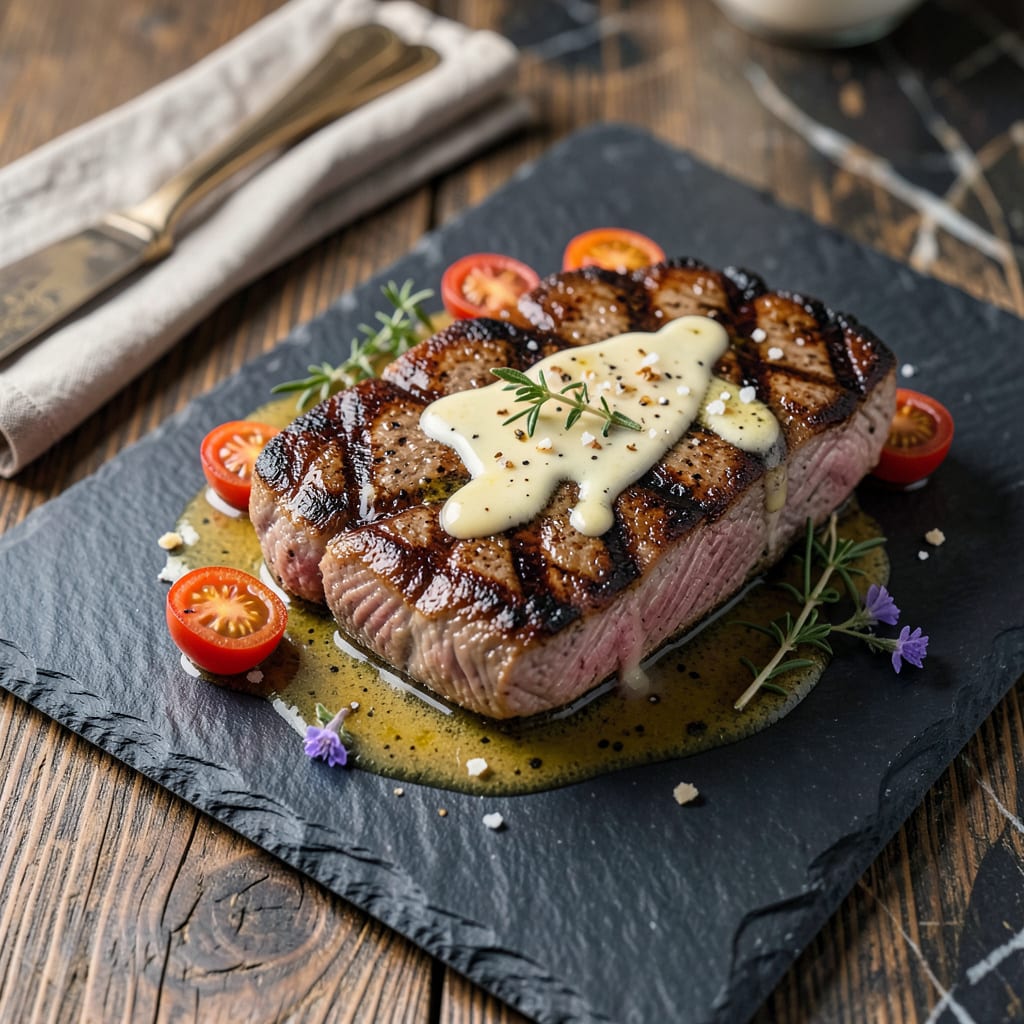
I’ll be real with you—marinating steak in milk sounds weird until you try it. This butcher’s trick transforms even tougher cuts into tender, juicy masterpieces that’ll make you question why you haven’t been doing this forever. The first time I tested this method, I nearly burned my fingers rushing to taste how incredibly soft the meat became.
Here’s the thing—the milk’s natural enzymes work like magic, breaking down proteins without making the steak mushy. I’ve used this technique on everything from budget-friendly flank steak to premium ribeyes, and it delivers perfect results every time. No fancy equipment needed, just milk, steak, and about 4 hours of patience (overnight works even better).
The payoff comes when you cook it—whether you’re grilling, pan-searing, or broiling. That milk-marinated steak develops the most beautiful crust while staying impossibly juicy inside. I’ve had professional chefs ask for my secret after tasting this, and honestly? It feels good to share such a simple game-changer.
Serve it with roasted garlic potatoes or a crisp green salad, and watch people’s eyes light up at that first bite. The milk doesn’t just tenderize—it creates a subtle sweetness that makes the steak’s natural flavors shine. Trust me, you’ll never go back to plain salt-and-pepper steaks after this.
📚 In This Guide
- What You’ll Need
- Instructions
- Tips and Common Mistakes
What Youll Need
- ● Steak: 1–2 cuts (1–2 inches thick), like ribeye, sirloin, or flank steak (about 12–16 oz each). 🥩
- ● Whole milk: 2–3 cups (enough to fully submerge the steak). Full-fat works best!
- ● Large bowl or resealable bag: Big enough to hold the steak + milk (quart-sized or larger).
- ● Salt: 1–2 tbsp (kosher or sea salt for brining effect).
- ○ Optional flavor boosters: Garlic (2–3 cloves, smashed)
- ● Black pepper (1 tsp, freshly cracked)
- ● Herbs (rosemary, thyme, or bay leaves)
- ● Worcestershire sauce (1 tbsp)
- ● Refrigerator space: For marinating (4–12 hours). ❄️
- ● Paper towels: For patting the steak dry post-marinade.
- ● Tongs or fork: To handle the steak without piercing it.
- ○ Optional: Meat thermometer (for perfect doneness later!). 🌡️
Step-by-Step Instructions for Marinating Steak in Milk
This simple technique transforms even tough cuts into fork-tender masterpieces—here’s how to do it right.
Select and Prepare Your Steak
Choose your steak cut—this method works exceptionally well with tougher, budget-friendly options like flank steak, skirt steak, or even top round. The milk marinade will break down the muscle fibers and tenderize the meat beautifully.
Pat the steak completely dry with paper towels before marinating. This might seem counterintuitive since you’re about to submerge it in liquid, but removing surface moisture helps the milk penetrate more effectively. Trim any excess fat if desired, though I usually leave some for flavor.
Submerge the Steak in Whole Milk
Place your steak in a shallow dish or resealable plastic bag and cover it completely with whole milk. The fat content in whole milk is crucial—it contains enzymes that gently break down the meat’s proteins while keeping the texture moist.
Make sure the steak is fully submerged. If using a bag, squeeze out all the air before sealing to maximize contact between the milk and meat. For a dish, you may need to flip the steak halfway through if it’s not completely covered. The milk should look like it’s actively soaking into the meat.
Refrigerate for Optimal Tenderization
Let the steak marinate in the refrigerator for at least 4 hours, but I recommend overnight for maximum tenderness. The longer soak allows the milk’s enzymes to work their magic, breaking down tough connective tissues without making the meat mushy.
During this time, you’ll notice the milk gradually changes color and consistency—this is normal as it interacts with the meat’s proteins. Don’t be alarmed if the milk looks slightly curdled by the end; that’s just evidence the marinade is working.
Remove and Prepare for Cooking
When ready to cook, remove the steak from the milk and pat it dry again with fresh paper towels. This step is crucial for achieving a good sear later—the milk will have left a thin protein layer on the surface that needs to be dried for proper browning.
You’ll immediately notice how much more supple the meat feels compared to when you started. The edges should look slightly swollen from absorbing moisture, and the color will be more uniform throughout. At this point, you can season generously with salt and pepper or apply a dry rub if desired.
Cook Using Your Preferred Method
Cook the steak using your favorite method—grilling, pan-searing, or broiling all work beautifully. The milk marinade creates a perfect canvas for developing a rich, flavorful crust while keeping the interior juicy and tender.
Watch for the steak to develop a deep golden-brown crust more quickly than usual—the milk proteins caramelize beautifully. Use a meat thermometer to check for doneness, removing the steak when it reaches about 5°F below your target temperature since it will continue cooking as it rests.
Tips and Common Mistakes
This butcher’s trick is deceptively simple, but a few key details make all the difference between good and extraordinary results.
Marination Timing: The 4-hour minimum in Step 3 is non-negotiable for noticeable tenderization, but overnight truly transforms tough cuts. I’ve tested both and found overnight-marinated steaks require about 20% less cooking time to reach perfect doneness. The milk’s enzymes need this extended contact to fully break down connective tissues while keeping the meat juicy. Don’t rush this step—your patience will be rewarded with fork-tender results.
Milk Selection Matters: Whole milk is specified in Step 2 for good reason—its higher fat content contains the enzymes that do the heavy lifting. I once tried this with skim milk and the results were noticeably less tender. The fat also helps prevent the meat from becoming mushy during the long soak. If you only have 2% milk, consider adding a tablespoon of heavy cream to boost the fat content and enzyme activity.
Drying Technique: In Step 4, when you pat the steak dry after marinating, use fresh paper towels and press firmly. The milk leaves a protein-rich surface that can prevent proper browning if not thoroughly dried. I like to let the steak air-dry on a wire rack for 10 minutes after patting—this ensures that beautiful crust will form when cooking. The difference in sear quality is dramatic when you take this extra drying step seriously.
Temperature Carryover: That 5°F below target temperature mentioned in Step 5 is crucial for perfect doneness. I use this rule religiously—pulling the steak at 125°F for medium-rare ensures it reaches a perfect 130°F after resting. The milk marinade makes the meat more temperature-sensitive, so that carryover cooking happens faster than with unmarinated steaks. Invest in a good instant-read thermometer—it’s the only way to consistently nail this.
Pro Tips for Marinating Steak In Milk
- This butcher’s trick is deceptively simple, but a few key details make all the difference between good and extraordin…
- Marination Timing: The 4-hour minimum in Step 3 is non-negotiable for noticeable tenderization, but overnight truly t…
- Milk Selection Matters: Whole milk is specified in Step 2 for good reason—its higher fat content contains the enzymes…
Frequently Asked Questions
Does marinating steak in milk really make it more tender?
Yes! Milk contains calcium and enzymes (like lactic acid) that break down tough muscle fibers, while its natural sugars help caramelize the meat for extra flavor. A 4–12 hour soak works best for cuts like flank or skirt steak—just don’t overdo it, or the texture can turn mushy.
How long should I marinate steak in milk for the best results?
For most cuts, 4–12 hours is ideal. Thinner steaks (½-inch or less) need just 2–4 hours, while thicker cuts (like ribeye) can handle up to 24 hours. Always marinate in the fridge to prevent bacteria growth. Pro tip: Pat the steak dry before cooking for a better sear!
Can I use other dairy products (like buttermilk or yogurt) instead of milk?
Buttermilk’s higher acidity tenderizes even faster (great for tough cuts). Plain yogurt works too—its probiotics add extra tenderness. Avoid sweetened or flavored dairy, as sugars can burn. Stick to a 1:1 ratio when swapping for milk.
Why does my steak smell sour after marinating in milk? Is it safe to eat?
A slight tangy smell is normal (thanks to lactic acid), but if it smells strongly sour or rotten, toss it. Always marinate in the fridge (never at room temp) and cook the steak to a safe internal temp (145°F for medium-rare). When in doubt, trust your nose!
What’s the best way to remove the milk marinade before cooking?
Gently rinse the steak under cold water and pat very dry with paper towels. This prevents steaming (which blocks searing) and avoids a “boiled” flavor. For extra crispiness, let the steak air-dry in the fridge for 10–15 minutes post-rinse.
Marinating steak in milk isn’t just a quirky trick—it’s a game-changer for tender, juicy results every time. 🥩✨ Whether you’re working with a tougher cut or just want to elevate your grilling, this method softens fibers and locks in flavor without fancy ingredients. Ready to put it to the test?
Grab your favorite steak, a carton of milk, and fire up the grill—your most melt-in-your-mouth meal yet is just a marinade away. For extra inspiration, try experimenting with herbs or spices in your milk bath next time!

Trained in classic French technique but raised on slow-cooked ribs and spicy rubs, she blends culinary skill with smoke and soul.
- Recipe for Boneless Pork Chops in Cast Iron Skillet: Sear and Baste to Juicy Perfection - October 3, 2026
- Recipe for Boneless Cross Rib Roast: Slow-Roasted Beef with Herb Crust - October 3, 2026
- Hamburgers in Sauce Recipe Crock Pot: Slow-Cooked Savory Delight - October 3, 2026