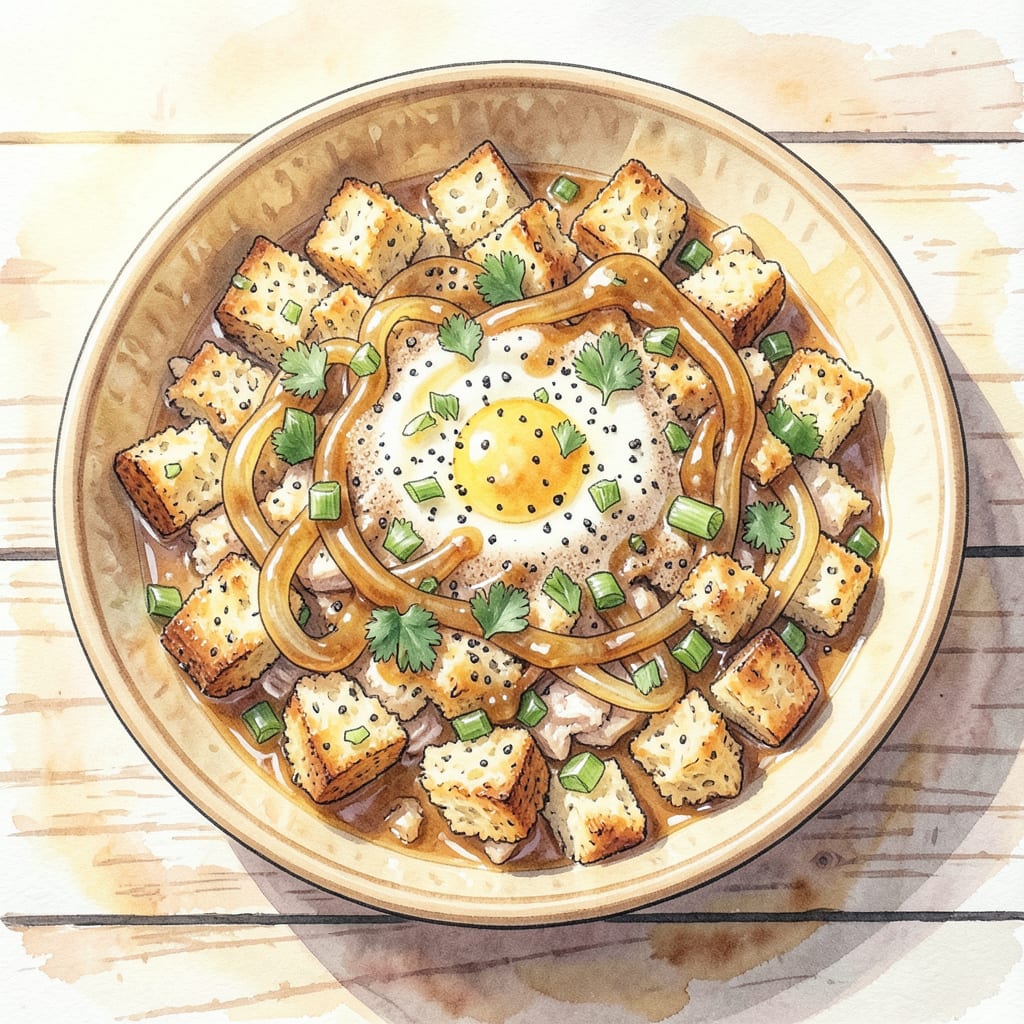
This Southern cornbread dressing brings generations of holiday tradition to your table with Martha White’s signature golden crumb. The secret lies in balancing the sweetness of cornbread with savory celery, onions, and rich chicken broth—creating a dressing that’s moist yet perfectly structured. I’ve perfected this recipe over years of Thanksgiving feasts, ensuring it delivers that classic Southern comfort every time.
Ready in under an hour, this dressing pairs beautifully with roasted turkey and gravy. The technique is straightforward: combine prepared cornbread with sautéed vegetables, bind with eggs and broth, then bake until golden. It’s the kind of dish that transforms a holiday meal into a cherished tradition, with flavors that taste like home.
Ingredients for Martha White Cornbread Dressing
This Southern dressing begins with Martha White’s signature cornbread, balanced by savory vegetables and rich broth for holiday perfection.
| Ingredient | Amount | Notes |
|---|---|---|
| Martha White Cornbread Mix 🌽 | 2 boxes | Prepared according to package directions |
| Unsalted Butter 🧈 | ½ cup | Plus extra for greasing pan |
| Yellow Onion 🧅 | 1 whole | Medium, finely diced |
| Celery Stalks 🌿 | 4 whole | Finely diced, leaves included |
| Chicken Broth 🍲 | 3 cups | Low-sodium preferred for control |
| Large Eggs 🥚 | 3 whole | Lightly beaten for binding |
| Fresh Sage Leaves 🌿 | 2 tbsp | Finely chopped for aromatic depth |
| Fresh Thyme Sprigs 🌿 | 1 tbsp | Leaves stripped and chopped |
| Kosher Salt 🧂 | 1 ½ tsp | Diamond Crystal preferred for precision |
| Freshly Ground Black Pepper 🌶️ | 1 tsp | Coarse grind for texture |
| Dried Poultry Seasoning 🌿 | 1 tsp | Bell's or homemade blend |
| Dried Rubbed Sage 🌿 | ½ tsp | For layered herb complexity |
| All-Purpose Flour 🌾 | 2 tbsp | For structural integrity |
[recipe_ingredient_scaler]
The cornbread foundation requires Martha White’s buttermilk mix—its fine crumb and subtle sweetness are non-negotiable for authentic texture. Opt for the 6-ounce boxes (not the larger family size) to maintain the proper bread-to-vegetable ratio. For the broth, Swanson’s low-sodium chicken broth provides consistent flavor without overpowering saltiness. Fresh herbs are essential: sage and thyme from the produce section (not dried) deliver the bright, aromatic notes that define Southern dressing. The celery should include leaves for concentrated flavor; select firm stalks with vibrant green coloration.
Substitutions must preserve the moisture balance. Jiffy cornbread mix can replace Martha White in a 1:1 ratio, though it yields a slightly sweeter result. For vegetarian adaptation, vegetable broth (such as Imagine No-Chicken Broth) substitutes seamlessly. Dried herbs may be used at one-third the fresh quantity, but toast them briefly in a dry skillet to revive potency. The eggs bind the dressing—flax eggs (3 tbsp ground flax + 9 tbsp water) work for vegan versions, though texture will be denser. Avoid pre-cubed cornbread; its dried edges disrupt the intended custardy consistency.
Prepare components in advance for efficiency. Crumbled cornbread may be dried uncovered at room temperature for 12–24 hours before assembling. Sautéed vegetables keep refrigerated for 2 days; reheat gently before combining. The assembled (unbaked) dressing holds 8 hours refrigerated—ideal for make-ahead holiday prep. Baked dressing reheats beautifully: cover with foil and warm at 325°F until heated through (20–30 minutes). Leftovers maintain quality for 4 days refrigerated or 3 months frozen in airtight containers.
Step-by-Step Instructions for Martha White Cornbread Dressing
This traditional preparation method ensures moist, flavorful dressing with perfect texture for your holiday table.
Step 1: Prepare the Cornbread Base
Begin by preparing the cornbread according to the package directions for the 2 boxes Martha White Cornbread Mix. Allow the baked cornbread to cool completely, then crumble it into a large mixing bowl. You want a range of textures—some fine crumbs and some larger pieces for body.
The cornbread should be dry to the touch before proceeding. If it feels at all moist, spread it on a baking sheet and let it air-dry for 1-2 hours or bake at 200°F for 20 minutes to remove excess moisture. This step prevents a gummy final texture.
Step 2: Sauté the Aromatic Vegetables
In a large skillet, melt the 0.5 cup Unsalted Butter over medium heat. Add the finely diced yellow onion and celery stalks, cooking for 8-10 minutes until the vegetables are softened but not browned. The onions should become translucent, and the celery should lose its raw crunch.
Add the 2 tbsp Fresh Sage Leaves and 1 tbsp Fresh Thyme Sprigs during the last 2 minutes of cooking. This brief sauté releases their essential oils without burning the herbs. Remove from heat and let cool slightly before combining with the cornbread.
Step 3: Combine and Season the Mixture
To the crumbled cornbread, add the sautéed vegetable mixture, 1.5 tsp Kosher Salt, 1 tsp Freshly Ground Black Pepper, 1 tsp Dried Poultry Seasoning, and 0.5 tsp Dried Rubbed Sage. Toss gently but thoroughly to distribute the seasonings evenly throughout the mixture.
In a separate bowl, whisk together the 3 cups Chicken Broth and 3 whole Large Eggs until fully combined. Pour this liquid mixture over the cornbread mixture and fold gently. The dressing should be moist but not soggy—it will absorb more liquid during baking.
Step 4: Bake to Golden Perfection
Transfer the dressing mixture to a buttered 9×13-inch baking dish. Bake in a preheated 350°F oven for 30-35 minutes until the top is golden brown and the edges begin to pull away from the sides of the dish.
The internal temperature should reach 160°F when tested with an instant-read thermometer. For a crispier top, broil for the final 2-3 minutes, watching carefully to prevent burning. Let rest for 10 minutes before serving to allow the dressing to set.
Common Mistakes When Making martha white cornbread dressing
Overmixing the Batter
When combining your wet and dry ingredients, resist the urge to overwork the mixture. I’ve seen many cooks stir until the batter is completely smooth, but this develops gluten in the all-purpose flour, leading to dense, tough dressing. Instead, mix just until the ingredients are incorporated—small lumps are perfectly fine. Remember, we’re going for tender, custardy texture, not cake-like structure. 💡
Skipping the Drying Step
This is the mistake I see most often at holiday gatherings. Freshly baked cornbread holds too much moisture, which makes your dressing gummy instead of light and fluffy. After crumbling your Martha White cornbread, spread it on a baking sheet and let it air-dry for 1-2 hours or bake at 200°F for 20 minutes. Trust me, this step transforms your texture.
Using Cold Ingredients
When you combine cold chicken broth and eggs with your cornbread mixture, the fat in the butter can seize up, creating a greasy layer in your finished dressing. I always take my broth and eggs out of the fridge 30 minutes before assembling. Room temperature ingredients blend smoothly for that perfect custard-like consistency.
Underseasoning the Mixture
Cornbread dressing needs bold seasoning to stand up to rich holiday dishes. Many cooks taste the raw mixture and think it’s plenty seasoned, but flavors mellow during baking. I recommend adding the full 1.5 tsp kosher salt and 1 tsp black pepper, then doing a final taste test after baking. You can always adjust with a pinch more salt before serving.
Overbaking the Dressing
We want golden edges, not dry, crumbly dressing. The moment your dressing reaches 160°F internally and the top is golden brown, pull it from the oven. I set my timer for 30 minutes and start checking at the 25-minute mark. Remember, it continues cooking as it rests. For that perfect balance, I often cover loosely with foil if the top browns before the center sets. 🔥
Ignoring the Resting Period
This is where patience pays off. Cutting into your dressing straight from the oven releases all the steam, leaving you with a crumbly mess instead of clean slices. I always let mine rest for the full 10 minutes before serving. This allows the egg custard to set properly and makes serving much easier. Use this time to make your gravy or carve the turkey—it’s worth the wait!
Nutrition Facts

Trained in classic French technique but raised on slow-cooked ribs and spicy rubs, she blends culinary skill with smoke and soul.
- Recipe for Boneless Pork Chops in Cast Iron Skillet: Sear and Baste to Juicy Perfection - October 3, 2026
- Recipe for Boneless Cross Rib Roast: Slow-Roasted Beef with Herb Crust - October 3, 2026
- Hamburgers in Sauce Recipe Crock Pot: Slow-Cooked Savory Delight - October 3, 2026