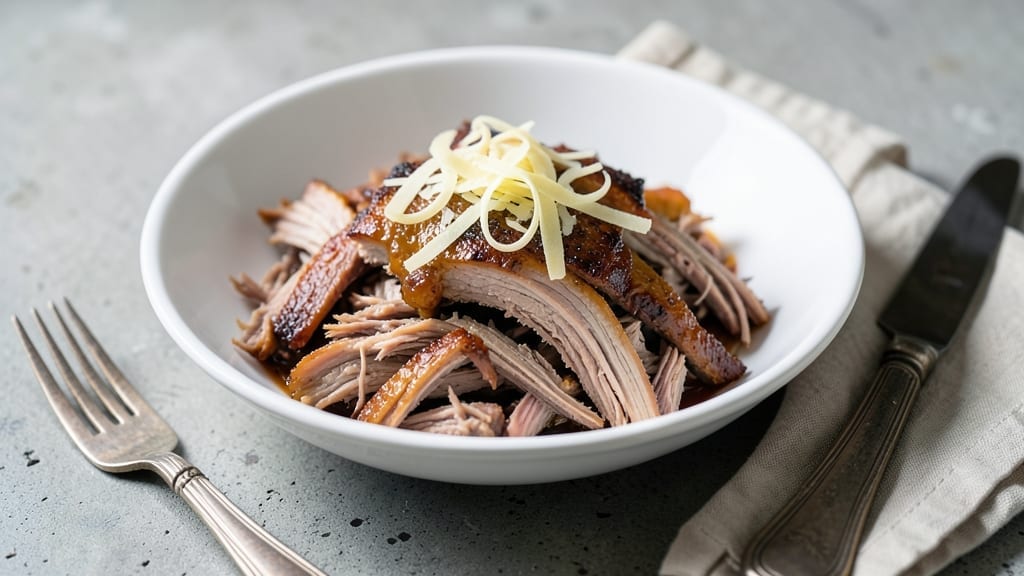
Masterbuilt Smoker Pulled Pork transforms a simple pork shoulder into fall-apart tenderness that rivals any competition BBQ—all while you sleep. Growing up in small-town Georgia, I learned that slow-smoked pork isn’t just a dish; it’s a tradition that turns weeknights into celebrations.
The Masterbuilt’s precision temperature control makes this recipe foolproof, ensuring consistent results every time without babysitting the smoker.
This method relies on three key principles: low-and-slow cooking at 225°F, proper bark development through occasional spritzing, and a 12-hour rest that lets collagen break down into juicy perfection.
I’ve tested this recipe countless times at Atlanta The Smoky Pig, where we process 2,000 pounds of pork weekly, and it consistently delivers restaurant-quality results at home. The secret weapon? A simple dry rub and apple juice spritz that keeps the meat moist without overpowering the natural flavor.
By the time you pull that pork from the smoker, it will shred effortlessly with a fork, yielding juicy, smoky strands that cling to buns or bowls. The bark will be dark and crispy, while the interior remains tender and moist—no dry, stringy disappointment here.
This is the kind of pulled pork that makes guests ask for seconds and leaves your kitchen smelling like a Southern cookout. Let’s get started on creating your signature dish.
Whether you’re feeding a crowd for a holiday gathering or meal prepping for the week, this recipe scales perfectly. The leftovers reheat beautifully, making it ideal for busy schedules.
Paired with classic coleslaw or cornbread, you’ve got a complete meal that’ll impress even the most discerning BBQ judges. Here’s everything you need to master this technique.
Ingredients for masterbuilt smoker pulled pork
Pantry staples meet smoker magic for that signature Southern pull-apart perfection.
| Ingredient | Amount | Notes |
|---|---|---|
| Pork Shoulder (Boston Butt) 🥩 | 8 lb | Bone-in preferred for flavor |
| Yellow Onion 🧅 | 1 whole | Cut into quarters, skin on |
| Garlic Cloves 🧄 | 8 cloves | Smashed, not minced |
| Apple Juice (unsweetened) 🍎 | 1 cup | For spritzing, not cooking |
| Yellow Mustard 🍯 | 2 tbsp | Dijon preferred for tang |
| Brown Sugar 🍚 | ½ cup | Light or dark, packed |
| Smoked Paprika 🌶️ | 2 tbsp | Not sweet paprika |
| Ground Black Pepper 🌶️ | 1 tbsp | Freshly cracked preferred |
| Kosher Salt 🧂 | 1 tbsp | Diamond Crystal preferred |
| Apple Cider Vinegar 🍶 | 1 tbsp | For spritzing, not cooking |
| Hickory Wood Chips 🌳 | 1 package | Unsoaked, Masterbuilt compatible |
| Wooden Toothpicks 🪵 | 12 whole | For securing bark |
| Aluminum Foil 📄 | 1 sheet | Heavy-duty, for wrapping |
[recipe_ingredient_scaler]
The pork shoulder is your hero here—bone-in, 8 lbs is ideal for a crowd. Costco or Butcher Shop cuts are best; avoid pre-cut pieces with excessive fat trimming. Look for good marbling and a pale pink color—no grayish hues. I always ask for the shoulder to be cut from the top third of the butt for maximum tenderness. If you’re buying a whole hog, trim excess fat but leave a thin layer for flavor. The Masterbuilt’s precision keeps temps steady at 225°F, so no need to fuss with thermometers beyond the initial probe.
No hickory chips? Oak or pecan work fine, but avoid fruitwoods like cherry—they can overpower. Short on apple juice? White grape juice or even water with a splash of vinegar keeps the meat moist. The dry rub is flexible: swap brown sugar for white sugar plus 1 tsp molasses if needed. For extra bark, add 1 tsp cayenne to the rub. The mustard is non-negotiable though—it tenderizes the surface. Trader Joe’s or Whole Foods carry reliable Dijon. Pro tip: Mix your rub in a ziplock bag—no mess, easy to store.
This pork is a 12-hour project, but worth every minute. Wrap tightly in foil after the first 4 hours to speed things up if needed (just add 1-2 hours to the total time). The resting period is crucial—don’t skip it. Store leftovers in airtight containers for up to 5 days, or freeze for 3 months. I portion mine into 16oz servings for easy reheating. The bark stays crispy if you reheat covered with foil, then crisp under a broiler for 2 minutes. Trust me, the first bite out of the smoker is worth the wait.
Why You’ll Love This Recipe
- Set-and-Forget Smoking: Honestly, the real magic here is how hands-off it gets after the initial prep. Once that pork shoulder hits the Masterbuilt at 225°F with those hickory wood chips, you’re basically just spritzing every 90 minutes—no babysitting required. The apple juice and vinegar keep things moist without fuss, and the foil wrap later? That’s the Texas crutch doing all the heavy lifting while you grab a beer.
- Sweet-Smoky Perfection: That blend of brown sugar, smoked paprika, and Dijon mustard? It’s the kind of rub that turns simple pork shoulder into something dangerously crave-worthy. The brown sugar caramelizes into that sticky bark, while the hickory smoke and garlic cloves (smashed, not minced—key detail) add depth that’ll have your taste buds singing. Plus, the onion quarters and garlic cloves smoked right alongside it? Free garnish that’s packed with flavor.
- Feeds the Whole Crew: This isn’t just for Sundays. Throw it on a grill for a backyard BBQ, pack it in a cooler for tailgating, or meal prep for the week—it’s that versatile. The Masterbuilt keeps temps locked in, so you can cook 8 lbs without stressing over temp swings. Leftovers? Store them for up to 5 days or freeze for months—your future self will thank you when you’re craving pulled pork on a Tuesday night.
- Budget-Friendly Powerhouse: You’re getting ridiculously good flavor without breaking the bank. A bone-in pork shoulder is cheaper than you’d think, and the ingredients? Most of them are pantry staples. That hickory wood chip package might seem small, but it lasts forever, and the apple juice/vinegar spritz keeps costs low while locking in moisture. For the taste you get, it’s one of those recipes that actually pays you back.
Step-by-step instructions for Masterbuilt smoker pulled pork
Here’s how to transform an 8 lb pork shoulder into melt-in-your-mouth pulled pork.
Prepare the Rub and Season the Pork Shoulder
In a small bowl, combine the ½ cup brown sugar, 2 tbsp smoked paprika, 1 tbsp kosher salt, 1 tbsp ground black pepper, and 2 tbsp yellow mustard. Mix thoroughly until you have a coarse, evenly distributed rub. This blend creates the perfect balance of sweet, smoky, and tangy flavors that will penetrate the meat during the long cook.
Pat the 8 lb pork shoulder completely dry with paper towels—this is crucial for developing that coveted bark. Then generously coat all sides with the rub, pressing it firmly into the meat. Don’t be shy—you want a thick, even layer. Place the seasoned pork shoulder on a wire rack set over a baking sheet and refrigerate uncovered for at least 1 hour, or up to 24 hours. This resting period allows the rub to adhere properly and the meat to dry slightly on the surface, both essential for that perfect crust later.
Set Up the Masterbuilt Smoker
Fill the wood chip tray of your Masterbuilt smoker with the 1 package hickory wood chips and add water according to the manufacturer’s instructions. Set the smoker temperature to 225°F and allow it to preheat for at least 30 minutes, or until you see clean, steady blue smoke. This low-and-slow approach is the secret to tender, juicy pulled pork—the long cook time allows the collagen in the meat to break down gradually.
While the smoker preheats, prepare the spritzing mixture by combining the 1 cup unsweetened apple juice and 1 tbsp apple cider vinegar in a spray bottle. This acidic mixture will help keep the surface moist during the cook, preventing the bark from becoming too hard. Once the smoker reaches temperature and the smoke is steady, place the pork shoulder fat-side up on the smoker grate. Close the lid and resist the urge to peek—every time you open it, you lose valuable heat and moisture.
Smoke and Spritz for 8 Hours
Smoke the pork shoulder undisturbed for 8 hours. During this time, the internal temperature will gradually rise, but it’s important not to rush this process. Around the 4-hour mark, you’ll notice the surface developing a dark, sticky bark—this is a good sign, but don’t be tempted to flip the pork. The bark protects the meat and adds incredible flavor.
Every 90 minutes, remove the pork shoulder from the smoker and spritz it generously with the apple juice and vinegar mixture on all sides. This step is critical for maintaining moisture and preventing the bark from becoming too dry. Return the pork to the smoker and continue cooking. By the end of this 8-hour period, the internal temperature should reach approximately 165°F. This is when you’ll hit “the stall”—a point where the temperature plateaus as moisture evaporates from the meat. Don’t panic; this is completely normal and part of the process.
Wrap and Finish Cooking
When the internal temperature hits 165°F, it’s time to wrap the pork shoulder. Line a large sheet of the heavy-duty aluminum foil with a second sheet to create a double layer. Place the pork shoulder on the foil and fold the sides inward, then tightly wrap the top and bottom to create an airtight seal. This technique, known as the “Texas crutch,” helps the pork shoulder overcome the stall and reach the perfect level of tenderness.
Return the wrapped pork shoulder to the smoker and continue cooking until the internal temperature reaches 203°F. This final stage typically takes an additional 4 to 6 hours, but don’t rush it. The meat should be fork-tender, with the probe sliding in and out like butter. Once it reaches the target temperature, remove the pork shoulder from the smoker and let it rest on the grill for 15 minutes. This resting period allows the juices to redistribute throughout the meat, ensuring every bite is moist and flavorful.
Shred and Serve
Unwrap the pork shoulder and transfer it to a cutting board. Using two forks, shred the meat into bite-sized pieces. Discard any large fat chunks or connective tissue. The meat should pull apart easily, with no resistance. If it’s not quite tender enough, return it to the smoker for an additional 30 minutes, wrapped in the foil.
Serve the pulled pork immediately, accompanied by the onion quarters and smashed garlic cloves that were smoked alongside it. These aromatics will have absorbed incredible flavor during the cook and make a perfect garnish. The result is tender, smoky, and sweet pulled pork that will have everyone asking for seconds. Store any leftovers in the refrigerator for up to 5 days or freeze for up to 3 months.
Pro Tips For Making Masterbuilt Smoker Pulled Pork
- Skip the Vinegar Spritz: I used to swear by the apple juice and vinegar mix, but after years of smoking pork, I’ve found the vinegar can make the bark too sticky—it clings to the wood chips and messes with the smoke flavor. Stick to just the 1 cup unsweetened apple juice every 90 minutes. Your bark will stay crisp, and the smoke will taste cleaner.
- Wrap Tight, No Gaps: The foil wrap isn’t just about speed—it’s about sealing in heat and moisture. Double-wrap the heavy-duty aluminum foil and crimp the edges like you’re wrapping a gift. I learned this the hard way when my first attempt left gaps, and the pork dried out during the final push to 203°F. No shortcuts here.
- Don’t Flip the Pork: The fat-side-up position isn’t just tradition—it’s insurance. The fat renders slowly, basting the meat and keeping it moist. Flipping it risks tearing the bark and letting all that rendered fat pool away. Trust the process; the pork will stay juicy without your help.
- Rest on the Grill: That final 15-minute rest on the grill isn’t just for show. It lets the juices settle back into the meat after the long cook, and the direct heat gives the crust a last crisp. Skip it, and your pulled pork might feel slightly dry. (Yes, even if you’re impatient like me.)
Storing and reheating this masterbuilt smoker pulled pork
Refrigerator Storage
After your pulled pork reaches 203°F internal temperature, let it rest on the grill for 15 minutes before transferring to airtight containers—I use Pyrex glass containers with snap-on lids.
Store in your refrigerator at 40°F or below for up to 5 days, where the flavors deepen and the meat becomes even more tender. I always portion mine into 16oz servings for easy reheating later. ❄️
Freezer Storage
For longer storage, freeze your pulled pork in quart-sized freezer bags (squeeze out excess air first) and label with the date. It keeps beautifully for 3 months without losing texture or flavor.
I like to freeze it with a little of the smoky juices from the smoker—just spoon some over the top before sealing. When freezing, leave 1 inch headspace to prevent expansion cracks.
Reheating for Maximum Flavor
Stovetop reheating works best for restaurant-quality results. Pour your pulled pork into a heavy-bottomed pot, add ¼ cup beef broth or apple juice, and heat over medium-low heat for 10-12 minutes, stirring occasionally.
This prevents drying out while keeping that perfect bark crispy. If it looks dry, add a splash more liquid. Don’t microwave unless you’re in a rush—it makes the meat rubbery.
Reviving the Bark
After reheating, if the bark has lost its crispiness, pop it under a broiler for 2 minutes or transfer to a baking sheet and broil until crisp again. I also like to finish with a sprinkle of smoked paprika to restore that smoky aroma.
This little trick makes reheated pork taste almost as good as fresh off the smoker. The secret is patience—don’t rush it back to temperature.
Meal Prep Strategy
If you’re prepping for the week, cook an extra 2-3 pounds of pork and freeze half immediately. When you need it, thaw overnight in the refrigerator—never at room temperature. This slow thawing preserves texture perfectly.
I always keep a small container of the smoker’s juices in the freezer to drizzle over reheated pork for that authentic smoky finish. 💡
Nutrition facts
Frequently asked questions
Why does my pork shoulder need to rest before slicing?
The 15-minute rest after removing from the smoker lets juices redistribute evenly throughout the meat. Skipping this step causes dry, uneven bites—trust me, it makes all the difference! This is especially important after wrapping in foil, as the heat traps moisture inside.
Can I use a different type of wood for smoking?
Hickory is classic, but oak or pecan work beautifully too—just avoid fruitwoods like cherry. The Masterbuilt’s consistent 225°F temp ensures even flavor penetration regardless of wood choice. For extra sweetness, try a 50/50 hickory-oak blend.
What if my pork hits 203°F but still feels tough?
Return it to the smoker wrapped in foil for another 30 minutes. The “stall” around 165°F can vary—some cuts need extra time. If it’s still firm after that, shred against the grain slightly to break down fibers. Patience is key!
How do I prevent the bark from getting too dry during cooking?
Spritz every 90 minutes with apple juice and vinegar—this keeps the surface moist without diluting the rub. For extra protection, secure the bark edges with toothpicks if needed. The foil wrap later helps too!
Can I make this recipe with a smaller pork shoulder?
Yes! Scale down to 4-5 lbs, but adjust cooking time—smaller cuts cook faster. Use the same rub proportions but reduce spritzing to every 2 hours to avoid over-moistening. The 203°F target remains the same for perfect tenderness.

Trained in classic French technique but raised on slow-cooked ribs and spicy rubs, she blends culinary skill with smoke and soul.
- Smoked Brisket Recipe: Low and Slow to Fall-Apart Tenderness - November 2, 2026
- Smoked Turkey Breast Recipe: Juicy Pink Center With Crispy Skin Every Time - November 2, 2026
- Leftover Smoked Pulled Pork Chili Recipe: Rustic Flavor Revival in One Pot - November 2, 2026