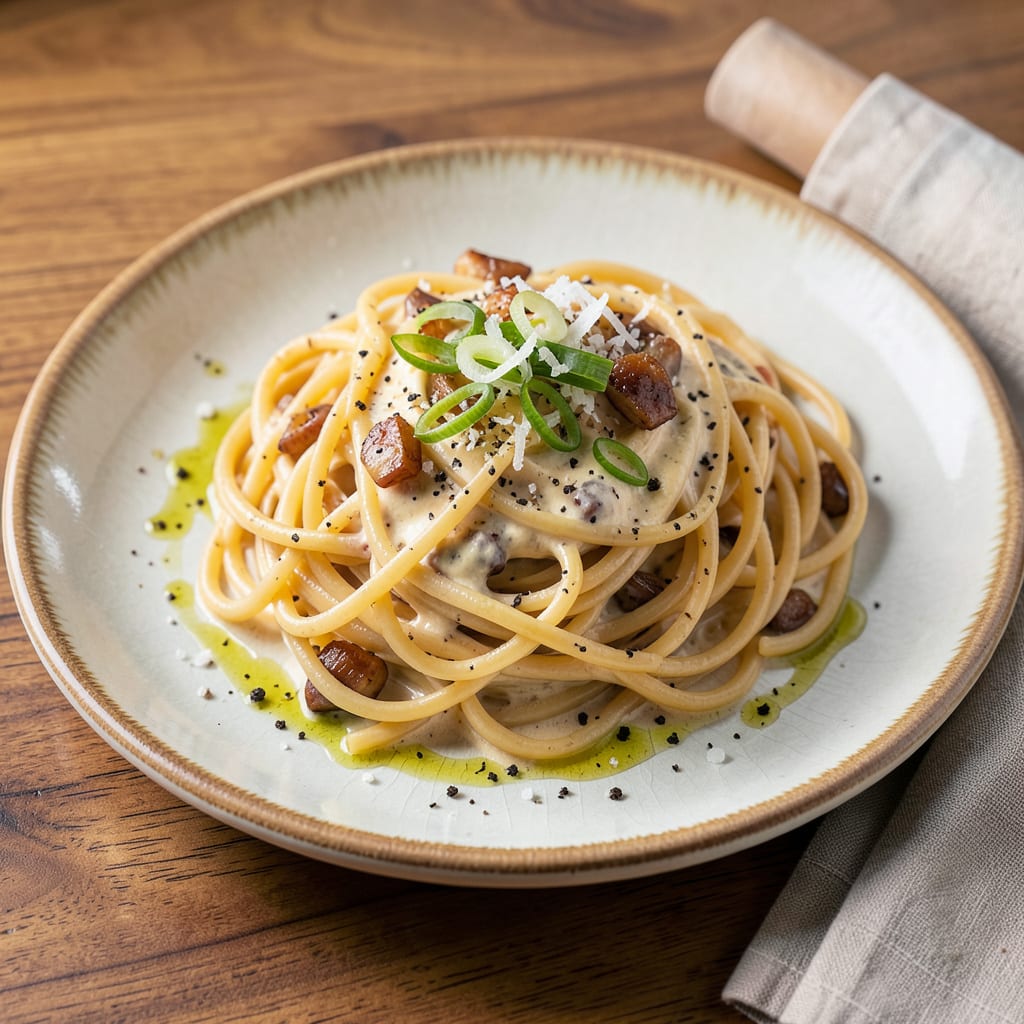
I’ll admit it—I was skeptical the first time I heard about putting mayo in spaghetti. But after testing this creamy, comforting twist on classic pasta, I’m a full convert. This isn’t some weird kitchen hack; it’s a legit technique that creates the silkiest, most indulgent sauce with barely any effort.
Here’s the thing—mayo brings richness and body to the sauce without the fuss of traditional cream-based methods. You boil your pasta, stir in some mayo while it’s still hot, and watch as it transforms into this velvety coating that clings to every strand. I like to add a splash of pasta water to loosen it just right, plus garlic and parmesan for extra depth.
What you end up with is the ultimate comfort food: creamy spaghetti that’s ready in about 20 minutes, with a sauce so luscious you’ll swear it took hours. It’s got that familiar, nostalgic quality of classic spaghetti but with a richness that makes it feel special. My kids ask for this weekly, and I never get tired of making it.
Best part? This recipe is endlessly adaptable. Keep it simple with just mayo and parmesan, or jazz it up with crispy bacon, fresh herbs, or a kick of red pepper flakes. It’s the kind of dish that works for busy weeknights or when you need comfort food, stat.
📚 In This Guide
- What You’ll Need
- Instructions
- Tips and Common Mistakes
What Youll Need
- ● Spaghetti: 12 oz (340g) of dried spaghetti noodles (or 1 lb for extra servings) 🍝
- ● Mayonnaise: ½ cup (120g) of full-fat mayonnaise (like Hellmann’s or Duke’s for best texture)
- ● Garlic: 3 cloves, minced (or 1 tsp garlic powder for convenience)
- ● Parmesan cheese: ½ cup (50g) freshly grated (plus extra for garnish)
- ● Butter: 2 tbsp (30g) unsalted (or olive oil for a lighter touch)
- ● Pasta water: ½ cup (120ml) reserved from cooking (key for creaminess!)
- ● Salt: 1 tbsp for pasta water + to taste
- ● Black pepper: ½ tsp freshly ground (or to taste)
- ● Lemon zest: ½ tsp (brightens the flavor)
- ● Red pepper flakes: ¼ tsp (for a subtle kick)
- ● Fresh parsley: 2 tbsp chopped (for garnish)
- ● Protein: 1 cup cooked chicken, shrimp, or bacon bits (for extra heartiness)
- ● Large pot for boiling pasta
- ● Colander for draining
- ● Large skillet or deep pan (for mixing)
- ● Wooden spoon or tongs (to toss evenly)
- ● Microplane or grater (for cheese/lemon zest)
- ● Measuring cups/spoons (precision matters!)
Instructions for Creamy Mayo Spaghetti
This comforting twist on classic pasta comes together faster than you might expect—let me show you how.
Cook the Spaghetti to Al Dente Perfection
Bring a large pot of water to a rolling boil and add enough salt to make it taste like the sea. I use about 1 tablespoon of salt for every 4 quarts of water. This isn’t just for flavor—it actually helps the pasta cook more evenly and gives it that perfect bite.
Add your spaghetti and cook for 1 minute less than the package instructions suggest. You want it slightly underdone because it’ll finish cooking when we combine it with the mayo sauce. Stir occasionally to prevent sticking, and start checking for doneness at the 8-minute mark by fishing out a strand and tasting it.
Before draining, reserve 1 cup of pasta water—this starchy liquid will be your secret weapon for creating a silky sauce. Drain the spaghetti but don’t rinse it; we want that surface starch to help the sauce cling beautifully to every strand.
Create the Creamy Mayo Base
While the pasta cooks, prepare your mayo sauce. In a large bowl, whisk together ½ cup of mayonnaise with ¼ cup of grated Parmesan cheese, 1 minced garlic clove, and ½ teaspoon of black pepper. The mayo should be smooth and well-incorporated with no lumps.
Here’s the thing—I know mayo in pasta sounds unusual, but trust me on this. The mayo creates an incredibly creamy, velvety sauce that clings to the pasta better than heavy cream. It also won’t separate or curdle like some dairy-based sauces can. For extra richness, I sometimes add 1 tablespoon of butter to the mixture.
If you’re worried about the mayo being too strong, don’t be. Once combined with the hot pasta and pasta water, it transforms into something much more subtle and sophisticated. The key is using good-quality mayo—this isn’t the time for the bargain brand.
Combine Pasta and Sauce for Creamy Bliss
Immediately after draining the pasta, add it to the bowl with your mayo mixture. The heat from the pasta will gently warm the mayo, making it easier to incorporate. Toss everything together vigorously, adding splashes of the reserved pasta water 1 tablespoon at a time until the sauce coats the spaghetti beautifully.
You’ll notice the sauce starts to emulsify and become glossy—this is exactly what we want. The pasta water helps create that perfect creamy consistency that clings to each strand. I usually end up using about ½ cup of pasta water, but you might need slightly more or less depending on your pasta brand.
Keep tossing for at least 2 minutes—this isn’t just mixing, it’s actually cooking the sauce. The heat from the pasta will gently cook the garlic and melt the cheese, creating a cohesive, luxurious sauce. You’ll know it’s ready when every strand of spaghetti is evenly coated and the sauce has a silky sheen.
Finish and Serve for Maximum Comfort
Taste your creation and adjust the seasoning if needed. I often find it needs just a pinch more salt or a crack of black pepper at this stage. For extra depth of flavor, you can stir in 1 tablespoon of lemon juice—this brightens up the richness of the mayo and adds a subtle tang that balances the dish beautifully.
Divide the creamy spaghetti among warmed plates and garnish with additional grated Parmesan and freshly cracked black pepper. The dish should look glossy and inviting, with the sauce clinging perfectly to each strand. For a pop of color and freshness, I like to add a sprinkle of chopped parsley or a few red pepper flakes for heat.
Serve immediately while hot and creamy. This dish doesn’t wait well—it’s at its absolute best right after cooking when the sauce is at its silkiest. Pair it with a simple green salad and some crusty bread to soak up every last bit of that delicious sauce. The first bite should deliver that perfect balance of creamy comfort with the familiar satisfaction of classic spaghetti.
Tips and Common Mistakes
This dish comes together quickly, but a few key details make all the difference between good and extraordinary.
Pasta Water Wisdom: That 1 cup of reserved pasta water in Step 1 is your insurance policy. I always measure it immediately after draining—don’t wait until you need it. The starch in this water is what transforms the mayo from a simple condiment into a velvety sauce that clings perfectly to each strand. When adding it in Step 3, go slowly with those 1 tablespoon increments; you can always add more, but you can’t take it out once it’s in.
The Mayo Quality Factor: I can’t stress this enough—the ½ cup of mayonnaise in Step 2 must be full-fat, high-quality mayo. This isn’t the place for low-fat or bargain brands. The fat content is what creates that luxurious mouthfeel, and better-quality mayo has a cleaner flavor that won’t overpower the dish. I’ve found that mayo with olive oil works particularly well here, adding a subtle depth to the sauce.
Timing Secret: Those 2 minutes of tossing in Step 3 are crucial. This isn’t just mixing—it’s actually cooking the sauce. The heat from the pasta gently warms the mayo, allowing the garlic to mellow and the Parmesan to melt completely. Set a timer and keep tossing vigorously until every strand is coated and the sauce develops that telltale silky sheen. You’ll notice the texture change from separate ingredients to a cohesive, creamy sauce right before your eyes.
Serving Strategy: This dish waits for no one. The sauce is at its absolute peak immediately after cooking when it’s still hot and silky. If you must hold it, keep it in the pot off the heat for no more than 5 minutes—any longer and the sauce will start to thicken and lose its perfect consistency. Have your plates warmed and ready to go before you even start combining the pasta and sauce in Step 3.
Pro Tips for Mayo In Spaghetti
- This dish comes together quickly, but a few key details make all the difference between good and extraordinary.
- Pasta Water Wisdom: That 1 cup of reserved pasta water in Step 1 is your insurance policy. I always measure it immedi…
- The Mayo Quality Factor: I can’t stress this enough—the ½ cup of mayonnaise in Step 2 must be full-fat, high-quality …
Frequently Asked Questions
Can I use mayo in spaghetti instead of cream or butter?
Mayo adds a rich, creamy texture similar to heavy cream or butter but with a tangy twist. Use 1-2 tablespoons per serving and mix it in off-heat to prevent curdling. It’s a quick, pantry-friendly swap for extra decadence without the dairy!
When’s the best time to add mayo to spaghetti?
Add mayo after cooking the pasta and draining it. Toss it with the hot noodles first (before sauce) to coat evenly, or stir it into your sauce at the very end over low heat. High heat can cause mayo to separate or turn oily.
What’s a good mayo substitute if I don’t have any?
Try these swaps for creaminess:
- Greek yogurt (tangy, lighter)
- Sour cream (rich, slightly thicker)
- Olive oil + lemon juice (for a silky, non-dairy option)
Why did my spaghetti sauce break after adding mayo?
Mayo can separate if exposed to high heat or acidic ingredients (like tomato sauce) too quickly. Fix it by:
- Tempering mayo with a splash of warm pasta water first.
- Stirring vigorously over low heat to re-emulsify.
Does mayo spaghetti taste like mayo?
Not if done right! When balanced with garlic, cheese, or tomato sauce, mayo blends into a smooth, velvety background note—no gloppy sandwich vibes. Start with 1 tbsp per serving and adjust to taste. Pro tip: Roasted garlic or Parmesan masks any mayo tang beautifully!
So there you have it—mayo in spaghetti isn’t just a quirky hack, it’s a game-changer for creamy, rich pasta without the fuss! 🎉 Whether you’re short on time, craving extra comfort, or just love experimenting, this twist proves that sometimes the simplest swaps make the biggest difference. Ready to give it a try?
Grab your ingredients, trust the process, and let your taste buds be the judge. And if you love this, why not explore other unexpected pasta upgrades? Your next culinary adventure is just a bowl away! 🍝✨

Trained in classic French technique but raised on slow-cooked ribs and spicy rubs, she blends culinary skill with smoke and soul.
- Recipe For Leftover Fried Fish: Crunchy Leftovers Transformed - October 3, 2026
- Recipe for Crock Pot Swiss Steak: Slow-Cooked Beef With Mushroom Gravy - October 3, 2026
- Recipe for Kabsa Rice: Spiced Middle Eastern Feast in One Pot - October 3, 2026