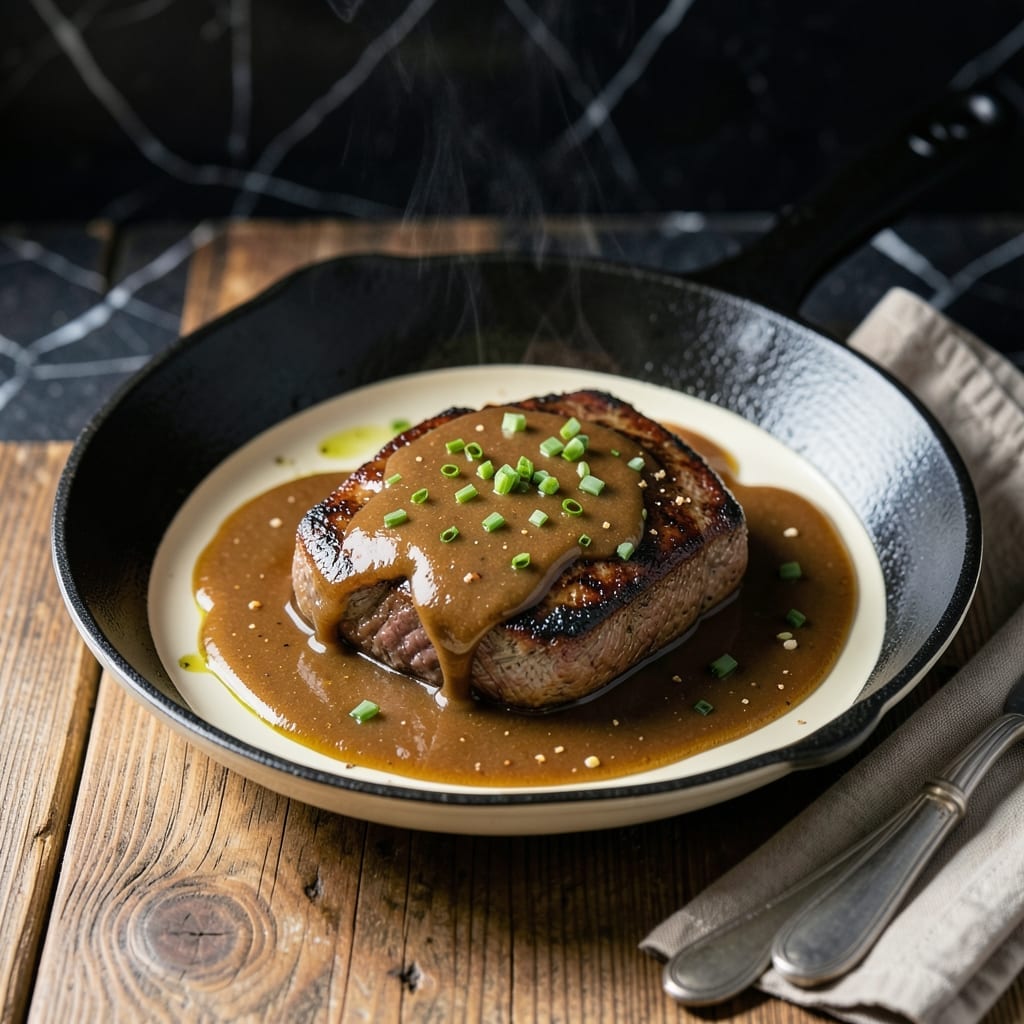
There’s an art to crafting a smooth gravy that elevates any meal from good to unforgettable. This blend delivers a rich foundation for your favorite dishes without the lumpiness or artificial aftertaste of store-bought versions.
I developed this method after years of refining my French training to work with classic American flavors. The key is patience—letting the roux develop properly and whisking constantly to achieve that perfect velvet texture.
What you’ll end up with is a savory sauce that pours beautifully over mashed potatoes, roast beef, or biscuits. It’s the kind of homemade touch that makes everyday meals feel special.
The best part? It keeps well in the fridge for up to a week, so you can make a batch ahead. Here’s how to master this essential kitchen skill.
Ingredients for Mccormick Brown Gravy
Nine simple ingredients for a velvety, lump-free gravy that beats any packet.
| Ingredient | Amount | Notes |
|---|---|---|
| Unsalted Butter 🧈 | 4 tbsp | For rich, golden roux |
| All-Purpose Flour 🌾 | 3 tbsp | Equal parts with butter |
| Beef Stock 🥩 | 2 cups | Low-sodium preferred for control |
| Onion Powder 🧅 | 1 tsp | For depth of flavor |
| Garlic Powder 🧄 | 1 tsp | Balances savory notes |
| Worcestershire Sauce 💧 | 1 tbsp | Adds umami complexity |
| Black Pepper 🌶️ | ½ tsp | Freshly ground for best flavor |
| Kosher Salt 🧂 | ½ tsp | Adjust to taste after simmering |
| Dried Thyme 🌿 | ¼ tsp | Earthy herb complement |
[recipe_ingredient_scaler]
The stock is the backbone here. Low-sodium beef stock from Trader Joe’s or Whole Foods lets you control the seasoning. I always keep a few cartons in the pantry for moments like this. Unsalted butter is non-negotiable—salted can throw off the balance. Kerrygold is my go-to for that rich, creamy base, but any good-quality butter will do.
Short on Worcestershire? A splash of soy sauce plus a pinch of sugar mimics the depth. No thyme? Dried rosemary at half the amount works in a pinch. For a gluten-free version, swap all-purpose flour for rice flour—same ratio, same technique. The onion and garlic powders are the flavor powerhouse here, so don’t skip them (fresh won’t dissolve the same way).
Gravy thickens as it cools, so thin with a little stock if needed. Stores in the fridge for 5-7 days or freezes for 3 months. I like to freeze in ice cube trays—perfect for quick pan sauces later.
Why You’ll Love This Recipe
- 5-Minute Gravy: I melt the butter, whisk in flour, and let the beef stock do the rest. Honestly, it’s faster than opening a packet.
- Rich and Savory: The onion and garlic powders bloom in the butter, giving that deep, meaty flavor without a single chop.
- Pairs With Everything: I’ve drizzled this over mashed potatoes, turkey, even meatloaf. Between us, it’s my Sunday dinner secret.
- Budget Stretcher: A handful of pantry staples and a quart of stock make enough to feed the whole table—no fancy ingredients needed.
Step-by-Step Instructions for Brown Gravy
Transform simple ingredients into a velvety, restaurant-quality sauce with this tested approach.
Step 1: Create a Golden Roux Base
Melt the 4 tbsp unsalted butter in a heavy saucepan over medium heat. As it begins to foam, whisk in the 3 tbsp all-purpose flour all at once. The mixture will thicken immediately into a paste.
Cook for 2-3 minutes, stirring constantly with a wooden spoon, until the roux turns a rich golden brown. This color development is crucial—it removes the raw flour taste and builds the foundation for your gravy’s deep, nutty flavor. Don’t rush this step; a pale roux means bland gravy.
Step 2: Build Flavor with Aromatics and Liquid
Gradually whisk in the 2 cups beef stock, starting with just a splash to prevent lumps. I add it in ¼ cup increments, ensuring each addition is fully incorporated before adding more. The mixture will thicken as it comes to a simmer.
Once smooth, stir in the 1 tsp onion powder, 1 tsp garlic powder, 1 tbsp Worcestershire sauce, 0.5 tsp black pepper, and 0.25 tsp dried thyme. These seasonings should bloom in the hot liquid, filling your kitchen with a rich, savory aroma within 30 seconds.
Step 3: Simmer to Perfect Consistency
Bring the mixture to a gentle boil, then reduce heat to medium-low. Let it simmer for 8-10 minutes, stirring occasionally, until the gravy coats the back of a spoon and leaves a clear path when you run your finger through it.
The gravy will thicken as it cooks and the flavors meld. If it becomes too thick, thin with a splash of warm water. Taste and adjust seasoning with the 0.5 tsp kosher salt—remember that low-sodium beef stock lets you control the saltiness precisely.
Step 4: Strain and Serve
For ultra-smooth results, pour the gravy through a fine-mesh strainer into a clean saucepan or gravy boat. This removes any potential lumps or bits of thyme, ensuring that silky texture that makes this sauce special.
Keep the gravy warm over low heat until ready to serve. If it thickens too much as it sits, whisk in a tablespoon or two of warm water. The finished product should cascade smoothly from a spoon, with a deep brown color and rich, complex flavor that elevates any meal.
Pro Tips For Making Mccormick Brown Gravy
- Brown the Flour: Cook the butter-flour roux for a full 3-4 minutes until it turns a light golden brown—I learned this the hard way after my first few batches tasted raw and pasty.
- Use Room-Temp Stock: Pouring cold beef stock into hot roux causes lumps. Let it sit out for 10 minutes or microwave it briefly to match temperatures.
- Whisk Constantly: The second you add stock, whisk like you mean it. I skipped this once and spent 10 minutes trying to break up flour clumps.
- Bloom the Powders: Toast the onion and garlic powders in the butter for 30 seconds before adding flour—sounds weird, but it actually changes the outcome, giving the gravy a deeper, more complex flavor.
Common Mistakes When Making This Dish
Roux Too Pale
Don’t rush the roux—it needs 2-3 minutes of constant whisking over medium heat to develop that golden color. A pale roux tastes raw and floury. I learned this the hard way when my first gravy had that unmistakable raw flour taste. 🔥
Lumpy Gravy
Add your beef stock gradually, starting with just ¼ cup at a time while whisking vigorously. This prevents the dreaded lumps that ruin the texture. A heavy saucepan helps distribute heat evenly.
Thin Consistency
If your gravy is too thin, simmer it for an additional 3-5 minutes. The roux needs time to fully thicken the liquid. Remember, it will thicken more as it cools, so don’t over-reduce during cooking.
Over-Seasoning Early
Wait until the end to adjust salt—I use low-sodium beef stock so I can control the seasoning precisely. Taste after simmering, then add kosher salt in ¼ tsp increments until perfect. The Worcestershire already adds saltiness.
Skipping the Strain
For that ultra-smooth texture, always strain through a fine-mesh sieve. This catches any bits of thyme or potential lumps. It’s the professional touch that makes your gravy restaurant-quality.
Burnt Bottom
Use a heavy-bottomed saucepan and maintain medium-low heat once the gravy thickens. Stir frequently, especially at the edges where it can catch and burn. This is where that French training comes in handy. 💡
Nutrition Facts
Frequently Asked Questions
Can I use chicken stock instead of beef?
Yes, but it will create a lighter flavor. For best results, use low-sodium chicken stock and add an extra ½ tsp Worcestershire sauce to deepen the taste.
How do I fix gravy that’s too thick?
Whisk in warm water or stock 1 tbsp at a time until it reaches your desired consistency. Remember it thickens as it cools, so go slowly.
What’s the best way to reheat leftover gravy?
Gently warm in a saucepan over low heat, stirring often. Add a splash of water if needed. Avoid microwaving, as it can cause separation.
Can I make this gluten-free?
Substitute the all-purpose flour with rice flour or cornstarch (use 2 tbsp for the same thickening power). Cook the roux for 1 extra minute to remove any raw taste.

Trained in classic French technique but raised on slow-cooked ribs and spicy rubs, she blends culinary skill with smoke and soul.
- Recipe for Boneless Pork Chops in Cast Iron Skillet: Sear and Baste to Juicy Perfection - October 3, 2026
- Recipe for Boneless Cross Rib Roast: Slow-Roasted Beef with Herb Crust - October 3, 2026
- Hamburgers in Sauce Recipe Crock Pot: Slow-Cooked Savory Delight - October 3, 2026