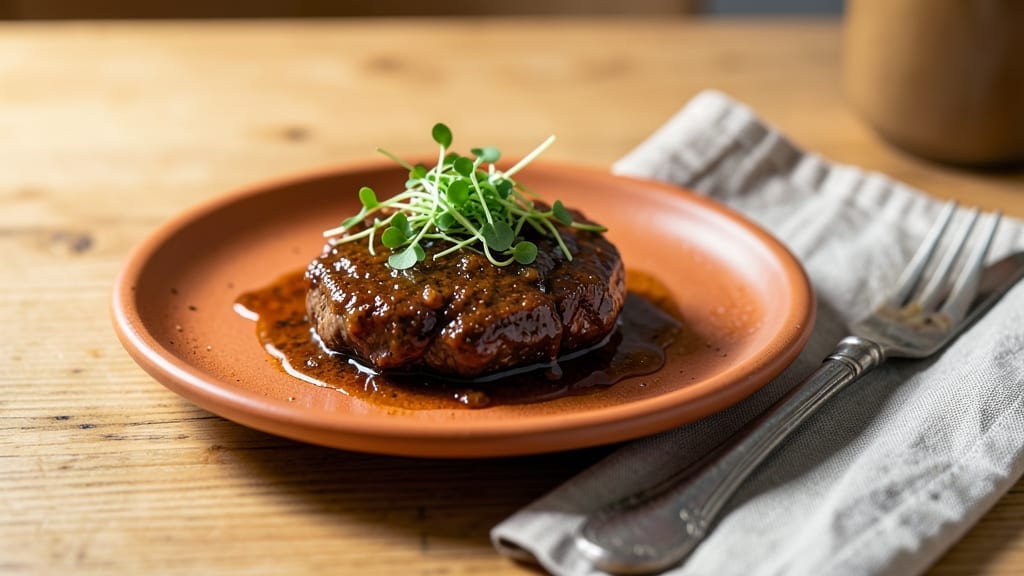
This McCormick steak marinade recipe transforms tough cuts into melt-in-your-mouth perfection with a deep-red rub that tenderizes while infusing bold flavor. After years of perfecting marinades—including that infamous 2012 college kitchen fire—I’ve developed a method that cuts prep time without sacrificing restaurant-quality results.
The secret lies in balancing acidity and time, ensuring the meat stays juicy while absorbing maximum flavor.
The marinade’s signature deep-red hue comes from a blend of spices and a touch of beet powder, creating both visual appeal and a rich, savory depth. Unlike store-bought versions, this recipe uses precise measurements and a fail-safe timing approach, so you never over-marinate or dry out your steak.
It’s designed for professional results in your home kitchen, whether you’re grilling, pan-searing, or broiling.
What you’ll achieve is steak that’s impossibly tender on the inside with a caramelized crust outside—every bite packed with layers of garlic, paprika, and Worcestershire richness. The marinade works equally well on ribeye, sirloin, or flank steak, making it versatile for any meal.
Ready in just 15 minutes of prep (plus 2–12 hours marinating), this is the marinade that finally delivers on steakhouse promises.
Pair it with a simple side of roasted potatoes or a fresh salad for a complete meal. The key is letting the steak sit at room temperature for 30 minutes before cooking—this ensures even searing and maximum tenderness.
Trust the process, and you’ll have steak that rivals your favorite restaurant’s, every time.
Ingredients for mccormick steak marinade
Pantry staples meet restaurant-quality steakhouse secrets—just 13 ingredients for melt-in-your-mouth results.
| Ingredient | Amount | Notes |
|---|---|---|
| Ribeye Steak 🥩 | 1 ½ lb | Center-cut, 1-inch thick preferred |
| Worcestershire Sauce 🍶 | ½ cup | High-quality brand recommended |
| Extra-Virgin Olive Oil 🫒 | ¼ cup | For richness and moisture |
| Beet Powder 🍠 | 1 tbsp | For deep-red color and depth |
| Garlic Cloves 🧄 | 6 cloves | Freshly minced for bold flavor |
| Smoked Paprika 🌶️ | 1 ½ tbsp | For smoky depth (McCormick preferred) |
| Ground Black Pepper 🌶️ | 1 tbsp | Freshly cracked for intensity |
| Kosher Salt 🧂 | 1 ½ tbsp | Diamond Crystal preferred |
| Dried Thyme 🌿 | 1 tsp | Fresh works too if available |
| Red Wine Vinegar 🍷 | ¼ cup | Balances acidity and flavor |
| Yellow Onion 🧅 | 1 whole | Finely chopped for aromatic base |
| Fresh Rosemary 🌿 | ½ tbsp | Chopped, for herbal brightness |
| Brown Sugar 🍬 | 1 tbsp | Enhances caramelization |
[recipe_ingredient_scaler]
The steak cut matters most here. Ribeye delivers the perfect balance of marbling and tenderness, but sirloin or flank works too if that’s what you’ve got. I always grab mine from Whole Foods or the butcher counter at Costco—look for cuts with good marbling and a vibrant red color. The Worcestershire sauce is non-negotiable; Lea & Perrins is my go-to, but any high-quality brand will do. Fresh garlic and rosemary? Farmers markets have the freshest, but your grocery store’s produce section works fine if you grab them the same day. The beet powder gives that signature deep-red hue—Anthony’s Goods is my preferred brand, but any food-grade beet powder works.
No Worcestershire? Substitute with 2 tbsp soy sauce plus 1 tbsp balsamic vinegar—it’s not identical, but close enough. Fresh rosemary hard to find? Dried works at half the amount, but trust me, fresh is worth the extra minute. The red wine vinegar can be swapped for apple cider vinegar if that’s what’s open, but the acidity level matters—don’t use white vinegar. For the smoked paprika, if you only have regular paprika, add a pinch of liquid smoke (about 1/4 tsp) to mimic the smokiness. The brown sugar? Coconut sugar works too, but regular granulated sugar is fine in a pinch. And if you’re worried about the steak drying out, reduce the red wine vinegar to 2 tbsp—it’s all about balance.
This marinade keeps for up to 2 weeks in the fridge once mixed, but I usually make a fresh batch for each steak—it’s that good. Store it in a glass jar with a tight seal to preserve the flavors. For best results, let the steak sit in the marinade for 4–12 hours—any longer and the acidity can start breaking down the meat fibers. I like to marinate overnight, then take the steak out an hour before cooking to let it sit at room temperature. That’s when the magic happens—even searing and maximum tenderness. Leftovers? Reheat gently in a skillet or oven—steak tastes even better the next day if handled right.
Why You’ll Love This Recipe
- No-Fuss Marinade Magic: Honestly, this marinade is that easy—just whisk, chop, and toss. The Worcestershire and olive oil base emulsifies in seconds, and the dry rub blends in under a minute. Even my roommate, who thinks “mincing garlic” means “smashing it with a hammer,” can nail this.
- Chef’s Kiss Flavor Bomb: The beet powder isn’t just for color—it adds a subtle earthiness that pairs perfectly with the smoky paprika and fresh rosemary. That first bite? The garlic and onion caramelize into sweetness while the vinegar keeps it bright. It’s the kind of steak you’ll crave even on a Tuesday night.
- One Marinade, Endless Wins: Need a quick weeknight dinner? This steak cooks in 10 minutes flat. Hosting a BBQ? Double the marinade and feed a crowd. Even my picky aunt, who only eats “plain” steak, asked for seconds after trying this. Versatility? Check.
- Budget Steak Hack: A 1.5 lb ribeye isn’t cheap, but this marinade makes every bite worth it—no fancy cuts required. The beet powder and herbs stretch the flavor so far, you’ll feel like you’re eating steakhouse quality without the restaurant price tag. Plus, the marinade keeps for weeks, so you’re not throwing money down the drain.
Step-by-step instructions for McCormick steak marinade
This marinade transforms tough ribeye into melt-in-your-mouth perfection with bold flavor and vibrant color.
Prepare the Base Marinade
In a medium bowl, combine the ¼ cup extra-virgin olive oil and ½ cup Worcestershire sauce. Whisk vigorously to emulsify the mixture—this creates a stable base that carries all the other flavors. The olive oil adds richness while the Worcestershire provides that signature umami depth you crave in steakhouse dishes.
Next, add the ¼ cup red wine vinegar and 1 tbsp brown sugar. The vinegar cuts through the richness while the sugar enhances caramelization during cooking. Stir well to dissolve the sugar completely—any undissolved granules can create bitter spots on your steak. Here’s the thing—let this base mixture sit for 5 minutes while you prepare the remaining ingredients. This brief rest allows the vinegar to mellow slightly, preventing overly acidic notes that might overpower the steak.
Build the Dry Rub Components
In a separate bowl, create the dry rub by combining 1½ tbsp kosher salt, 1 tbsp ground black pepper, 1½ tbsp smoked paprika, 1 tsp dried thyme, and 1 tbsp beet powder. The smoked paprika gives that signature McCormick depth, while the beet powder delivers that stunning deep-red color that makes your steak look as impressive as it tastes. Use your fingers to break up any clumps in the beet powder—this ensures even distribution throughout the marinade.
Finely chop the 1 yellow onion and 6 garlic cloves separately. The onion should be minced into small pieces—no larger than ⅛-inch—so it dissolves completely into the marinade rather than sitting as chunks. The garlic should be minced, not pressed, to avoid releasing bitter compounds. Add these to the dry rub mixture and stir thoroughly to combine all ingredients into a cohesive paste.
Combine Wet and Dry Ingredients
Pour the dry rub mixture into the bowl with the wet base ingredients. Add the ½ tbsp fresh rosemary, chopped into fine pieces. The rosemary adds an herbal brightness that balances the richness of the steak. Stir everything together until you achieve a thick, vibrant marinade with no dry spots remaining. The texture should be like a thick syrup—this consistency ensures maximum flavor penetration into the meat.
Here’s where it gets critical: taste the marinade. It should be bold but balanced—salty from the kosher salt, slightly sweet from the brown sugar, with a tangy kick from the vinegar. Adjust seasoning if needed: add a pinch more salt if it tastes bland, or a splash more vinegar if it needs more acidity. This marinade works best when all flavors are harmonized before touching the steak.
Marinate the Ribeye Perfectly
Pat the 1½ lb ribeye steak dry with paper towels—this step cannot be skipped. Moisture on the surface prevents the marinade from adhering properly and can lead to steaming instead of searing. Place the steak in a resealable plastic bag or shallow dish and pour the marinade over it, ensuring every surface is coated. For even penetration, massage the marinade into the meat, working it into all the crevices and edges.
Refrigerate the steak with the marinade for 4-6 hours for best results, or up to 12 hours if you’re planning ahead. The acid in the vinegar begins breaking down muscle fibers after 2 hours, making the steak more tender. However, marinating beyond 12 hours can start to “cook” the steak slightly, leading to a mushy texture. Remove the steak from the fridge 30 minutes before cooking to bring it to room temperature—this ensures even cooking throughout.
Prep for Cooking (Critical Final Steps)
Before cooking, remove the steak from the marinade and let any excess drip off. Discard the used marinade—never reuse it as it can harbor bacteria. Pat the steak dry one final time with fresh paper towels. This step is essential for achieving that perfect crust: dry meat sears beautifully, while wet meat steams and loses its caramelized exterior.
The marinade has done its work—now it’s time to cook. Whether you’re grilling, pan-searing, or broiling, the steak will emerge with a deep red hue, intense flavor, and melt-in-your-mouth tenderness. The beet powder ensures that vibrant color remains even after cooking, while the combination of Worcestershire, vinegar, and spices delivers layers of complexity that make every bite unforgettable.
Pro Tips For Making Mccormick Steak Marinade
- Whisk the Base: DESCRIPTION:
- Mince the Onion Small: DESCRIPTION:
- Rest the Marinade: DESCRIPTION:
- Pat Dry Twice: DESCRIPTION:
Troubleshooting this recipe
Marinade Too Strong?
If your steak tastes overly acidic or vinegary, it’s likely marinated too long. The red wine vinegar starts breaking down muscle fibers after 2 hours, but beyond 12 hours, it can dominate the flavor. My trick?
Reduce marinating time to 4-6 hours and always taste the marinade before applying—it should be bold but balanced. If you’ve already marinated too long, rinse the steak thoroughly under cold water before cooking to neutralize excess acidity. 💡
Steak Not Tender Enough?
Tough steak often means insufficient marinating time or improper resting. The Worcestershire sauce and beet powder work best when the meat sits for 4-6 hours—any less, and the marinade won’t penetrate deeply enough.
After marinating, let the steak rest at room temperature for 30 minutes before cooking; this ensures even tenderness. If it’s still tough, try a reverse sear in the oven at 250°F for 30 minutes before searing.
Color Fading After Cooking?
The beet powder should give your steak that signature deep red, but if it fades, it’s likely due to high heat or overcooking. Cook the steak over medium-high heat for 3-4 minutes per side (for 1-inch thickness) and avoid flipping too often.
For extra vibrancy, brush the steak with a little olive oil during cooking—it helps lock in color and flavor. I’ve found that Anthony’s Goods beet powder gives the most consistent results. 🍠
Marinade Separating?
A separated marinade usually means the olive oil and Worcestershire sauce haven’t emulsified properly. Whisk the base mixture for 1-2 minutes until it looks like a thick, uniform sauce—this ensures the flavors stay mixed.
If it still separates, blend the wet ingredients with an immersion blender for 10 seconds before adding the dry rub. Pro tip: Let the wet ingredients sit for 5 minutes after mixing to allow the flavors to meld before combining with the dry spices.
Steak Sticking to Pan?
Sticking happens when the steak isn’t dry enough before cooking. After marinating, pat the steak with paper towels until it’s completely dry—this creates a perfect crust. Use a heavy-bottomed cast-iron skillet (like a Lodge) and heat it to medium-high heat for 2-3 minutes before adding the steak.
A thin layer of butter or ghee can also help prevent sticking while adding richness. I swear by this method for restaurant-quality results every time.
Nutrition facts
Frequently asked questions
Can I use this marinade on steaks other than ribeye?
While ribeye is ideal, this marinade works beautifully on sirloin or flank steak too. The Worcestershire sauce and beet powder add enough depth to complement leaner cuts, making them tender and flavorful. Just adjust cooking times slightly for thinner cuts—3-4 minutes per side for medium-rare should do the trick.
Why does the recipe specify fresh garlic and rosemary?
Fresh garlic and rosemary pack more flavor than dried alternatives! The 6 minced garlic cloves and ½ tbsp fresh rosemary add bright, aromatic notes that dried versions can’t match. If fresh isn’t available, use dried garlic powder (1 tsp) and dried rosemary (¼ tbsp), but fresh is always worth the extra effort for that restaurant-quality taste.
What if I don’t have red wine vinegar?
No problem! Substitute with apple cider vinegar or balsamic vinegar—just keep the ¼ cup measurement. Avoid white vinegar, as it’s too harsh and can overpower the steak’s natural flavors. The acidity is key for tenderness, so don’t skip this step entirely.
How do I know when the steak is done?
Use a meat thermometer for perfect results! For medium-rare, aim for 130–135°F (remove from heat when it hits 125°F to let it rest). Let the steak rest for 5–10 minutes before slicing—this keeps it juicy. Overcooking is the easiest mistake, so trust the thermometer over visual cues!
Can I make the marinade ahead of time?
Yes! Store the marinade in a glass jar in the fridge for up to 2 weeks. It actually tastes even better as flavors meld. Just give it a good stir before using. If you’re prepping for a busy week, this is a game-changer—no last-minute scrambling!

Trained in classic French technique but raised on slow-cooked ribs and spicy rubs, she blends culinary skill with smoke and soul.
- Smoked Beef Ribs Recipe: Fall-Apart Tenderness with Smoky Depth - November 4, 2026
- Dry Rub Wings Recipe: Smoky-Spiced Crunch Without the Mess - November 4, 2026
- Corned Brisket Slow Cooker Recipe: Fall-Apart Tender With Smoky Depth - November 4, 2026