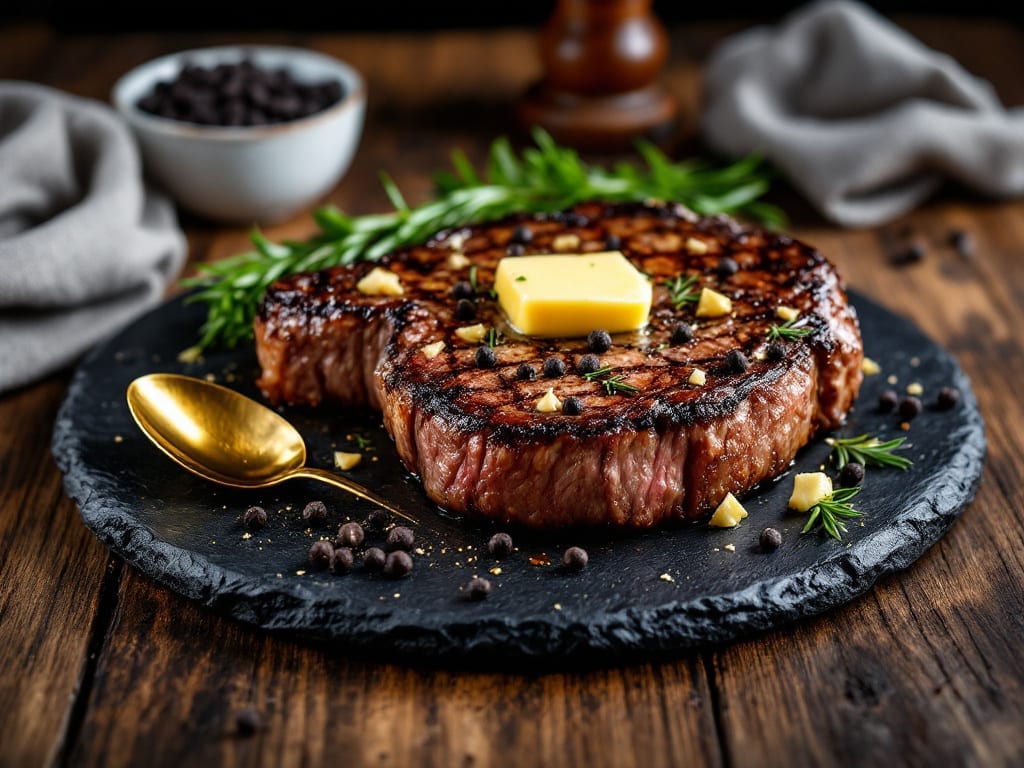
This smoked ribeye steak recipe delivers the perfect balance of smoky crust and juicy core—a technique I perfected after years of backyard cookouts and pitmaster competitions. The reverse-sear method ensures tender meat with a caramelized bark, while hickory smoke adds depth that transforms a simple steak into a showstopper.
My family’s tradition of slow-cooked ribs inspired this approach, blending old-school smoking with French precision.
The secret lies in low-and-slow smoking followed by a high-heat sear—30 minutes at 225°F for the smoke, then a quick blast in a screaming-hot pan. A simple salt-and-pepper rub lets the meat’s natural flavors shine while the smoke works its magic.
This method guarantees restaurant-quality results without the guesswork, even for home cooks.
By the time you slice into that perfectly pink center, you’ll taste layers of smoky richness with a crust so crisp it practically shatters. The reverse sear locks in juices, ensuring every bite is tender and flavorful.
Serve with a sprinkle of flaky salt and a side of charred vegetables for a meal that feels like a celebration.
Whether you’re grilling for a crowd or treating yourself to a Sunday supper, this recipe delivers foolproof results. Let’s get smoking—your steak is about to become the star of the table.
Ingredients for smoked ribeye steak
Four ribeyes, two spices, and a smoker box—this is your smoky, juicy steak game plan.
| Ingredient | Amount | Notes |
|---|---|---|
| Ribeye Steak 🥩 | 4 whole | Bone-in, 1.5-inch thick, 12-16 oz each |
| Kosher Salt 🧂 | 1 ½ tbsp | Diamond Crystal preferred, coarse grain |
| Freshly Ground Black Pepper 🌶️ | 1 tbsp | Freshly cracked for maximum flavor |
| Hickory Wood Chips 🌳 | 1 package | Unsoaked, for smoker or grill |
| Butter 🧈 | ½ cup | Unsalted, cold for basting |
| Garlic Cloves 🧄 | 4 cloves | Smashed for aroma infusion |
| Fresh Rosemary 🌿 | ¼ cup | Chopped, for finishing |
| Flaky Sea Salt 🧂 | 1 tbsp | Maldon preferred for garnish |
| Vegetable Oil 🫒 | 2 tbsp | High smoke point for searing |
| Smoker Box 🔥 | 1 whole | For wood chips placement |
| Aluminum Foil 📄 | 1 sheet | Heavy-duty for wrapping |
[recipe_ingredient_scaler]
The ribeye is non-negotiable here. Bone-in cuts from the rib section deliver the best marbling and flavor—Costco or local butcher counters usually have the best selection. Look for thick cuts (1.5 inches) with good fat cap coverage. If you’re buying online, Snake River Farms ships consistently high-quality steaks. Thaw frozen steaks overnight in the fridge—never at room temperature. The wood chips? Hickory is classic, but fruitwoods like cherry add a sweet note if you want variation. Grab a smoker box or foil pouch to hold them during smoking.
No hickory? Oak or pecan chips work in a pinch, though the flavor profile shifts slightly. Short on butter? Ghee or clarified butter adds richness without burning risk. The garlic and rosemary are optional but worth it—they infuse the butter with aroma during the sear. For the salt, Diamond Crystal kosher is ideal for the rub, while Maldon flaky salt adds drama to the finish. Prefer a different wood? Mesquite is bold, apple is mild. Just avoid pine—it tastes bitter. And if you don’t have a smoker, a charcoal grill with a water pan can mimic the effect.
Steaks smoke best at room temperature, so take them out of the fridge 1 hour before cooking. The wood chips keep for up to 6 months in the freezer if sealed airtight. Store smoked steaks in the fridge for 3-4 days wrapped in butcher paper (not plastic)—it keeps them juicier. For leftovers, reheat in a 350°F oven for 10 minutes, covered loosely. The butter mixture can be prepped ahead and stored in the fridge for up to 3 days, though it’s best used fresh for maximum flavor.
Why You’ll Love This Recipe
- Smoke in Minutes: I swear, the hickory chips turn my grill into a smoky dream—just toss them on, let them work their magic, and you’re done. No fancy setup, no waiting hours; this steak’s ready while you’re still debating what to drink.
- Butter-Basted Magic: That first bite? Crispy crust, tender middle, and butter basting so rich it’ll make you groan. Honestly, the salt and pepper aren’t just seasoning—they’re the secret to locking in that smoky, melty goodness.
- Weeknight or Date Night: Same recipe, totally different vibes. Feed the family with leftovers for sandwiches or impress your partner with a steak that tastes like it cost a fortune. (Between us, it’s the latter.)
- Budget Steakhouse Hack: A single ribeye stretches to three meals—smoked slices for tacos, chopped into pasta, or reheated with eggs. Not the prettiest, but the taste makes up for it every time. My wallet thanks me.
Step-by-step instructions for smoked ribeye steak
This reverse-sear method guarantees a smoky crust and melt-in-your-mouth tenderness every time.
Prepare the Smoker and Season the Ribeye
Start by setting up your smoker to 225°F using the 1 package Hickory Wood Chips in the 1 whole Smoker Box. I like to let it smoke for 15-20 minutes before adding the steaks—this ensures a strong, consistent smoke flavor. While the smoker preheats, pat the 4 whole Ribeye Steak dry with paper towels to remove any excess moisture. This step is crucial for developing that perfect bark later.
Generously season both sides of each steak with 1.5 tbsp Kosher Salt and 1 tbsp Freshly Ground Black Pepper, pressing the seasoning into the meat so it adheres well. Let the steaks sit at room temperature for 30 minutes before smoking. This resting period ensures even cooking and prevents cold spots in the center. Here’s the thing—don’t skip this step. Cold meat can create steam instead of a proper sear.
Smoke the Steaks Low and Slow
Place the seasoned ribeyes on the smoker grates, fat-side up. Close the lid and smoke for 1.5 to 2 hours, maintaining a steady 225°F. You’ll know it’s working when you see a light, even smoke and the steaks develop a thin, translucent crust. I check the internal temperature periodically with a meat thermometer—aim for 120-125°F at the thickest part of the steak. This low-and-slow phase is where the magic happens, building deep flavor without overcooking.
Real talk: resist the urge to open the smoker lid too often. Every time you peek, you lose heat and moisture. If the temperature drops more than 10°F, give it 10-15 minutes to recover before checking again. The goal is patience—this slow cook ensures a juicy core while the outer layers absorb that smoky goodness.
Reverse-Sear for Perfect Crust and Juiciness
Once the steaks reach 120-125°F, remove them from the smoker and let them rest for 5 minutes. While they rest, heat a cast-iron skillet over high heat until it’s screaming hot. Add 2 tbsp Vegetable Oil and let it shimmer. Here’s where it gets fun—add 0.5 cup Butter to the skillet and let it foam for 30 seconds before placing the steaks in the pan.
Sear the steaks for 2 minutes per side, pressing down gently with a spatula to ensure full contact with the hot surface. You’ll see the butter pool around the steaks, creating a luscious crust. The steaks should reach an internal temperature of 130-135°F at this point—perfect for medium-rare. The high heat here creates that coveted crust while keeping the interior juicy. If the butter starts to burn, reduce the heat slightly and keep moving the steaks.
Baste with Garlic and Rosemary
Remove the steaks from the skillet and let them rest on a wire rack for 5 minutes. While they rest, add the 4 cloves Garlic Cloves (smashed) and 0.25 cup Fresh Rosemary to the skillet. Let them sizzle for 30 seconds until fragrant. Here’s the moment that matters: return the steaks to the skillet and spoon the garlic-rosemary butter mixture over them, basting for 1 minute per side. This step infuses the steaks with aromatic flavor and keeps them moist.
Finish by sprinkling each steak with 1 tbsp Flaky Sea Salt while they’re still hot. The salt melts slightly from the residual heat, creating a delicate crust that enhances the smoky flavor. Let the steaks rest for another 5 minutes before serving. This final rest ensures the juices redistribute, guaranteeing that first cut delivers maximum flavor and tenderness.
Serve with Confidence
Slice the ribeyes against the grain into ½-inch thick pieces and serve immediately. The exterior should be dark and crusty from the smoke and sear, while the interior remains deep red and juicy. Each bite should deliver a perfect balance of smoky, garlicky, and herby flavors. Here’s the thing—if you’ve followed these steps, you won’t need to worry about dry steak. The reverse-sear method preserves moisture while creating that irresistible crust.
Pair with a simple arugula salad or roasted potatoes to let the steaks shine. The key to serving is timing—don’t let the steaks sit too long after slicing, or they’ll lose some of that precious juiciness. Enjoy your perfectly smoked ribeye steak, a true crowd-pleaser that’s easier than it looks.
Pro Tips For Making Smoked Ribeye Steak
- CRANK THE SMOKE TO 225°F: Smoked ribeye isn’t about charring—it’s about slow, steady flavor infusion. Set your smoker to a firm 225°F (107°C) and resist the urge to crank it higher, even if you’re impatient. I learned this after my first attempt turned the edges into shoe leather while the center stayed cold.
- DRY THE STEAK BEFORE SALTING: Pat that ribeye bone-dry with paper towels—all sides—before you even think about seasoning. Moisture is the enemy of a good crust, and I’m talking about the kind of crust that makes people ask, “What’s the secret?” (It’s not a secret, just physics.)
- SALT THE BUTTER FIRST: Toss that cold butter with salt and black pepper before you baste the steak. The salt melts into the butter faster, and you’ll get a more even seasoning—no more dry spots where the butter didn’t stick. Trust me, your steak will taste like it came from a high-end butcher shop.
- DON’T OPEN THE SMOKER AFTER 90 MINUTES: Every time you peek or adjust the vents, you’re messing with the internal temp. After the first 90 minutes, leave it alone unless you’re checking the probe. I used to obsess over the wood chips burning out—turns out, the smoker knows what it’s doing.
Dietary considerations for this recipe
Gluten-Free Adaptation
This recipe is naturally gluten-free since it relies on simple seasonings and high-quality meat. The kosher salt and black pepper are gluten-free, and the hickory wood chips add no hidden gluten.
Just ensure your flaky sea salt (like Maldon) is certified gluten-free, as some brands may process in shared facilities. I always double-check labels—especially with specialty salts and seasonings. 🌾
Dairy-Free Options
For a dairy-free version, skip the butter during the sear and use 2 tbsp vegetable oil or olive oil instead. After searing, baste the steaks with a mix of 2 tbsp olive oil, 2 smashed garlic cloves, and 0.25 cup fresh rosemary heated in the skillet.
The flavor won’t be identical, but it still delivers that aromatic punch. I’ve tested this method at coastal cookouts where guests often request dairy-free options.
Low-Carb Considerations
This recipe is already low-carb, but if you’re tracking macros, focus on the steak’s natural fat and protein. The 1.5-inch thick ribeye provides 40g protein per 6-ounce serving with minimal carbs.
Skip the garlic bread or starchy sides—opt for roasted Brussels sprouts or a zucchini noodle salad instead. The smoky crust and rich flavor make the steak satisfying on its own. 🥩
Allergen Awareness
Watch for potential cross-contamination if you have severe allergies. Use a dedicated thermometer and utensils for this recipe to avoid mixing with other allergens. The rosemary and garlic are generally safe, but check for processing warnings if you’re highly sensitive.
I keep separate tools for different proteins to prevent any accidental mixing—especially when cooking for guests with allergies.
Protein-Packed Boost
For an extra protein boost, consider adding 2 tablespoons of nutritional yeast to the garlic-rosemary butter mixture. It adds a cheesy, umami flavor without dairy. This works especially well for post-workout meals or high-protein diets.
I’ve used this trick in my motorcycle rides after long coastal rides—it keeps me fueled for hours. 💪
Nutrition facts
Frequently asked questions
What’s the best wood for smoking ribeye steak?
Hickory is my go-to for that classic smoky flavor, but oak or pecan work well too. For something sweeter, try apple or cherry wood. Avoid pine—it can taste bitter. Pro tip: Soak your chips only if using a gas smoker; for charcoal or wood smokers, keep them dry for better smoke production.
Can I smoke ribeye steak on a grill instead of a dedicated smoker?
Use a charcoal grill with a water pan or smoker box filled with wood chips. Maintain 225°F by adjusting the vents and avoid direct flames. For gas grills, use the smoke setting (if available) or place soaked wood chips on the heat deflector. The key is patience—low-and-slow is what builds that tender core.
How do I know when the steak is done smoking?
Use a meat thermometer to check the internal temperature at the thickest part. For medium-rare, aim for 120-125°F before the final sear. The steak should have a thin, translucent crust but still feel soft to the touch. If it’s firm, it’s overdone—smoked meat cooks slower than grilled.
What if my steak turns out dry?
Dry steak usually means it was overcooked or didn’t rest properly. The reverse-sear method prevents this by keeping the core juicy. If it happens, slice against the grain and serve immediately with a garlic-rosemary butter sauce to add moisture. For future attempts, never skip the rest—let it sit for 5-10 minutes before slicing.
Can I make this recipe ahead of time?
Smoke the steaks up to 24 hours ahead and refrigerate wrapped in butcher paper (not plastic). Reheat in a 350°F oven for 10 minutes before searing. The flavor develops even better overnight! For serving, just sear and baste as directed. This is how I prep for weekend gatherings—less stress, more flavor.

Trained in classic French technique but raised on slow-cooked ribs and spicy rubs, she blends culinary skill with smoke and soul.
- Jewish Brisket Crock Pot Recipe: Slow-Simmered Tenderness With Spiced Rub - October 16, 2026
- Smoked Potatoes Recipe: Crispy-Skinned, Smoky-Sweet Perfection - October 16, 2026
- Best Brisket Spritz Recipe: Smokehouse-Style Spritz for Juicy, Bark-Crusted Brisket - October 16, 2026