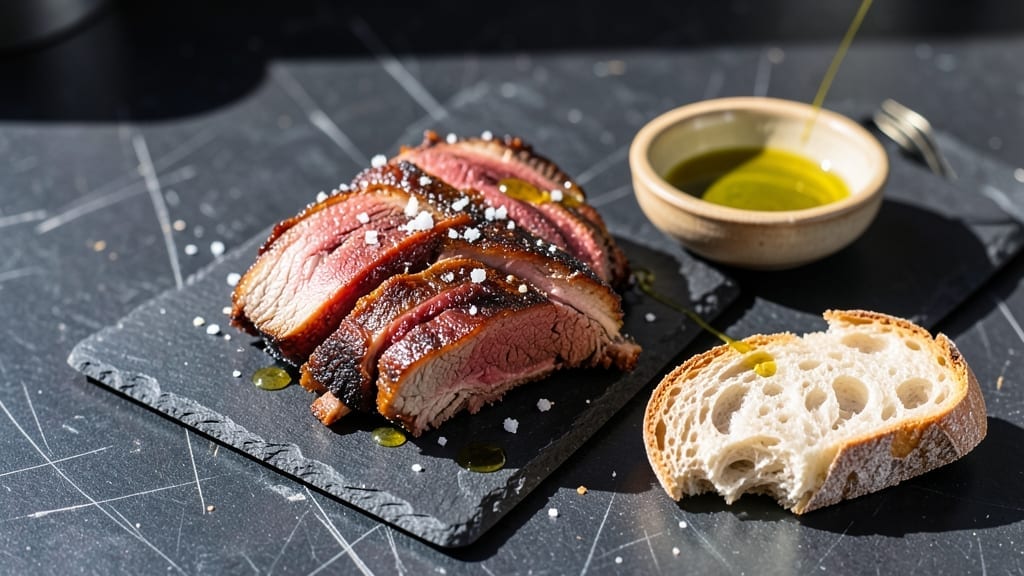
This Mexican smoked pulled pork recipe transforms tough pork shoulder into melt-in-your-mouth perfection through a carefully balanced spice rub and low-and-slow smoking process.
Growing up in small-town Georgia, I learned that the secret to irresistible pulled pork lies in patience and precise temperature control—lessons I later perfected while apprenticing under Master Chef Chen in Charleston. The right wood choice and smoking technique make all the difference between good and extraordinary.
The magic begins with a bold yet harmonious blend of spices—smoked paprika, cumin, and oregano—that creates a deep, aromatic crust while keeping the meat tender. Smoking at 225°F for 8-10 hours ensures the pork falls apart effortlessly, absorbing smoke flavors without drying out.
This method delivers restaurant-quality results that rival any taquería or BBQ joint, but with the satisfaction of making it at home.
What you’ll end up with is rich, smoky pulled pork that’s ideal for tacos, burritos, or loaded nachos—each bite packed with flavor and texture. The slow-cooked method guarantees juicy, tender meat that holds together beautifully when shredded, while the spice rub adds layers of complexity.
Whether you’re feeding a crowd or meal prepping for the week, this recipe delivers consistent, professional-quality results every time.
Pair with classic sides like cilantro-lime rice, charred corn salsa, or quick-pickled onions to complete the experience. The key to serving is keeping the pork warm and moist, whether wrapped in foil or reheated gently in a slow cooker.
This is the kind of dish that turns weeknight dinners into special occasions—without the fuss of a restaurant kitchen.
Ingredients for mexican smoked pulled pork
A symphony of spices meets low-and-slow smoking for restaurant-quality Mexican smoked pulled pork.
| Ingredient | Amount | Notes |
|---|---|---|
| Pork Shoulder (Boneless, Fat-Marbled) 🐷 | 8 lb | Trim excess fat, retain marbling |
| Smoked Paprika 🌶️ | 2 tbsp | Spanish variety preferred |
| Ground Cumin 🌿 | 1 ½ tbsp | Toasted for depth |
| Dried Oregano (Mexican) 🍃 | 1 tbsp | Authentic flavor profile |
| Garlic Powder 🧄 | 1 tbsp | Not garlic salt |
| Onion Powder 🧅 | 1 tbsp | Fresh ground preferred |
| Black Pepper (Freshly Ground) 🌶️ | 1 tbsp | Coarse grind ideal |
| Sea Salt (Kosher) 🧂 | 1 tbsp | Diamond Crystal preferred |
| Brown Sugar (Light) 🍚 | 1 tbsp | Balances heat |
| Chipotle Peppers in Adobo (Minced) 🌶️ | 1 tbsp | Homemade or jarred |
| Apple Cider Vinegar 🍎 | 2 tbsp | For tenderizing |
| Lard (Rendered) or Vegetable Oil 🫒 | ¼ cup | For basting |
| Hickory Wood Chips 🔥 | 1 lb | Soaked 30+ minutes |
| Panko Breadcrumbs 🍞 | ½ cup | For dry rub adhesion |
| Lime Zest (Fresh) 🍋 | 1 tbsp | Brightens final flavor |
[recipe_ingredient_scaler]
The pork shoulder must be fat-marbled—this ensures juiciness during the long cook. Butcher shops specializing in BBQ cuts often carry ideal selections, but grocery stores with meat departments can suffice if the marbling is visible. For the spices, Mexican oregano from Latin markets delivers superior complexity compared to generic dried oregano. The chipotle peppers should be minced finely—jarred is convenient, but homemade (blended with a splash of adobo) intensifies the smoky heat. Always soak wood chips for at least 30 minutes to prevent flare-ups during smoking.
Substitutions require careful consideration: smoked paprika can be replaced with equal parts regular paprika plus cayenne for heat, though the smokiness won’t match. No chipotle peppers? 1 tbsp smoked paprika + ½ tsp cayenne approximates the depth. For the pork, pork butt works but yields slightly drier results—trim excess fat meticulously. The apple cider vinegar can be swapped for white wine vinegar, though it lacks the tenderizing benefits. Always toast ground spices in a dry pan for 1-2 minutes before mixing—this awakens their aromatic compounds.
Store the dry rub components in an airtight glass jar for up to 6 months, separated from the pork until application. The pork shoulder keeps 4-5 days in the fridge after trimming, or 3 months when frozen. For smoking, maintain a 225°F temperature with a smoke ring generator or indirect heat method. The finished pulled pork reheats beautifully in a slow cooker with ½ cup beef broth on low for 2 hours. Portion into meal-prep containers, freezing individual servings for up to 3 months—thaw overnight in the fridge for optimal texture.
Why You’ll Love This Recipe
- No-Fuss Smoking: I’ll admit it—smoking pork used to intimidate me. But this recipe? It’s that good you’ll forgive the 10-hour wait. The trick is the hickory wood chips soaking for 30 minutes and that 1-hour rest after cooking. The pork falls apart like butter, and honestly, the effort pays off in the most delicious way.
- Smoky-Spicy Kick: That blend of smoked paprika, chipotle peppers in adobo, and toasted cumin? It’s the kind of flavor that makes you want to lick your plate. The brown sugar balances the heat just enough so it’s never overpowering—more like a warm hug with a little bite. Trust me, the lime zest at the end is the secret to making it pop.
- Feed the Crowd: This isn’t just for weekends. I make it for game days, potlucks, or even when my kids invite their friends over. The pork shreds easily, so you can serve it on tacos, in burritos, or even as a sandwich filling. And because it keeps well for 4-5 days in the fridge, you’ll have leftovers for lunch the next week—no stress.
- Budget-Friendly Luxury: Eight pounds of pork shoulder might sound like a lot, but it’s cheaper than you think, and the spices? A little goes a long way. The panko breadcrumbs make the rub stick like glue, so you’re not wasting any flavor. Plus, freezing the extra pork for months means you’ll always have a backup for busy nights when you don’t want to cook. Win-win.
Step-by-step instructions for Mexican smoked pulled pork
Master this technique and you’ll achieve perfectly tender, deeply flavored pulled pork with an authentic Mexican profile.
Prepare the Pork and Create the Dry Rub
Begin by trimming the 8 lb pork shoulder to remove any excess fat while preserving the marbling. Pat the surface completely dry with paper towels—this ensures the rub adheres properly and promotes better bark formation. Place the pork in a large resealable plastic bag and refrigerate for 1 hour to firm up slightly before handling.
In a small bowl, combine the 2 tbsp smoked paprika, 1½ tbsp ground cumin, 1 tbsp dried oregano (Mexican), 1 tbsp garlic powder, 1 tbsp onion powder, 1 tbsp black pepper (freshly ground), 1 tbsp sea salt (kosher), 1 tbsp brown sugar (light), and 1 tbsp chipotle peppers in adobo (minced). Mix thoroughly until the spices form a cohesive, even blend. Add the ½ cup panko breadcrumbs to help the rub cling to the meat.
Remove the pork from the refrigerator and generously coat all sides with the spice mixture, pressing firmly so the rub adheres evenly. Place the pork on a wire rack set over a baking sheet and refrigerate uncovered for 1 hour. This step allows the rub to penetrate the meat and develop a flavorful crust.
Set Up the Smoker and Begin the Cook
Soak the 1 lb hickory wood chips in water for at least 30 minutes to prevent flare-ups. Preheat your smoker to 225°F using the soaked wood chips. Position a water pan in the smoker to maintain moisture and prevent the pork from drying out during the long cook.
Once the smoker reaches the target temperature and produces clean, blue smoke, place the pork shoulder fat-side up on the smoker grate. The fat will render slowly, basting the meat and contributing to the flavor. Close the smoker lid and resist the urge to open it frequently—each time you do, you lose heat and extend the cook time.
Smoke the pork for 6 hours, or until the internal temperature reaches 165°F. This is when you’ll encounter “the stall,” a phase where the meat’s temperature plateaus as moisture evaporates. Don’t be alarmed—this is normal and expected during the smoking process.
Wrap and Finish the Cook
At the 6-hour mark, remove the pork from the smoker and wrap it tightly in heavy-duty aluminum foil. Add the 2 tbsp apple cider vinegar and ¼ cup lard (rendered) or vegetable oil to the foil before sealing it completely. The vinegar tenderizes the meat further, while the fat keeps it moist during the remaining cook time.
Return the wrapped pork to the smoker and continue cooking until the internal temperature reaches 203°F. This typically takes an additional 4 to 6 hours, depending on your smoker’s consistency. The pork should be fork-tender and easily pull apart with minimal resistance.
Once the pork reaches the target temperature, remove it from the smoker and let it rest for 1 hour. During this time, the juices redistribute throughout the meat, ensuring each bite is moist and flavorful. Sprinkle the 1 tbsp lime zest (fresh) over the pork just before serving to brighten the flavors.
Shred and Serve
After the resting period, carefully unwrap the pork and transfer it to a cutting board. Using two forks or a pair of tongs, shred the pork into bite-sized pieces, discarding any large fat chunks. The meat should pull apart easily, with no resistance from connective tissue.
Serve the pulled pork immediately, either on warm tortillas with your favorite toppings or mixed into tacos, burritos, or nachos. The smoky, spicy, and slightly sweet flavors will shine through, making this a versatile and crowd-pleasing dish.
Pro Tips For Making Mexican Smoked Pulled Pork
- Preheat with Patience: Hickory wood chips need that 30-minute soak—don’t skip it. I learned this the hard way when my smoker turned into a fire hazard mid-cook. Wet chips burn slower and cleaner, giving you that steady blue smoke instead of acrid puffs.
- Press That Rub Hard: The panko breadcrumbs make the rub stick, but only if you press it into every nook. I used to slap it on and wonder why the flavor was uneven—turns out, the rub needs to cling like a second skin. Take your time; the crust is worth it.
- Stall? Don’t Panic: Hit the 165°F stall at 6 hours? Normal. The pork’s sweating off moisture, and your smoker’s temp will drop. Keep the lid closed and trust the process—this is where the magic happens, not a failure. I’ve seen beginners yank meat off too soon, and it’s always tougher than it should be.
- Vinegar + Lard = Moisture Insurance: That 2 tbsp apple cider vinegar and ¼ cup lard in the foil isn’t just flavor—it’s your moisture guarantee. I used to wrap dry, and the pork always felt stringy. The acid breaks down fibers, while the fat keeps it juicy. Worth the extra 30 seconds to mix it in.
Troubleshooting this recipe
Smoke Ring Failures
If you’re not getting that beautiful blue smoke ring, it’s often due to wood chip issues. Soaking 1 lb hickory wood chips for at least 30 minutes is non-negotiable—under-soaked chips create flare-ups instead of steady smoke.
I once tried skipping the soak and ended up with a greasy mess instead of a smoky crust. Use charcoal chimney-style smoking if your smoker struggles with consistent airflow. 🔥
Temperature Fluctuations
Your smoker’s temperature should stay within ±10°F of 225°F—any wider swings cause uneven cooking. I recommend investing in a digital thermometer with a probe (like Meater+) to monitor internal temps.
If your smoker drops below 220°F, add more wood chips or adjust the vent—this stall phase is where most cooks lose patience and end up with dry meat.
Dry or Tough Meat
If your pork isn’t tender at 203°F, you likely skipped the wrapping stage or didn’t add enough moisture. The apple cider vinegar and lard in the foil are critical—this tenderizes collagen and prevents dryness.
For extra insurance, add a water pan to the smoker and check for moisture loss every hour. I once forgot this step and ended up with rubbery meat—don’t let that happen!
Rub Not Adhering
A dry rub that peels off means your pork wasn’t dry enough before application. Pat the meat thoroughly with paper towels and let it air-dry for 10 minutes before coating. I also add ½ cup panko breadcrumbs to the rub mix—this helps it stick like glue.
If your rub still slips, try brushing the meat with egg wash before applying the spices.
Fat Separating Too Soon
If fat renders out before the pork reaches 165°F, your smoker is too hot or the pork was over-trimmed. Trim only excess fat, leaving ¼-inch marbling—this fat bastes the meat as it cooks.
If your smoker runs hot, adjust the vent or use indirect heat to maintain 225°F. I once lost a whole brisket to this mistake—trust me, marbling matters!
Nutrition facts
Frequently asked questions
Why does the recipe call for fat-marbled pork shoulder instead of lean cuts?
The marbling in fat-marbled pork shoulder acts like nature’s basting agent, keeping the meat juicy and flavorful during the 8-10 hour smoking process. Lean cuts dry out quickly at low temps, while this cut ensures tender, melt-in-your-mouth texture. The ¼-inch marbling also helps develop that perfect bark while cooking.
Can I use a grill instead of a smoker for this recipe?
Yes! You can adapt this method using a grill with a smoker box or by placing wood chips in aluminum foil over the coals. Maintain 225°F indirect heat and use a water pan to mimic smoker conditions. Just monitor closely to avoid flare-ups and ensure even cooking.
What if my smoker can’t maintain 225°F consistently?
If your smoker fluctuates beyond ±10°F, use indirect heat and adjust vents frequently. A digital probe thermometer helps track internal temps accurately. For stubborn temperature drops, add more wood chips or use a pellet smoker for precise control—consistency is key for perfect tenderness.
How do I store leftovers without drying them out?
Store shredded pork in an airtight container with ¼ cup beef broth or apple cider vinegar to preserve moisture. Reheat gently in a slow cooker on low for 2 hours or microwave in 1-minute intervals with a damp paper towel. Freeze portions for up to 3 months for later meals.

Trained in classic French technique but raised on slow-cooked ribs and spicy rubs, she blends culinary skill with smoke and soul.
- Smoked Brisket Recipe: Low and Slow to Fall-Apart Tenderness - November 2, 2026
- Smoked Turkey Breast Recipe: Juicy Pink Center With Crispy Skin Every Time - November 2, 2026
- Leftover Smoked Pulled Pork Chili Recipe: Rustic Flavor Revival in One Pot - November 2, 2026