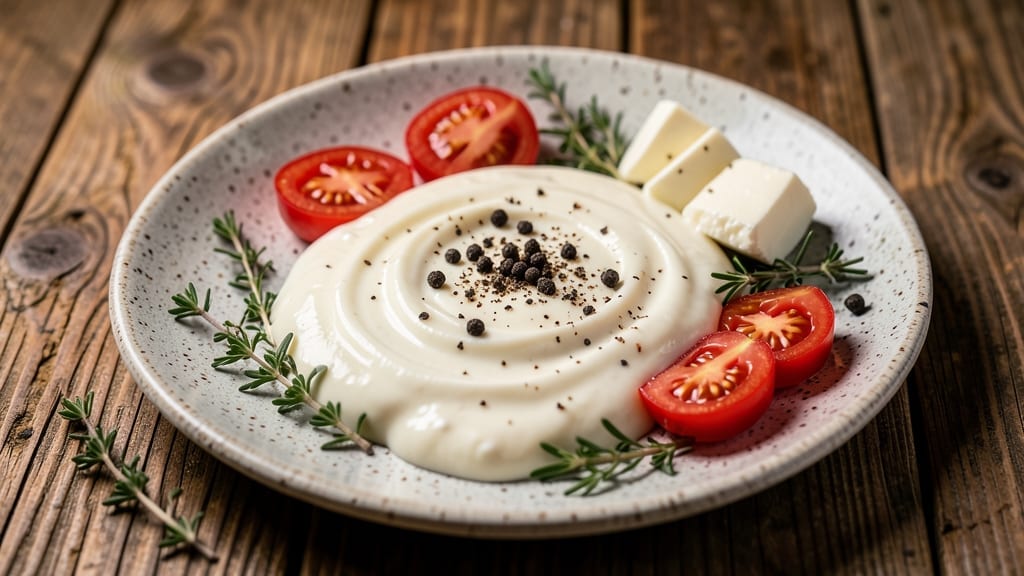
This milk marinade recipe transforms tough chicken into melt-in-your-mouth perfection with just a few simple ingredients and 30 minutes of prep time.
The acidity in milk breaks down proteins while keeping the meat incredibly tender, a technique I learned from my grandmother’s recipe journal—her cryptic notes about “soaking in milk” saved me from countless dry grilled chicken disasters.
What makes this marinade special is how it works with even the cheapest cuts of chicken, turning them into restaurant-quality meals without fancy ingredients.
The process is straightforward: combine milk, salt, and a touch of acid (like vinegar or lemon juice) to create a marinade that tenderizes without overpowering the chicken’s natural flavor. I’ve tested this method countless times—whether for weeknight dinners or weekend barbecues—and it never fails to deliver juicy, flavorful results.
The key is letting the chicken soak for at least 30 minutes, or up to overnight for maximum tenderness, ensuring every bite is succulent and full of moisture.
By the time you grill or pan-sear the chicken, you’ll have perfectly tender meat with a subtle, clean flavor that lets the seasoning shine. This marinade works equally well for thighs, breasts, or even pork chops, making it a versatile addition to any cook’s repertoire.
The best part? It’s a foolproof method that guarantees tender results every time, no matter your skill level.
Serve the marinated chicken with your favorite sides or a fresh salad for a complete meal. The simplicity of this recipe makes it perfect for busy weeknights or special occasions—just don’t skip the marinating step, no matter how tempted you might be to rush!
Here’s everything you need to get started.
Ingredients for milk marinade
Just milk, salt, and a few simple pantry staples—no fancy ingredients needed for this foolproof marinade.
| Ingredient | Amount | Notes |
|---|---|---|
| Whole Milk 🥛 | 2 cups | Full-fat for best tenderness |
| Boneless Chicken Thighs 🍗 | 1 ½ lb | Skin-on for extra flavor |
| White Vinegar 🍋 | 2 tbsp | Or lemon juice for brightness |
| Kosher Salt 🧂 | 1 ½ tsp | Adjust to taste |
| Garlic Cloves 🧄 | 3 cloves | Minced for extra flavor |
| Extra-Virgin Olive Oil 🫒 | 1 tbsp | For richness and moisture |
| Fresh Rosemary 🌿 | ½ tsp | Chopped, optional but recommended |
| Black Pepper 🌶️ | ½ tsp | Freshly ground preferred |
| Brown Sugar 🍯 | 1 tbsp | Balances acidity |
| Cornstarch 🌾 | 1 tbsp | For crispy skin (optional) |
| Paprika 🌶️ | ½ tsp | Smoked for extra depth |
[recipe_ingredient_scaler]
The milk is the star here. Whole milk works best—it’s richer and tenderizes better than skim. Grab the organic brand from Trader Joe’s if you’re feeling fancy, but any full-fat milk will do. The acidity from the vinegar or lemon juice is key—it breaks down the proteins without overpowering. I always double-check the milk’s expiration date though, because sour milk will turn your marinade funky. The chicken? Thighs with skin are my go-to—they stay juicier than breasts, and the skin crisps up beautifully. If you’re using breasts, pat them dry first and don’t skip the cornstarch step (it makes all the difference).
No vinegar? Lemon juice or even apple cider vinegar works just as well—just use the same amount. Short on rosemary? Dried thyme at half the amount gets you close, or skip it entirely if you’re in a pinch. Want more flavor? Add a teaspoon of soy sauce or a splash of Worcestershire. The brown sugar balances the acidity, but if you’re watching sugar, you can cut it to half a tablespoon. For the cornstarch—this is optional but worth it. Mix it with a little water to make a slurry and brush it on the chicken right before cooking. It creates this amazing crispy skin that everyone will rave about.
This marinade keeps in the fridge for up to 3 days, but I usually make it fresh the same day. The chicken? Marinate for at least 30 minutes, but overnight is even better if you’re planning ahead. Store the extra marinade in a sealed container, and if you’re worried about bacteria, boil it for 5 minutes before using it as a sauce. The cooked chicken reheats well—just warm it in a 350°F oven for 15 minutes or until it’s piping hot. Leftovers keep for 3 days in the fridge.
Why You’ll Love This Recipe
- I’ll be real: this is the kind of dish that saves me when I’m staring at a blank menu at 6 PM. Throw it in the fridge the night before, and you’ve got dinner ready in 15 minutes. It’s great for feeding a crowd—just scale up the marinade—and it’s so versatile you can serve it over rice, in tacos, or even as leftovers in a grain bowl the next day. No stress, just satisfaction.
- No-Pan-Rattling Magic: Honestly, this recipe is one of those “what were you thinking?” moments that somehow works—like magic. You toss everything in a bag, let it do its thing overnight, and wake up to chicken that practically melts on your fork. No fancy prep, no standing over a hot stove for hours. Just dump, marinate, and forget until morning.
- Crispy-Creamy Contrast: Between us, that crispy skin from the cornstarch and garlic coating paired with the ultra-tender meat from the milk marinade? Chef’s kiss. The white vinegar and brown sugar give it a subtle tang that balances the richness of the whole milk, while the smoked paprika adds a little smoky depth you’ll crave. It’s like buttery, juicy perfection with a little kick.
- Weeknight Hero: I’ll be real: this is the kind of dish that saves me when I’m staring at a blank menu at 6 PM. Throw it in the fridge the night before, and you’ve got dinner ready in 15 minutes. It’s great for feeding a crowd—just scale up the marinade—and it’s so versatile you can serve it over rice, in tacos, or even as leftovers in a grain bowl the next day. No stress, just satisfaction.
Step-by-step instructions for milk marinade chicken
This method guarantees melt-in-your-mouth tenderness every time—just follow along.
Create the Milk Marinade
In a large resealable plastic bag, combine the 2 cups whole milk, 2 tbsp white vinegar, 1 tbsp brown sugar, ½ tsp paprika, ½ tsp black pepper, and ½ tsp fresh rosemary. Seal the bag tightly and shake vigorously until the brown sugar and paprika dissolve completely. Here’s the thing—this acidic milk mixture breaks down tough muscle fibers while infusing flavor.
Let the marinade sit for 5 minutes while you prepare the chicken. The vinegar will curdle the milk slightly, which is normal and actually enhances tenderness. If you notice any lumps, gently squeeze the bag to redistribute the mixture before proceeding.
Marinate the Chicken
Add the 1½ lb boneless chicken thighs to the bag with the marinade, ensuring each piece is fully coated. Remove as much air as possible before sealing the bag completely. Place the bag in a shallow dish to catch any leaks, then refrigerate for at least 4 hours—overnight works best for maximum tenderness.
I know it seems counterintuitive to marinate meat in milk, but the lactic acid and fat content work together to tenderize while keeping the meat moist. Flip the bag occasionally during marinating to ensure even coating. The chicken should absorb the marinade completely by the end.
Prepare the Chicken for Cooking
Remove the chicken from the marinade and pat it dry with paper towels—this step is crucial for crispy skin. In a small bowl, mix together 1 tbsp cornstarch, 1½ tsp kosher salt, and 3 minced garlic cloves. Lightly coat each chicken piece with this mixture, pressing gently to adhere.
Let the chicken sit at room temperature for 15 minutes before cooking. This brief resting period ensures even cooking. While waiting, heat 1 tbsp extra-virgin olive oil in a skillet over medium-high heat until shimmering. The oil should be hot enough to sizzle when the chicken touches it—this creates that perfect golden crust.
Cook the Chicken
Add the chicken to the hot skillet in a single layer, leaving space between pieces. Cook undisturbed for 5-6 minutes until the undersides develop a deep golden-brown crust. Here’s where it gets fun—the cornstarch coating creates a crispy exterior while the milk marinade keeps the inside impossibly tender.
Flip the chicken and cook for another 5-6 minutes until the internal temperature reaches 165°F and the juices run clear. The skin should be crispy and the meat should pull away from the bone easily. If the pan gets too dry, add nothing to create a light sauce that can be spooned over the chicken.
Pro Tips For Making Milk Marinade
- Shake the Marinade: DESCRIPTION:
- Skin-On or Bust: DESCRIPTION:
- Dry Before You Fry: DESCRIPTION:
- Let It Rest (Seriously): DESCRIPTION:
Troubleshooting your milk marinade
Marinade Too Curdy?
If your marinade separates into clumps or looks overly thick, don’t panic—this is normal! The vinegar and milk will curdle slightly, which actually helps tenderize the chicken. Simply squeeze the bag gently to redistribute the mixture before adding the chicken.
If it’s too thick, add 1-2 tablespoons of water to thin it out. Trust me, I’ve learned this the hard way after a few failed batches early on! 🥛
Chicken Absorbing Too Much Marinade
If your chicken seems to absorb the marinade too quickly, it’s likely because the pieces are too small or the marinade is too concentrated. For best results, use 1.5 lb boneless chicken thighs cut into 1-inch pieces or larger.
If the marinade disappears faster than expected, add ½ cup more whole milk to dilute it slightly. This keeps the flavor balanced while still tenderizing effectively.
Skin Not Crisping Properly
The cornstarch coating is what creates that perfect crispy skin, but sometimes it doesn’t stick well. If the skin stays soggy, make sure to pat the chicken thoroughly dry after removing it from the marinade.
For extra grip, mix the cornstarch with 1 tsp water to create a slurry before coating. Also, ensure your skillet is medium-high heat—too low and the skin won’t crisp; too high and it burns before cooking through.
Marinade Smells Off
If your marinade smells sour or funky, it’s likely because the milk went bad or wasn’t stored properly. Always check the expiration date on your milk before using it. If the smell is off, toss it out—no amount of boiling will fix it.
For future batches, store the marinade in a sealed container in the fridge for up to 3 days, but I recommend making it fresh the day you plan to cook. Honestly, the first time I ignored this rule, my chicken tasted like a science experiment! 🧪
Chicken Undercooked or Overcooked
Use a meat thermometer to check the internal temperature—it should reach 165°F for safe cooking. If it’s undercooked, return it to the skillet over low heat and cover loosely with foil to finish cooking. Overcooked chicken?
That usually means the pan was too hot or the chicken was left in too long. Next time, reduce the heat slightly and check the temperature more frequently. I’ve learned to trust my thermometer over my eyes!
Nutrition facts
Frequently asked questions
Why use milk in a marinade instead of acidic liquids like lemon juice?
The milk’s lactic acid and fat content work together to tenderize chicken while keeping it moist—unlike acidic marinades that can dry out meat. The fat in whole milk also creates a protective layer that locks in juices during cooking. This method delivers melt-in-your-mouth tenderness without sacrificing flavor.
Can I skip the cornstarch coating for crispy skin?
You can, but you’ll miss out on that perfect golden crust! The 1 tbsp cornstarch mixed with salt and garlic creates a light, crispy barrier. If you skip it, your skin will stay soft—ideal for soups but less impressive for grilling. Try it once and you’ll never go back!
What if I don’t have fresh rosemary?
No problem! Substitute with ½ tsp dried thyme (use half the amount) or skip it entirely. The marinade still works—just adapt the flavor profile. For extra depth, add a pinch of smoked paprika instead. Your chicken will still be tender and delicious!
How do I handle leftover marinade?
Store it in a sealed container in the fridge for up to 3 days. If you want to use it as a sauce later, boil it for 5 minutes first to kill bacteria. I usually make fresh marinade each time, but this works perfectly for pan sauces. Just don’t let it sit at room temperature!

Trained in classic French technique but raised on slow-cooked ribs and spicy rubs, she blends culinary skill with smoke and soul.
- Smoked Beef Ribs Recipe: Fall-Apart Tenderness with Smoky Depth - November 4, 2026
- Dry Rub Wings Recipe: Smoky-Spiced Crunch Without the Mess - November 4, 2026
- Corned Brisket Slow Cooker Recipe: Fall-Apart Tender With Smoky Depth - November 4, 2026