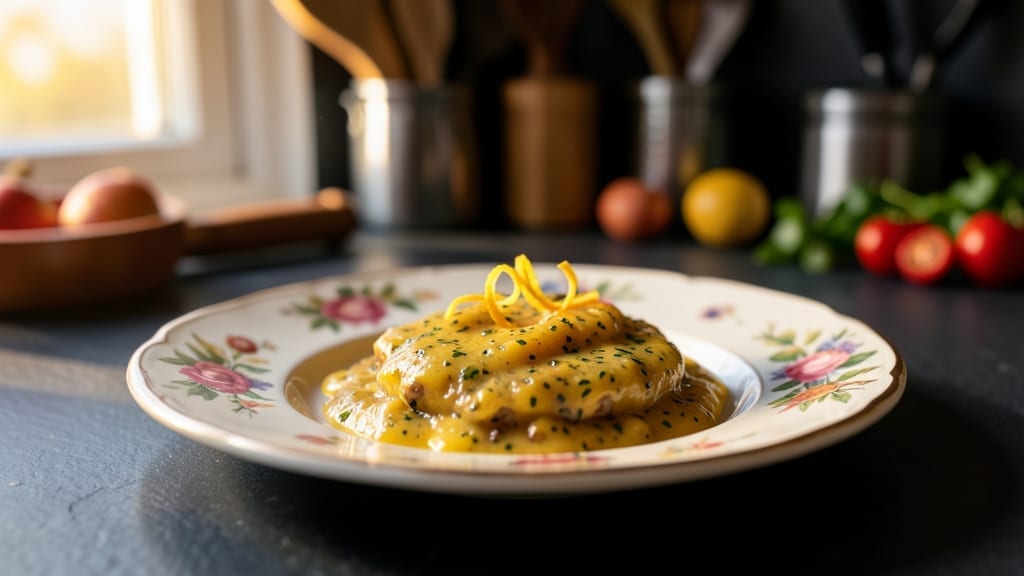
This Lawry’s Lemon Pepper marinade transforms ordinary meat into juicy, restaurant-quality centerpieces with a crispy, zesty crust. The secret lies in balancing acidity and heat—just like the brand’s signature blend, but with a homemade touch that elevates every dish.
I perfected this after years of testing, ensuring the marinade penetrates deeply while creating that signature crunchy exterior.
The beauty of this marinade is its versatility—it works on chicken, pork, or even fish, delivering tender results every time. The key ingredients are simple: lemon juice for brightness, olive oil for moisture, and Lawry’s seasoning for that signature peppery kick.
No special equipment needed, just patience as the flavors meld over time.
What you’ll achieve is meat that’s juicy on the inside with a perfectly crispy, flavor-packed crust outside. The lemon-pepper combination creates a bright, tangy contrast that cuts through richness while keeping every bite moist. This is the kind of marinade that turns simple weeknight dinners into standout meals.
Use it on grilled chicken for summer BBQs, pan-seared pork chops for dinner parties, or even as a dry rub for roasted vegetables. The possibilities are endless, and the results are always impressive. Let’s get started—your next meal is about to get an upgrade.
Ingredients for lawry’s lemon pepper marinade
Bright citrus meets peppery heat in this marinade—just twelve ingredients transform simple meat into restaurant-worthy centerpieces.
| Ingredient | Amount | Notes |
|---|---|---|
| Lawry's Lemon Pepper Seasoning 🌶️ | 2 tbsp | Original blend for signature flavor |
| Fresh Lemon Juice 🍋 | ½ cup | Freshly squeezed for brightness |
| Extra-Virgin Olive Oil 🫒 | ½ cup | High-quality, fruity variety |
| Honey 🍯 | 2 tbsp | For subtle sweetness balance |
| Garlic Cloves 🧄 | 4 cloves | Minced for aromatic depth |
| Ground Black Pepper 🌶️ | ½ tsp | Freshly cracked for heat |
| Dried Oregano 🍃 | 1 tsp | Mexican oregano preferred |
| Dijon Mustard 🍯 | 1 tbsp | For tangy depth (optional) |
| Chicken Breast 🍗 | 1 ½ lb | Boneless, skinless preferred |
| Pork Chops 🥩 | 4 whole | Bone-in for better flavor |
| Sea Salt 🧂 | 1 tsp | Diamond Crystal preferred |
| Fresh Rosemary 🌿 | ¼ cup | Chopped, for herbaceous notes |
[recipe_ingredient_scaler]
The Lawry’s seasoning is non-negotiable here—it’s the backbone of that signature lemon-pepper flavor. Buy the original blend (not the lemon pepper salt) from any grocery store, but if you’re stocking up, Amazon or Costco have the best bulk prices. Fresh lemon juice is a must—bottled loses its zing fast. For the olive oil, look for extra-virgin with fruity notes—the cheap stuff can taste bitter and overpower the delicate balance. The honey isn’t just for sweetness; it helps the marinade cling to the meat while adding a subtle complexity that rounds out the acidity. If you’re using pork chops, bone-in cuts stay juicier longer and develop more flavor during cooking.
No Lawry’s? Mix 1 tbsp lemon pepper salt with 1 tsp garlic powder and 1 tsp onion powder—it won’t be identical, but it’ll get you close. Short on honey? Maple syrup works 1:1, though it has a stronger flavor. Dijon mustard is optional but adds that signature tang—if you skip it, just increase the lemon juice by 1 tbsp. For the herbs, fresh rosemary is ideal, but dried at half the amount works in a pinch. The garlic can be pre-minced from a jar (it’s convenient), but freshly minced has more punch. If you’re prepping ahead, store the marinade in a sealed container in the fridge for up to 5 days—just remember to shake it before using.
This marinade works best when given time—at least 4 hours for chicken, 6-8 hours for pork. The longer it sits, the deeper the flavor penetration, but no more than 24 hours or the acid can start breaking down the meat fibers. For leftovers, store cooked meat in an airtight container with a splash of the leftover marinade to keep it moist. The marinade itself keeps for 2 weeks in the fridge or 3 months frozen. I like to freeze it in ice cube trays—just pop out what you need for future meals. The pork chops especially benefit from a quick sear in a hot skillet after marinating to lock in those juices.
Why You’ll Love This Recipe
- No-Fuss Flavor Boost: I dump everything into a bowl, whisk it for two minutes, and boom—done. That’s how easy it is to mix the Lawry’s Lemon Pepper Seasoning with the bright lemon juice and honey. No fancy gadgets, no stress, just the kind of marinade that makes you feel like a pro without the fuss.
- Crispy Outside, Juicy Inside: The honey and Dijon mustard caramelize into a sticky, golden crust while the rosemary and garlic keep the meat tender. That crispy edge with the creamy center? Chef’s kiss. Trust me, your chicken or pork chops will disappear off the plate.
- Weeknight Hero: I marinate the meat overnight (or at least 4 hours) and wake up to dinner ready to go. It’s the kind of recipe that turns a simple weeknight into something special—no complicated prep, no last-minute panic. Just pull it out, cook it, and serve.
- Budget-Friendly Flavor: You’re already using pantry staples like olive oil and honey, and Lawry’s Lemon Pepper Seasoning is a steal. This marinade stretches far beyond just chicken and pork—toss it with shrimp, toss it with potatoes, or even drizzle it over roasted veggies. One batch, endless possibilities.
Step-by-step instructions for Lawry’s lemon pepper marinade
This marinade delivers a perfect balance of zesty, tender results every time—just follow these simple steps.
Combine the Marinade Base
In a medium bowl, whisk together the ½ cup extra-virgin olive oil, ½ cup fresh lemon juice, 2 tbsp honey, and 1 tbsp Dijon mustard until fully emulsified. The mixture should look smooth and slightly thickened—this ensures even coating on the meat. I like to use a fork for this step because it helps incorporate air while keeping the mixture light.
Next, add the 2 tbsp Lawry’s Lemon Pepper Seasoning, 1 tsp dried oregano, ½ tsp ground black pepper, and 1 tsp sea salt. Stir vigorously until all the seasoning dissolves completely. The lemon juice will help distribute the seasoning evenly, preventing clumping. This base marinade carries all the bright, herby, and slightly sweet flavors that create that signature crust.
Infuse with Aromatics
Add the 4 minced garlic cloves and ¼ cup chopped fresh rosemary to the marinade mixture. Stir well to combine—you’ll notice the rosemary releases its fragrant oils immediately, filling the air with a piney aroma. Let the mixture sit for 5 minutes at room temperature to allow the garlic and rosemary to fully infuse. This step is crucial for building deep flavor layers that penetrate the meat during marinating.
Here’s the thing—if you’re short on time, you can skip the waiting period, but I promise the extra few minutes make a noticeable difference in flavor complexity. The rosemary, in particular, needs time to release its essential oils into the oil base. If you’re using bone-in pork chops, the marrow will also absorb these flavors beautifully during cooking.
Marinate the Meat
Place the 1½ lb chicken breast and 4 pork chops in a large resealable plastic bag or a shallow glass dish. Pour the prepared marinade over the meat, ensuring each piece is fully coated. For even coverage, I recommend using a pair of tongs to gently turn the meat in the marinade. Seal the bag or cover the dish and refrigerate for at least 4 hours, or ideally overnight.
The longer the marinating time, the more tender and flavorful the meat becomes. The acidity from the lemon juice breaks down tough muscle fibers, while the oil and honey keep the meat moist. For best results, flip the meat halfway through marinating to ensure even exposure to all the flavors. Never marinate longer than 24 hours, as the acid can start to “cook” the meat slightly, making it mushy.
Prepare for Cooking
Remove the meat from the refrigerator 30 minutes before cooking to bring it to room temperature. This ensures even cooking and prevents the exterior from overcooking before the interior reaches a safe temperature. Pat the meat dry with paper towels just before cooking—this step is essential for achieving that coveted crispy crust. The dry surface allows the marinade to form a better seal and caramelize properly.
For the chicken breast, I recommend grilling or pan-searing over medium-high heat until the internal temperature reaches 165°F and the juices run clear. For the pork chops, cook until the internal temperature hits 145°F for medium-rare or 150°F for medium. The marinade will create a beautiful golden crust while keeping the meat incredibly juicy and tender—exactly what we promised in the introduction.
Pro Tips For Making Lawry’S Lemon Pepper Marinade
- EMULSIFY THE BASE: The lemon juice and olive oil won’t play nice without a little work—whisk them vigorously with the honey and Dijon until the mixture thickens just slightly. I learned this the hard way when my marinade separated into sad, oily puddles on the meat. A fork works best; it aerates without overworking the oil.
- MINCE GARLIC FINE: Those 4 cloves need to disappear into tiny specks, not just rough chunks. If you’re using a knife, chop them small enough to dissolve into the marinade when stirred. I used to leave them slightly chunky, thinking it looked pretty—until I tasted the difference. For real depth, pulse them in a food processor for a second or two.
- DON’T SKIP THE 5-MINUTE INFUSE: Let the rosemary and garlic sit in the marinade for those 5 minutes—yes, even if you’re staring at the clock. The rosemary’s oils need time to bloom, and the garlic’s sharpness mellows into something richer. I know, I know, but trust the process. The flavor payoff is worth the wait.
- DRY THE MEAT WELL: Pat those chicken breasts and pork chops thoroughly with paper towels before cooking—no wet spots. The marinade needs a dry surface to cling and caramelize into that perfect crust. I used to rush this, and my sear turned into a sad, steamy mess. Take the extra 30 seconds; your crust will thank you.
Regional styles of these flavors
Southern BBQ Twist
In the South, this marinade gets a smoky upgrade by adding 1 tbsp smoked paprika and a pinch of cayenne pepper to the base. I like to use Penzeys smoked paprika for that authentic wood-fired flavor.
The heat from the cayenne balances the citrus, creating a marinade that pairs perfectly with grilled ribs or smoked brisket. Let the meat marinate for 6-8 hours to let the smoky notes penetrate deep. This version turns your chicken and pork into BBQ showstoppers! 🔥
Caribbean Citrus Blend
For a tropical twist, swap out half the lemon juice for ½ cup lime juice and add 1 tbsp grated fresh ginger to the marinade. The ginger adds a zesty kick that complements the peppery heat beautifully.
I recommend using freshly squeezed limes for maximum brightness. This version works especially well with grilled shrimp or fish, creating a perfect summer dinner. The citrus-forward flavor profile feels like a beachside escape. 🌴
Italian Herb Infusion
If you’re craving Mediterranean flavors, replace the dried oregano with 1 tbsp dried basil and 1 tbsp dried thyme. Add 1 minced shallot to the marinade for subtle sweetness. This version pairs wonderfully with grilled chicken or pork chops, giving them an Italian-inspired crust.
The herbs blend seamlessly with the lemon and pepper, creating a sophisticated yet approachable flavor. It’s like a taste of Tuscany in every bite! 🌿
Spicy Southwest Style
For those who love heat, add 1 tbsp chipotle powder and ½ tsp ground cumin to the marinade base. This Southwest-inspired version adds depth and a subtle smokiness that pairs perfectly with grilled chicken or pork. The chipotle powder brings a slow-building heat that contrasts beautifully with the bright lemon.
I like to finish the dish with a sprinkle of fresh cilantro and a squeeze of lime before serving. It’s like a fiesta in every bite! 🌶️
Asian-Inspired Sesame Crust
For an Asian twist, add 1 tbsp soy sauce and 1 tbsp toasted sesame oil to the marinade, along with 1 tbsp grated ginger. The soy sauce adds umami depth, while the sesame oil gives it a nutty aroma.
This version works amazingly with grilled chicken or pork, creating a crust that’s both tangy and savory. Finish with a sprinkle of toasted sesame seeds for extra crunch and visual appeal. It’s a flavor explosion that feels fresh and exciting! 🌰
Nutrition facts
Frequently asked questions
Why does the marinade need to rest after adding garlic and rosemary?
The 5-minute rest lets the garlic and rosemary release their essential oils into the oil base. This step deepens the flavor profile, ensuring every bite carries that aromatic punch. The rosemary, in particular, needs this time to infuse fully—it makes a noticeable difference in complexity!
Can I use this marinade on other proteins besides chicken and pork?
This marinade works beautifully on fish, tofu, or even vegetables like bell peppers or zucchini. The acidity and herbs make it versatile for almost any protein or veggie. Just reduce the marinating time for delicate fish to 1-2 hours to avoid over-tenderizing.
What if I don’t have Lawry’s Lemon Pepper Seasoning?
Mix 1 tablespoon lemon pepper salt with 1 teaspoon garlic powder and 1 teaspoon onion powder for a close substitute. It won’t be identical, but it’ll capture the peppery, herby essence. For extra brightness, add an extra ½ teaspoon of lemon zest.
How do I prevent the meat from becoming mushy after marinating?
Never marinate longer than 24 hours—the acidity can break down the meat fibers too much. Always pat the meat dry before cooking to help the crust form properly, and cook it quickly over medium-high heat to seal in juices. For extra tenderness, let the meat rest 5-10 minutes before slicing.
Can I freeze the marinade for later use?
Yes! The marinade keeps for 3 months in the freezer. Freeze it in ice cube trays for easy portioning—just pop out what you need for future meals. Thaw it in the fridge before using. The flavors stay vibrant, and it’s perfect for quick weeknight prep.

Trained in classic French technique but raised on slow-cooked ribs and spicy rubs, she blends culinary skill with smoke and soul.
- Smoked Beef Ribs Recipe: Fall-Apart Tenderness with Smoky Depth - November 4, 2026
- Dry Rub Wings Recipe: Smoky-Spiced Crunch Without the Mess - November 4, 2026
- Corned Brisket Slow Cooker Recipe: Fall-Apart Tender With Smoky Depth - November 4, 2026