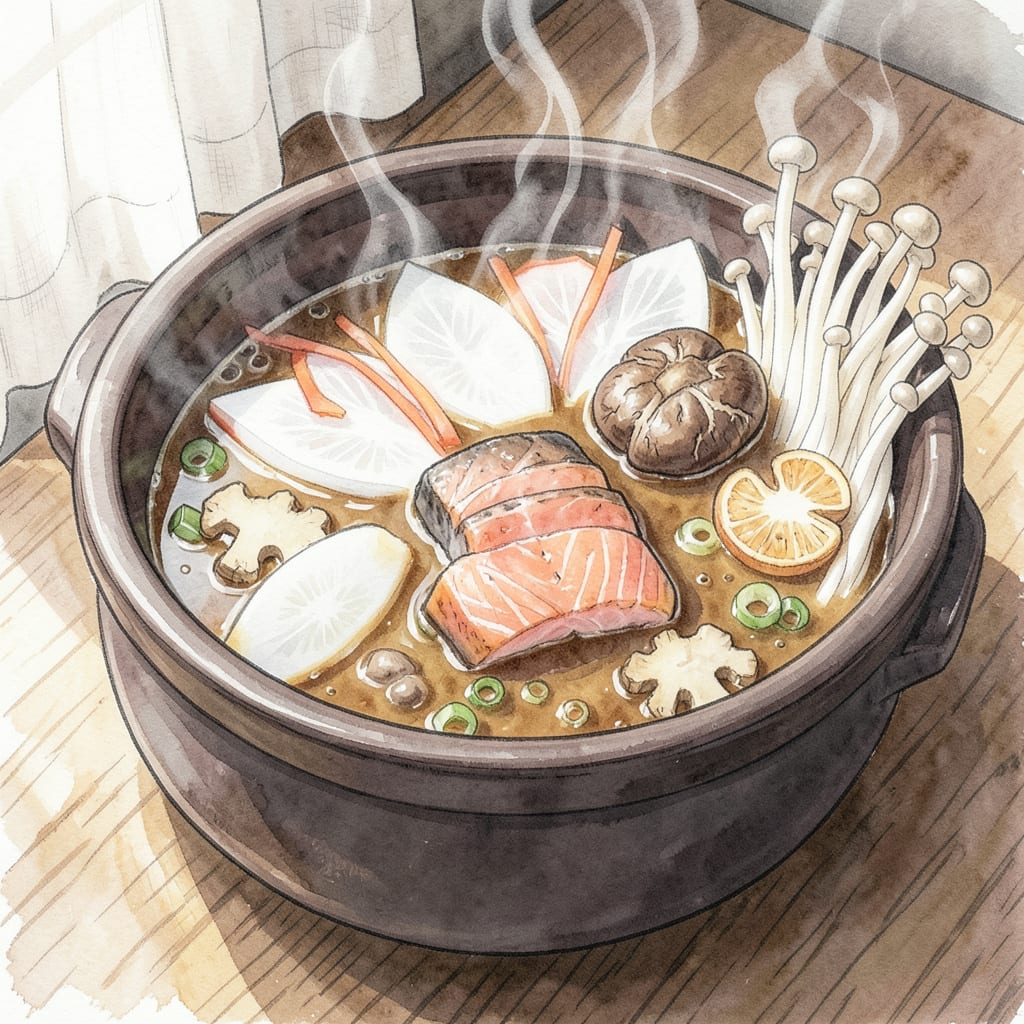
Winter calls for meals that warm both body and soul, and nothing answers that call better than a steaming pot of miso hot pot broth. This umami-rich foundation transforms simple ingredients into a deeply satisfying communal feast, blending Japanese tradition with home kitchen practicality. The secret lies in balancing fermented miso with aromatic dashi, creating a broth that’s simultaneously comforting and complex.
The beauty of this recipe extends beyond the broth itself. It serves as a versatile canvas for your favorite proteins, vegetables, and noodles—each ingredient cooking directly in the flavorful liquid. Whether you prefer delicate tofu and mushrooms or heartier seafood and meats, this hot pot adapts to your tastes while maintaining its soul-warming essence. The preparation becomes part of the experience, as diners gather around the table to cook and share together.
Ingredients for Miso Hot Pot Broth
This umami-packed broth starts with miso, dashi, and a handful of Japanese pantry staples you’ll want to keep stocked.
| Ingredient | Amount | Notes |
|---|---|---|
| White Miso Paste 🍲 | ¾ cup | Fermented, high-quality preferred |
| Dashi Stock 🍜 | 6 cups | Homemade or instant granules |
| Sake 🍶 | ½ cup | Dry variety for depth |
| Mirin 🍶 | ¼ cup | Sweet rice wine essential |
| Soy Sauce 🫙 | 3 tbsp | Low-sodium preferred |
| Fresh Ginger 🌿 | 1 whole | Sliced thin for infusion |
| Garlic Cloves 🧄 | 6 cloves | Lightly crushed, not minced |
| Scallions 🧅 | 4 whole | White parts only, sliced |
| Kombu Seaweed 🌊 | 1 piece | 4-inch square, wiped clean |
| Dried Shiitake Mushrooms 🍄 | 4 whole | For umami depth |
| Tofu 🧈 | 14 oz | Firm or extra-firm, cubed |
| Napa Cabbage 🥬 | ½ whole | Sliced into bite-sized pieces |
| Enoki Mushrooms 🍄 | 7 oz | Separated into clusters |
| Udon Noodles 🍜 | 7 oz | Fresh or frozen preferred |
| Sesame Oil 🫒 | 1 tbsp | Toasted for finishing |
[recipe_ingredient_scaler]
The miso is non-negotiable here—white miso (shiro) gives that sweet, fermented depth. I grab mine from Japanese markets (Mitsua or Marukome brands), but Whole Foods carries decent options too. Dashi makes or breaks the broth: instant granules work in a pinch, but homemade (kombu + bonito) is worth the effort. The kombu should be thick and slightly sticky—avoid anything brittle or dusty. Sake and mirin balance the saltiness, so don’t skip them. Gekkeikan is my go-to for both (the bottles with red labels).
No sake? Dry sherry or white wine in a 1:1 swap works. Out of mirin? Mix 1 tbsp sugar + 3 tbsp water per 1 tbsp mirin. Mushroom haters can swap shiitake for wood ear or oyster mushrooms—just soak dried ones first. The tofu needs to be firm or extra-firm (Nasoya or House Foods brands hold up best). For protein swaps, sliced king oyster mushrooms mimic scallops, or add vegetarian fish cakes (find them frozen at Asian grocers).
Miso paste keeps 1 year in the fridge (it’ll darken but stays good). Dashi granules last 6 months unopened, 3 months after opening. The broth itself is best fresh but freezes beautifully for up to 3 months—just omit the tofu/mushrooms before freezing. Kombu can be reused once more for a lighter broth, and dried shiitake stems? Save them for homemade stock (they’re flavor bombs).
Why You’ll Love This Recipe
- Five-Minute Magic: I’m not exaggerating—this broth comes together faster than boiling pasta. Just whisk white miso paste into warm dashi, splash in sake, mirin, and soy sauce, and you’re done. No blooming spices, no reducing for hours. Honestly, it feels like cheating.
- Umami Bomb: That first sip hits you with this deep, savory warmth from the miso and dashi, then the sake and mirin sneak in with a subtle sweetness. It’s the kind of flavor that makes you pause mid-meal and think, “Wow, I made this?” My picky nephew slurps it straight from the bowl—no noodles, no veggies, just broth.
- Weeknight Rescue: This is my Tuesday-night hero. Toss leftover chicken, tofu, or whatever’s wilting in the fridge into the pot, and suddenly it’s a meal. I’ve served it to last-minute guests and meal-prepped it for lunches—same broth, totally different vibes. Between us, it’s saved me from takeout more times than I’ll admit.
- Broth with Benefits: Here’s what sold me—the leftovers. The flavor actually deepens overnight, so tomorrow’s ramen or quick udon tastes even better. And because miso and dashi are pantry staples for me, it’s cheaper than store-bought broths (and way more interesting). One batch stretches into three meals if you’re strategic. Not the prettiest dish, but my wallet and taste buds don’t care.
Step-by-Step Instructions for Miso Hot Pot Broth
This is where the magic happens—building layers of umami for a broth that’s rich, comforting, and deeply flavorful.
Step 1: Infuse the Dashi Base with Aromatics
In a large pot, combine the 6 cups Dashi Stock, dried shiitake mushrooms, and kombu seaweed. Bring to a gentle simmer over medium heat—you’ll see small bubbles forming around the edges. This slow approach extracts maximum flavor without bitterness.
Add the sliced fresh ginger, lightly crushed garlic cloves, and white parts of scallions. Simmer uncovered for 15-20 minutes until the broth takes on a golden hue and the mushrooms soften. The kitchen should smell earthy and aromatic at this point.
Step 2: Develop the Umami Foundation
Remove the kombu and shiitake mushrooms (you can slice the mushrooms to add back later). Stir in the 0.5 cup Sake and 0.25 cup Mirin, then simmer for another 5 minutes. This allows the alcohol to cook off while leaving behind its depth.
Add the 3 tbsp soy sauce and reduce heat to low. The broth should now have a balanced savory-sweet profile. Taste and adjust—it should be strongly flavored since the tofu and vegetables will dilute it slightly when added later.
Step 3: Incorporate the Miso Paste
Ladle about 1 cup of the hot broth into a separate bowl. Whisk in the 0.75 cup white miso paste until completely dissolved—this prevents clumping. Pour the miso mixture back into the main pot while stirring constantly.
Keep the broth at a bare simmer (small bubbles only) for 5 minutes—never let it boil, as high heat destroys miso’s delicate flavors. The broth should now be creamy and deeply aromatic, with a rich golden-brown color.
Step 4: Prepare the Hot Pot Components
While the broth simmers, prepare your hot pot ingredients: cube the 14 oz tofu, slice the napa cabbage into bite-sized pieces, and separate the 7 oz enoki mushrooms into clusters. Keep everything on a large platter for easy table-side access.
Cook the 7 oz udon noodles separately according to package instructions (usually 3-4 minutes in boiling water). Drain and rinse under cold water to stop cooking, then divide among serving bowls.
Step 5: Assemble and Serve
Transfer the finished broth to a portable burner or heatproof serving pot. Arrange all prepared ingredients around the broth along with small dipping bowls. Each person can cook their ingredients directly in the simmering broth at the table.
Just before serving, drizzle each bowl with 1 tbsp sesame oil for a nutty finish. The broth should maintain a gentle simmer throughout the meal, with flavors intensifying as more ingredients cook in it. Encourage everyone to try the broth at different stages—it evolves beautifully as you eat.
Regional Styles of miso hot pot broth
Hokkaido Winter Style
Up in Japan’s northernmost island, Hokkaido’s version of this broth gets a hearty upgrade for snow-laden winters. I add 1 cup grated daikon radish and ½ cup milk (yes, milk!) to the finished broth for extra creaminess. The locals swear by Hokkaido miso—it’s sweeter and less salty than standard white miso. 🌨️
For protein, I use scallops and Hokkaido crab legs when I can find them fresh. The sweetness of the seafood balances the earthy miso perfectly. Don’t forget butter—a pat melted into each bowl is the Hokkaido signature touch.
Kyoto Refined Style
In Kyoto, this broth becomes an exercise in elegance. The broth is strained through cheesecloth after simmering for crystal-clear perfection. I use white miso from Kyoto’s Nishiki Market—it’s aged longer for deeper complexity. The garnishes here are art: thinly sliced yuzu peel and edible gold leaf for special occasions.
Vegetables are cut into precise shapes—carrot flowers and radish cherry blossoms float in the broth. The udon noodles are often replaced with delicate somen noodles for a lighter texture.
Osaka Street Food
Osaka’s version is all about bold, punchy flavors. I stir in 2 tbsp doubanjiang (Chinese chili bean paste) along with the miso for serious heat. The broth simmers with pork belly slices and lotus root until everything’s fall-apart tender. This is the kind of hot pot you’ll find at Dotonbori food stalls.
For serving, I set out small bowls of pickled ginger and chopped scallions so everyone can customize their bite. The broth gets richer as you eat, with all those pork juices melding in.
Nagano Mountain Style
High in the Japanese Alps, they make this broth with wild mountain vegetables foraged in spring. I add 1 cup chopped fuki (butterbur) and ½ cup warabi (fern shoots) when in season. The miso here is often red miso for a more robust flavor that stands up to the hearty vegetables.
Instead of tofu, I use grilled mochi that puffs up in the broth. The locals also add wild boar slices when available—gamey and rich. This version feels like a hug after a day on the slopes.
Tokyo Modern Fusion
In Tokyo, chefs are reinventing this classic with global twists. I’ve seen versions with truffle oil drizzled at the end or foie gras added for luxury. My favorite modern take includes 1 tbsp yuzu kosho stirred into the broth for citrusy heat. The dipping sauces become elaborate—think black garlic ponzu or wasabi cream.
For presentation, I serve the broth in individual cast iron pots with built-in burners. The ingredients are arranged on slate boards for a contemporary feel. This is hot pot as fine dining.
Okinawa Tropical Twist
Down in Okinawa, they lighten up the broth with tropical influences. I add 1 cup coconut milk and ½ cup pineapple juice to the dashi base. The miso is often awamori-miso, fermented with Okinawa’s signature liquor. The result is sweet, tangy, and surprisingly refreshing.
For ingredients, I use bitter melon slices and Okinawa purple sweet potatoes. The seafood leans tropical too—lobster or mahi-mahi instead of traditional fish. This version feels like a beachside feast. 🌴
Nutrition Facts

Trained in classic French technique but raised on slow-cooked ribs and spicy rubs, she blends culinary skill with smoke and soul.
- Recipe for Boneless Pork Chops in Cast Iron Skillet: Sear and Baste to Juicy Perfection - October 3, 2026
- Recipe for Boneless Cross Rib Roast: Slow-Roasted Beef with Herb Crust - October 3, 2026
- Hamburgers in Sauce Recipe Crock Pot: Slow-Cooked Savory Delight - October 3, 2026