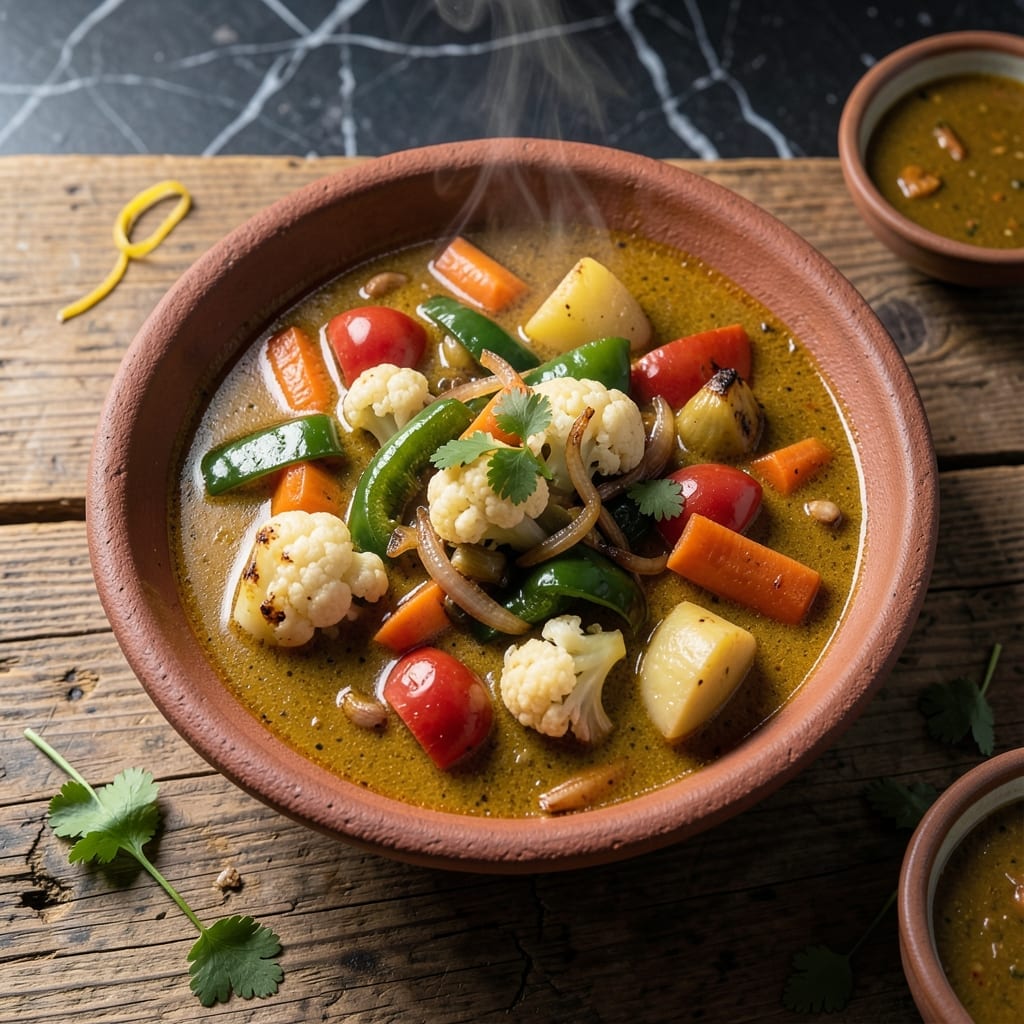
I spent years trying to replicate the rich, complex flavors of restaurant-style vegetable curry at home. This authentic recipe captures that depth through a careful balance of spices and slow cooking.
The key is blooming whole spices in hot oil to release their aromatic oils before adding vegetables. Simmering the curry allows flavors to meld into that signature restaurant-quality gravy.
What emerges is a vibrant dish with tender vegetables swimming in a velvety, spiced sauce. The layering of flavors creates a complexity that’s anything but ordinary.
Perfect for weeknight dinners or impressing guests with authentic Indian flavors. The technique ensures consistent results every time.
Ingredients for Mix Veg Curry Recipe Restaurant Style
Authentic Indian spices and fresh vegetables create this rich, restaurant-style curry with depth and complexity.
| Ingredient | Amount | Notes |
|---|---|---|
| Mixed Vegetables 🥕 | 6 cups | Potatoes, carrots, cauliflower, peas, green beans |
| Onion 🧅 | 2 whole | Medium, finely chopped |
| Tomatoes 🍅 | 3 whole | Medium, pureed |
| Garlic Cloves 🧄 | 6 cloves | Minced finely |
| Fresh Ginger 🌿 | 1 tbsp | Grated or minced |
| Green Chili Pepper 🌶️ | 2 whole | Slit lengthwise |
| Vegetable Oil 🫒 | ¼ cup | Or ghee for richness |
| Cumin Seeds 🌿 | 1 tsp | Whole for blooming |
| Mustard Seeds 🌿 | 1 tsp | Whole for blooming |
| Turmeric Powder 🌶️ | 1 tsp | Ground, for color |
| Coriander Powder 🌿 | 1 tbsp | Ground, for depth |
| Garam Masala 🌶️ | 1 tsp | Freshly ground preferred |
| Red Chili Powder 🌶️ | 1 tsp | Adjust to heat preference |
| Fresh Cilantro 🌿 | ¼ cup | Chopped, for garnish |
| Salt 🧂 | 1 ½ tsp | Adjust to taste |
[recipe_ingredient_scaler]
The whole spices are non-negotiable for authentic flavor. Patel Brothers or any Indian grocery will have the best selection of freshly ground garam masala and turmeric. Look for vibrant color in your powders—dull tones mean stale spices. The vegetables should be firm and fresh; farmers market produce often has superior flavor to supermarket options. For the oil, ghee adds richness, but vegetable oil works perfectly for a lighter touch.
No fresh ginger? Ground ginger at half the amount works, though fresh is superior. Out of cilantro? Fresh parsley offers a different but pleasant finish. For heat control, reduce or omit the green chili and adjust red chili powder to taste. The tomatoes can be canned if fresh aren’t ideal—San Marzano adds sweetness. Coconut milk (1/2 cup) can be added for a creamier gravy if desired.
Bloomed spices keep their potency for 2-3 months in airtight containers away from light. The curry tastes even better the next day once flavors meld. Stores in the fridge for 4-5 days or freezes for 3 months. Reheat gently to preserve the velvety texture of the gravy.
Why You’ll Love This Recipe
- One Pot Wonder: I just dump everything in and let the garlic and ginger work their magic while I set the table.
- Restaurant Quality: The fresh ginger and slow-cooked tomatoes give that deep, rich flavor I usually pay for at my favorite spot.
- Weeknight Hero: Between us, it’s my secret for feeding picky eaters and impromptu dinner guests with zero stress.
- Budget Stretcher: I use whatever veggies are on sale, and it still turns out ridiculously good—leftovers taste even better the next day.
Step-by-Step Instructions for Mix Veg Curry Restaurant Style
Master the authentic technique that creates a rich, deeply spiced gravy with perfectly cooked vegetables.
Step 1: Bloom the Whole Spices in Hot Oil
Heat the 0.25 cup vegetable oil in a heavy-bottomed pot over medium heat. When the oil shimmers, add the 1 tsp cumin seeds and 1 tsp mustard seeds. Stir constantly as they sizzle and pop—this should take about 30-45 seconds.
You’ll know they’re ready when the mustard seeds stop popping and the cumin turns fragrant and slightly darker. This blooming process unlocks their essential oils, creating the aromatic foundation for your curry. Be careful not to let them burn, as this will make the dish bitter.
Step 2: Build the Aromatic Base
Add the 2 whole onion (finely chopped) to the pot and sauté for 6-8 minutes until golden brown and translucent. The onions should caramelize slightly at the edges, adding sweetness to balance the spices.
Stir in the 6 cloves garlic cloves (minced), 1 tbsp fresh ginger (grated), and 2 whole green chili pepper (slit lengthwise). Cook for 2 minutes until the raw aroma disappears and the mixture becomes fragrant. This trio forms the flavor base that defines restaurant-style curry.
Step 3: Incorporate Spices and Tomatoes
Add the 1 tsp turmeric powder, 1 tbsp coriander powder, 1 tsp red chili powder, and 1.5 tsp salt. Stir continuously for 1 minute to toast the spices lightly—this prevents a raw taste and deepens their flavor.
Pour in the 3 whole tomatoes (pureed) and cook for 5-7 minutes until the oil begins to separate and the mixture thickens into a deep red paste. The tomatoes should cook down completely, losing their raw acidity while developing a rich, concentrated flavor that will form the gravy.
Step 4: Cook the Vegetables to Perfection
Add the 6 cups mixed vegetables to the pot, stirring to coat them thoroughly in the spiced tomato mixture. I arrange the vegetables in order of cooking time—potatoes and carrots first, followed by cauliflower, then peas and green beans.
Pour in 1 cup water, cover, and simmer on low heat for 15-20 minutes until the vegetables are tender but still hold their shape. Stir occasionally to prevent sticking. The gravy should thicken enough to coat the back of a spoon, with the oil glistening on the surface.
Step 5: Finish with Garam Masala and Fresh Cilantro
Sprinkle the 1 tsp garam masala over the curry and stir well. This final spice blend adds warmth and complexity, distinguishing restaurant-style curry from home cooking. Cook for an additional 2 minutes to allow the flavors to meld.
Garnish with the 0.25 cup fresh cilantro (chopped) just before serving. The bright, citrusy notes of cilantro cut through the richness of the dish. Let the curry rest for 5 minutes off the heat to allow the flavors to develop fully before serving with hot naan or steamed rice.
Pro Tips For Making Mix Veg Curry Recipe Restaurant Style
- Sauté Onions Slowly: Cook the onions until they turn golden brown—about 8-10 minutes on medium heat. I learned this the hard way: rushing them leaves the curry with a raw, harsh flavor.
- Grate the Ginger: Fresh ginger releases more flavor when grated fine, not just chopped. Sounds tedious, but it actually changes the outcome of your curry’s aroma.
- Skip the Water: Use tomato puree or blended tomatoes instead of water to thin the curry. My grandmother swore by this, and she was right: it builds deeper flavor.
- Cook Veggies Separately: Par-boil or stir-fry the mixed vegetables before adding to the curry to keep them crisp. Does it take an extra pan? Yes. Does it work? Every single time.
Flavor Customization for This mix veg curry recipe restaurant style
Spice Level Adjustments
For a milder version, remove the green chili peppers and reduce red chili powder to ½ tsp. I often do this when cooking for my nieces and nephews. The dish still retains all its aromatic complexity without the heat.
Creamy Variation
Stir in ½ cup coconut milk or heavy cream after adding the vegetables. This creates a richer, velvety texture that’s especially luxurious with cauliflower and potatoes. The cream balances the spices beautifully.
Protein Addition
Add 1 cup chickpeas or paneer cubes along with the vegetables for extra heartiness. For chickpeas, I recommend canned for convenience—just drain and rinse first. Paneer should be lightly fried first for the best texture. 💪
Flavor Boosters
For extra depth, add 1 tsp kasuri methi (dried fenugreek leaves) crushed between your palms at the end. A splash of lemon juice just before serving brightens all the flavors wonderfully.
Regional Twists
For a South Indian touch, add 1 tsp sambar powder with the other spices. In the north, some cooks add 2 tbsp yogurt for tanginess. I love how these small changes transport the dish to different parts of India. ✨
Herb Variations
If cilantro isn’t your favorite, try garnishing with fresh mint leaves or thai basil instead. Both add their own unique aromatic notes that complement the spices differently.
Nutrition Facts
Frequently Asked Questions
Can I use frozen vegetables instead of fresh?
Yes, but thaw and drain them first to prevent excess water in your curry. Frozen veggies work well if fresh aren’t available, though the texture may be slightly softer.
How do I prevent the curry from being too thin?
Simmer uncovered for 5-10 minutes after cooking to thicken the gravy. For faster results, mash a few potatoes in the curry to naturally thicken it.
What’s the best way to store leftovers?
Cool completely and store in an airtight container for up to 4-5 days. Reheat gently on the stove with a splash of water if needed.
Can I make this ahead of time?
The flavors deepen overnight in the fridge. Prepare up to 2 days in advance and reheat slowly before serving.

Trained in classic French technique but raised on slow-cooked ribs and spicy rubs, she blends culinary skill with smoke and soul.
- Recipe for Boneless Pork Chops in Cast Iron Skillet: Sear and Baste to Juicy Perfection - October 3, 2026
- Recipe for Boneless Cross Rib Roast: Slow-Roasted Beef with Herb Crust - October 3, 2026
- Hamburgers in Sauce Recipe Crock Pot: Slow-Cooked Savory Delight - October 3, 2026