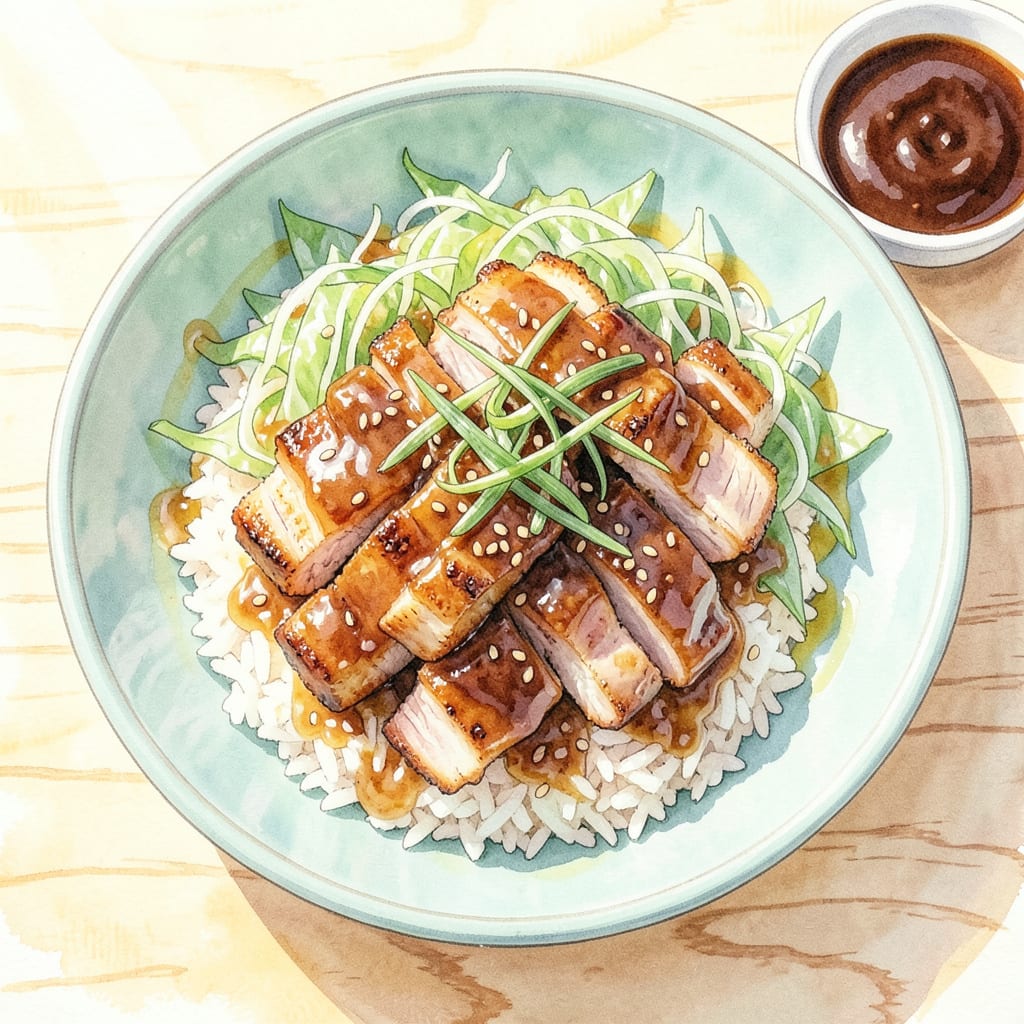
This Moo Shu Pork brings authentic Chinese takeout flavors to your home kitchen in 30 minutes—no complicated techniques required. The dish balances tender stir-fried pork with crisp vegetables and a rich hoisin glaze, all wrapped in warm mandarin pancakes for that signature restaurant experience.
Designed for efficiency, this recipe uses pre-portioned ingredients and a single pan, making it ideal for weeknight cooking. The pork cooks quickly in a savory marinade while the vegetables retain their crunch, ensuring every bite delivers the perfect combination of textures and flavors. Serve with store-bought pancakes or tortillas for an easy shortcut that doesn’t compromise on taste.
Ingredients for Moo Shu Pork Hellofresh
Thinly sliced pork, crisp vegetables, and pantry staples create this restaurant-quality dish in under 30 minutes.
| Ingredient | Amount | Notes |
|---|---|---|
| Pork Tenderloin 🥩 | 1 lb | Thinly sliced against the grain |
| Hoisin Sauce 🫙 | ⅓ cup | Plus extra for serving |
| Low-Sodium Soy Sauce 🫙 | 2 tbsp | Tamari for gluten-free option |
| Rice Wine Vinegar 🍶 | 1 tbsp | Unseasoned variety preferred |
| Sesame Oil 🫒 | 1 tsp | Toasted for optimal flavor |
| Cornstarch 🌾 | 1 tbsp | For velveting the pork |
| Napa Cabbage 🥬 | 2 cups | Thinly shredded (about ½ small head) |
| Shiitake Mushrooms 🍄 | 4 oz | Stems removed, thinly sliced |
| Carrots 🥕 | 2 whole | Julienned or matchstick-cut |
| Green Onions 🧅 | 3 whole | Thinly sliced, whites and greens separated |
| Garlic Cloves 🧄 | 3 cloves | Minced for maximum flavor |
| Fresh Ginger 🌿 | 1 tbsp | Peeled and finely grated |
| Mandarin Pancakes 🥞 | 8 pieces | Store-bought for convenience |
| Neutral Oil 🫒 | 2 tbsp | Avocado or vegetable oil preferred |
| Eggs 🥚 | 2 whole | Lightly beaten for filling |
[recipe_ingredient_scaler]
The pork tenderloin is optimal for its tenderness and quick cooking time. Look for well-marbled cuts at your butcher counter or pre-sliced options at Whole Foods or Trader Joe’s. Shiitake mushrooms should be plump with unbroken caps—avoid any with slimy surfaces. Fresh ginger and garlic are non-negotiable for authentic flavor; pre-minced varieties lack the necessary potency. The hoisin sauce quality significantly impacts the final dish—Koon Chun or Lee Kum Kee brands are professional kitchen standards.
For substitutions, cremini mushrooms can replace shiitake, though they offer less umami depth. Napa cabbage may be swapped with green cabbage (thinly sliced) or even coleslaw mix in a pinch. The rice wine vinegar is essential for balance, but apple cider vinegar works at a 1:1 ratio. Gluten-free adaptations require tamari instead of soy sauce and certified gluten-free hoisin. Mandarin pancakes can be replaced with flour tortillas warmed briefly in a dry skillet.
Preparation efficiency is key for this quick-cooking dish. Slice all vegetables and measure sauces before heating the pan. Cooked filling stores well refrigerated for 3 days or frozen for 1 month—reheat gently in a skillet with a splash of water. Mandarin pancakes should be kept in their original packaging until ready to warm; they reheat beautifully in a steamer or microwave between damp paper towels for 20 seconds.
Why You’ll Love This Recipe
- One-Pan Magic: I love that everything cooks in a single skillet—pork tenderloin slices, the hoisin-sesame glaze, even the quick-pickled veggies. No mountain of dishes, just bold flavor with minimal cleanup.
- Sweet-Savory Obsession: That first bite where the caramelized hoisin hits the tender pork, then the tang of rice wine vinegar cuts through? It’s the kind of balance I crave. The sesame oil finish makes it irresistibly aromatic.
- Meal Prep MVP: This reheats beautifully—pork stays juicy, sauces don’t separate. I double the batch and portion it over rice or wraps for lunches that actually taste better the next day.
- Budget-Friendly Luxe: Pork tenderloin feels fancy but costs less than steak, and a little hoisin goes a long way. I stretch it further with extra cabbage or scrambled eggs, and it still feels like a takeout splurge.
Step-by-Step Instructions for Moo Shu Pork
This streamlined method delivers authentic takeout flavor with minimal effort and maximum efficiency.
Step 1: Velvet the Pork for Optimal Texture
Begin by thinly slicing the pork tenderloin against the grain into ¼-inch thick strips. This ensures tenderness and even cooking. In a medium bowl, combine the sliced pork with the low-sodium soy sauce, rice wine vinegar, and cornstarch. Toss thoroughly to coat each piece evenly.
The cornstarch creates a protective layer that seals in moisture during cooking, resulting in that signature velvety texture. Let the mixture marinate for 10 minutes at room temperature while you prepare the remaining ingredients. This brief rest allows the cornstarch to fully absorb into the meat.
Step 2: Prepare the Vegetable Mixture
Heat 1 tablespoon of neutral oil in a large skillet or wok over medium-high heat. Add the shiitake mushrooms and cook for 3-4 minutes until they begin to soften and develop color. Then add the julienned carrots, shredded napa cabbage, white portions of the green onions, minced garlic, and grated ginger.
Stir-fry for 4-5 minutes until the vegetables are crisp-tender. The cabbage should wilt slightly but retain some texture, while the carrots should remain vibrant. Transfer the vegetable mixture to a clean bowl and set aside—this prevents overcooking when you combine everything later.
Step 3: Cook the Pork and Create the Sauce Base
In the same skillet, add the remaining 1 tablespoon of neutral oil and increase heat to high. Add the marinated pork in a single layer, working in batches if necessary to avoid crowding. Cook for 2-3 minutes per side until the pork develops a light golden crust and reaches an internal temperature of 145°F.
Return all pork to the skillet and add the hoisin sauce and sesame oil. Stir to coat the pork evenly, cooking for an additional 1-2 minutes until the sauce begins to caramelize slightly. The hoisin should create a glossy coating on the pork without becoming sticky.
Step 4: Combine Components and Prepare for Serving
Return the cooked vegetables to the skillet with the pork. Stir everything together and cook for 1-2 minutes just until heated through. The vegetables should maintain their texture while absorbing some of the sauce flavors. Remove from heat and stir in the green onion greens.
In a separate small nonstick skillet, heat the lightly beaten eggs over medium heat. Cook without stirring until just set, then gently fold into soft curds. Transfer the scrambled eggs to a cutting board and chop roughly before adding to the pork mixture.
Step 5: Assemble and Serve with Mandarin Pancakes
Warm the mandarin pancakes according to package instructions—typically 30 seconds per side in a dry skillet over medium heat. To serve, place a pancake on each plate and spoon about ½ cup of the pork mixture onto the center. Fold the pancake around the filling and serve immediately.
Provide additional hoisin sauce for dipping if desired. The ideal serving temperature is hot, with the pancakes slightly warm and pliable. Each bite should deliver a balance of tender pork, crisp vegetables, and the subtle sweetness of hoisin sauce.
Pro Cooking Tips for This Recipe
Perfect Pork Texture
The secret to that restaurant-quality tenderness lies in the velveting technique. I always slice the pork tenderloin against the grain into ¼-inch strips before tossing with cornstarch. This creates a protective layer that locks in juices during cooking. Let it marinate for the full 10 minutes—rushing this step means losing that melt-in-your-mouth quality. 💡
High-Heat Control
Your pan needs to be ripping hot before adding the pork—look for that shimmering oil surface. I use a cast iron skillet for even heat distribution. Cook the pork in batches if needed to avoid steaming. The goal is a quick sear that creates a golden crust while keeping the inside perfectly tender.
Sauce Balance
The hoisin sauce should coat the pork without becoming gummy. After adding it to the pan, I let it cook just until it starts to glaze the meat—about 1-2 minutes. Stir constantly to prevent burning. A splash of water can help if it thickens too quickly, but don’t overdo it or you’ll lose that rich, sticky consistency.
Vegetable Crunch
Timing is everything with the vegetables. I cook the mushrooms first until they release their moisture, then add the remaining veggies. The cabbage should wilt slightly but still have bite. If using pre-shredded coleslaw mix, reduce cooking time by 1 minute since it’s more delicate. The carrots should stay vibrant orange, not mushy.
Egg Technique
For those perfect scrambled egg ribbons, I use medium heat and let the eggs set undisturbed for 20 seconds before gently folding. The key is removing them while still slightly runny—they’ll finish cooking when mixed with the hot pork. Chop them roughly so they distribute evenly throughout the filling.
Pancake Prep
Mandarin pancakes can dry out quickly, so I warm them just before serving. A dry skillet over medium heat for 30 seconds per side does the trick. Keep them wrapped in a clean towel to maintain pliability. If using tortillas, warm them slightly longer—45 seconds per side—to prevent cracking when folding. ✨
Nutrition Facts

Trained in classic French technique but raised on slow-cooked ribs and spicy rubs, she blends culinary skill with smoke and soul.
- Recipe for Boneless Pork Chops in Cast Iron Skillet: Sear and Baste to Juicy Perfection - October 3, 2026
- Recipe for Boneless Cross Rib Roast: Slow-Roasted Beef with Herb Crust - October 3, 2026
- Hamburgers in Sauce Recipe Crock Pot: Slow-Cooked Savory Delight - October 3, 2026