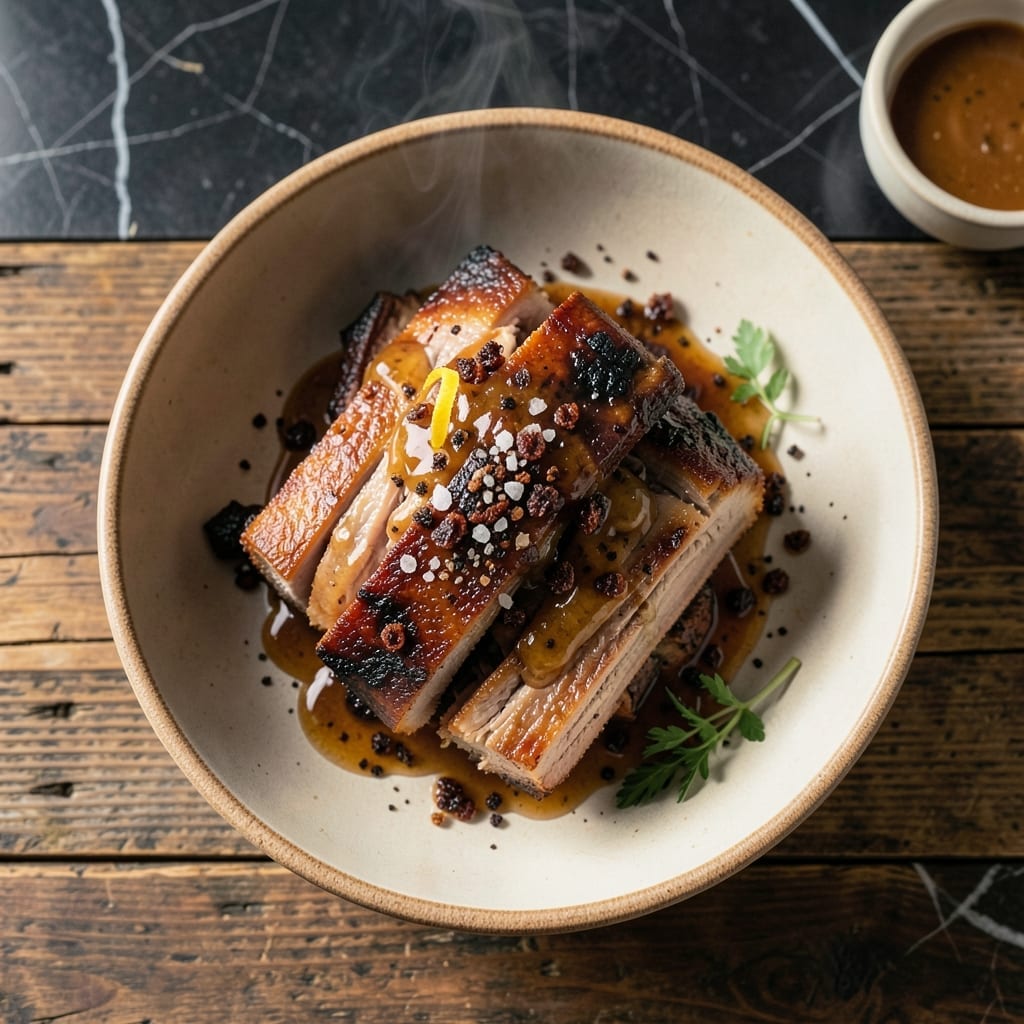
Getting my first whiff of hickory smoke always takes me back to family cookouts. This pulled pork captures that slow-smoked depth with a tangy vinegar base.
It’s the perfect blend of tradition and technique. The vinegar cuts through the richness while the smoke builds layers of flavor.
Ingredients for Nc Barbecue Recipe Pulled Pork
Slow-cooked pork plus a few bold ingredients for that iconic Carolina tang.
| Ingredient | Amount | Notes |
|---|---|---|
| Pork Shoulder 🐖 | 4 lb | Bone-in for best flavor |
| Apple Cider Vinegar 🍏 | 2 cups | For tangy base |
| Hickory Wood Chips 🪵 | 2 cups | Soaked for smoking |
| Brown Sugar 🍚 | ½ cup | Light or dark |
| Kosher Salt 🧂 | 2 tbsp | Diamond Crystal preferred |
| Black Pepper 🌶️ | 2 tbsp | Freshly ground |
| Garlic Powder 🧄 | 1 tbsp | For dry rub |
| Onion Powder 🧅 | 1 tbsp | For dry rub |
| Paprika 🌶️ | 1 tbsp | Smoked or sweet |
| Cayenne Pepper 🔥 | ½ tsp | Adjust for heat |
| Yellow Mustard 🟡 | ¼ cup | For mop sauce |
| Crushed Red Pepper Flakes 🌶️ | 1 tsp | For vinegar sauce |
| Worcestershire Sauce 🫒 | 2 tbsp | For depth |
[recipe_ingredient_scaler]
The pork shoulder is non-negotiable—bone-in, well-marbled is what you want. Most Costco locations carry great packs, or hit up a local butcher if you’re feeling fancy. Hickory wood chips are the traditional choice here (avoid mesquite, it’s too strong). Soak them for at least 30 minutes before smoking. The vinegar? Any apple cider vinegar works, but Bragg is a solid pick.
No hickory? Pecan or oak wood chips will still give you that smoky backbone. Out of apple cider vinegar? White vinegar in a pinch, but add a splash of lemon juice for brightness. The brown sugar can be swapped for turbinado or coconut sugar if that’s what’s in your pantry. And if you’re avoiding Worcestershire, coconut aminos get you close enough.
Pork keeps in the fridge for 4-5 days once cooked, and the vinegar sauce actually tastes better the next day. Freeze portions for up to 3 months (the texture changes slightly, but it’s still delicious). Always store the sauce separately if you can.
Why You’ll Love This Recipe
- Set It and Forget It: I love that I can rub the pork shoulder with salt and brown sugar, then let the smoker do the work with hickory chips for hours.
- Tangy and Sweet: The apple cider vinegar cuts through the richness of the pork, while the brown sugar caramelizes into a crust that’s irresistible.
- Feeds a Weekend: Honestly, this is my go-to for summer gatherings—it’s just as good on buns, in tacos, or piled on a plate with slaw.
- Leftovers for Days: One pork shoulder makes enough for sandwiches, nachos, and even a quick hash. Between us, it tastes even better the next day.
Step-by-Step Instructions for NC Barbecue Pulled Pork
Here’s the method I’ve perfected for that signature vinegar tang and fall-apart tenderness.
Step 1: Prepare the Pork Shoulder and Dry Rub
Pat the 4 lb Pork Shoulder dry with paper towels—this is crucial for the rub to adhere properly. In a bowl, combine the 2 tbsp Kosher Salt, 2 tbsp Black Pepper, 1 tbsp Garlic Powder, 1 tbsp Onion Powder, 1 tbsp Paprika, and 0.5 tsp Cayenne Pepper.
Rub this mixture all over the pork shoulder, pressing it into the meat so it forms a crust. I like to let it sit for 30 minutes at room temperature while I prep the smoker—this gives the spices time to start working their magic.
Step 2: Set Up the Smoker with Hickory Wood Chips
Soak the 2 cups Hickory Wood Chips in water for at least 30 minutes before smoking. While they soak, preheat your smoker to 225-250°F. I use a charcoal smoker, but an electric or pellet smoker works just as well.
Once the smoker is up to temperature, drain the 2 cups Hickory Wood Chips and add them to the smoker box or directly onto the coals. The goal is to maintain a steady stream of thin, blue smoke throughout the cook. Place the pork shoulder in the smoker, fat-side up, and insert a meat thermometer if your smoker doesn’t have one built in.
Step 3: Smoke the Pork to Perfection
Smoke the pork shoulder undisturbed for 6-8 hours, or until the internal temperature reaches 165-170°F. This is when the meat hits “the stall,” and the temperature will plateau as moisture evaporates.
While the pork smokes, prepare your mop sauce by mixing the 0.25 cup Yellow Mustard and 2 tbsp Worcestershire Sauce in a small bowl. Around the 4-hour mark, I like to start mopping the pork every 30-45 minutes to keep it moist and add layers of flavor.
Step 4: Wrap and Finish the Cook
Once the pork hits 170°F, it’s time to wrap it. I use a double layer of heavy-duty foil and add 0.5 cup Brown Sugar and ½ cup of the 2 cups Apple Cider Vinegar to the wrap. This creates a steamy environment that powers through the stall while adding a touch of sweetness and tang.
Return the wrapped pork to the smoker and continue cooking until the internal temperature reaches 200-205°F and the meat is probe-tender. This usually takes another 3-4 hours. The pork is done when a probe or fork slides in like butter with no resistance.
Step 5: Rest, Shred, and Sauce
Remove the pork from the smoker and let it rest in the foil for at least 1 hour. This resting period allows the juices to redistribute, making the meat even more tender and flavorful. Unwrap the pork and transfer it to a large cutting board or bowl.
Shred the pork using two forks or meat claws, discarding any large pieces of fat or bone. For the finishing touch, mix the remaining 1.5 cups Apple Cider Vinegar with the 1 tsp Crushed Red Pepper Flakes and pour it over the shredded pork. Toss everything together and let it sit for 10-15 minutes so the flavors meld. Serve on buns with extra vinegar sauce on the side.
Pro Tips For Making Nc Barbecue Recipe Pulled Pork
- Go Low and Slow: Keep your smoker or grill between 225-250°F—any hotter and the pork shoulder will toughen up before it has time to break down. I learned this the hard way after pulling a dry, chewy batch at 275°F.
- Dry the Shoulder First: Pat the pork shoulder completely dry with paper towels before seasoning. Sounds tedious, but it helps the salt and brown sugar stick and form that perfect bark.
- Skip the Sugar Rush: Don’t overdo the brown sugar in your rub—NC barbecue is vinegar-forward, and too much sweetness will clash with the tangy apple cider vinegar finish.
- Soak the Wood: Submerge hickory wood chips in water for at least 30 minutes before smoking. Dry chips burn too fast and can leave a bitter taste—I was skeptical until I tried it and noticed the difference.
Flavor Customization for This nc barbecue recipe pulled pork
Spice Level Adjustments
For milder heat, reduce the 0.5 tsp Cayenne Pepper to ¼ tsp or omit entirely. I often skip it when serving kids or sensitive palates. The 1 tsp Crushed Red Pepper Flakes in the vinegar sauce can also be halved for a gentler bite. 🌶️
Sweetness Variations
Prefer it sweeter? Add ¼ cup more Brown Sugar to the wrap or mix 2 tbsp honey into the vinegar sauce. This balances the tang beautifully while keeping the Carolina spirit. I like to use local honey from coastal farmers markets.
Smoke Intensity
For stronger smoke flavor, extend the unwrapped smoking phase to 8 hours before wrapping. If you love that hickory kiss, add extra 1 cup Hickory Wood Chips halfway through. Just remember, more smoke isn’t always better—thin, blue smoke is what you want.
Vinegar Tang Control
If you want more punch, increase the vinegar sauce by ½ cup when finishing. For less tang, reduce the final vinegar mix to 1 cup. The key is tasting as you go—I always adjust based on my mood that day.
Pro tip: Let the sauced pork sit for 15-20 minutes before serving to let flavors meld. 💡
Herb Infusions
I love adding 1 tbsp dried thyme or rosemary to the dry rub for an earthy note. Fresh herbs from my foraging spots work too—just use 2 tbsp chopped. This French technique twist elevates the rub beautifully.
Nutrition Facts
Frequently Asked Questions
What cut of pork works best?
Use bone-in pork shoulder for the juiciest results. The marbling and connective tissue break down during the long cook, creating that signature tenderness. Avoid lean cuts like tenderloin.
Can I use an oven instead of a smoker?
Yes! Set your oven to 225°F and use a roasting pan with a rack. Add 1-2 cups of water to the pan to create steam. The texture will be similar, though you’ll miss the smoky flavor.
How do I know when it’s done?
The pork is ready when it reaches 200-205°F internally and a probe slides in like butter. If it resists, keep cooking—it needs more time to break down.
Should I trim the fat before cooking?
Leave the fat cap on! It protects the meat during the long cook and adds flavor. You can trim any large pieces after shredding.

Trained in classic French technique but raised on slow-cooked ribs and spicy rubs, she blends culinary skill with smoke and soul.
- Recipe for Boneless Pork Chops in Cast Iron Skillet: Sear and Baste to Juicy Perfection - October 3, 2026
- Recipe for Boneless Cross Rib Roast: Slow-Roasted Beef with Herb Crust - October 3, 2026
- Hamburgers in Sauce Recipe Crock Pot: Slow-Cooked Savory Delight - October 3, 2026