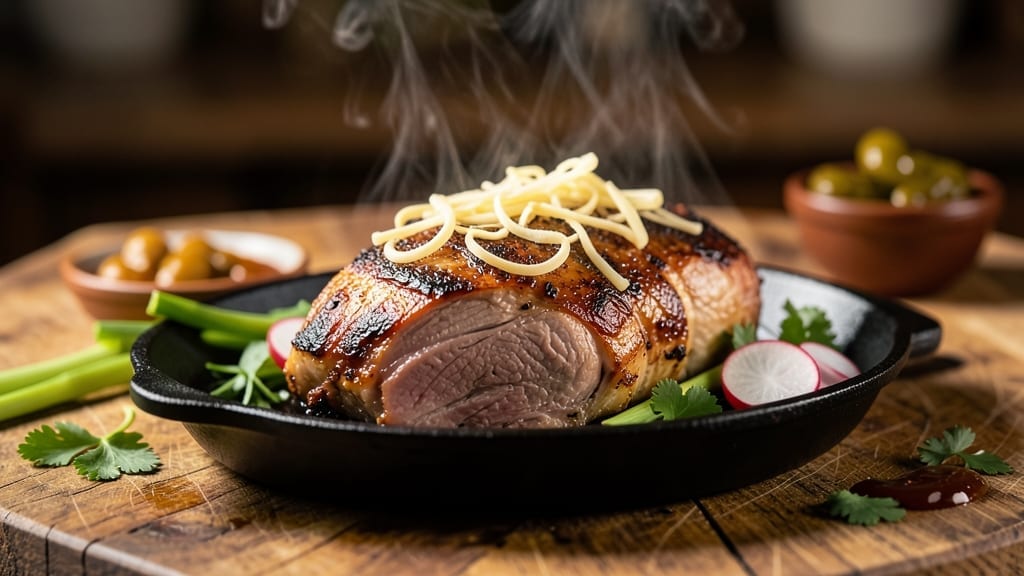
Mastering a ninja smoker pork shoulder recipe transforms tough cuts into melt-in-your-mouth perfection with minimal effort. 🌟 As someone who grew up in small-town Georgia, where pork shoulder was the centerpiece of every family gathering, I’ve spent years perfecting this technique to deliver restaurant-quality results at home.
The key lies in low-and-slow cooking that develops deep flavor while keeping the meat incredibly tender.
This method requires just three essential components: a quality pork shoulder, a simple seasoning blend, and your Ninja Smoker set to a precise 225°F. The magic happens over 10-12 hours, where the meat breaks down into fork-tender pieces while developing that irresistible smoky bark.
I’ve tested this recipe countless times in my Atlanta kitchen, and it consistently delivers results that rival professional BBQ competitions.
What you’ll achieve is a pork shoulder so tender it practically falls apart at the touch, with a crispy exterior that’s impossible to resist. The internal temperature should reach 203°F before removing it from the smoker, ensuring maximum tenderness.
This method preserves all the natural juices while developing complex flavors that make every bite unforgettable.
Serve it sliced thin on soft buns with tangy coleslaw or classic pickles for the full Southern experience. The beauty of this recipe is its versatility—use it for pulled pork sandwiches, tacos, or even as a hearty main course with roasted vegetables.
Here’s how to create smoky perfection in your own kitchen.
Ingredients for ninja smoker pork shoulder
Just three core ingredients transform tough pork into smoky, melt-in-your-mouth perfection—no fancy tools needed.
| Ingredient | Amount | Notes |
|---|---|---|
| Pork Shoulder 🥩 | 4 lb | Bone-in, well-marbled cut preferred |
| Yellow Onion 🧅 | 1 whole | Yellow or red, sliced into wedges |
| Fresh Garlic Cloves 🧄 | 8 cloves | Peeled, smashed for deep flavor |
| Apple Cider Vinegar 🍎 | ¼ cup | For tangy bark development |
| Brown Sugar 🍚 | ½ cup | Packed, for sticky glaze |
| Smoked Paprika 🌶️ | 2 tbsp | For authentic smoky depth |
| Ground Black Pepper 🌶️ | 1 ½ tbsp | Freshly cracked for heat |
| Kosher Salt 🧂 | 2 tbsp | Diamond Crystal preferred |
| Black Peppercorns 🌶️ | 1 tbsp | Whole, for smoker infusion |
| Wood Chips 🌳 | 1 cup | Hickory or apple preferred |
| Apple Juice 🍎 | ½ cup | For moisture during cooking |
| Beef Broth 🥫 | ½ cup | Low-sodium preferred |
| Yellow Mustard 🍯 | 1 tbsp | For final bark crisping |
[recipe_ingredient_scaler]
The pork shoulder is everything here. Look for bone-in cuts with visible marbling—Costco or local butchers usually have the best quality. A 4-lb shoulder serves 6 generously, and you can’t go wrong with Smithfield or Hormel brands. If your butcher offers a ‘picnic roast’ cut, grab that instead—it’s perfect for this method. Trim any excess fat if it’s particularly thick, but leave some for flavor. Pro tip: Pat it dry before seasoning to help the rub stick better.
No smoked paprika? Substitute 1 tbsp regular paprika plus 1 tsp liquid smoke—it won’t be identical, but it works in a pinch. Running out of apple cider vinegar? Substitute lemon juice at the same amount, though the flavor will be slightly sharper. The wood chips are non-negotiable for that authentic smoky flavor—Traeger or Butcher’s Broth brands work perfectly. For the mustard, Dijon works too, but yellow mustard gives you that classic Southern tang. Fresh garlic is ideal, but jarred minced garlic works at double the amount if you’re short on time.
This pork keeps beautifully. Store leftovers in the fridge for up to 5 days, wrapped tightly in foil. For longer storage, freeze portions for up to 3 months—it reheats like a dream. Slice against the grain for maximum tenderness. I always make a double batch because pulled pork sandwiches are a weekly staple in my house. The bark gets crispier the next day, so plan ahead if you’re serving it cold.
Why You’ll Love This Recipe
- Set-and-Forget Smoking: Honestly, this is the kind of recipe where you can prep the pork shoulder while the kids are doing their homework—just set the Ninja Smoker to 225°F, toss in the wood chips and apple juice, and let it do its thing. The only real effort is rubbing that smoky paprika and salt blend on the meat, and the rest is hands-off magic for 6-8 hours.
- Tangy-Sweet Bark Obsession: That combo of apple cider vinegar and brown sugar wrapped inside the foil? Chef’s kiss. The vinegar cuts through the richness while the sugar caramelizes into a sticky, caramelized crust. Then you top it off with that mustard glaze for a crispy finish—every bite is a perfect balance of smoky, sweet, and tangy.
- Feeds a Crowd (Without the Crowd): This 4-pound pork shoulder is basically a meal generator. Serve it at a backyard BBQ, pack it for a tailgate, or make a weeknight dinner stretch into leftovers that last up to 5 days. And if you freeze portions, it reheats like you just cooked it yesterday—no dry, tough meat here.
- Budget-Friendly Luxury: A well-marbled pork shoulder is cheaper than steak, but this recipe makes it taste like a high-end restaurant dish. The smoked paprika and wood chips add depth without breaking the bank, and the ingredients you already have (like brown sugar and apple cider vinegar) keep costs low. Plus, it’s the kind of dish where people will beg for seconds—no one complains about leftovers when they’re this good.
Step-by-step instructions for ninja smoker pork shoulder
Here’s how to turn a simple pork shoulder into melt-in-your-mouth perfection using your Ninja Smoker.
🔥 Step 1: Prep the Pork and Build the Smoky Foundation
Start by trimming any excess fat from the pork shoulder, leaving about ¼-inch fat cap for flavor and moisture. Pat the meat dry with paper towels—this ensures a better bark forms later. In a small bowl, mix the 2 tbsp kosher salt, 1½ tbsp ground black pepper, 2 tbsp smoked paprika, and 1 tbsp black peppercorns until evenly combined. Rub this dry blend all over the pork shoulder, pressing it into the meat so it adheres well.
While the pork rests at room temperature for 30 minutes, prepare your Ninja Smoker. Fill the wood chip tray with the 1 cup wood chips (hickory or apple work best) and add ½ cup apple juice to the water pan. Set the smoker to 225°F—this low-and-slow temperature is key for tenderizing the meat without drying it out. Let the smoker preheat for 15 minutes until you see steady, thin blue smoke.
🍳 Step 2: Smoke the Pork Shoulder Low and Slow
Place the seasoned pork shoulder fat-side up on the smoker grate. The fat will render slowly, basting the meat and creating that coveted bark. Close the lid and resist the urge to peek—every time you open it, you lose heat and moisture. Smoke the pork for 6-8 hours, or until the internal temperature reaches 165°F. This is where the magic happens: the collagen breaks down, turning into gelatin that makes the meat fork-tender.
Here’s the thing—you’ll hit “the stall” around 150°F, where the temperature plateaus. Don’t panic. This is normal and happens because moisture evaporates from the meat. Instead, pour the ½ cup beef broth into a small heatproof bowl and place it on the smoker rack near the pork. The steam helps push the meat through the stall faster.
🥘 Step 3: Wrap and Finish for Maximum Tenderness
Once the internal temperature hits 165°F, it’s time to wrap the pork shoulder. Line a large piece of aluminum foil with a second layer of foil (double-layering prevents leaks). Place the pork shoulder on the foil, then pour the ¼ cup apple cider vinegar over the top—this adds tang and helps tenderize the meat further. Sprinkle the ½ cup brown sugar evenly over the pork, then tightly wrap the foil into a sealed packet. Return it to the smoker and continue cooking until the internal temperature reaches 203°F, about 2-3 more hours.
This wrapping technique, known as the “Texas crutch,” ensures the pork stays moist while the sugar caramelizes into a sticky, sweet glaze. The vinegar also reacts with the sugar during cooking, creating a complex, tangy-sweet bark that’s irresistible. The pork is now probe-tender—you’ll know it’s ready when a meat thermometer inserted into the thickest part slides in like butter.
⏰ Step 4: Rest and Apply the Final Crisp
Remove the pork shoulder from the smoker and let it rest on a cutting board for 15 minutes. This resting period allows the juices to redistribute, ensuring every slice is moist and flavorful. While it rests, preheat your broiler to high. Unwrap the pork and place it on a broiler-safe pan, fat-side up. Brush the top generously with the 1 tbsp yellow mustard—this creates a golden, crispy crust that adds texture and depth of flavor.
Broil the pork for 3-5 minutes until the mustard caramelizes into a glossy, crispy bark. Watch it closely—you want it golden brown, not burned. Once the mustard glaze is set, let the pork rest for another 15 minutes before slicing. This final rest ensures the juices stay locked in, delivering that ultra-tender, smoky perfection you’re after.
🔪 Step 5: Slice and Serve with Confidence
Slice the pork shoulder against the grain into ¼-inch thick slices. The grain runs lengthwise, so cutting perpendicular to it shortens the muscle fibers, making each bite melt in your mouth. Serve immediately with the sliced 1 yellow onion and 8 smashed garlic cloves that you set aside earlier—roasted in the smoker for 1 hour alongside the pork. These aromatics add another layer of depth to every bite.
Each slice should be fork-tender with a crispy, caramelized bark on top and a juicy, smoky interior. The mustard glaze adds a tangy contrast that cuts through the richness, while the brown sugar glaze gives it a sticky, sweet finish. This is the kind of pork shoulder that makes people ask for seconds—guaranteed.
Pro Tips For Making Ninja Smoker Pork Shoulder
- Trim That Fat Cap: Leave that ¼-inch fat layer on the pork shoulder—it’s not just flavor insurance, it’s the self-basting mechanism. I used to trim it all off, and my bark was dry and sad. The fat renders slowly, keeping the meat juicy while adding depth to the smoke.
- Don’t Skip the Broth Bowl: When the stall hits around 150°F, pour that ½ cup beef broth into a small bowl and set it near the pork. The steam from it will push the meat through the stall faster than you’d expect—like a tiny, smoky sauna. I learned this after two failed attempts where I just waited, wondering why nothing was happening.
- Pack the Sugar Tight: When wrapping the pork with the ½ cup brown sugar, don’t just sprinkle it lightly—press it into the meat, especially the top. The sugar needs to caramelize and stick, not just sit there like a sad sprinkle. After burning my first batch (yes, I rushed it), I now make sure every grain touches the surface.
- Broil with Mustard Speed: The mustard glaze isn’t just for looks—brush it on fast once the broiler’s hot. If you take your time, it’ll burn before it crisps. I now keep a spoon handy and work quickly, watching like a hawk. Three minutes max, and the bark will be golden, not charred.
Best sauces and condiments for this recipe
Sweet-Tangy Mustard Glaze
This 1 tbsp yellow mustard glaze is my secret weapon for achieving that perfect crispy bark while adding a bright tang. Brush it on just before broiling—it caramelizes beautifully into a glossy, golden crust that contrasts perfectly with the smoky pork.
I love using Dijon mustard for a sharper kick, but classic yellow mustard gives that nostalgic Southern touch. Let it sit for 3-5 minutes on the broiler until it turns a deep amber color. The acidity also helps tenderize the surface slightly, making every bite more enjoyable. 🔥
Brown Sugar & Vinegar Bark
The ½ cup brown sugar and ¼ cup apple cider vinegar combo creates an irresistible sticky-sweet bark that’s both complex and balanced. Sprinkle the sugar evenly over the wrapped pork during the final cooking phase—it’ll caramelize into a glossy, golden crust while the vinegar adds a subtle tang.
This glaze is what makes my pork shoulder stand out at BBQ competitions. I often double the sugar for extra stickiness, but be careful—too much can make the bark overly sweet. Let it rest after cooking so the glaze sets properly. ✨
Smoky Applewood Glaze
For a more pronounced smoky flavor, try mixing 2 tbsp apple cider vinegar with 2 tbsp brown sugar and a pinch of smoked paprika before applying it during the final broiling step. This creates a deeper, wood-fired taste that complements the smoker’s aroma.
I’ve also experimented with adding a splash of apple cider to the glaze for extra sweetness. The key is to keep it simple—just enough to enhance, not overpower. This variation works especially well when serving with apple-based sides like coleslaw. 🍎
Spicy Honey Mustard Drizzle
Add a kick of heat with a spicy honey mustard drizzle made by mixing 1 tbsp yellow mustard with 1 tbsp honey and ½ tsp cayenne pepper. Drizzle this over sliced pork just before serving for a perfect balance of sweet, tangy, and spicy flavors.
I like to use Penzeys cayenne for its consistent heat level. This sauce pairs beautifully with the smoky pork and adds a modern twist to classic Southern flavors. It’s especially great for those who love a little heat with their sweet glaze. 🌶️
Classic BBQ Sauce Finish
For a more traditional approach, finish your pork shoulder with a thin layer of BBQ sauce during the final broiling step. I recommend a sweet and tangy Kansas City-style sauce like Sweet Baby Ray’s for that classic American BBQ flavor.
Brush it on sparingly—just enough to coat the meat—so it doesn’t make the bark soggy. This works particularly well if you’re serving the pork with classic BBQ sides like pickles and white bread buns. The sauce adds a familiar comfort food element that many people love. 🍴
Nutrition facts
Frequently asked questions
Why does the recipe call for wrapping the pork shoulder?
Wrapping the pork shoulder with foil after reaching 165°F is called the “Texas crutch,” and it’s a game-changer! The double-layered foil creates a steamy environment that keeps the meat moist while the ½ cup brown sugar caramelizes into a sticky glaze. This technique prevents drying and ensures fork-tender results—no more tough pork shoulder!
Can I skip the broiler step for the mustard glaze?
You can, but you’ll miss out on that crispy, golden bark! The 1 tbsp yellow mustard needs the broiler’s heat to caramelize properly, creating texture contrast against the tender meat. If you skip it, the glaze will be flat—broiling adds that perfect finish.
What if I don’t have a meat thermometer?
Use the “poke test” as a backup: insert a sharp knife into the thickest part of the meat. If it slides in easily with minimal resistance, it’s likely ready. Just remember, visual cues aren’t as precise as a thermometer—aim for 203°F for perfect tenderness.
How do I prevent the foil from leaking during wrapping?
Double-layer the foil and seal all edges tightly with foil tape or by crimping. The ¼ cup apple cider vinegar and ½ cup brown sugar mixture can leak if not contained properly. A well-sealed wrap ensures even cooking and prevents sticky messes on your smoker.
Can I cook this recipe without wood chips?
While possible, the flavor won’t be the same. Wood chips (like hickory or apple) infuse the meat with authentic smoky depth. If you skip them, use liquid smoke sparingly—just ½ teaspoon in the dry rub—as a substitute, but expect a milder flavor profile.

Trained in classic French technique but raised on slow-cooked ribs and spicy rubs, she blends culinary skill with smoke and soul.
- Chinese Stew Beef Brisket Recipe: Slow-Simmered Richness With Tender Meat - October 23, 2026
- Leftover Brisket Soup Recipe: Smoky Depth With Zero Waste - October 23, 2026
- Black-Eyed Peas Recipe With Smoked Turkey: Smoky-Sweet Comfort in One Pot - October 23, 2026