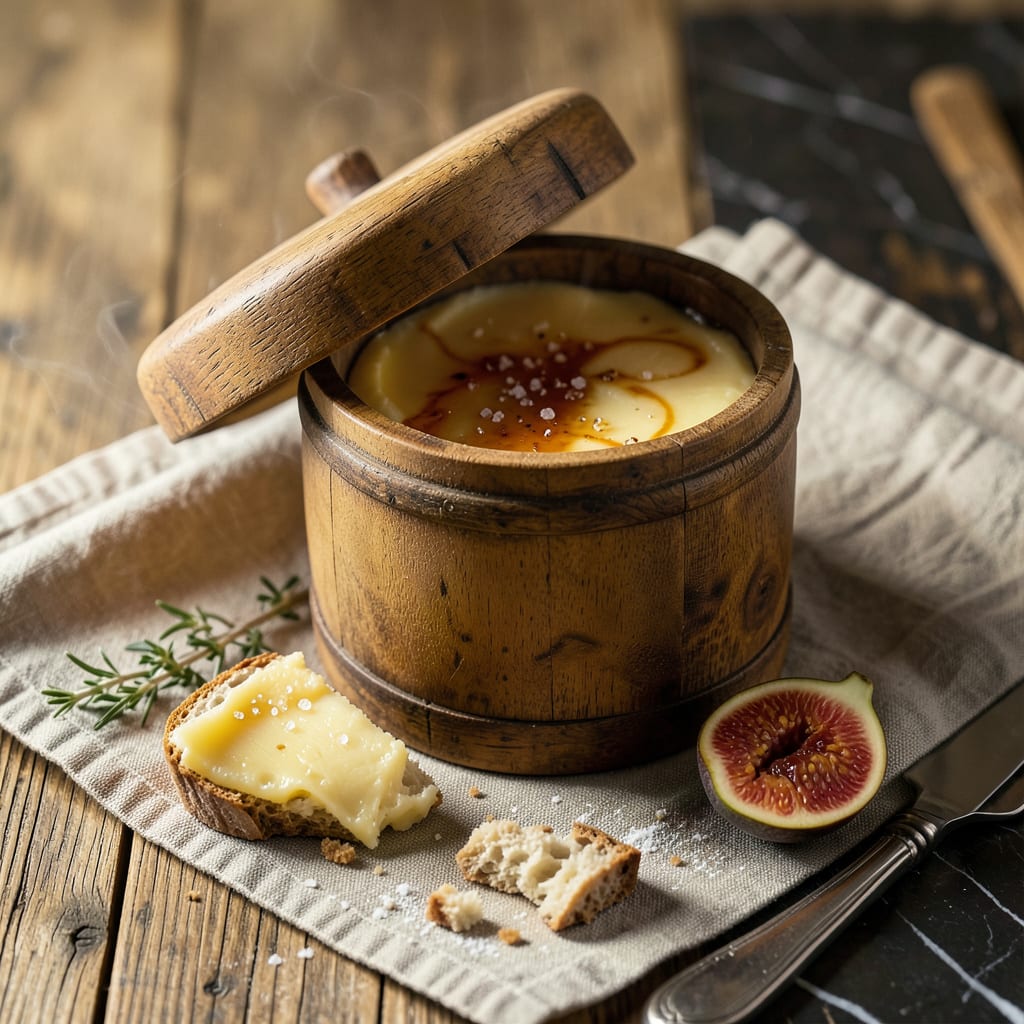
Old butter can often be used if it’s just slightly discolored or smells mild, but toss it if it develops a sour, rancid odor or mold. Freezing extends shelf life by 6-9 months, while refrigerated butter lasts 3-6 months past its date.
I’ve learned through years in the kitchen that butter’s shelf life depends heavily on storage conditions. When properly wrapped in airtight containers, it resists absorbing fridge odors that accelerate spoilage. The real game-changer? Clarifying slightly aged butter removes milk solids, giving it a second life for high-heat cooking. 🔥
What many don’t realize is that butter’s fat content makes it surprisingly resilient. A faint cheese-like aroma doesn’t always mean it’s bad—it might just be developing more complex flavors. I regularly use butter that’s a month past its date in baking, where sugar and spices mask subtle changes beautifully.
💡 In This Article
- How Butter Spoils and Signs of Rancidity
- Smart Ways to Revive and Repurpose Old Butter
How Butter Spoils and Signs of Rancidity
Butter’s downfall begins with oxidation—the process where fats break down when exposed to air, light, or heat. The milk fats in butter contain unsaturated bonds that react with oxygen, creating short-chain fatty acids. These compounds produce that telltale rancid smell, similar to stale paint or wet cardboard.
🔥 The reaction accelerates dramatically at room temperature, which is why butter left on the counter spoils 3-5 times faster than refrigerated butter.
Visual clues appear first: fresh butter has a pale yellow hue, while aging butter develops deeper yellow or even grayish streaks. Texture changes follow—fresh butter feels smooth and firm, but rancid butter may develop a slimy surface or grainy consistency.
The most reliable test is smell: fresh butter has a mild, creamy aroma, while rancid butter emits sharp, sour notes reminiscent of blue cheese or vinegar. These changes typically appear after 3 months in the fridge or 1 month at room temperature.
What happens when you consume rancid butter? The short-chain fatty acids irritate your digestive tract, potentially causing nausea or diarrhea. Your body recognizes these compounds as spoiled because they’re chemically similar to the byproducts of bacterial growth.
While not immediately dangerous in small amounts, rancid fats can generate free radicals that stress your system over time. This is why professional kitchens discard butter at the first sign of off-odors.
The spoilage timeline varies by storage method. Wrapped butter in the fridge lasts 6-9 months, while unwrapped butter absorbs odors and oxidizes faster. Freezing stops oxidation almost completely, extending shelf life to 12-18 months. Commercial butter often includes preservatives like citric acid that delay rancidity by 2-3 months.
I’ve found that butter stored in airtight containers with minimal air exposure stays fresh nearly twice as long as loosely wrapped sticks.
Temperature fluctuations speed up spoilage dramatically. Each time butter warms and cools (like during power outages or frequent fridge opening), condensation forms inside the packaging. This moisture creates microscopic pools where bacteria can grow.
That’s why butter in the fridge door spoils faster than butter stored in the coldest back section—door temperatures fluctuate by 10-15°F with each opening.
For those who bake regularly, here’s a pro tip: slightly oxidized butter (with just a hint of cheese aroma) actually enhances certain recipes. The developed flavors work wonderfully in savory pastries, cheese crackers, or even some cookie recipes where brown butter notes are desirable.
The key is knowing when the flavor crosses from “complex” to “spoiled”—a difference your nose will detect long before your taste buds do. ✨

Trained in classic French technique but raised on slow-cooked ribs and spicy rubs, she blends culinary skill with smoke and soul.
- Recipe for Boneless Pork Chops in Cast Iron Skillet: Sear and Baste to Juicy Perfection - October 3, 2026
- Recipe for Boneless Cross Rib Roast: Slow-Roasted Beef with Herb Crust - October 3, 2026
- Hamburgers in Sauce Recipe Crock Pot: Slow-Cooked Savory Delight - October 3, 2026