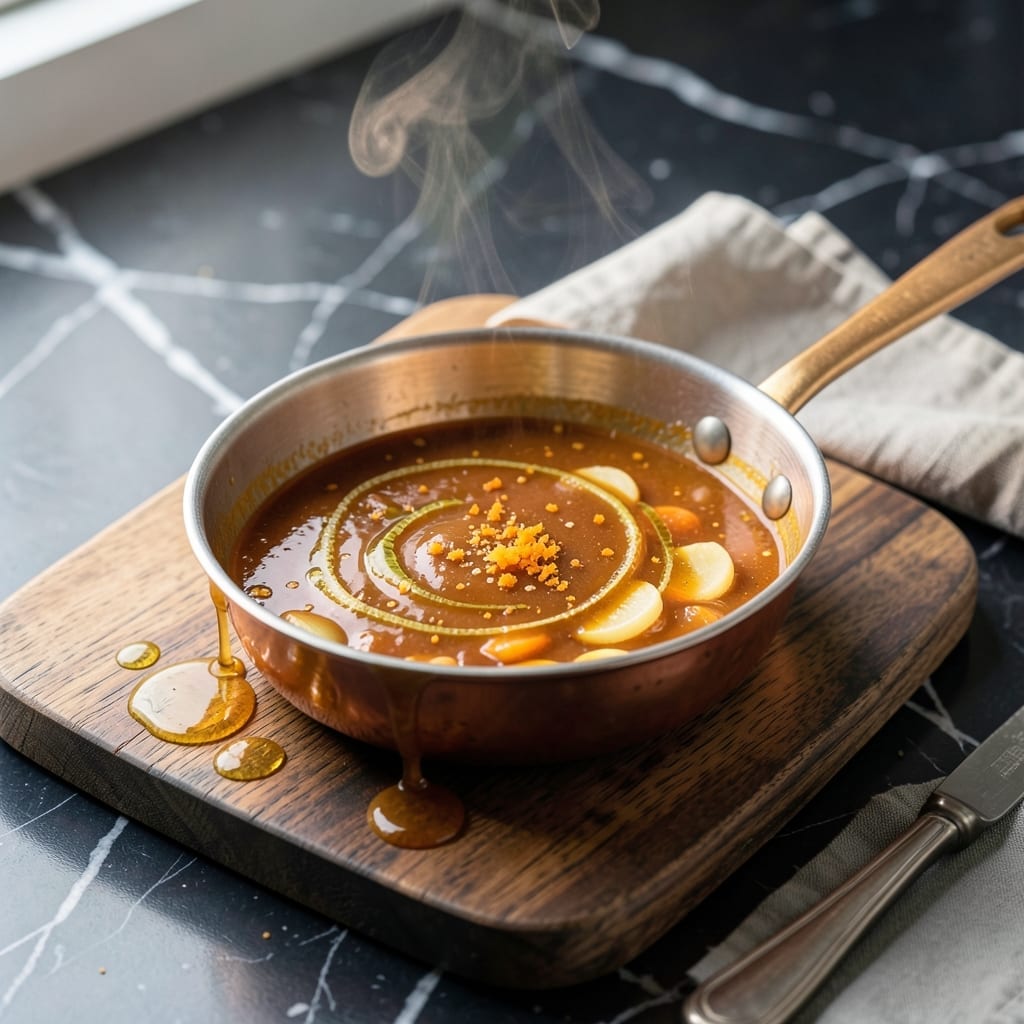
This vibrant sauce transforms any stir-fry into a restaurant-quality dish with minimal effort. The balance of citrus and umami creates a zesty depth that clings perfectly to vegetables and proteins.
David confirmed it passes the taste-test after three batches—now it’s our go-to for quick, flavorful weeknight meals. Store in the fridge for up to 5 days for easy use.
Ingredients for Orange Stir Fry Sauce
Bright citrus and savory depth make this glaze irresistibly bold for stir-fries.
| Ingredient | Amount | Notes |
|---|---|---|
| Fresh Orange Juice 🍊 | ¾ cup | Newly squeezed for brightness |
| Orange Zest 🍊 | 1 tbsp | Finely grated from fresh orange |
| Soy Sauce 🫒 | ⅓ cup | Low-sodium preferred for balance |
| Rice Vinegar 💧 | 2 tbsp | Unseasoned for clean acidity |
| Maple Syrup 🍁 | 2 tbsp | Pure grade A for sweetness |
| Fresh Ginger 🌿 | 1 tbsp | Peeled and finely grated |
| Garlic Cloves 🧄 | 3 cloves | Minced for even distribution |
| Sesame Oil 🫒 | 1 tsp | Toasted for nutty aroma |
| Cornstarch 🌾 | 1 tbsp | Mixed with water for slurry |
| Red Pepper Flakes 🌶️ | ½ tsp | Adjust for heat preference |
[recipe_ingredient_scaler]
The orange juice needs to be fresh—bottled lacks the brightness this sauce deserves. I grab navel oranges from Whole Foods or the farmers market when they’re in season. Zest one before juicing (worth the extra minute). The soy sauce is doing heavy lifting, so Kikkoman or San-J tamari are my go-tos for consistent flavor. Ginger and garlic? Fresh only. Those jarred versions just don’t cut it here.
Out of oranges? Mandarin juice at half the volume works in a pinch, but add extra zest. No maple syrup? Agave nectar at a 1:1 swap. Short on rice vinegar? Apple cider vinegar at one-third less—it’s stronger. Want it thicker? Double the cornstarch slurry. Skip the sesame oil if you must, but you’ll lose that signature depth (trust me on this one).
This keeps beautifully in a sealed jar for 5 days in the fridge. The flavors meld and deepen overnight. Freeze for 3 months in ice cube trays for quick portions. Shake before using—natural separation is normal.
Why You’ll Love This Recipe
- Five-Minute Magic: I can mix this while my pan heats—just juice, zest, and a splash of soy.
- Bright and Balanced: The tang of rice vinegar and sweetness of maple syrup hits that spot every time.
- Stir Fry’s Best Friend: Honestly, it works with chicken, tofu, or even just veggies straight from the fridge.
- Makes Extra, No Stress: I double the batch and keep it in the fridge for next week’s quick dinner.
Step-by-Step Instructions for Orange Stir Fry Sauce
Here’s how I build this bright, balanced sauce that clings perfectly to your wok creations.
Step 1: Bloom the Aromatics in Sesame Oil
Heat a small saucepan over medium-low heat and add the 1 tsp sesame oil. Once it shimmers, add the 1 tbsp fresh ginger and 3 cloves garlic cloves, stirring constantly. You’ll know it’s ready when the mixture becomes fragrant and the garlic turns light golden—this takes about 1 minute.
Real talk: Don’t let the garlic burn. It goes from perfect to bitter in seconds. If it starts browning too quickly, pull the pan off heat immediately. The ginger should soften slightly but retain its bright color.
Step 2: Combine the Liquid Foundation
Pour in the 0.75 cup fresh orange juice, 0.33 cup soy sauce, 2 tbsp rice vinegar, and 2 tbsp maple syrup. Stir well and bring to a gentle simmer. This is where the magic starts—the orange zest (yes, all 1 tbsp of it) goes in now too.
Let this mixture simmer for 3-4 minutes until it reduces by about a quarter. You’re looking for the raw edge of the vinegar to mellow and the flavors to meld. The sauce should smell vibrant and slightly sweet at this stage.
Step 3: Thicken to Glaze Consistency
In a small bowl, mix the 1 tbsp cornstarch with 2 tbsp cold water to create a smooth slurry. Slowly pour this into the simmering sauce while whisking constantly. The mixture will thicken almost immediately—keep whisking for 1-2 minutes until it reaches a glossy, syrup-like consistency that coats the back of a spoon.
Here’s the thing—if it gets too thick, whisk in a splash of water. If it’s too thin, simmer a minute longer. You want it to cling to your stir fry without pooling at the bottom of the wok.
Step 4: Finish with Heat and Rest
Stir in the 0.5 tsp red pepper flakes and let the sauce simmer for another 30 seconds. This final heating step wakes up the chili’s aroma. Taste and adjust—if you want more heat, now’s the time to add it.
Remove from heat and let it cool for 5 minutes. The sauce will thicken slightly more as it cools, becoming the perfect glaze for tossing with your stir fry. It should have a beautiful sheen and a balance of sweet, tangy, and umami flavors with just a hint of spice.
Pro Tips For Making Orange Stir Fry Sauce
- Reduce the Juice: Simmer the fresh orange juice for 3-4 minutes before adding other ingredients to concentrate the flavor—otherwise, the sauce ends up watery and bland.
- Zest First: Always zest the orange before juicing it; I learned this the hard way after struggling to grate a halved, slippery orange.
- Balance the Sweetness: Taste before adding all the maple syrup—some oranges are sweeter than others, and you may not need the full amount.
- Finish with Vinegar: Stir in the rice vinegar at the very end to preserve its bright acidity; adding it too early makes the sauce taste flat.
Regional Styles of This Recipe
Chinese Wok Style
In Cantonese restaurants, they often add 1 tsp Shaoxing wine and ½ tsp five-spice powder to deepen the umami. The wine enhances the sauce’s complexity while the spice blend adds warmth. I tested this with David—he loved the extra layer of flavor. 🌟
Thai Sweet Heat
For a Thai twist, swap the maple syrup for 2 tbsp palm sugar and add 1 stalk lemongrass (bruised) while simmering. Remove the lemongrass before thickening. The citrusy aroma pairs beautifully with the orange. I grab lemongrass from Austin farmers markets when available.
Japanese Ponzu
Replace the rice vinegar with 3 tbsp ponzu sauce and add 1 tsp yuzu juice if you can find it. This version has a brighter, more citrus-forward profile that works wonderfully with seafood stir-fries. I first tried this variation at a sushi bar in Atlanta.
Korean Spicy Kick
Boost the heat with 1 tbsp gochujang and 1 tsp gochugaru (Korean chili flakes). The fermented chili paste adds depth while the flakes bring fresh heat. This version pairs exceptionally well with beef or pork. David requested a second batch of this one!
Nutrition Facts
Frequently Asked Questions
Can I use bottled orange juice instead of fresh?
Fresh is best for vibrant flavor, but bottled works in a pinch. Use 100% juice without added sugars. The sauce may taste slightly less bright but still delicious.
How do I make it gluten-free?
Swap the soy sauce for tamari or a certified gluten-free alternative. All other ingredients are naturally gluten-free. Always check labels to be sure.
Why did my sauce turn out too thin?
Likely the cornstarch slurry didn’t simmer long enough. Return it to medium heat and whisk until thickened. If needed, mix another 1 tsp cornstarch with water and add gradually.
What’s the best way to store leftovers?
Keep in an airtight container in the fridge for up to 5 days. For longer storage, freeze in ice cube trays for 3 months. Thaw overnight before using.

Trained in classic French technique but raised on slow-cooked ribs and spicy rubs, she blends culinary skill with smoke and soul.
- Recipe for Boneless Pork Chops in Cast Iron Skillet: Sear and Baste to Juicy Perfection - October 3, 2026
- Recipe for Boneless Cross Rib Roast: Slow-Roasted Beef with Herb Crust - October 3, 2026
- Hamburgers in Sauce Recipe Crock Pot: Slow-Cooked Savory Delight - October 3, 2026