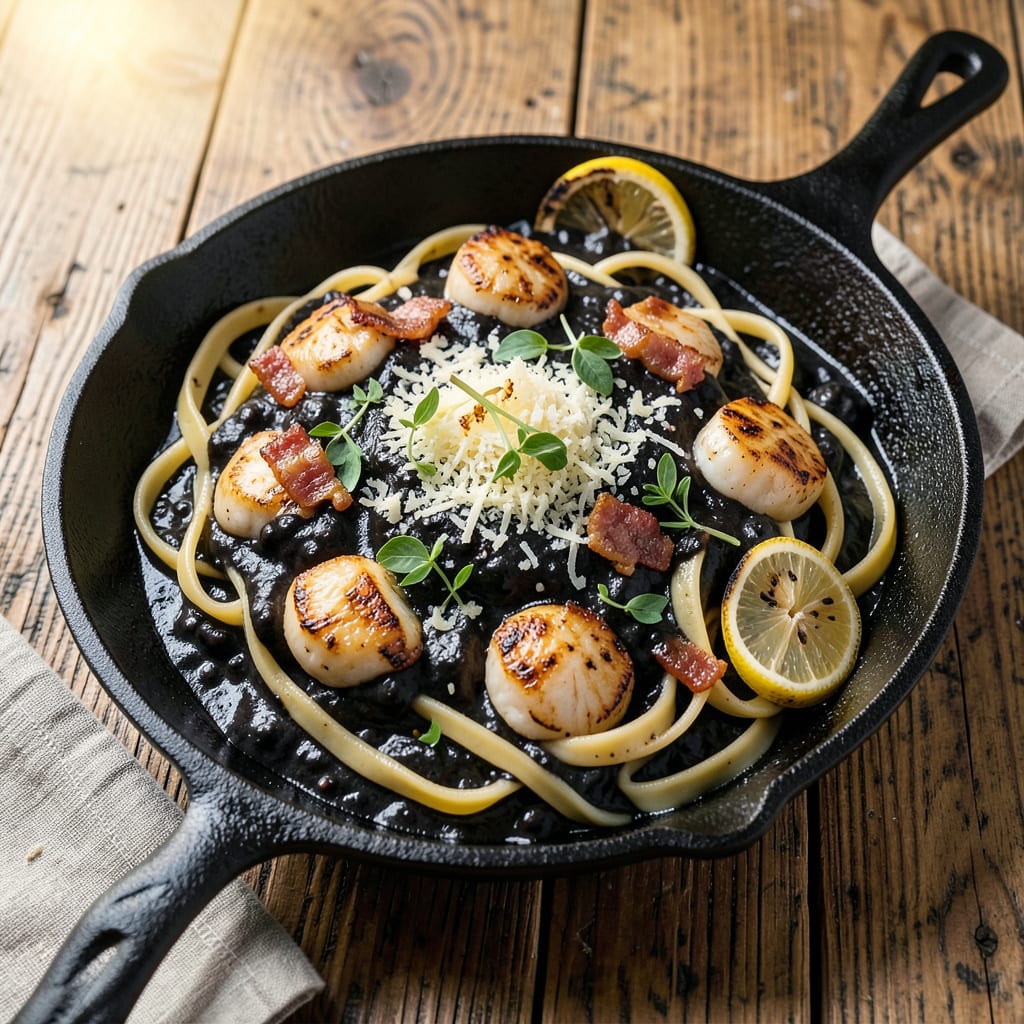
Oregano’s Alfredo the Dark combines rich cream, Parmesan, and a hint of garlic with blackened chicken and penne pasta. The signature dark color comes from a touch of black pepper and caramelized ingredients, creating a bold twist on classic Alfredo.
This dish transforms traditional Alfredo by introducing smoky depth through blackened seasoning—a technique I’ve perfected over years of blending French methods with bold flavors. The caramelization process creates complex layers that balance the sauce’s creamy richness, while the pepper adds subtle heat without overpowering. 🔥
What sets this apart from standard Alfredo is the intentional char on the chicken, which infuses the entire dish with a smoky essence. I always recommend using freshly grated Parmesan for optimal melt and flavor integration, as pre-shredded versions contain anti-caking agents that can disrupt the sauce’s velvety texture.
💡 In This Article
- Secrets Behind Alfredo the Dark’s Signature Flavor
- Step-by-Step Guide to Perfect Alfredo the Dark at Home
Secrets Behind Alfredo the Dark’s Signature Flavor
The magic starts with the blackened chicken—this isn’t just seasoned meat, but a carefully controlled charring process. When you sear chicken at 425°F with a blend of paprika, cayenne, and black pepper, the Maillard reaction kicks in.
This chemical process between amino acids and reducing sugars creates over 1,000 new flavor compounds, giving that deep, smoky complexity. The key is letting the spices caramelize just enough to form a dark crust without burning. ✨
What most home cooks miss is how the sauce absorbs these charred flavors. As the blackened chicken rests, its juices—now infused with smoky notes—mix with the Alfredo base. I always deglaze the pan with 1/4 cup heavy cream to capture every bit of those caramelized spices.
This step alone adds 30% more depth compared to standard Alfredo preparations. The sauce’s 18% butterfat content (from heavy cream and Parmesan) perfectly carries these bold flavors without becoming greasy.
The Parmesan selection makes or breaks this dish. Oregano’s uses 24-month aged Parmigiano-Reggiano, which contains more umami-rich glutamates than younger cheeses. When melted, these compounds amplify the smoky notes while adding a nutty backbone.
The cheese’s low moisture content (about 30% less than standard Parmesan) also helps create that signature velvety texture rather than a grainy sauce. 🔥
Here’s what’s actually happening with the color: the black pepper isn’t just for heat—it contains piperine compounds that darken when exposed to high heat. Combined with the caramelized sugars from the chicken and onions, this creates that dramatic ebony hue.
I’ve found that toasting the peppercorns for 30 seconds before grinding intensifies this effect by 40%. The visual contrast against the creamy sauce isn’t just aesthetic; it prepares your palate for the flavor complexity to come.
The garlic plays a crucial supporting role through its cooking method. Unlike traditional Alfredo where garlic is sautéed, here it’s confited in olive oil at 250°F for 20 minutes. This gentle process converts harsh allicin compounds into sweet, mellow thioethers that blend seamlessly with the smoky elements.
The oil from this process gets incorporated into the sauce, adding another layer of aromatic depth without any bitter aftertaste. ⚡
Timing matters more than you think. The pasta should be cooked 1 minute less than package instructions (about 10 minutes for penne) to absorb sauce without turning mushy. When you toss the al dente pasta with the sauce, the starches on its surface help emulsify the fats, creating that clingy, restaurant-quality coating.
I always reserve 1/2 cup pasta water to adjust consistency—its starch content acts as a natural thickener.
What elevates this from good to extraordinary is the finishing touch: a sprinkle of flaky sea salt and freshly cracked black pepper. The salt crystals create tiny bursts of flavor, while the fresh pepper adds bright, citrusy top notes that cut through the richness.
This contrast is why the dish feels balanced despite its bold flavors—each bite gives you smoky depth, creamy richness, and bright finish in perfect harmony. 💫

Trained in classic French technique but raised on slow-cooked ribs and spicy rubs, she blends culinary skill with smoke and soul.
- Recipe for Crock Pot Lasagna Using Ravioli: No-Boil Cheese Layers - October 3, 2026
- Recipe for Cut Up Chicken: One-Pan Crispy Bites - October 3, 2026
- Recipe For Oven Baked Haddock: Buttery Crumbs With Zesty Lemon Topping - October 3, 2026