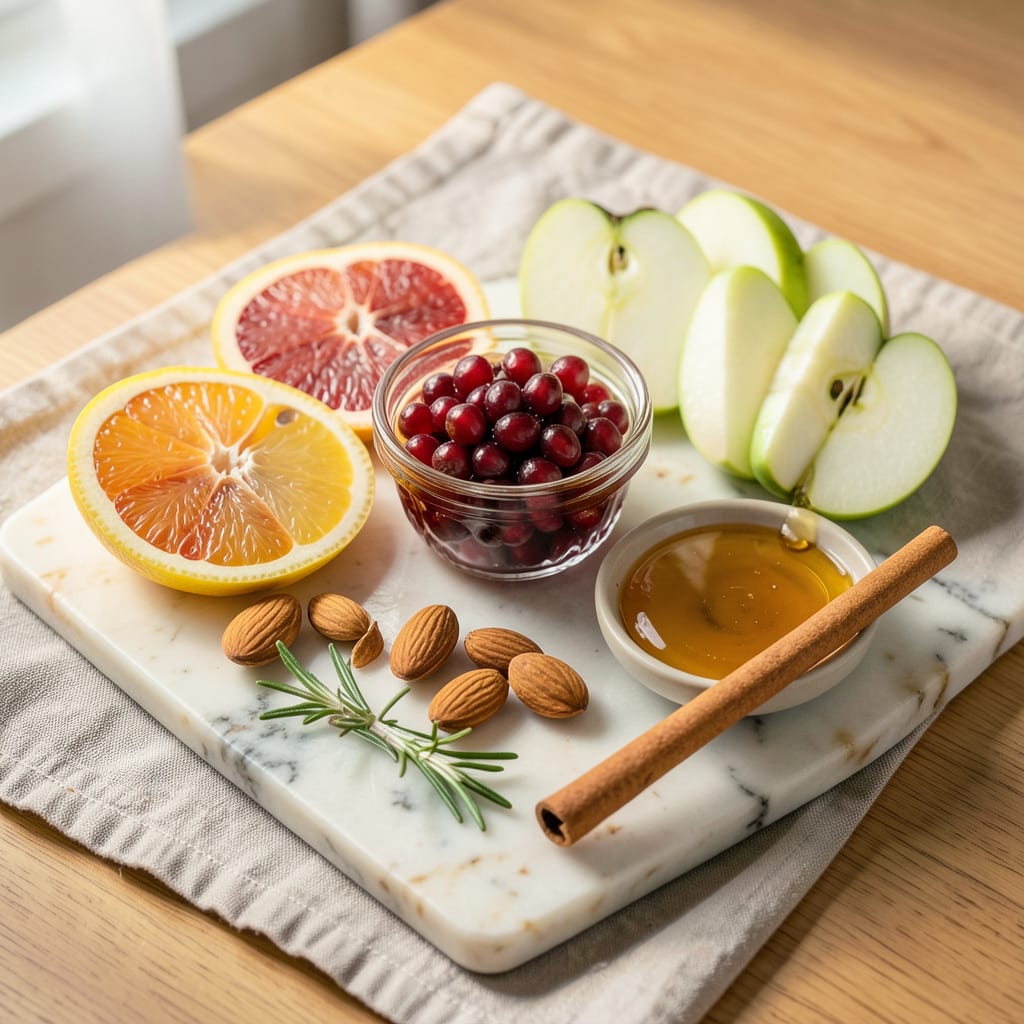
Rinse your mouth with warm salt water or lemon juice to neutralize the mint flavor. Eat citrus fruits, dairy products, or grain-based foods like bread to absorb and mask the taste quickly.
That stubborn minty freshness sticks around because menthol binds aggressively to your taste receptors—it’s not just in your head. 🔥 The science is fascinating: oils in mint dissolve slowly, which is why a simple water rinse won’t cut it. I’ve found that fatty foods like yogurt or cheese work wonders because they literally wash away the oil-based compounds, while acidic options (think orange slices or even a splash of vinegar) chemically break down the lingering taste.
Timing matters too. The faster you act, the better your chances of fully resetting your palate. That’s why I always keep crackers or a small piece of chocolate nearby when I’m testing mint-heavy recipes—it’s my emergency flavor reset button. ✨
💡 In This Article
- Why Minty Taste Lingers and How to Break It Down
- Best Foods and Drinks to Eliminate Minty Aftertaste
Why Minty Taste Lingers and How to Break It Down
Menthol—the active compound in mint—doesn’t just freshen your breath; it aggressively binds to your TRPM8 receptors, the same cold-sensitive proteins that react to icy temperatures. This creates that lingering “cool” sensation long after the mint is gone.
The oil-based nature of menthol means it dissolves slowly in saliva, which is why water alone barely touches it. 🔥
Here’s the kicker: menthol is fat-soluble, not water-soluble. That means it clings to the fatty membranes in your taste buds like a stubborn stain. Studies show menthol can remain detectable on the palate for up to 90 minutes after exposure—far longer than most flavors.
The concentration matters too: a standard peppermint contains 0.1-1% menthol, while strong mints or essential oils may pack 5-10%, explaining why some products leave a more intense aftertaste.
The solution lies in chemistry. Acidic compounds like citric acid (found in lemons) break down menthol’s molecular structure, while fats (think whole milk or cheese) literally dissolve and carry away the oil-based compounds.
Temperature plays a role too—warm liquids (100-110°F) increase blood flow to your taste buds, helping flush out lingering molecules faster than cold rinses.
Your saliva’s pH also influences how long the taste persists. Mint thrives in neutral pH environments (like your resting saliva at pH 6.2-7.4), but becomes unstable in acidic conditions. That’s why swishing with lemon juice (pH 2) or vinegar (pH 2.5-3) works so effectively—it creates an inhospitable environment for menthol to cling to your receptors.
✨
There’s a mechanical component too. The tiny papillae on your tongue (those bumpy textures you feel) trap menthol particles. Physical abrasion from crunchy foods like crackers or apples helps dislodge these particles, while dairy’s casein proteins bind to menthol molecules and wash them away.
This one-two punch of chemical and physical action explains why combining methods works best.
What most people miss: menthol also affects your olfactory receptors through retronasal smell (when aromas travel from mouth to nose). That’s why strong aromatics like coffee or cinnamon can help—they essentially “outcompete” the mint signals to your brain. The science shows that smelling fresh-ground coffee beans can reset your olfactory palette in under 30 seconds.
🌟

Trained in classic French technique but raised on slow-cooked ribs and spicy rubs, she blends culinary skill with smoke and soul.
- Recipe for Boneless Pork Chops in Cast Iron Skillet: Sear and Baste to Juicy Perfection - October 3, 2026
- Recipe for Boneless Cross Rib Roast: Slow-Roasted Beef with Herb Crust - October 3, 2026
- Hamburgers in Sauce Recipe Crock Pot: Slow-Cooked Savory Delight - October 3, 2026