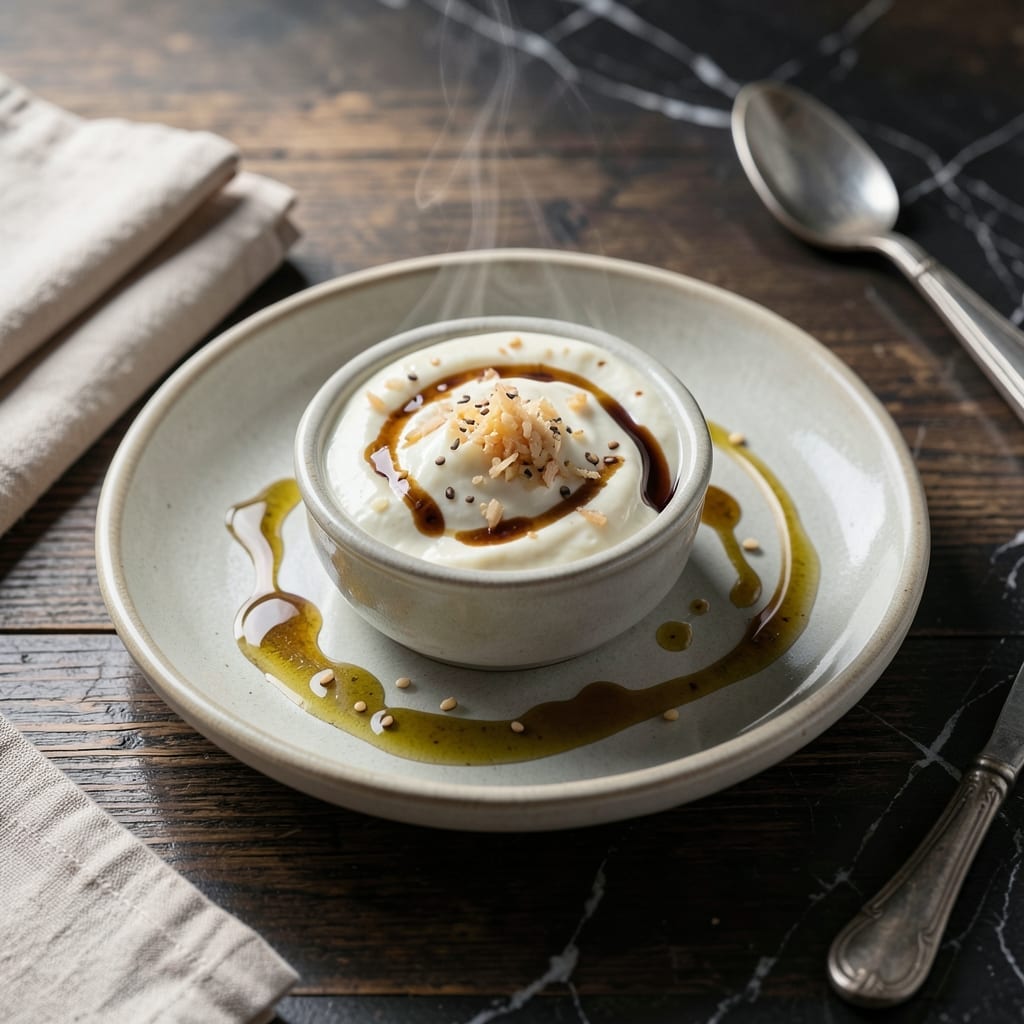
This creamy dipping sauce captures the bold, umami-rich flavors that perfectly complement seared ahi tuna. A balanced blend of soy and ginger creates depth without overpowering.
The smooth texture comes from a precise emulsion technique, ensuring it clings beautifully to every bite. Creamy yet light, it elevates the tuna’s natural richness with each dip.
Ingredients for Outback Ahi Tuna Dipping Sauce
Nine ingredients blend into this velvety, umami-packed dipping sauce for seared ahi.
| Ingredient | Amount | Notes |
|---|---|---|
| Mayonnaise 🥚 | ¾ cup | Full-fat for creaminess |
| Soy Sauce 🥢 | 3 tbsp | Low-sodium preferred |
| Fresh Ginger Root 🌿 | 1 tbsp | Peeled, finely grated |
| Rice Vinegar 🍶 | 1 tbsp | Unseasoned variety |
| Sesame Oil 🫒 | 1 tsp | Toasted for depth |
| Granulated Sugar 🍚 | 1 tsp | Balances acidity |
| Garlic Cloves 🧄 | 2 cloves | Minced to paste |
| Green Onions 🧅 | 2 tbsp | Finely chopped, green part only |
| Sriracha Sauce 🌶️ | ½ tsp | Adjust to taste |
[recipe_ingredient_scaler]
The mayonnaise base is non-negotiable for that signature creaminess—Duke’s or Hellmann’s deliver the right richness. For soy sauce, Kikkoman low-sodium keeps the flavor balanced without overwhelming saltiness. Fresh ginger is key; look for firm, smooth roots at Whole Foods or Asian markets. The rice vinegar should be unseasoned to avoid added sweetness conflicting with the sugar.
No fresh ginger? Ground ginger at one-third the amount works in a pinch (though fresh is superior). Swap sriracha for ambal or gochujang for different heat profiles. For a gluten-free version, tamari replaces soy sauce 1:1. The sesame oil must be toasted—Kadoya brand is widely available and reliable for that nutty depth.
This sauce keeps 5-7 days refrigerated in an airtight container. The flavors meld and deepen after 24 hours, so make it ahead if possible. Do not freeze—mayonnaise separates upon thawing.
Why You’ll Love This Recipe
- I’ll be real: it keeps for a week, so I always make a double batch for impromptu snacking.
- Five Minute Whip: I just toss mayo, soy sauce, grated ginger, rice vinegar, and a drizzle of sesame oil in a bowl—no cooking, no fuss.
- Umami Bomb: The soy and sesame oil hit that salty-savory note while fresh ginger gives it a bright kick that’s ridiculously good.
- Dips Everything: Honestly, I’ve used this on ahi tuna, veggie sticks, and even as a burger spread—it’s my secret weapon.
Step-by-Step Instructions for Ahi Tuna Dipping Sauce
This method ensures a silky, well-balanced sauce with layers of umami and subtle heat.
Step 1: Prepare the Aromatics and Alliums
Peel and finely grate the 1 tbsp Fresh Ginger Root until you have a smooth paste. I use a microplane for this as it captures the fibrous ginger juice efficiently. Mince the 2 cloves Garlic Cloves to a fine paste consistency—this ensures even distribution without overwhelming texture.
Finely chop the 2 tbsp Green Onions, using only the green parts for a mild, fresh onion flavor. This preparation creates the aromatic base that defines the sauce’s complexity. Set these aside in a small prep bowl for easy access during mixing.
Step 2: Combine Wet Ingredients for Creamy Base
In a medium mixing bowl, measure out the 0.75 cup Mayonnaise. Using full-fat mayonnaise is crucial here—it provides the rich, velvety texture that defines this dipping sauce. The higher fat content emulsifies better with the other ingredients.
Add the 3 tbsp Soy Sauce, 1 tbsp Rice Vinegar, and 1 tsp Sesame Oil to the mayonnaise. The soy sauce contributes salty depth, while the rice vinegar adds a subtle tang that brightens the overall flavor. The toasted sesame oil introduces a nutty aroma that complements the other elements perfectly.
Step 3: Incorporate Aromatics and Sweeten
Add the prepared ginger, garlic, and green onions to the wet mixture. Stir in the 1 tsp Granulated Sugar—this balances the acidity from the vinegar and soy sauce while rounding out the flavor profile. The sugar dissolves completely when whisked vigorously for 30 seconds.
Now add the 0.5 tsp Sriracha Sauce for a gentle heat that builds gradually. I prefer to start with the full amount, then adjust to taste after the sauce rests. The capsaicin in the sriracha will mellow slightly as the flavors meld during the resting period.
Step 4: Rest and Adjust Seasoning
Cover the bowl and refrigerate for at least 30 minutes to allow the flavors to marry. This resting period is essential—the garlic and ginger will infuse the sauce with their full aroma, while the sugar fully dissolves and the heat from the sriracha balances with the creamy base.
After resting, give the sauce a final whisk and taste. The texture should be smooth and pourable, coating the back of a spoon with a slight sheen. If you prefer more heat, add additional sriracha in ¼ tsp increments, whisking well after each addition. The flavor will continue to develop over the next 24 hours in the refrigerator.
Pro Tips For Making Outback Ahi Tuna Dipping Sauce
- Grate Ginger Fine: Use a microplane for the ginger—it blends seamlessly into the sauce and avoids those stringy bits that ruin the texture. I learned this the hard way after picking ginger out of my teeth at dinner.
- Whisk Before Resting: Let the sauce sit for 10-15 minutes after mixing so the flavors meld, but give it a quick whisk right before serving to re-emulsify the mayo and oils.
- Skip Low-Sodium Soy: Sounds weird, but it works: regular soy sauce gives the dipping sauce that bold, salty punch it needs to stand up to the tuna. Low-sodium just tastes flat here.
- Toast the Sesame Oil: Warm the sesame oil for 10 seconds in the microwave before adding it—just enough to bring out its nuttiness without cooking the mayo. My grandmother swore by this, and she was right.
Storing and Reheating This Recipe
Refrigerator Storage
Transfer this sauce to an airtight container once fully cooled—I prefer glass jars with tight lids. Store at 40°F or below for up to 5-7 days. The flavors deepen beautifully after 24 hours as the ginger and garlic meld. ❄️
Prevent Separation
Before each use, give the sauce a vigorous stir. If separation occurs, whisk in 1 tsp cold water to restore the emulsion. The mayonnaise base can thicken slightly over time, but this quick fix brings it back to perfect dipping consistency.
No Freezing
Do not freeze this sauce—mayonnaise does not handle thawing well and will separate permanently. The texture becomes grainy and the flavor profile dulls. Fresh batches are quick to make and taste far superior to frozen versions.
Serving Temperature
Serve this sauce chilled or at room temperature for best flavor. If you’ve stored it in the fridge, let it sit at room temp for 10-15 minutes before serving to allow the aromatics to awaken. Cold can mute the ginger and garlic notes.
Make-Ahead Tip
This sauce actually improves with a little time. I often make it 1 day ahead to let the flavors fully develop. Just
Nutrition Facts
Frequently Asked Questions
Can I substitute Greek yogurt for mayonnaise?
Yes, but the texture will be lighter and less creamy. Use full-fat Greek yogurt for best results. You may need to add 1 tsp lemon juice to balance the tang.
How spicy is this sauce with the sriracha?
The ½ tsp sriracha adds mild heat that builds gently. For no spice, omit it entirely. For more kick, add in ¼ tsp increments to taste.
What can I use if I don’t have rice vinegar?
Apple cider vinegar or lime juice work well as substitutes. Use the same 1 tbsp amount, but taste first—some vinegars are stronger than others.
Can I make this sauce ahead for a party?
It actually tastes better after 24 hours in the fridge. Just give it a stir before serving and adjust seasoning if needed.

Trained in classic French technique but raised on slow-cooked ribs and spicy rubs, she blends culinary skill with smoke and soul.
- Recipe for Boneless Pork Chops in Cast Iron Skillet: Sear and Baste to Juicy Perfection - October 3, 2026
- Recipe for Boneless Cross Rib Roast: Slow-Roasted Beef with Herb Crust - October 3, 2026
- Hamburgers in Sauce Recipe Crock Pot: Slow-Cooked Savory Delight - October 3, 2026