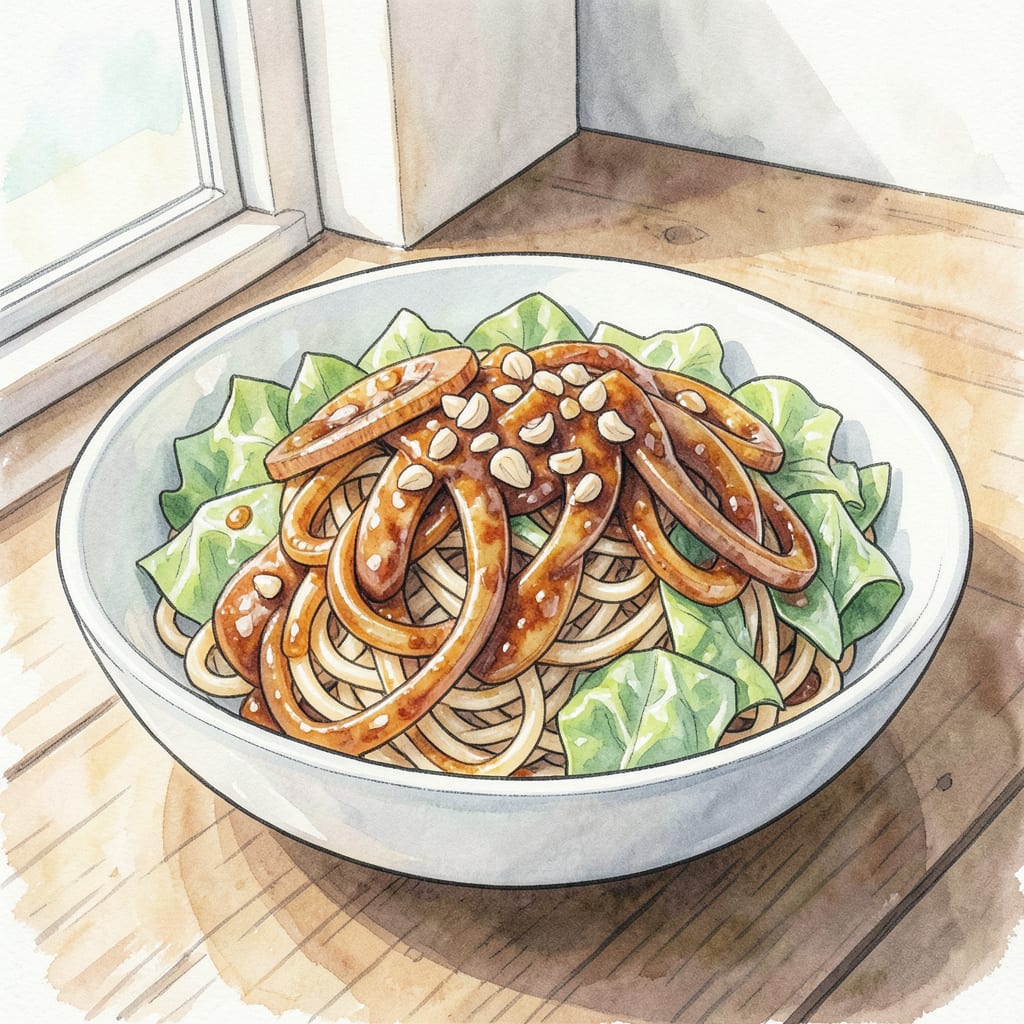
I’ve perfected a Panda Express-style Lo Mein recipe that brings restaurant-quality stir-fry to your home kitchen. This dish features tender noodles, crisp vegetables, and savory sauce, all cooked to perfection in under 30 minutes.
With simple ingredients and straightforward instructions, you’ll achieve that signature Lo Mein flavor everyone loves. Let’s get cooking and bring a taste of Panda Express to your table!
Ingredients for Panda Express Lo Mein
Simple ingredients for a restaurant-quality Lo Mein. Quick prep, big flavor.
| Ingredient | Amount | Notes |
|---|---|---|
| Lo Mein Noodles 🍜 | 8 oz | Dried or fresh, preferably wheat-based |
| Vegetable Oil 🫒 | 2 tbsp | Neutral oil like canola or grapeseed |
| Garlic Cloves 🧄 | 3 cloves | Minced or pressed |
| Ginger 🍜 | 1 tbsp | Freshly grated |
| Onion 🧅 | 1 whole | Thinly sliced |
| Cabbage 🥬 | 2 cups | Shredded, any variety |
| Carrots 🥕 | 1 cup | Julienned or grated |
| Bean Sprouts 🌱 | 1 cup | Fresh, rinsed |
| Scallions 🌿 | ½ cup | Thinly sliced, for garnish |
| Soy Sauce 🧂 | 2 tbsp | Low-sodium preferred |
| Oyster Sauce 🦪 | 1 tbsp | Optional, for authentic flavor |
| Sesame Oil 🫒 | 1 tsp | For finishing, not cooking |
| Sugar 🍮 | 1 tsp | White or brown |
| Salt 🧂 | ½ tsp | To taste, preferably kosher |
| Black Pepper 🌶️ | ¼ tsp | Freshly ground |
[recipe_ingredient_scaler]
For authentic Lo Mein, get fresh noodles from an Asian market or use dried wheat noodles. Costco often has good dried options. If using dried, cook al dente, rinse under cold water to stop cooking. Fresh takes about 2-3 minutes in boiling water. The veggies can be customized—add bell peppers, mushrooms, or snow peas if you like.
No oyster sauce? Hoisin sauce is a decent substitute, though it’s sweeter. For a vegetarian version, skip the oyster sauce entirely or use mushroom sauce. Soy sauce is essential, so choose a good brand like Pearl River Bridge or Kikkoman. Sesame oil adds depth—just a teaspoon at the end preserves its flavor.
Leftover Lo Mein keeps for 3-4 days in the fridge. Reheat in a wok or large skillet with a splash of water or broth to loosen the noodles. Freezes well too—portion into containers, freeze for up to 3 months. Thaw overnight in the fridge, reheat as needed.
Step-by-Step Instructions for Panda Express Lo Mein
Here’s the method to create this restaurant-quality stir-fry in the comfort of your own kitchen.
Step 1: Prepare the Lo Mein Noodles and Vegetables
Start by cooking the 8 oz Lo Mein Noodles according to package instructions until they’re al dente. I prefer to undercook them slightly since they’ll continue cooking when stir-fried. Drain and set aside. While the noodles cook, prepare your vegetables: mince the 3 cloves Garlic Cloves, grate 1 tbsp Ginger, thinly slice 1 whole Onion, shred 2 cups Cabbage, julienne 1 cup Carrots, and rinse 1 cup Bean Sprouts. Having everything ready before you start cooking is crucial for a smooth stir-fry.
Once your vegetables are prepped, thinly slice 0.5 cup Scallions for garnish and set aside. This step ensures that all your ingredients are ready to go when you start cooking, making the process much smoother.
Step 2: Heat the Wok or Large Skillet
Heat 2 tbsp Vegetable Oil in a large wok or skillet over high heat until it starts to shimmer. When the oil is hot enough, add the minced 3 cloves Garlic Cloves and grated 1 tbsp Ginger. Stir-fry for 30 seconds until fragrant, being careful not to let the garlic burn. The aroma of garlic and ginger will fill your kitchen, signaling that your stir-fry is off to a great start.
Next, add the thinly sliced 1 whole Onion to the wok. Stir-fry for 2-3 minutes until the onion becomes translucent and starts to caramelize. The onion adds a sweet depth of flavor that complements the savory elements of the dish.
Step 3: Add the Remaining Vegetables and Noodles
Add the shredded 2 cups Cabbage, julienned 1 cup Carrots, and 1 cup Bean Sprouts to the wok. Stir-fry for 3-4 minutes until the vegetables are tender-crisp. The key here is to maintain high heat while constantly stirring to achieve that perfect tender-crisp texture. You’ll know it’s ready when the vegetables still have a bit of crunch but are no longer raw.
Now, add the cooked 8 oz Lo Mein Noodles to the wok, along with 2 tbsp Soy Sauce, 1 tbsp Oyster Sauce, 1 tsp Sugar, 0.5 tsp Salt, and 0.25 tsp Black Pepper. Stir-fry everything together for another 2-3 minutes, ensuring the noodles are well coated with the sauce and heated through. The noodles should be nicely seasoned and slightly caramelized from the sauce.
Step 4: Finish and Serve
Remove the wok from the heat and stir in 1 tsp Sesame Oil. This final addition gives the lo mein a rich, nutty flavor and a glossy finish. Transfer the lo mein to a serving platter or individual plates, and garnish with the thinly sliced 0.5 cup Scallions. Serve immediately while the noodles are still hot and the vegetables are at their crispiest.
Your Panda Express-style lo mein is now ready to enjoy. The combination of savory sauce, tender-crisp vegetables, and perfectly cooked noodles will transport you straight to your favorite Chinese restaurant.
Common Mistakes When Making Perfect Results
Overcooking the Noodles
Cooking Lo Mein noodles until they’re al dente is crucial. Overcooking makes them mushy and unappetizing. I always check the package instructions and test them a minute before the recommended time. Drain and rinse under cold water to stop the cooking process. 🔥
Not Preparing Ingredients in Advance
Stir-frying is a quick process, so having all ingredients ready is essential. Chop vegetables, mince garlic, and grate ginger before you start cooking. This ensures a smooth and efficient cooking experience. I like to keep all my ingredients within arm’s reach. 🌟
Insufficient Wok Heat
A hot wok is necessary for a good stir-fry. Heat your wok over high heat until the oil shimmers. Add garlic and ginger, then quickly add other vegetables. If your wok isn’t hot enough, the vegetables will steam instead of stir-fry. I use a thermometer to ensure my wok reaches the optimal temperature.
Skipping the Sauce Balance
The sauce is a critical component of Lo Mein. Balance is key: too much soy sauce makes it too salty, while too little oyster sauce (if using) loses that authentic flavor. Taste as you go and adjust the seasoning. I like to mix my sauce ingredients in a small bowl before adding them to the wok.
Not Stir-Frying Constantly
Stir-frying requires constant movement to prevent burning and ensure even cooking. Keep ingredients moving in the wok, especially when adding noodles. This helps distribute the sauce evenly and prevents the noodles from sticking together. I use a wok spatula to keep everything moving.
Serving Cold Lo Mein
Lo Mein is best served hot. If it sits for too long, the noodles absorb the sauce and become soggy. Serve immediately after cooking, garnished with scallions and a drizzle of sesame oil. I like to plate individual servings to keep it warm.
Nutrition Facts

Trained in classic French technique but raised on slow-cooked ribs and spicy rubs, she blends culinary skill with smoke and soul.
- Recipe for Boneless Pork Chops in Cast Iron Skillet: Sear and Baste to Juicy Perfection - October 3, 2026
- Recipe for Boneless Cross Rib Roast: Slow-Roasted Beef with Herb Crust - October 3, 2026
- Hamburgers in Sauce Recipe Crock Pot: Slow-Cooked Savory Delight - October 3, 2026