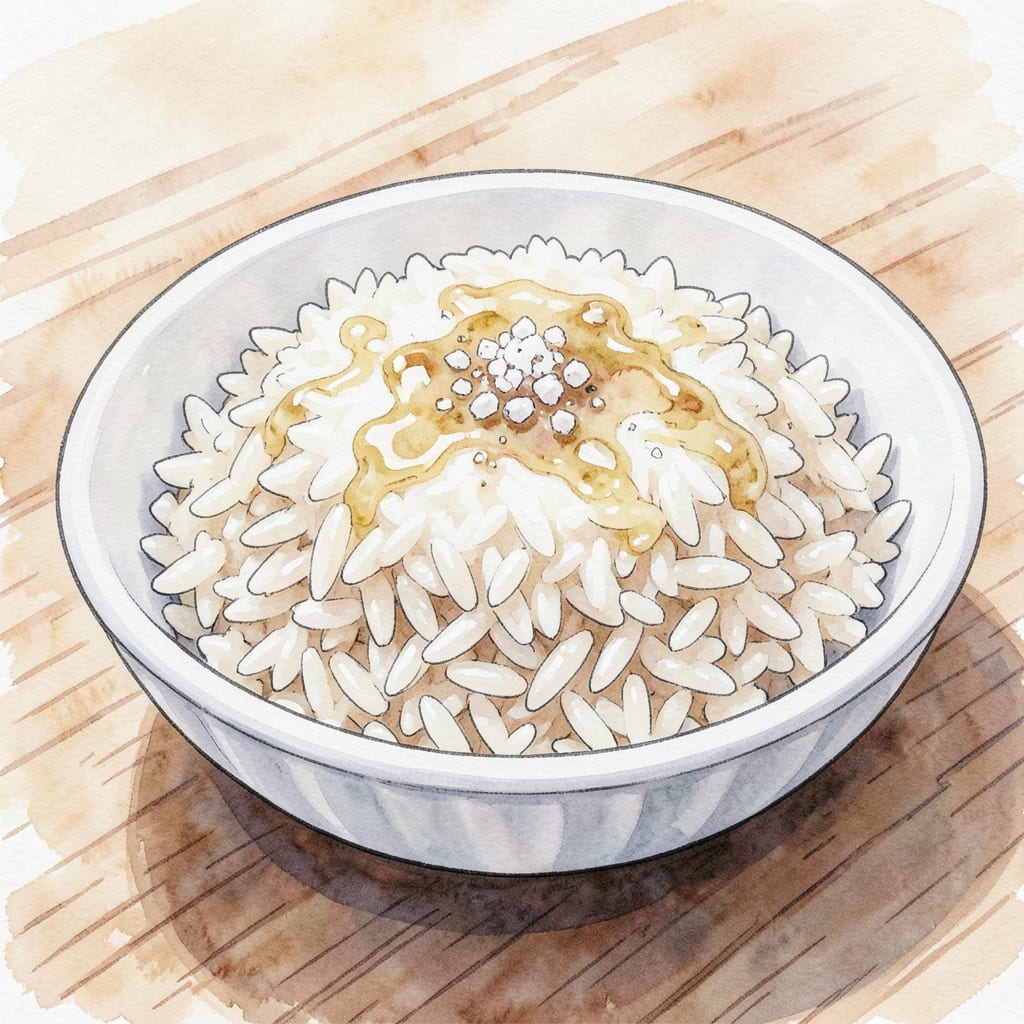
Achieving Panda Express’s signature white rice at home comes down to precise technique, not complicated ingredients. This recipe delivers the same fluffy, slightly sticky texture that perfectly complements any Asian-inspired meal. The secret lies in the water ratio and steaming method—both carefully calibrated to replicate the restaurant’s results.
Unlike traditional stovetop rice, this version uses a two-step process: initial boiling followed by covered steaming. The result is grains that are tender yet distinct, with just enough moisture to cling together without becoming mushy. Whether serving as a base for stir-fries or enjoying on its own, this rice brings restaurant-quality perfection to your home kitchen.
Ingredients for Panda Express White Rice
Six essential ingredients replicate Panda Express’s signature rice texture with professional precision at home.
| Ingredient | Amount | Notes |
|---|---|---|
| Jasmine Rice 🌾 | 2 cups | Long-grain, uncooked and rinsed |
| Filtered Water 💧 | 2 ½ cups | Precise ratio for fluffy texture |
| Vegetable Oil 🫒 | 1 tbsp | Neutral-flavored for cooking |
| Kosher Salt 🧂 | ½ tsp | Diamond Crystal preferred for consistency |
| White Granulated Sugar 🍚 | ½ tsp | Balances rice flavor subtly |
| Rice Vinegar 🍶 | 1 tsp | Mild acidity for brightness |
[recipe_ingredient_scaler]
The jasmine rice quality is non-negotiable for authentic results. Opt for **Thai Hom Mali** or **Three Rings** brands, available at **Asian markets** or well-stocked supermarkets like **H-Mart**. The grain length and starch content are calibrated for the ideal sticky-yet-fluffy texture. Filtered water eliminates mineral interference with absorption rates, while **Diamond Crystal kosher salt** ensures consistent seasoning without bitterness. Professional kitchens standardize on this brand for measurement accuracy.
No jasmine rice? **Long-grain white rice** works in a pinch, though texture will differ slightly. Replace rice vinegar with **white vinegar at half the amount** or **lemon juice** for acidity. The vegetable oil can be substituted with **avocado oil** for higher smoke point, though neutral flavor is critical. For sugar alternatives, **organic cane sugar** maintains the subtle sweetness without altering moisture content. All substitutions should be tested in small batches first to verify texture consistency.
Uncooked jasmine rice stores in an airtight container for **12-18 months** in a cool, dark pantry. Prepared rice holds at room temperature for **2 hours** maximum, or refrigerated for **4-5 days** in sealed containers. For meal prep, portion into **1-cup servings** before refrigeration. Reheat with **2 tbsp water per cup** in a covered microwave-safe dish for **1-2 minutes**, fluffing immediately to restore texture. Never freeze cooked rice—grain integrity degrades significantly.
Why You’ll Love This Recipe
- One-Pot Magic: I swear by this method—just rice, water, a splash of oil, and 20 minutes of hands-off simmering. No fancy gadgets, no constant stirring, just perfectly fluffy grains every single time.
- That Takeout Taste: Here’s what sold me—the tiny bit of sugar and salt mimics Panda’s signature sweet-savory balance. It’s subtle but makes all the difference, like the rice you’d get with orange chicken (yes, I tested it).
- Meal Prep MVP: This rice holds up for days without turning gummy. I make a big batch Sunday, and it’s just as good tossed into stir-fries or under fried eggs by Wednesday.
- Pennywise Perfection: A 2-pound bag of jasmine rice costs less than a single takeout side, and this recipe stretches it into six servings. Honestly, my wallet thanks me more than my taste buds do.
Step-by-Step Instructions for Fluffy Steamed White Rice
Mastering this technique requires precision in measurements and timing—follow these steps for restaurant-quality results.
Step 1: Rinse and Prepare the Jasmine Rice
Place the 2 cups Jasmine Rice in a fine-mesh strainer and rinse under cold running water until the water runs clear. This process removes excess starch that would otherwise make the rice gummy. I recommend swirling the rice with your fingers while rinsing to ensure thorough cleaning.
After rinsing, transfer the rice to a medium saucepan and let it drain for 2-3 minutes. Shake the pan gently to level the rice—this ensures even cooking. The grains should appear separate and slightly glossy from the rinsing process.
Step 2: Combine Liquids and Seasonings
Add the 2.5 cups Filtered Water to the saucepan with the rice. The precise water-to-rice ratio is critical for achieving the perfect texture. Stir in the 1 tbsp Vegetable Oil, 0.5 tsp Kosher Salt, 0.5 tsp White Granulated Sugar, and 1 tsp Rice Vinegar.
Use a wooden spoon to gently stir the mixture, ensuring the seasonings are evenly distributed throughout the water. The oil creates individual rice grains, while the vinegar and sugar provide subtle brightness that characterizes restaurant-style rice. Bring the mixture to a gentle boil over medium-high heat.
Step 3: Cook with Controlled Heat
Once the water reaches a full rolling boil, immediately reduce the heat to low and cover the pot with a tight-fitting lid. The steam trapped inside is what cooks the rice perfectly. Set a timer for 15 minutes and resist the temptation to lift the lid—releasing steam disrupts the cooking process.
After 15 minutes, turn off the heat but leave the covered pot on the burner for an additional 10 minutes. This resting period allows the rice to absorb any remaining moisture and ensures even doneness throughout. The grains should be tender with no chalky centers when properly cooked.
Step 4: Fluff and Serve Immediately
Remove the lid and use a rice paddle or fork to gently fluff the rice from the bottom up. This separates the grains and releases any excess steam. The finished rice should be glossy, with individual grains that hold their shape yet cling together slightly when scooped.
Transfer the rice to a serving bowl immediately. For best results, serve within 30 minutes while still warm and at peak texture. The rice will maintain its ideal consistency for about 1 hour after cooking if kept covered in a warm environment.
Flavor Customization for This Recipe
Sweet Coconut Twist
For a tropical-inspired variation, replace the filtered water with 1.5 cups coconut water plus 1 cup regular water. This maintains the proper hydration ratio while adding subtle coconut sweetness. I discovered this trick during my coastal rides when I stopped at a beachside market—it pairs beautifully with grilled pineapple or teriyaki dishes. 🌴
Reduce the white granulated sugar to ¼ tsp since coconut water contains natural sugars. The rice will have a delicate coconut aroma without overpowering the dish. Garnish with toasted coconut flakes for added texture and visual appeal.
Garlic Butter Infusion
Transform this into a rich side by adding 2 tbsp melted butter and 3 minced garlic cloves to the water before cooking. The butter enhances the rice’s natural starchiness while the garlic infuses every grain. I learned this technique from a French chef who insisted on blooming the garlic first—sauté it in the oil for 30 seconds before adding water.
For extra depth, stir in 1 tbsp finely chopped chives after fluffing. This version works wonderfully with steak or roasted vegetables. The garlic should be fragrant but not browned—keep the heat at medium-low during the initial sauté.
Spicy Chili Lime
Add 1 tsp chili powder and the zest of 1 lime to the cooking water for a zesty kick. The chili powder should be mild (like Ancho or New Mexico varieties) to avoid overpowering. I forage wild limes along the coast sometimes—their intense zest makes this variation sing.
After cooking, squeeze 1 tbsp fresh lime juice over the fluffed rice and toss gently. The acidity brightens the dish while the chili adds warmth. This pairs exceptionally well with black bean dishes or grilled shrimp. Adjust the chili amount to taste—start with ½ tsp if you’re heat-sensitive. 🌶️
Herb-Infused Rice
Create an aromatic version by adding 3 sprigs fresh thyme and 1 bay leaf to the cooking water. Remove the herbs after the rice finishes steaming. I often gather wild thyme during my motorcycle rides through the hills—its earthy notes complement the rice beautifully.
For a brighter profile, substitute cilantro stems (about 5-6 stems) instead of thyme. The stems release flavor without the soapy taste some detect in leaves. This variation works particularly well with Mexican or Southeast Asian dishes.
Mushroom Umami Boost
Add ¼ cup dried shiitake mushrooms to the cooking water for deep umami flavor. The mushrooms rehydrate during cooking, infusing the rice with their earthy essence. I source these from my favorite specialty spice shop—they should be plump and fragrant.
After cooking, finely chop the rehydrated mushrooms and fold them into the rice. For extra richness, drizzle with 1 tsp sesame oil before serving. This umami-packed version stands up to hearty stir-fries or braised meats.
Lemongrass Citrus
Bruise 1 stalk lemongrass and add it to the cooking water for a bright, citrusy aroma. Remove the stalk before serving. This variation transports me back to my first backyard cookout where we experimented with Asian flavors. The lemongrass should be fresh—look for firm, pale yellow stalks at Asian markets.
Enhance the flavor by stirring in 1 tsp lemongrass paste (available at H-Mart) after cooking. The paste provides concentrated flavor without fibrous texture. This pairs wonderfully with coconut curries or grilled chicken satay. ✨
Nutrition Facts

Trained in classic French technique but raised on slow-cooked ribs and spicy rubs, she blends culinary skill with smoke and soul.
- Recipe for Boneless Pork Chops in Cast Iron Skillet: Sear and Baste to Juicy Perfection - October 3, 2026
- Recipe for Boneless Cross Rib Roast: Slow-Roasted Beef with Herb Crust - October 3, 2026
- Hamburgers in Sauce Recipe Crock Pot: Slow-Cooked Savory Delight - October 3, 2026