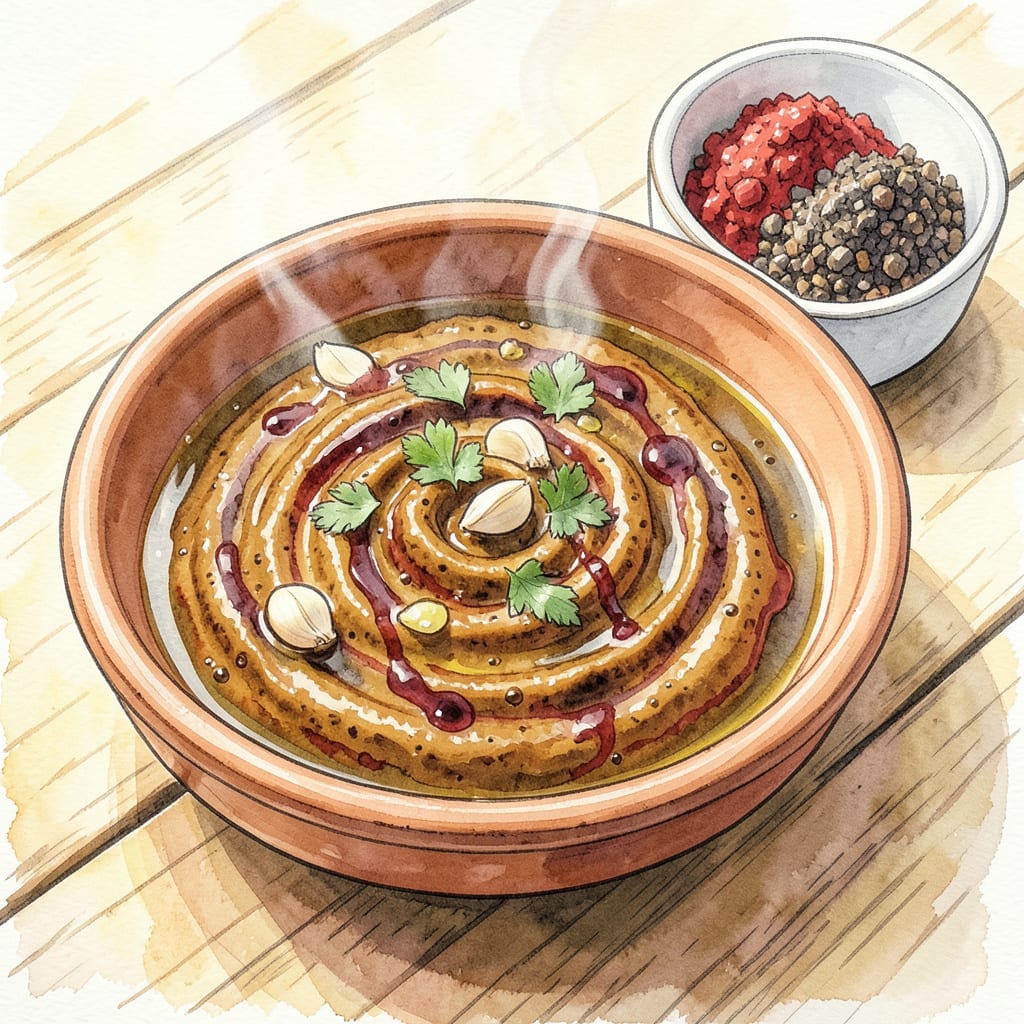
Every great stew and marinade starts with a flavor foundation, and this paprika paste delivers exactly that—a concentrated burst of smoky depth without overwhelming heat. Developed through years of testing ratios, this thick, spreadable base transforms ordinary dishes into restaurant-quality creations. The balance between sweet, smoked, and hot paprika creates complexity that store-bought versions simply can’t match.
What sets this paste apart is its versatility and shelf stability. A quick blend of quality paprika, oil, and acid creates a condiment that lasts for weeks in your fridge, ready to elevate everything from braised meats to roasted vegetables. The texture remains consistently smooth, ensuring even distribution in any application. One batch will change how you approach flavor building in your cooking.
Ingredients for Paprika Paste
Eight pantry staples transform into this smoky, concentrated flavor powerhouse for weeks of cooking.
| Ingredient | Amount | Notes |
|---|---|---|
| Sweet Paprika 🌶️ | ½ cup | Hungarian variety preferred |
| Smoked Paprika 🌶️ | ¼ cup | Spanish pimentón ideal |
| Hot Paprika 🔥 | 1 tbsp | Adjust for heat preference |
| Extra-Virgin Olive Oil 🫒 | ¾ cup | High-quality, fruity profile |
| Red Wine Vinegar 🍷 | 2 tbsp | Balances smokiness with acid |
| Garlic Cloves 🧄 | 6 cloves | Minced to fine paste |
| Tomato Paste 🍅 | 2 tbsp | Double-concentrated preferred |
| Diamond Crystal Kosher Salt 🧂 | 1 ½ tsp | Enhances flavor layers |
[recipe_ingredient_scaler]
The paprika blend is everything here. Sweet Hungarian paprika (I like Primal Palate brand) gives the base, while Spanish smoked pimentón adds that restaurant-quality depth. Hot paprika is optional but worth including—just one tablespoon gives subtle warmth without heat overload. For the olive oil, California Olive Ranch or any robust extra-virgin works (avoid those bland ‘light’ oils). The tomato paste should be double-concentrated if possible—Mutti brand is my go-to for consistency (the tubes are perfect for this).
No smoked paprika? Cayenne plus regular paprika gets you 80% there (use 1/4 tsp cayenne + 1/4 cup sweet paprika). Out of red wine vinegar? Apple cider vinegar works, though it’s slightly sweeter. The garlic can be swapped for 1 tsp garlic powder in a pinch, but fresh gives that authentic paste texture. For oil, avocado oil is a neutral backup, though you’ll lose some fruity complexity. If you’re salt-sensitive, reduce to 1 tsp and adjust to taste.
This keeps 4-6 weeks in the fridge—glass jar with a tight lid is best (the oil separates but re-emulsifies when stirred). For longer storage, freeze in ice cube trays (each cube is about 1 tbsp). The flavor actually deepens after 24 hours as everything melds. I always make a double batch since it’s just as easy and you’ll use it faster than you think.
Why You’ll Love This Recipe
- No Cook Required: I just stir everything together—no stove, no chopping, not even a blender. Five ingredients, one bowl, and honestly? That’s my kind of recipe.
- Three-Pepper Magic: The mix of sweet, smoked, and hot paprika hits every note—warmth, depth, then a little kick. That first whiff when the vinegar and oil blend in? Instant craving.
- My Weeknight Cheat: I slather it on chicken before roasting, swirl into soups, or even mix with yogurt for a last-minute dip. Between us, it’s saved me from takeout more times than I’ll admit.
- Stays Good Forever: A small batch lasts me months in the fridge, and the flavor just gets better. I’ll be real: it’s cheaper than store-bought pastes and tastes way more alive.
Step-by-Step Instructions for Paprika Paste
This simple process transforms basic spices into a deeply flavorful paste that elevates any dish.
Step 1: Bloom the Paprikas in Warm Oil
In a medium saucepan, combine the 0.75 cup extra-virgin olive oil with the 0.5 cup sweet paprika, 0.25 cup smoked paprika, and 1 tbsp hot paprika. Heat over medium-low until the oil begins to shimmer—this should take about 3-4 minutes.
Stir constantly with a wooden spoon as the spices bloom. You’ll notice the mixture darkening slightly and releasing a rich, smoky aroma. This step awakens the paprikas’ essential oils, creating the paste’s signature depth. Be careful not to let it smoke—adjust heat as needed to maintain a gentle sizzle.
Step 2: Build the Flavor Base with Aromatics
Add the 6 cloves garlic cloves (minced to a fine paste) and 2 tbsp tomato paste to the pan. Cook for 2-3 minutes, stirring frequently, until the garlic becomes fragrant but hasn’t browned. The tomato paste will deepen in color and develop a slightly caramelized edge.
This is where the magic happens—the garlic’s pungency mellows while the tomato paste adds body and umami. Watch for the mixture to pull away slightly from the pan’s edges, signaling it’s ready for the next step. The kitchen should smell intensely aromatic at this point.
Step 3: Balance and Finish the Paste
Remove the pan from heat and stir in the 2 tbsp red wine vinegar and 1.5 tsp Diamond Crystal kosher salt. The vinegar will cause the mixture to bubble slightly—that’s normal. Let it cool for 5 minutes before transferring to a jar.
The vinegar brightens the deep smokiness while the salt ties all flavors together. As it cools, the paste will thicken to a spreadable consistency. Taste and adjust seasoning if needed, though the flavors will continue developing over the next 24 hours.
Pro Cooking Tips for paprika paste
Perfect Oil Temperature
The key to unlocking maximum flavor is blooming the paprikas at just the right temperature. I aim for medium-low heat where the oil shimmers but doesn’t smoke—around 250°F if you’re using a thermometer. Too hot and you’ll burn the spices; too cool and they won’t release their full potential. I learned this the hard way after ruining my first batch with impatient high heat. 🌡️
Garlic Timing Trick
Adding the garlic at the perfect moment transforms this paste. Wait until the paprikas have bloomed for 3-4 minutes before introducing the minced garlic. It should sizzle immediately but not brown—just 2 minutes of cooking time is ideal. I use my microplane to get the garlic ultra-fine so it melts into the paste rather than remaining grainy.
Vinegar Integration
Here’s where most home cooks go wrong—they add vinegar while the paste is still hot. Let the mixture cool for 2 minutes off heat before stirring in the red wine vinegar. This prevents the vinegar from evaporating too quickly, ensuring that bright acidity remains in your final product. I’ve found this makes the paste last longer in the fridge too.
Texture Control
For that perfect spreadable consistency, the cooling process is crucial. After removing from heat, let it sit for 10 minutes before transferring to jars. This allows the oil to slightly separate, creating that ideal thick-but-scoopable texture. If it’s too thick after cooling, stir in 1 tsp warm water at a time until perfect.
Storage Pro Tip
Always use a glass jar with a tight-fitting lid—plastic absorbs the smoky flavors over time. Before sealing, I press a piece of parchment paper directly on the paste’s surface to prevent oxidation. Stored this way, it maintains peak flavor for 6 weeks in the fridge. The flavors actually improve after 48 hours as everything melds together.
Flavor Boost Hack
For an extra layer of complexity, try this trick I picked up from a Hungarian chef: toast the paprikas in a dry skillet for 1 minute before adding to the oil. Use low heat and constant motion to prevent burning. This step intensifies the smokiness without bitterness, making your paste taste like it simmered for hours. 🔥
Nutrition Facts

Trained in classic French technique but raised on slow-cooked ribs and spicy rubs, she blends culinary skill with smoke and soul.
- Recipe for Boneless Pork Chops in Cast Iron Skillet: Sear and Baste to Juicy Perfection - October 3, 2026
- Recipe for Boneless Cross Rib Roast: Slow-Roasted Beef with Herb Crust - October 3, 2026
- Hamburgers in Sauce Recipe Crock Pot: Slow-Cooked Savory Delight - October 3, 2026