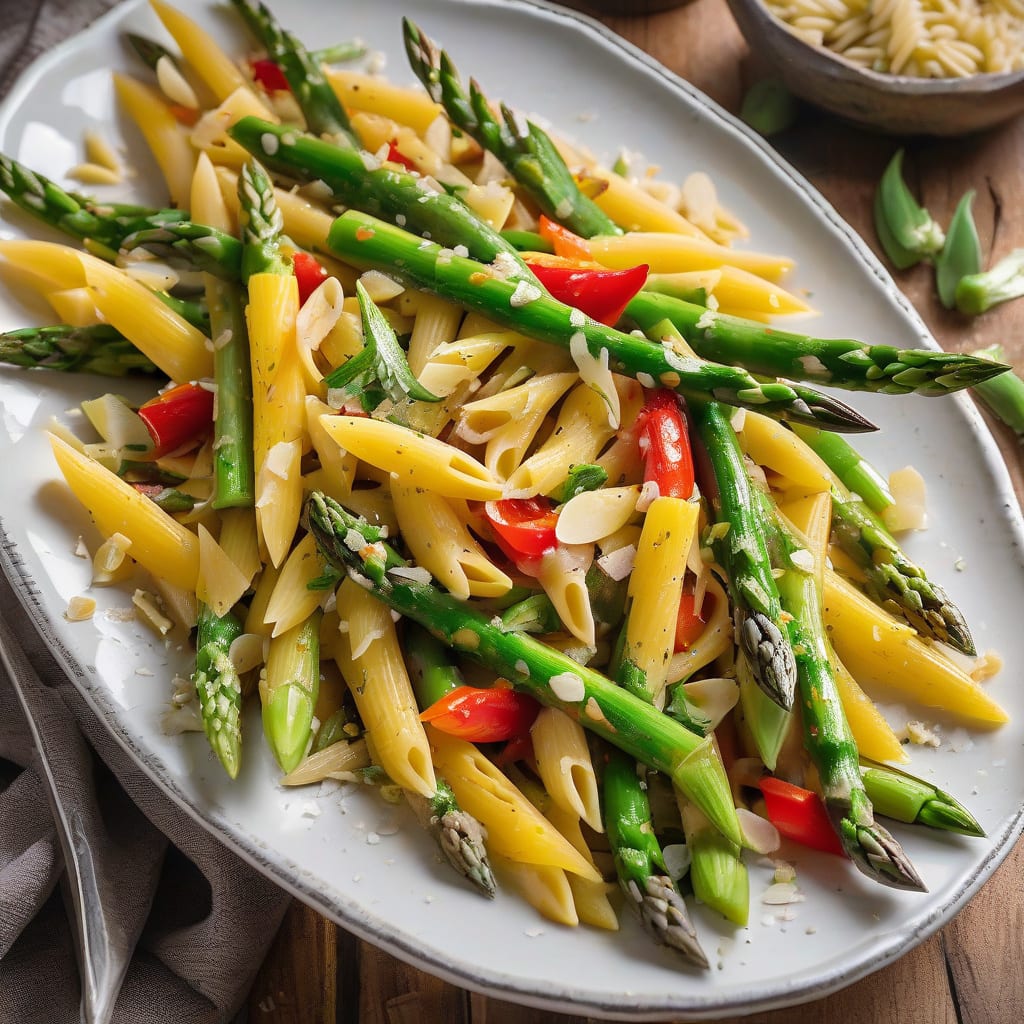
Spring is in full bloom with this vibrant Pasta Primavera recipe, ready in just 20 minutes. I love how quickly this dish comes together, using a colorful medley of fresh vegetables and perfectly cooked pasta.
The secret to this recipe’s success lies in its simplicity: sautéing a variety of spring vegetables in olive oil until they’re tender yet still crisp, then tossing them with al dente pasta and a sprinkle of parmesan cheese.
You’ll be amazed at how easily this restaurant-quality dish can be made at home. With a total cooking time of under 20 minutes, it’s perfect for busy weeknights when you need a healthy, satisfying meal fast.
Ingredients for Pasta Primavera
Quick, colorful, and delicious – perfect for busy weeknights with fresh spring veggies.
| Ingredient | Amount | Notes |
|---|---|---|
| Penne Pasta 🍝 | 8 oz | Whole wheat or regular |
| Olive Oil 🫒 | ¼ cup | Extra-virgin preferred |
| Garlic Cloves 🧄 | 3 cloves | Minced |
| Asparagus 🥦 | 1 cup | Trimmed, cut into 1-inch pieces |
| Bell Peppers 🌶️ | 1 cup | Sliced, any color |
| Zucchini 🥒 | 1 cup | Sliced |
| Cherry Tomatoes 🍅 | 1 cup | Halved |
| Carrots 🥕 | ½ cup | Sliced or julienned |
| Parmesan Cheese 🧀 | ½ cup | Freshly grated |
| Fresh Basil 🌿 | ¼ cup | Chopped |
| Salt 🧂 | 1 tsp | Kosher or sea salt |
| Black Pepper 🌶️ | ½ tsp | Freshly ground |
[recipeingredientscaler]
The vegetables matter here. Farmers market finds are ideal, but grocery store works too. Look for vibrant colors and firm texture. I grab whatever’s in season – sometimes it’s asparagus, other times it’s bell peppers. The key is variety and freshness.
No specific veggie? Swap in what you have. Broccoli or green beans work great. For cheese, Parmesan is classic, but Pecorino adds a nice tang. If using frozen veggies, thaw and pat dry first. The garlic can be adjusted – roasted garlic gives a deeper flavor if you’re feeling fancy.
This dish is best fresh, but leftovers keep for 3-4 days in the fridge. Reheat gently with a splash of olive oil to refresh. The pasta can be cooked ahead and refrigerated separately for up to 1 day.
❤️
Why You’ll Love pasta primavera
- Quick Prep: I can get this pasta primavera on the table in under 30 minutes, which is a lifesaver on busy weeknights when I’m juggling work and family.
- Spring in Every Bite: The combination of tender asparagus, crunchy bell peppers, and garlic sautéed in olive oil creates a ridiculously good flavor profile that screams spring. It’s a taste that never gets old.
- Meal Prep Magic: This recipe is a solid choice for meal prep because it reheats beautifully and can be customized with whatever vegetables you have on hand. I often make a big batch on Sunday and enjoy it throughout the week.
- Leftover Friendly: Honestly, this pasta primavera tastes just as great the next day, making it a great way to reduce food waste and save money on groceries. I love that I can use up any leftover vegetables and still enjoy a delicious meal.
Step-by-Step Instructions for Spring Veggie Medley Pasta
Here’s the straightforward method to create this vibrant pasta dish in just 20 minutes.
Step 1: Cook the Pasta to Al Dente Perfection
Bring a large pot of salted water to a rolling boil and cook the 8 oz Penne Pasta until al dente. I always check the package instructions for the recommended cooking time and start testing 2 minutes before that. You want the pasta to still have a bit of bite – it will continue cooking slightly when you drain it.
Reserve 1 cup of pasta water before draining – this starchy liquid will help create a silky sauce later. Don’t rinse the pasta after draining; the surface starch helps the vegetables and sauce cling better.
Step 2: Sauté Aromatics and Vegetables
While the pasta cooks, heat the 0.25 cup Olive Oil in a large skillet over medium-high heat. Add the 3 cloves minced Garlic Cloves and sauté for 30 seconds until fragrant. Be careful not to let the garlic burn – it can go from perfect to bitter quickly.
Add the 1 cup Asparagus, 1 cup Bell Peppers, 1 cup Zucchini, and 0.5 cup Carrots to the skillet. Cook for 5-7 minutes, stirring occasionally, until the vegetables are tender-crisp and lightly browned. The vegetables should still retain some crunch – you don’t want them to be mushy.
Step 3: Combine Pasta, Vegetables, and Final Touches
Add the cooked penne pasta to the skillet with the vegetables. Stir in the 1 cup Cherry Tomatoes and cook for 1-2 minutes until they start to release their juices. If the mixture seems dry, add a splash of the reserved pasta water to loosen it.
Remove the skillet from heat and stir in the 0.5 cup Parmesan Cheese until melted and creamy. Add the 0.25 cup Fresh Basil, 1 tsp Salt, and 0.5 tsp Black Pepper, then toss everything together until well combined. The residual heat will slightly wilt the basil while keeping its bright flavor.
Step 4: Serve Immediately
Transfer the pasta primavera to serving plates or a large serving dish. I like to drizzle a bit more olive oil on top and sprinkle extra Parmesan cheese for added richness. Serve immediately while the vegetables are still vibrant and the pasta is perfectly cooked.
👨🍳
Pro Tips for Making pasta primavera
- Sauté Garlic Quickly: Mince your garlic cloves finely so they cook rapidly in the olive oil—about 30 seconds to 1 minute over medium heat. This prevents burnt garlic flavor, which can ruin the dish.
- Don’t Overcook Asparagus: Add asparagus to the pan just after the bell peppers have started to soften, and cook until it’s tender but still crisp, about 3-4 minutes. Overcooking makes it mushy and unappetizing.
- Use High Heat: Crank up the heat when sautéing the bell peppers and asparagus. High heat helps achieve a nice caramelization on the vegetables, enhancing the overall flavor of the pasta primavera.
- Reserve Pasta Water: Before draining the penne pasta, reserve about a cup of the pasta water. If the primavera sauce seems too thick, you can thin it out with the reserved water to achieve the perfect consistency.
Best Sauces and Condiments for This pasta primavera
The right sauce can elevate pasta primavera from good to great. I often start with a simple olive oil and garlic base, then add complementary flavors. For a creamy version, try mixing 1/4 cup grated Parmesan with 2 tablespoons reserved pasta water – it creates a silky sauce that coats the vegetables beautifully. 🌿
For added depth, consider a lemon-garlic sauce made by whisking together 2 tablespoons freshly squeezed lemon juice, 1 minced garlic clove, and 1/4 cup olive oil. This brightens the dish and complements the spring vegetables perfectly. You can adjust the amount of garlic to your taste – I prefer a subtle flavor.
Another excellent option is a herb-infused oil. Mix 1/4 cup olive oil with 2 tablespoons chopped fresh herbs like basil, parsley, or tarragon. Let it sit for 10-15 minutes to allow the flavors to meld before tossing with the pasta and vegetables. This adds a fresh, aromatic quality to the dish.
For those who prefer a richer sauce, a creamy mushroom sauce works wonderfully. Sauté 1/2 cup sliced mushrooms in butter until tender, then add 1/4 cup heavy cream and simmer until slightly reduced. Stir in 1 tablespoon grated Parmesan and season with salt and pepper. This adds an earthy, luxurious element to the primavera.
If you’re looking for a lighter option, a simple basil pesto can be a great choice. Blend 1 cup fresh basil leaves, 1/4 cup pine nuts, 1/2 cup grated Parmesan, 1 minced garlic clove, and 1/4 cup olive oil until smooth. Toss with the pasta and vegetables for a vibrant, flavorful dish. You can also customize this by adding other herbs or nuts to the mix.
For a finishing touch, consider adding a sprinkle of red pepper flakes for a bit of heat or a squeeze of fresh lemon juice for brightness. These small additions can make a big difference in the overall flavor profile of your pasta primavera. Experiment with different combinations to find your perfect match. 🔥
Tips & Tricks for Perfect Spring Veggie Pasta
A few simple techniques can elevate this dish from good to great.
Vegetable Timing: To keep vegetables tender-crisp like in Step 2, make sure to cut them into similar sizes so they cook evenly. I find that keeping asparagus slightly larger than the other vegetables helps them finish cooking at the same time.
Pasta Water Magic: Don’t skip reserving 1 cup of pasta water before draining as mentioned in Step 1. This starchy liquid is crucial for creating a silky sauce that coats the pasta perfectly. If the mixture seems dry when combining pasta and vegetables in Step 3, add a splash of this reserved water to loosen it.
Heat Control: Use medium-high heat when sautéing vegetables as instructed in Step 2. This helps achieve that perfect tender-crisp texture while developing a nice caramelized flavor on the vegetables. Keep an eye on the garlic as it can go from fragrant to burnt quickly.
Finishing Touches: When adding 0.25 cup Fresh Basil in Step 3, make sure to add it off the heat. The residual warmth will slightly wilt the basil while preserving its bright flavor and vibrant color. For an extra burst of flavor, drizzle a bit more 0.25 cup Olive Oil on top before serving as suggested in Step 4.
Nutrition Facts
420kcal

Trained in classic French technique but raised on slow-cooked ribs and spicy rubs, she blends culinary skill with smoke and soul.
- Recipe for Boneless Pork Chops in Cast Iron Skillet: Sear and Baste to Juicy Perfection - October 3, 2026
- Recipe for Boneless Cross Rib Roast: Slow-Roasted Beef with Herb Crust - October 3, 2026
- Hamburgers in Sauce Recipe Crock Pot: Slow-Cooked Savory Delight - October 3, 2026