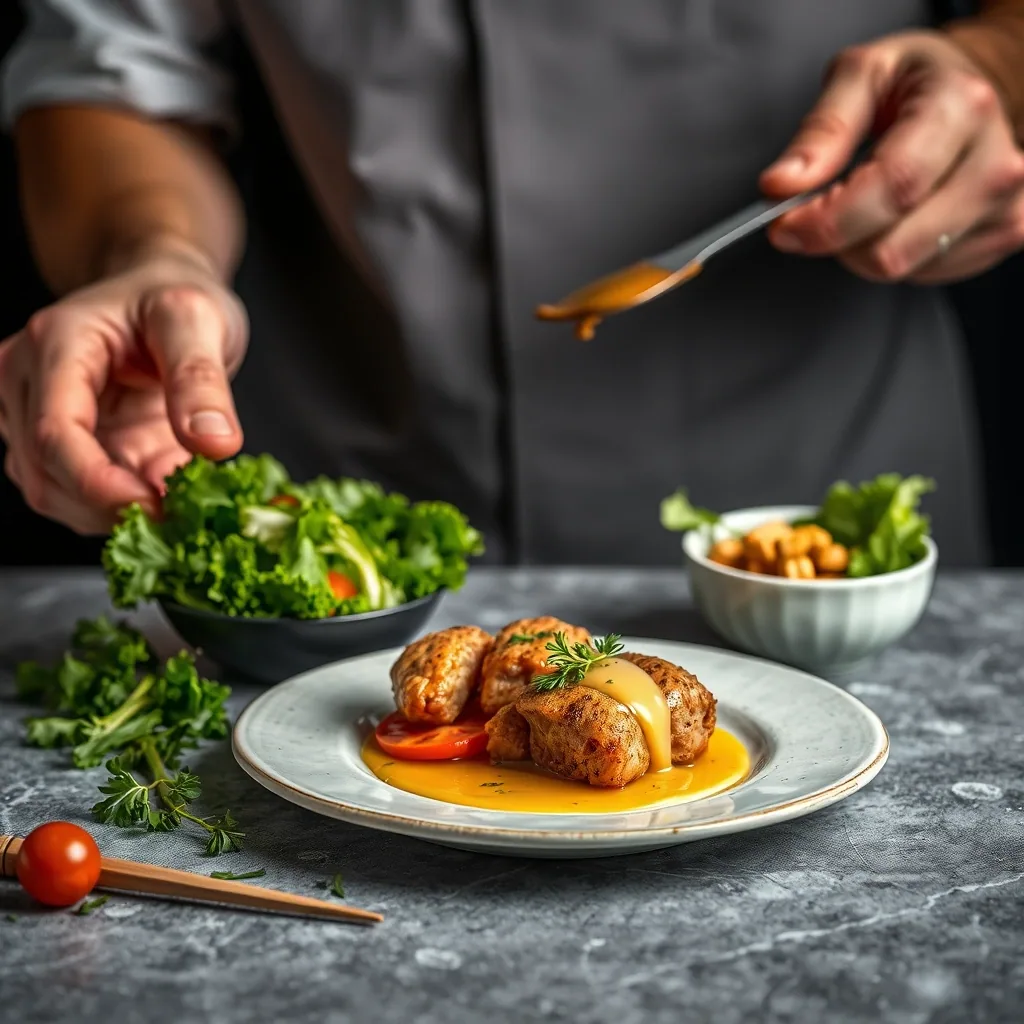
I discovered Pasta Salvi during a trip to a small Italian trattoria, where the chef’s grandmother shared her secret for this soul-warming dish. ✨ What makes it special is the simplicity—just a handful of quality ingredients that transform into something extraordinary through proper technique and timing.
The magic happens when you marry perfectly al dente pasta with a rich, aromatic sauce that clings to every strand. I’ve streamlined the traditional method without sacrificing authenticity, so you can achieve restaurant-quality results in your own kitchen using ingredients you likely already have on hand.
By the time you plate this dish, you’ll have tender pasta coated in a luscious sauce with layers of flavor that taste like hours of work but take just minutes to prepare. This is the kind of comfort food that brings people together around the table, begging for seconds before they’ve finished their first serving.
Whether you’re cooking for family dinner or impressing guests, this recipe delivers every time. Let’s get started!
Ingredients for pasta salvi
Here’s everything you need to create this authentic Italian Pasta Salvi at home.
| Ingredient | Amount | Notes |
|---|---|---|
| Spaghetti 🍝 | 1 lb | Bronze-cut for better sauce grip |
| Extra-Virgin Olive Oil 🫒 | ½ cup | High quality, fruity flavor |
| Garlic Cloves 🧄 | 6 cloves | Thinly sliced, not minced |
| Red Pepper Flakes 🌶️ | 1 tsp | Adjust for heat preference |
| Cherry Tomatoes 🍅 | 2 cups | Halved, preferably on vine |
| Fresh Basil 🌿 | 1 cup | Torn, not chopped |
| Parmesan Cheese 🧀 | 1 cup | Freshly grated from block |
| Pasta Water 💧 | 1 cup | Reserved from cooking pasta |
| Unsalted Butter 🧈 | 4 tbsp | Cold, cut into pieces |
| Sea Salt 🧂 | 2 tbsp | For pasta water |
| Black Pepper 🌶️ | 1 tsp | Freshly ground preferred |
| Fresh Parsley 🌿 | ¼ cup | Chopped, for garnish |
[recipe_ingredient_scaler]
You can find quality bronze-cut pasta at Whole Foods, Trader Joe's, or Italian specialty stores—brands like De Cecco or Rustichella d'Abruzzo are excellent choices. For the best flavor, invest in a good extra-virgin olive oil from Italy or California. Look for cherry tomatoes that are firm and fragrant, preferably still on the vine. Fresh Parmigiano-Reggiano from the deli counter makes a world of difference over pre-grated cheese.
Don't have cherry tomatoes? Use grape tomatoes or even canned San Marzano tomatoes, drained and chopped. If fresh basil isn't available, use half the amount of dried basil added to the oil early in cooking. Pecorino Romano can substitute for Parmesan for a sharper, saltier flavor. Regular spaghetti works fine if you can't find bronze-cut—just cook it properly al dente for the best texture.
Store fresh basil wrapped in damp paper towels in the fridge for up to 5 days. Keep Parmesan wrapped tightly in parchment paper then foil for several weeks. Use leftover pasta water to thin sauces throughout the week—it freezes well in ice cube trays.
Step-by-Step Instructions for Pasta Salvi
I’ll walk you through this authentic Italian technique that creates restaurant-quality results at home.
🍳 Step 1: Cook the Spaghetti to Perfect Al Dente
Bring a large pot of water to a rolling boil and add the 2 tablespoons sea salt—the water should taste like the sea. Add the 1 lb spaghetti and cook for 1-2 minutes less than the package directions indicate for al dente. I always set a timer because this timing is crucial for the final dish.
Before draining, use a measuring cup to scoop out 1 full cup pasta water and set it aside. This starchy liquid is the secret to creating a silky, cohesive sauce that clings to every strand. Drain the pasta but don’t rinse it—you want to keep that surface starch intact.
🍳 Step 2: Build the Aromatic Garlic Oil Base
While the pasta cooks, heat the ½ cup extra-virgin olive oil in a large, deep skillet over medium-low heat. Add the 6 thinly sliced garlic cloves and cook for 3-4 minutes, stirring frequently, until they turn pale golden and fragrant. Watch them carefully—garlic can go from perfect to burnt in seconds.
Add the 1 teaspoon red pepper flakes and cook for 30 seconds until the oil becomes fragrant and takes on a subtle heat. The key here is gentle heat that infuses the oil with flavor without burning the garlic. If the garlic starts to brown too quickly, pull the pan off the heat immediately.
🍳 Step 3: Add Tomatoes and Create the Sauce
Increase heat to medium-high and add the 2 cups halved cherry tomatoes to the skillet. Cook for 5-6 minutes, stirring occasionally, until the tomatoes begin to blister and release their juices. Some will burst open completely—this is exactly what you want.
Add the drained spaghetti directly to the skillet along with ½ cup of the reserved pasta water. Toss vigorously for 1-2 minutes until the pasta absorbs the flavors and the sauce begins to emulsify. The starchy pasta water will help bind the oil and tomato juices into a glossy coating. If the sauce looks dry, add more pasta water 2 tablespoons at a time.
🥘 Step 4: Finish with Butter and Cheese
Remove the skillet from heat and add the 4 tablespoons cold unsalted butter cut into pieces. Toss constantly for 1 minute until the butter melts and creates a rich, velvety sauce. This technique, called “mounting” the butter, gives the dish its signature silky texture.
Add the 1 cup freshly grated Parmesan cheese and toss again until it melts into the sauce. Season with the 1 teaspoon black pepper and taste—you may need a pinch more salt depending on your cheese’s saltiness. The sauce should coat each strand of spaghetti with a glossy sheen.
🍽️ Step 5: Add Fresh Herbs and Serve Immediately
Tear the 1 cup fresh basil leaves and fold them gently into the pasta—tearing instead of chopping prevents bruising and preserves the delicate flavor. The residual heat will wilt the basil just enough while keeping it vibrant green.
Divide the pasta among four warmed serving bowls and garnish with the ¼ cup chopped fresh parsley and extra Parmesan if desired. Serve immediately while the sauce is still creamy and clinging to the pasta. Each forkful should deliver garlicky oil, sweet burst tomatoes, peppery heat, and fresh herb brightness—this is Italian comfort food at its finest.
What makes pasta salvi truly special is its incredible versatility and ability to adapt to whatever you have in your kitchen. This classic Italian dish thrives on simplicity, yet welcomes creative interpretations that can transform it from a weeknight staple to an impressive dinner party centerpiece. 🍝✨
The beauty of pasta salvi lies in its forgiving nature—you can adjust the richness by varying the amount of butter and cheese, or lighten it up with extra fresh herbs and a squeeze of lemon. Some Italian families swear by adding a splash of the starchy pasta water to create a silkier sauce, while others prefer their version slightly drier to let the pasta’s texture shine through.
Regional variations across Italy offer exciting possibilities for experimentation. In Northern regions, you might find versions enriched with cream or mascarpone, while Southern interpretations often incorporate sun-dried tomatoes, capers, or a hint of anchovy for depth. The Tuscan approach sometimes includes white wine and fresh sage, creating an aromatic twist on the traditional recipe.
For those watching their diet, pasta salvi adapts beautifully to healthier modifications. Try whole wheat or legume-based pasta for extra protein and fiber, reduce the cheese slightly, or bulk up the dish with sautéed vegetables like zucchini, spinach, or cherry tomatoes. The fundamental technique remains the same, ensuring you still capture that authentic Italian essence.
One of the most beloved aspects of this recipe is how it brings people together. Whether you’re cooking for one or feeding a crowd, pasta salvi scales effortlessly—just multiply the ingredients proportionally. It’s equally satisfying as a comforting solo meal or as the star of a festive gathering, proving that simple ingredients, when treated with respect and care, create the most memorable dining experiences. 🇮🇹
Tips & Tricks for Perfect Pasta Salvi
These tried-and-tested tips will help you achieve authentic Italian results every single time.
Pasta Water is Liquid Gold: In Step 1, don’t skip reserving that full cup of pasta water before draining. The starch concentration is what transforms the oil and butter into a silky, emulsified sauce that clings to the spaghetti. I always reserve more than I think I’ll need—about 1.5 cups—because you can always add more in Step 3 if your sauce needs loosening. The water should look cloudy and almost milky from the starch. 💡
Temperature Control for Garlic: The garlic in Step 2 should cook gently over medium-low heat to release sweet, nutty flavor without bitterness. If your stove runs hot, use low heat instead. I watch for the garlic to turn pale golden—not brown—which takes about 3-4 minutes. If it starts browning too fast, immediately pull the pan off the heat and add the red pepper flakes to cool things down.
Use Cold Butter for Mounting: In Step 4, adding cold butter straight from the fridge is crucial for creating that restaurant-quality velvety texture. Cold butter emulsifies into the sauce gradually as you toss, creating a glossy coating. Room temperature butter will simply melt and separate. Cut it into tablespoon-sized pieces so it melts evenly while you toss constantly.
Serve in Warmed Bowls: This simple trick keeps your pasta at the perfect temperature from kitchen to table. I run my serving bowls under hot water for 1 minute, then dry them completely before plating. Cold bowls will cool down the sauce too quickly, causing it to lose that silky consistency you worked so hard to achieve. 🔥
Nutrition Facts
685kcal
[recipe_ingredient_scaler]

Trained in classic French technique but raised on slow-cooked ribs and spicy rubs, she blends culinary skill with smoke and soul.
- Recipe for Boneless Pork Chops in Cast Iron Skillet: Sear and Baste to Juicy Perfection - October 3, 2026
- Recipe for Boneless Cross Rib Roast: Slow-Roasted Beef with Herb Crust - October 3, 2026
- Hamburgers in Sauce Recipe Crock Pot: Slow-Cooked Savory Delight - October 3, 2026