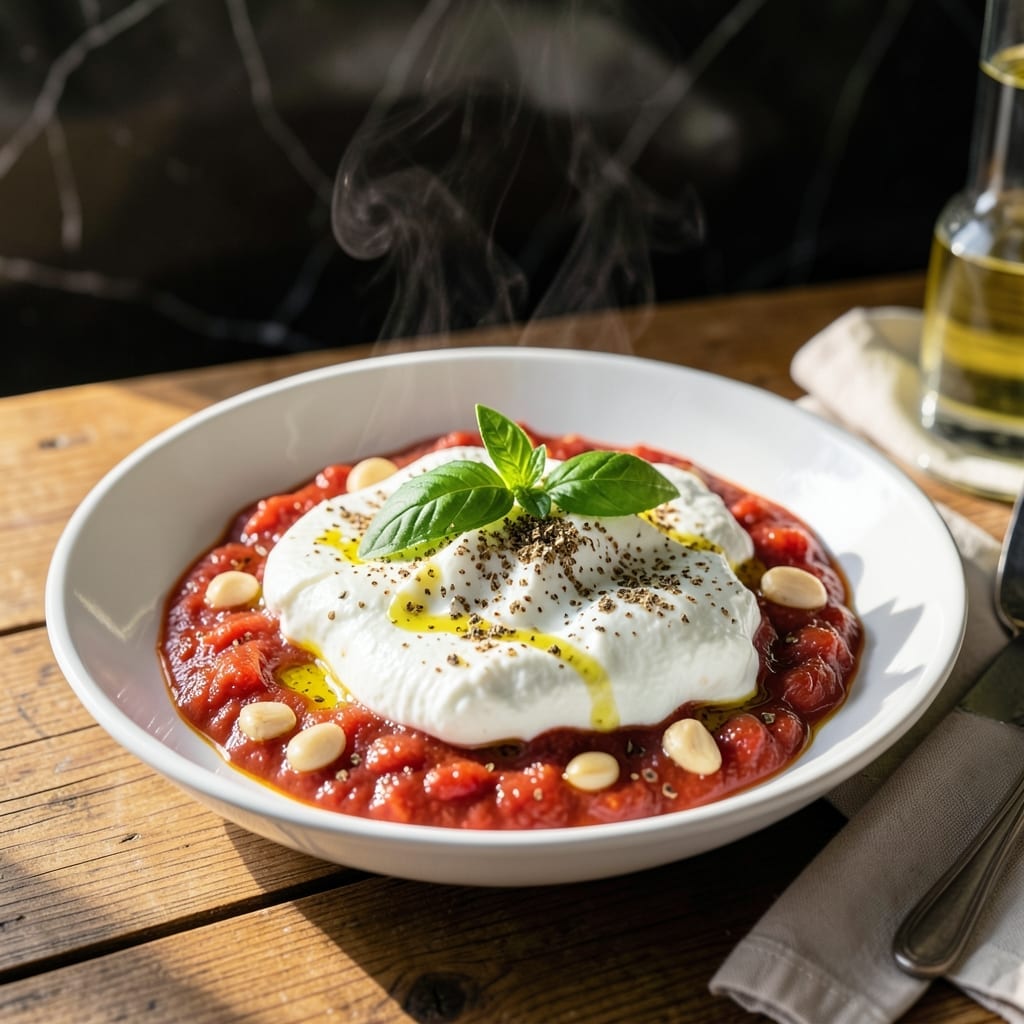
This sauce transforms simple pasta into a creamy, restaurant-quality dish with minimal effort. Ricotta adds a velvety texture that balances the bright acidity of tomatoes.
It comes together in 20 minutes with pantry staples. The herbed depth makes it perfect for weeknight dinners or special occasions.
Ingredients for Pasta Sauce Recipe with Ricotta Cheese
Nine ingredients transform into a velvety, herbed tomato sauce ready in minutes.
| Ingredient | Amount | Notes |
|---|---|---|
| Whole Milk Ricotta Cheese 🧀 | 1 cup | Full-fat for creaminess |
| San Marzano Canned Tomatoes 🍅 | 28 oz | Crushed, with juices |
| Extra-Virgin Olive Oil 🫒 | 3 tbsp | High quality, fruity |
| Garlic Cloves 🧄 | 4 cloves | Minced for depth |
| Fresh Basil Leaves 🌿 | ½ cup | Packed, chopped |
| Dried Oregano 🍃 | 1 tsp | Mediterranean variety preferred |
| Red Pepper Flakes 🌶️ | ½ tsp | Adjust for heat preference |
| Kosher Salt 🧂 | 1 tsp | Diamond Crystal preferred |
| Freshly Ground Black Pepper 🌶️ | ½ tsp | Coarse grind ideal |
| Parmesan Cheese 🧀 | ½ cup | Freshly grated, optional |
[recipe_ingredient_scaler]
Ricotta quality is non-negotiable here. Whole milk, full-fat delivers the velvety texture that defines this sauce—low-fat versions yield a grainy, watery result. BelGioioso or Calabro brands are widely available at most supermarkets and offer consistent richness. San Marzano tomatoes (look for DOP certification on the can) provide the perfect balance of sweetness and acidity, but any high-quality crushed tomato works in a pinch.
No fresh basil? Dried basil at one-third the amount provides adequate flavor, though the brightness diminishes. For the tomatoes, fire-roasted canned tomatoes add a smoky depth if San Marzano aren’t available. Parmesan can be omitted for a purely ricotta-based sauce, or substitute Pecorino Romano for a sharper, saltier note. The red pepper flakes are optional but recommended for subtle warmth.
This sauce holds beautifully for 3-4 days refrigerated in an airtight container. Freeze without the ricotta (add it fresh when reheating) for up to 2 months. The flavors deepen overnight, making it ideal for meal prep. Stir in a splash of water when reheating to restore the creamy consistency.
Why You’ll Love This Recipe
- One Pot Wonder: I just dump the San Marzano tomatoes, ricotta, and garlic into a pan with olive oil and let it simmer—no pre-cooking, no fuss.
- Creamy Richness: The whole milk ricotta melts into the sauce, giving it this velvety texture that clings to pasta beautifully.
- Weeknight Hero: Honestly, this comes together faster than waiting for delivery, and it tastes like I spent hours in the kitchen.
- Stretches Further: Between us, this makes enough for two meals, and the leftovers taste even better the next day.
Step-by-Step Instructions for Pasta Sauce With Ricotta Cheese
This method ensures a velvety texture with balanced acidity and rich herbaceous notes.
Step 1: Build the Aromatic Foundation
Heat 3 tbsp Extra-Virgin Olive Oil in a heavy-bottomed saucepan over medium heat until it shimmers. Add 4 cloves Garlic Cloves, minced, and cook for 30-45 seconds until fragrant but not browned.
Immediately stir in 1 tsp Dried Oregano and 0.5 tsp Red Pepper Flakes. Toast the spices for 20 seconds to bloom their flavors—this creates the base layer of complexity that defines the sauce.
Watch closely; garlic burns easily at this stage. The oil should gently sizzle around the aromatics without smoking.
Step 2: Develop the Tomato Base
Pour in the 28 oz San Marzano Canned Tomatoes with their juices. Increase heat to medium-high and bring to a gentle simmer. Use a wooden spoon to break up the tomatoes into smaller pieces if they’re whole.
Simmer uncovered for 15 minutes, stirring occasionally, until the sauce thickens slightly and the raw tomato odor dissipates. The color will deepen from bright red to a richer, more concentrated hue.
Season with 1 tsp Kosher Salt and 0.5 tsp Freshly Ground Black Pepper during this phase. Taste and adjust salt if needed, but remember the Parmesan will add saltiness later.
Step 3: Incorporate the Ricotta for Creaminess
Reduce heat to low and let the sauce cool for 2 minutes to prevent curdling. Stir in 1 cup Whole Milk Ricotta Cheese until fully melted and incorporated. The ricotta will transform the texture from chunky to luxuriously smooth.
This is where the magic happens—the acidity of the tomatoes tempers the richness of the ricotta, creating that signature creamy consistency. Continue warming for 3-4 minutes, stirring constantly, until the sauce is velvety and cohesive.
Step 4: Finish with Fresh Herbs and Cheese
Remove the sauce from heat. Stir in 0.5 cup Fresh Basil Leaves, chopped, reserving a few leaves for garnish. The basil should wilt slightly but retain its vibrant green color and fresh aroma.
Off the heat, fold in 0.5 cup Parmesan Cheese if using. The residual warmth will melt it perfectly without making the sauce stringy. Let the sauce rest for 5 minutes before serving to allow the flavors to meld completely.
The final sauce should coat the back of a spoon with a glossy sheen, offering a perfect balance of creamy richness, bright acidity, and herbal freshness.
Pro Tips For Making Pasta Sauce Recipe With Ricotta Cheese
- Drain the Ricotta: Place whole milk ricotta in a fine-mesh strainer for 10 minutes before using to remove excess water—this prevents a runny sauce and lets the cheese melt smoothly into the tomatoes.
- Crush Tomatoes by Hand: I learned this the hard way—pulse the San Marzano tomatoes with your hands instead of a blender to keep the texture chunky and fresh, not pasty.
- Bloom Garlic Slowly: Cook the garlic in olive oil over low heat for at least 2 minutes until fragrant but not browned, or it’ll turn bitter and overpower the basil and ricotta.
- Finish with Raw Basil: Stir in fresh basil leaves at the very end, off the heat—adding them earlier turns them dark and muddy, and you lose that bright, herby pop.
Regional Styles of This Recipe
🍝 Sicilian Style
In Sicily, ricotta-based pasta sauces often feature fresh, whole-milk ricotta blended with ripe tomatoes, garlic, and basil for a light yet creamy texture. The sauce is traditionally simmered briefly to preserve the ricotta’s delicate flavor. Historical influences from Arab and Norman cuisines bring in saffron or pine nuts for added depth.
🍅 Roman Style
Roman variations lean into simplicity, combining ricotta with San Marzano tomatoes, olive oil, and Pecorino Romano cheese. The sauce is often tossed with bucatini or rigatoni, allowing the ricotta to cling to the pasta. A touch of black pepper or chili flakes adds a subtle kick, reflecting Rome’s love for bold, rustic flavors.
🧀 Northern Italian Style
In the north, ricotta pasta sauce takes on a richer profile, often incorporating butter and Parmigiano-Reggiano for a velvety finish. Fresh herbs like sage or rosemary are common, and the sauce may include a splash of white wine for acidity. This style pairs well with fresh egg pasta, such as tagliatelle.
🌿 Calabrian Style
Calabria’s version is spicier, with ’nduja (spicy spreadable salami) or red pepper flakes mixed into the ricotta-tomato base. The sauce is hearty and robust, often served with orecchiette or cavatelli. Olive oil and fresh oregano are staples, showcasing the region’s bold, Mediterranean flavors.
Nutrition Facts

Trained in classic French technique but raised on slow-cooked ribs and spicy rubs, she blends culinary skill with smoke and soul.
- Recipe for Boneless Pork Chops in Cast Iron Skillet: Sear and Baste to Juicy Perfection - October 3, 2026
- Recipe for Boneless Cross Rib Roast: Slow-Roasted Beef with Herb Crust - October 3, 2026
- Hamburgers in Sauce Recipe Crock Pot: Slow-Cooked Savory Delight - October 3, 2026