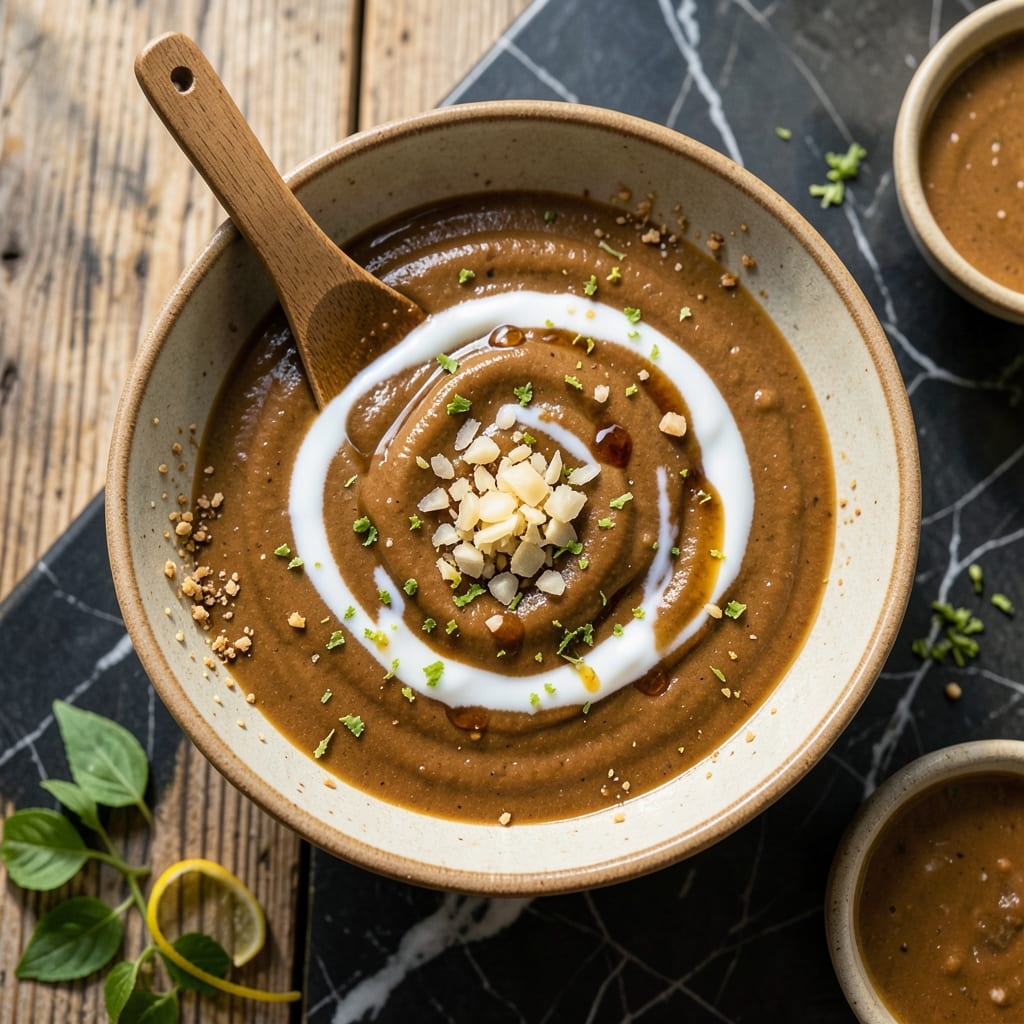
This creamy Thai-inspired sauce transforms simple ingredients into a versatile dip that elevates any dish. I developed this recipe to capture the balance of nutty richness and subtle sweetness that makes peanut sauce irresistible.
The secret lies in blending smooth peanut butter with coconut milk for a velvety texture that clings perfectly to noodles or vegetables. A touch of lime juice brightens the flavors while maintaining the sauce’s luxurious consistency.
This creation works beautifully as a satay dip, salad dressing, or noodle sauce. Its smooth, spreadable nature makes it ideal for both dipping and drizzling over your favorite dishes.
Make a batch and store it in the fridge for up to a week. The flavors deepen over time, making it even more delicious.
Ingredients for Peanut Sauce Recipe with Coconut Milk
Nine simple ingredients blend into this rich, velvety sauce you’ll want on everything.
| Ingredient | Amount | Notes |
|---|---|---|
| Smooth Peanut Butter 🥜 | ¾ cup | Natural, unsweetened preferred |
| Coconut Milk 🥥 | ½ cup | Full-fat canned for creaminess |
| Fresh Lime Juice 🍈 | 2 tbsp | About 1 medium lime |
| Soy Sauce 🫕 | 2 tbsp | Low-sodium or tamari for gluten-free |
| Maple Syrup 🍁 | 1 tbsp | Or agave for sweetness |
| Garlic Cloves 🧄 | 2 cloves | Minced for depth of flavor |
| Fresh Ginger 🌿 | 1 tsp | Grated or minced finely |
| Rice Vinegar 🍚 | 1 tbsp | Or apple cider vinegar |
| Sesame Oil 🫒 | ½ tsp | Toasted for nutty aroma |
| Red Pepper Flakes 🌶️ | ¼ tsp | Adjust for heat preference |
[recipe_ingredient_scaler]
The peanut butter is the foundation here—natural, unsweetened brands like Smucker’s or Crazy Richard’s work best (skip the Jif, it’s too sweet). Coconut milk needs to be full-fat for that luxurious texture; Thai Kitchen or Native Forest are reliable. Fresh lime juice is non-negotiable for brightness—bottled just doesn’t cut it. Find these at any Whole Foods or well-stocked grocery store.
No maple syrup? Agave or coconut sugar at 1:1 works. Out of rice vinegar? Apple cider vinegar in a pinch. For extra depth, add a dash of sriracha or chili garlic sauce. If the sauce thickens too much, thin it with a splash of warm water (the coconut milk solids can separate if over-chilled).
Stays fresh in an airtight jar for up to 1 week in the fridge. The flavors meld and deepen over time. Freeze for 3 months if you won’t use it all—portion into ice cube trays for easy single servings.
Why You’ll Love This Recipe
- I’ll be real: I make a double batch because it tastes just as good straight from the fridge five days later.
- 5-Minute Whisk: I dump everything in a bowl and whisk—no cooking, no fuss. Honestly, it’s ready before the noodles finish boiling.
- Umami Bomb: The peanut butter and soy sauce hit that salty-sweet spot, while lime cuts through the richness. My kids lick the spoon clean.
- Drizzle on Everything: It’s my secret for turning plain rice, grilled chicken, or even raw veggies into something crave-worthy.
Step-by-Step Instructions for Peanut Sauce With Coconut Milk
This method delivers a velvety, restaurant-quality dip with minimal effort and maximum flavor.
Step 1: Build the Flavor Base with Aromatics
In a medium bowl, combine the 2 cloves garlic cloves (minced finely) and 1 tsp fresh ginger (grated or minced). These two ingredients form the aromatic foundation of your sauce. I always use fresh ginger and garlic for the brightest, most authentic flavor.
Add the 2 tbsp soy sauce and 1 tbsp rice vinegar to the bowl. The soy sauce provides salty depth while the rice vinegar adds a subtle tang that balances the richness. Stir these together first to let the flavors begin melding.
Step 2: Create the Creamy Peanut Base
Now add the 0.75 cup smooth peanut butter to your bowl. I recommend using natural, unsweetened peanut butter for the cleanest flavor. The natural oils in the peanut butter will help create that signature creamy texture we’re after.
Pour in the 0.5 cup coconut milk—make sure it’s full-fat for the richest, most luxurious consistency. At this point, your mixture might look separated, but don’t worry. The next step will bring it all together beautifully.
Step 3: Sweeten, Spice, and Emulsify
Add the 1 tbsp maple syrup for balanced sweetness that complements the savory elements. Then incorporate the 0.5 tsp sesame oil and 0.25 tsp red pepper flakes. The sesame oil adds a nutty depth while the red pepper flakes provide a gentle warmth.
Now comes the magic: start whisking vigorously. The combination of the natural oils in the peanut butter and the fat in the coconut milk will begin to emulsify, creating that signature creamy texture. You’ll notice the sauce thicken and become glossy as you whisk for about 1-2 minutes.
Step 4: Finish with Bright Citrus and Adjust
Finally, stir in the 2 tbsp fresh lime juice. The acidity cuts through the richness and adds a bright, fresh finish that makes all the flavors pop. This is the moment when your sauce transforms from good to extraordinary.
Taste and adjust the seasoning if needed. If you prefer more heat, add a pinch more of the red pepper flakes. For additional sweetness, incorporate a bit more maple syrup. The sauce should be smooth, creamy, and perfectly balanced between sweet, salty, tangy, and spicy notes.
Let it rest for 5 minutes before serving to allow the flavors to fully develop. The sauce will thicken slightly as it sits, reaching its ideal consistency.
Pro Tips For Making Peanut Sauce Recipe With Coconut Milk
- Warm the Coconut Milk: Heat the coconut milk gently before mixing—cold milk seizes up the peanut butter and leaves you with a lumpy, separated mess. I learned this the hard way after stirring a stubborn, grainy sauce for ten minutes.
- Use Natural Peanut Butter: Skip the hydrogenated stuff; natural, no-sugar-added peanut butter blends smoother and lets the coconut milk and lime juice shine without competing flavors.
- Add Lime Last: Stir in the fresh lime juice at the very end to preserve its bright, zesty kick. Adding it too early dulls the acidity, and the sauce tastes flat.
- Thin with Water: If the sauce is too thick, loosen it with a splash of warm water, not more coconut milk—it keeps the flavor balanced without watering down the peanut and soy base.
Best Sauces and Condiments for These Flavors
Classic Satay Pairing
This sauce was made for grilled chicken satay skewers. The creamy texture clings perfectly to the charred meat, creating that authentic Thai street food experience. I serve it warm with 1 tbsp sauce per skewer for dipping. 🌟
Noodle Bowl Enhancer
Drizzle 2-3 tbsp over rice noodles or soba noodles with shredded chicken, cucumber, and carrots. The sauce transforms simple noodles into a restaurant-worthy dish. Add crushed peanuts on top for extra crunch.
Fresh Spring Roll Dip
Use as a dipping sauce for Vietnamese spring rolls. Thin it slightly with 1-2 tbsp warm water if needed for easier dipping. The contrast between the cool rolls and rich sauce is incredible.
Salad Dressing Twist
Whisk 3 tbsp sauce with 1 tbsp water and 1 tsp honey for a creamy salad dressing. It works beautifully on cabbage slaw or mixed greens with mandarin oranges.
Burger or Wrap Boost
Spread a thin layer on turkey burgers or chicken wraps instead of mayo. The nutty flavor adds depth without overpowering. I love it with sprouts and avocado in a wrap.
Veggie Dip Delight
Serve as a dip for crudités like bell peppers, carrots, or cucumbers. The sauce’s richness balances the crispness of fresh vegetables perfectly. Kids love this as a healthier alternative to ranch. 🥗
Nutrition Facts
Frequently Asked Questions
Can I use crunchy peanut butter?
For the smoothest texture, stick with creamy. However, you can use crunchy if you prefer texture, though the sauce may need thinning with 1-2 tbsp warm water to reach the right consistency.
How do I fix sauce that’s too thick?
Add 1 tsp warm water at a time, whisking until smooth. Coconut milk can solidify when chilled, so warming the water helps re-emulsify the mixture.
Is this sauce gluten-free?
Yes, if you use tamari instead of regular soy sauce. Check all labels for hidden gluten, especially in peanut butter brands.
How long does it keep in the fridge?
Stays fresh for up to 1 week in an airtight container. Stir before using as natural separation may occur.

Trained in classic French technique but raised on slow-cooked ribs and spicy rubs, she blends culinary skill with smoke and soul.
- Recipe for Boneless Pork Chops in Cast Iron Skillet: Sear and Baste to Juicy Perfection - October 3, 2026
- Recipe for Boneless Cross Rib Roast: Slow-Roasted Beef with Herb Crust - October 3, 2026
- Hamburgers in Sauce Recipe Crock Pot: Slow-Cooked Savory Delight - October 3, 2026