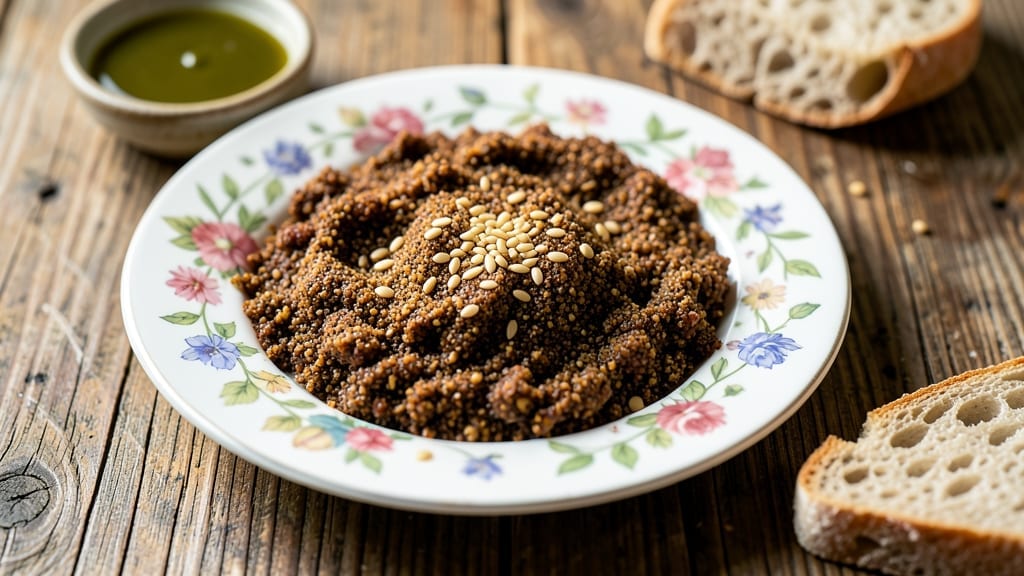
Mastering the peg leg porker dry rub recipe transforms tough pork shoulder into melt-in-your-mouth perfection with a smoky-spiced crust that rivals any BBQ competition entry. This isn’t just another rub—it’s a precise blend of bold spices designed to create that coveted bark while keeping the meat tender inside.
I developed this formula after years of testing, and it consistently delivers results that impress even the most discerning pitmasters.
The secret lies in balancing heat and depth: smoked paprika for that signature smokiness, brown sugar for caramelization, and a touch of cayenne for subtle kick. Unlike generic store-bought blends, this rub uses quality spices that develop complex flavors during the long cook.
The key is applying it generously right after searing the pork—this ensures maximum adhesion and flavor penetration during the slow cook.
What you’ll achieve is pork so tender it practically falls apart when touched, with a crust that’s perfectly crisp yet still clings to each bite. The rub creates a flavor profile that’s rich and complex—smoky, slightly sweet, with just enough heat to linger.
This isn’t just pulled pork; it’s a centerpiece-worthy dish that transforms ordinary weeknight dinners into memorable meals.
Perfect for smokers, slow cookers, or even the oven, this recipe scales beautifully whether you’re feeding a crowd or meal prepping for the week. The rub keeps well in your pantry, so you’ll always have that competition-worthy crust at your fingertips.
Let’s get started on creating your perfect peg leg porker.
Ingredients for peg leg porker dry rub
Pantry staples plus a few specialty spices. This blend turns tough pork into showstopping pulled perfection.
| Ingredient | Amount | Notes |
|---|---|---|
| Pork Shoulder (Bone-In) 🐖 | 6 lb | Peg leg cut preferred, well-marbled |
| Smoked Paprika 🌶️ | ¼ cup | High-quality for authentic smokiness |
| Brown Sugar 🍚 | ¼ cup | Light or dark, packed |
| Kosher Salt 🧂 | 2 tbsp | Diamond Crystal preferred |
| Ground Black Pepper 🌶️ | 1 ½ tbsp | Freshly ground for best flavor |
| Garlic Powder 🧄 | 1 tbsp | Not garlic salt |
| Onion Powder 🧅 | 1 tbsp | Freshly ground preferred |
| Ground Cumin 🌿 | 1 tbsp | Toasted for deeper flavor |
| Cayenne Pepper 🔥 | ½ tsp | Adjust for heat preference |
| Mustard Powder 🍯 | 1 tsp | For subtle tang |
| Yellow Mustard 🍯 | 2 tbsp | For binder, not spicy |
| Extra-Virgin Olive Oil 🫒 | 2 tbsp | For searing pork |
| Apple Cider Vinegar 🍎 | 1 tbsp | For tenderizing |
[recipe_ingredient_scaler]
The pork shoulder is your canvas—peg leg cut is ideal, but any well-marbled shoulder works. Look for good fat distribution at Costco or local butchers. If you’re buying a whole shoulder, trim excess fat to 1/4-inch thickness—this helps the rub stick better. I always grab mine a day ahead so it can come to room temp before cooking. For the spices, Penzeys or bulk bins are worth it if you’re serious about BBQ, but the regular grocery store stuff works fine if it’s fresh (no dusty smell!). The smoked paprika is non-negotiable—it’s what gives that signature competition-worthy bark.
No smoked paprika? Regular paprika plus 1/2 tsp liquid smoke gets you close, but it won’t be identical. Short on brown sugar? Maple syrup at half the amount adds moisture. The mustard powder and vinegar might seem odd, but they’re game-changers—they help tenderize the meat and create that perfect balance of sweet, smoky, and slightly tangy. If you’re cooking for a crowd, double the rub and store it in an airtight container. It keeps for 6 months in your pantry, so you’ll always have that competition-ready crust waiting. Pro tip: Toast your spices in a dry pan for 30 seconds before mixing—they’ll sing even louder.
This rub is designed to develop flavors during the long cook, so apply it generously right after searing the pork. The pork shoulder will keep 4-5 days in the fridge once cooked, and the rub itself lasts 6 months sealed in a jar. For meal prep, portion the cooked pork into containers with some of the juices—it reheats beautifully. The leftovers? Even better the next day as sandwiches or tacos. And if you’re feeling fancy, save some of that smoky crust for a rub on chicken or brisket next time—it’s that versatile.
Why You’ll Love This Recipe
- No-Fuss Crust Builder: That searing step? Just 5 minutes in the pan, and suddenly you’ve got a caramelized crust without any fancy techniques. The smoked paprika and brown sugar cling like glue thanks to the mustard-oil binder—no messy glaze needed.
- Smoky-Sweet Addiction: The cayenne and cumin give it that slow-cooker magic, but the real kick? That perfect balance of sweet, smoky, and spicy from the rub. My kids fight over the last bite—even the picky ones.
- Meal-Prep MVP: Cook once, serve all week. Shred it for tacos, sandwiches, or even nachos. The apple cider vinegar keeps it tender, so leftovers taste just as good as day one. (Yes, even on a Tuesday night.)
- Budget-Friendly Bang: Six pounds of pork shoulder isn’t cheap, but this rub stretches it into five meals—and the spices? A jar lasts forever. You’re basically paying for the meat, not the flavor.
Step-by-step instructions for smoky-spiced pulled pork
Here’s how to build the perfect crust that locks in flavor and moisture for melt-in-your-mouth pulled pork.
Prepare the Pork Shoulder for Maximum Flavor
Start by removing the pork shoulder from the refrigerator and patting it completely dry with paper towels. This step is crucial—any moisture on the surface will prevent the rub from sticking properly and create steam instead of a crispy bark. I like to work in a well-ventilated area when handling pork, especially since we’re using fresh spices that can be aromatic.
Once dry, place the pork shoulder fat-side up on a cutting board. Using a sharp boning knife, trim away any large chunks of fat that might prevent the rub from adhering evenly. Leave a thin layer of fat—about ¼ inch—since this will render during cooking and baste the meat. The goal is to create a smooth surface for your dry rub to cling to.
Create the Perfect Dry Rub Blend
In a medium bowl, combine the ¼ cup smoked paprika, ¼ cup brown sugar, 2 tablespoons kosher salt, 1½ tablespoons ground black pepper, 1 tablespoon garlic powder, 1 tablespoon onion powder, 1 tablespoon ground cumin, ½ teaspoon cayenne pepper, and 1 teaspoon mustard powder. Use your hands or a whisk to thoroughly mix these ingredients until they form a fine, even powder with no visible streaks of individual spices.
Here’s the thing—don’t skip the mustard powder. It might seem like an odd addition, but it adds a subtle tang that balances the sweetness of the brown sugar and enhances the overall depth of flavor. The smoked paprika is the star here, giving that authentic smoky flavor that’s hard to replicate with other spices. Once mixed, set the rub aside in a small bowl.
Coat the Pork with Rub and Mustard Mixture
In a separate small bowl, mix the 2 tablespoons yellow mustard with 1 tablespoon apple cider vinegar and 2 tablespoons extra-virgin olive oil. This combination creates a sticky binder that helps the dry rub adhere to the pork shoulder. The vinegar tenderizes the meat slightly, while the olive oil adds richness that will develop into a beautiful crust during cooking.
Using your hands, generously coat the entire surface of the pork shoulder with this mustard mixture, making sure to get into all the crevices and cracks. Then, take the dry rub and press it firmly into every inch of the pork, covering it completely. The rub should stick to your fingers slightly—this means it’s working. For extra insurance, I like to wrap the pork in plastic wrap and refrigerate it for at least 1 hour (or up to overnight) before cooking. This allows the rub to penetrate the meat and develop deeper flavor.
Sear the Pork for Maximum Flavor Development
When ready to cook, remove the pork from the refrigerator and let it sit at room temperature for 30 minutes. This ensures even cooking throughout. Heat your oven to 275°F—this low temperature is key for that tender pulled pork texture. Place the pork shoulder fat-side up on a wire rack set over a baking sheet to allow air circulation on all sides.
Before putting it in the oven, I like to sear the pork first for added flavor. Heat a large oven-safe skillet over medium-high heat and add 1 tbsp of the extra-virgin olive oil (from the remaining amount you didn’t use in the mustard mixture). Once hot, carefully place the pork shoulder in the skillet fat-side down and sear for 5 minutes until the fat begins to render and the surface develops a deep golden color. This step creates a flavorful crust that will carry through the entire cooking process.
Slow Cook Until Probe-Tender
Transfer the seared pork shoulder to the preheated oven and cook for 6-8 hours until the internal temperature reaches 195-203°F. This is where patience pays off—the slow cooking breaks down the connective tissue, turning tough meat into tender, shreddable perfection. The rub will develop a dark, crusty bark that’s both visually appealing and packed with flavor.
Here’s a pro tip: I like to check the temperature every hour after the first 3 hours. The pork is done when it reaches 203°F and a wooden skewer slides in and out with very little resistance. The bark should be dark and crispy, with no pink remaining in the center. Once done, transfer the pork to a cutting board, tent loosely with foil, and let it rest for 30 minutes before shredding. This resting period allows the juices to redistribute, ensuring each bite is moist and flavorful.
Pro Tips For Making Peg Leg Porker Dry Rub
- TRIM THE FAT SMARTLY: Leave that ¼-inch fat layer—it’s the pork’s self-basting mechanism—but don’t let it turn into a greasy mess. I learned this the hard way: big fat chunks hide under the rub and steam instead of crisping. Trim aggressively but leave the thin layer for moisture and flavor.
- TOAST YOUR CUMIN FIRST: Dry-toast the 1 tablespoon ground cumin in a dry skillet for 30 seconds until fragrant. Sounds weird, but it works: the nutty depth explodes when mixed with the smoked paprika and brown sugar. Skip this, and the rub tastes flat—trust me, your future pulled pork will thank you.
- SEAR HOT, THEN COOL FAST: That 5-minute sear in the oven-safe skillet needs to be screaming hot—no medium heat here. Once you transfer the pork to the 275°F oven, the temperature drop shocks the meat into locking in juices. I used to linger on the stovetop, and the bark always turned soggy.
- SALT THE RUB IN STAGES: Mix only half the 2 tablespoons kosher salt into the dry rub initially. After pressing it on, sprinkle the remaining salt over the top after the 1-hour fridge rest. The extra salt on the surface crisps into a harder bark while keeping the interior juicy—no dry, overworked meat here.
Dietary considerations for peg leg porker dry rub
Gluten-Free Adaptation
This rub is naturally gluten-free since it relies on spices and sugar—no flour or wheat-based ingredients here! You can use it as-is on pork shoulder without worry. The mustard powder and apple cider vinegar in the binder are also gluten-free, so no substitutions needed.
Just ensure your kosher salt and smoked paprika are certified gluten-free if you’re sensitive. This makes it perfect for gluten-free diets without sacrificing flavor. 💪
Low-Carb Option
To make this rub lower in carbs, swap the ¼ cup brown sugar for 2 tablespoons erythritol or monk fruit sweetener. This keeps the sweetness while drastically reducing the carb count.
The rest of the rub remains unchanged, so you still get that smoky, spiced crust. I’ve used this version for keto-friendly pulled pork with great success. 🍽️
Dairy-Free Considerations
This rub is already dairy-free since it contains no cheese, butter, or milk products. However, if you’re using yellow mustard that contains honey or whey, opt for a plain mustard like French Dijon instead.
The rest of the ingredients are naturally dairy-free, so you can enjoy this rub without concern. It’s a great option for those avoiding dairy. 🥛
Spice-Free Version
For those who prefer minimal heat, simply omit the ½ teaspoon cayenne pepper entirely. The rub will still deliver the smoky, sweet, and savory flavors without any spiciness.
You can also reduce the ground black pepper to 1 tablespoon if you want even milder seasoning. The flavor remains rich and satisfying. 🌶️
Vegetarian Rub Adaptation
While this rub is designed for pork, you can adapt it for vegetarian dishes like portobello mushrooms or seitan. Apply the same blend to these plant-based proteins after marinating them in the mustard-oil-vinegar mixture.
The rub will create a delicious crust on these alternatives, giving them a meaty texture and smoky depth. It’s a fun way to experiment with flavors! 🌱
Nutrition facts
Frequently asked questions
Why does the rub need to sit on the pork overnight?
Letting the rub marinate for 1 hour to overnight allows the spices to penetrate deeper into the meat, creating richer flavor. The mustard powder and vinegar in the binder tenderize the pork slightly while the dry rub develops a stronger crust. This step is key for that competition-worthy bark you crave!
Can I use this rub on other proteins besides pork?
This blend works beautifully on chicken thighs, beef brisket, or even vegetarian seitan after marinating in the mustard-oil-vinegar mixture. The smoky-spiced crust adapts perfectly to other meats while keeping that signature flavor.
What if my rub sticks to my fingers too much?
This actually means it’s working! If it’s too sticky, reduce the yellow mustard binder slightly next time. The goal is a firm adhesion—not glue-like consistency. For extra grip, press the rub firmly into crevices and trim excess fat first. A little stickiness ensures maximum flavor penetration!
How do I store leftover cooked pulled pork?
Transfer cooled pork to an airtight container and refrigerate for up to 4-5 days. For longer storage, freeze in portions for up to 3 months. Reheat gently with a splash of liquid to restore moisture—never overcook! The rub’s flavors actually deepen when reheated.

Trained in classic French technique but raised on slow-cooked ribs and spicy rubs, she blends culinary skill with smoke and soul.
- Smoked Beef Ribs Recipe: Fall-Apart Tenderness with Smoky Depth - November 4, 2026
- Dry Rub Wings Recipe: Smoky-Spiced Crunch Without the Mess - November 4, 2026
- Corned Brisket Slow Cooker Recipe: Fall-Apart Tender With Smoky Depth - November 4, 2026