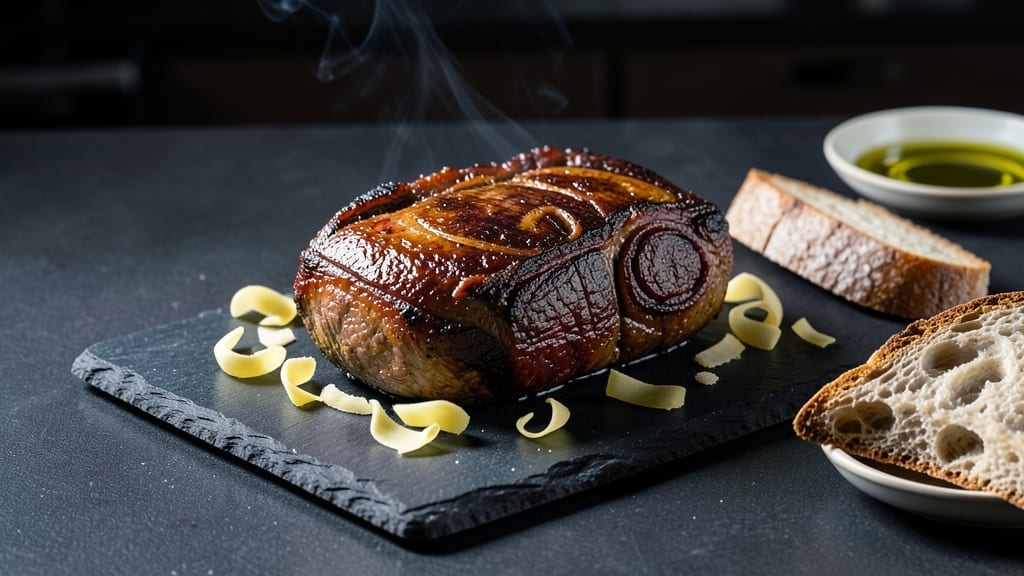
Pellet smoked chuck roast delivers that juicy, melt-in-your-mouth texture and deep, smoky flavor that makes every bite unforgettable. I remember the first time I tasted a perfectly smoked chuck roast at a family cookout—it changed how I approached slow cooking forever.
That experience led me to refine my technique, blending classic French patience with the precision of pellet grilling.
The secret lies in the low-and-slow approach, where the pellet grill maintains a consistent temperature while the roast transforms from tough to tender. A well-balanced dry rub—think smoked paprika, brown sugar, and garlic powder—creates a flavorful bark that locks in moisture.
The key is timing: patience turns a simple cut of beef into a showstopper that feeds a crowd without breaking the bank.
By the time you pull it from the smoker, you’ll have a roast so tender it practically falls apart, with a crust that’s rich and aromatic. The aroma alone will have everyone gathering in the kitchen, and the first slice will silence any doubters.
This isn’t just dinner—it’s an event, and the best part? It’s easier than it looks.
Pair it with caramelized onions, roasted potatoes, or a simple green salad to round out the meal. The leftovers? Even better the next day. Let’s get smoking—your taste buds will thank you.
Ingredients for pellet smoked chuck roast
Juicy chuck roast and aromatic dry rub create melt-in-your-mouth perfection with pellet grill precision.
| Ingredient | Amount | Notes |
|---|---|---|
| Chuck Roast 🥩 | 4 lb | Well-marbled, bone-in preferred |
| Smoked Paprika 🌶️ | 2 tbsp | High-quality, not pre-mixed |
| Brown Sugar 🍯 | 1 tbsp | Light or dark, packed |
| Garlic Powder 🧄 | 1 tbsp | Freshly ground preferred |
| Ground Black Pepper 🌶️ | 1 tbsp | Freshly cracked, coarse |
| Kosher Salt 🧂 | 1 tbsp | Diamond Crystal preferred |
| Onion Powder 🧅 | 1 tbsp | Freshly ground preferred |
| Yellow Mustard 🍯 | 2 tbsp | For moisture retention |
| Yellow Onions 🧅 | 2 whole | Thinly sliced for caramelizing |
| Garlic Cloves 🧄 | 6 cloves | Peeled, smashed for aroma |
| Beef Broth 💧 | 1 cup | Low-sodium preferred |
| Apple Cider Vinegar 🍎 | 2 tbsp | For tenderizing |
| Black Peppercorns 🌶️ | 1 tsp | Crushed, for finishing |
| Fresh Rosemary 🌿 | ½ cup | Chopped, for aroma |
[recipe_ingredient_scaler]
The chuck roast is the star—look for well-marbled cuts with visible fat. Costco or your butcher shop usually carry the best. Bone-in roasts stay juicier, but boneless works too if you’re in a hurry. For the dry rub, Penzeys or bulk spice sections at grocery stores have the best quality. Smoked paprika gives that deep, smoky flavor, while the brown sugar caramelizes into a sweet-savory crust. Don’t skip the mustard—it helps the rub stick and keeps the meat moist during the long smoke. I always grab extra rosemary; half goes in the rub, half gets tucked under the meat for that fresh aroma when you pull it from the smoker.
No smoked paprika? Regular paprika plus a pinch of liquid smoke works in a pinch. Short on brown sugar? Maple syrup at half the amount adds moisture. The beef broth can be swapped for red wine or apple juice if you’re feeling fancy. For the onions, caramelized store-bought works if you’re short on time—just add a splash of water to prevent burning. The vinegar is key for tenderizing; if you’re worried about flavor, balance it with an extra tablespoon of brown sugar in the rub. Fresh rosemary is ideal, but dried at one-third the amount gets you close if you’re in a bind.
This roast tastes even better the next day—double the batch if you can. Store leftovers in the fridge for up to 5 days or freeze for 3 months. I like to slice it against the grain and pack it in containers for easy lunches. The rub keeps well in an airtight container for up to 6 months, so make extra. The onions can be prepped ahead and refrigerated for 3 days before smoking. Just reheat the roast low and slow—no rushing, or you’ll dry it out.
Why You’ll Love This Recipe
- No-Fuss Smoking: Honestly, the hardest part is waiting for the pellet smoker to hit 225°F—after that, it’s basically hands-off. Just slap on that mix of smoked paprika, brown sugar, and garlic powder, let it marinate for a few hours, and then forget about it while it smokes for 6 hours. The only real effort is slicing it perfectly against the grain later, but that crispy bark makes it worth it.
- Smoky-Sweet Perfection: That combo of hickory or oak smoke with the caramelized onions and garlic? Chef’s kiss. The brown sugar in the rub caramelizes into a sticky, sweet crust, while the apple cider vinegar keeps the meat tender. Every bite is a balance of smoky depth, savory richness, and just a touch of sweetness—no artificial flavors, just pure satisfaction.
- Leftovers That Last: I make this once a week and still have roast for lunches for days. The rub keeps for months, so you can double it for future meals, and the roast itself stays juicy and flavorful for up to five days in the fridge. Freeze portions too—just reheat in the oven, and it’s like you cooked it yesterday.
- Budget-Friendly Feast: A 4-pound chuck roast feeds a crowd without breaking the bank, and the ingredients are simple but impactful. The smoked paprika and rosemary add big flavor for pennies, and the caramelized onions turn scraps into something special. It’s the kind of dish where you spend more on the pellets than the meat itself, and it still tastes like a restaurant hit.
Step-by-step instructions for smoked chuck roast
Here’s how to transform a tough cut into melt-in-your-mouth perfection using your pellet smoker.
Prepare the Chuck Roast for Maximum Flavor
Begin by trimming any excess fat from the chuck roast, leaving just a thin layer to protect the meat during smoking. Pat the roast dry with paper towels—this step is crucial for developing that coveted bark. In a small bowl, combine the 2 tablespoons smoked paprika, 1 tablespoon brown sugar, 1 tablespoon garlic powder, 1 tablespoon ground black pepper, 1 tablespoon kosher salt, and 1 tablespoon onion powder. Rub this mixture generously over the entire surface of the chuck roast, pressing it into the meat so it adheres well.
Next, create a simple marinade by whisking together the 2 tablespoons mustard, 2 tablespoons apple cider vinegar, and ½ cup fresh rosemary. Brush this mixture evenly over the roast, ensuring every inch is coated. Place the roast on a plate, cover with plastic wrap, and refrigerate for at least 4 hours or overnight. This allows the flavors to penetrate deeply and the meat to relax, ensuring a juicy result when smoked.
Caramelize Onions and Garlic for the Basting Sauce
While the roast rests, prepare the onions and garlic for the basting sauce. Thinly slice the 2 yellow onions and peel the 6 garlic cloves, leaving them whole. Heat a large skillet over medium heat and add the sliced onions. Cook them for 15-20 minutes, stirring occasionally, until they turn golden brown and caramelized. This process should yield about ½ cup of caramelized onions—remove them from the skillet and set aside.
In the same skillet, add the whole garlic cloves and cook for 1-2 minutes until they’re lightly browned but not burnt. Remove the garlic from the skillet and set it aside as well. Pour the 1 cup beef broth into the skillet, scraping up any browned bits from the bottom. Simmer the broth for 5 minutes to reduce it slightly, then strain it through a fine-mesh sieve to remove any impurities. This rich, flavorful broth will be used to baste the roast during smoking, keeping it moist and adding depth to the bark.
Smoke the Chuck Roast Low and Slow
Preheat your pellet smoker to 225°F, using hickory or oak pellets for a classic smoke flavor. Once the smoker reaches temperature, place the chuck roast on the grill grates, fat-side up. Close the lid and smoke the roast undisturbed for 6 hours. During this time, the meat will gradually break down, becoming tender and juicy. Every 90 minutes, baste the roast with the reduced beef broth using a basting brush. This helps maintain moisture and enhances the bark formation.
After 6 hours, check the internal temperature of the roast using a meat thermometer. It should read around 170°F. If it hasn’t reached this temperature, continue smoking and basting for another 1-2 hours. The roast is done when it’s fork-tender and the internal temperature reaches 195°F—this ensures it will be incredibly juicy and easy to slice. The bark should be dark and crusty, with a rich, smoky aroma filling your kitchen.
Rest and Slice for Juicy Perfection
Once the roast reaches the desired internal temperature, remove it from the smoker and transfer it to a cutting board. Tent loosely with aluminum foil and let it rest for at least 30 minutes. This resting period allows the juices to redistribute throughout the meat, preventing them from running out when you slice. During this time, preheat your oven to 300°F to keep the roast warm if you’re serving it immediately.
Slice the chuck roast against the grain into ¼-inch thick slices. Each slice should be incredibly tender, with a juicy center and a perfectly crisp bark. Serve the slices with the caramelized onions and garlic cloves scattered on top, along with the remaining basting broth reduced into a glossy sauce. The combination of smoky, caramelized flavors and tender meat will make this roast the star of your meal.
Pro Tips For Making Pellet Smoked Chuck Roast
- Smoke Fat-Side Up: DESCRIPTION:
- Caramelize Until Golden: DESCRIPTION:
- Baste Like You Mean It: DESCRIPTION:
- Probe Don’t Guess: DESCRIPTION:
Pro cooking tips for pellet smoked chuck roast
Pellet Grill Mastery
Your pellet smoker is a precision tool, and treating it like one makes all the difference. I always preheat my Traeger Pro 575 for at least 15 minutes before adding the roast—this ensures a stable 225°F environment from the start.
I also recommend using hickory pellets for that classic BBQ aroma, but oak works beautifully too if you prefer a milder smoke. Look for pellets with 16-20% moisture content—dry pellets create more consistent smoke. 🔥
The Basting Ritual
Basting every 90 minutes isn’t just about moisture—it’s about building that perfect bark. I use a heat-resistant basting brush (like the OXO Good Grips model) to apply the reduced beef broth, making sure to coat the entire surface.
The key is to baste generously but not so much that you drown the bark. After the final basting, I let the roast develop its crust undisturbed for the last 30 minutes of cooking. This creates that coveted Maillard reaction that makes your roast irresistible.
Temperature Control
Pellet smokers are great, but they’re not foolproof. I keep a digital meat thermometer (my go-to is Thermoworks Smoke) right next to my grill, checking both the internal temperature and the smoker’s ambient temp every 2 hours.
If the smoker temperature drops below 220°F, I add more pellets to get it back on track. The roast is done when it hits 195°F, but I never rush it—waiting for that perfect internal temperature ensures fork-tender meat every time.
Resting Like a Pro
This is where many home cooks make their biggest mistake. After removing the roast, I wrap it loosely in aluminum foil (not plastic wrap!) and place it on a cutting board.
I let it rest for at least 30 minutes, but I often go for 45 minutes if I’m serving it later. This resting period is what makes the difference between a juicy slice and a dry one.
I also cover the board with a clean towel to keep the heat contained, which helps maintain that perfect serving temperature. 💡
Pellet Pellet Pellet
Not all pellets are created equal, and this is where your choice really matters. I prefer Lumberjack pellets for their consistent burn rate and clean smoke. If you’re using a different brand, do a test run first to see how your smoker responds.
I also recommend storing your pellets in a cool, dry place—moisture is the enemy of perfect smoking. And if you notice your smoke getting too thick or your pellets burning too quickly, it might be time to switch to a different brand or moisture level.
Nutrition facts
Frequently asked questions
Why does the chuck roast need to rest after smoking?
Resting is crucial because it lets the meat’s juices redistribute evenly after the intense heat. Without resting, all those delicious juices would spill out when you slice, leaving you with dry meat. Tenting it loosely with foil traps the heat gently while allowing the juices to settle back into the fibers—this is what makes your slices so juicy and tender.
Can I use a different type of pellet besides hickory or oak?
While hickory and oak are classic choices for their bold flavor, you can experiment with fruitwoods like cherry or apple for a sweeter profile, or mesquite for a stronger, earthier taste. Just note that fruitwoods burn faster, so you may need to adjust your pellet hopper more frequently. The key is to choose pellets with 16-20% moisture content for consistent smoke.
What if my pellet smoker temperature fluctuates during cooking?
Fluctuations are normal, but you can minimize them by checking your pellet hopper—low pellets mean less smoke and inconsistent temps. Keep a digital thermometer nearby and add pellets every 2 hours if the temp drops below 220°F. If your smoker struggles to maintain 225°F, try switching to a slightly higher moisture pellet brand or cleaning your auger and burn pot for better airflow. Patience pays off!
How do I know when the roast is done without overcooking it?
Use a meat thermometer to check the internal temperature—aim for 195°F for fork-tender perfection. The roast should also pull away easily from the bone when done. If it’s still tough at 195°F, let it rest longer before slicing; overcooking happens when you rush the process or let it sit too long on the smoker. Trust the thermometer over guesswork!
Can I make the dry rub ahead of time for this recipe?
Yes! The rub keeps beautifully in an airtight container for up to 6 months, so prep it early. Store it in a cool, dry place, and just shake it off generously onto the roast when you’re ready to cook. If you’re short on smoked paprika, swap in regular paprika plus a pinch of liquid smoke for that smoky kick. Double the batch—it’s perfect for future meals!

Trained in classic French technique but raised on slow-cooked ribs and spicy rubs, she blends culinary skill with smoke and soul.
- Smoked Brisket Recipe: Low and Slow to Fall-Apart Tenderness - November 2, 2026
- Smoked Turkey Breast Recipe: Juicy Pink Center With Crispy Skin Every Time - November 2, 2026
- Leftover Smoked Pulled Pork Chili Recipe: Rustic Flavor Revival in One Pot - November 2, 2026