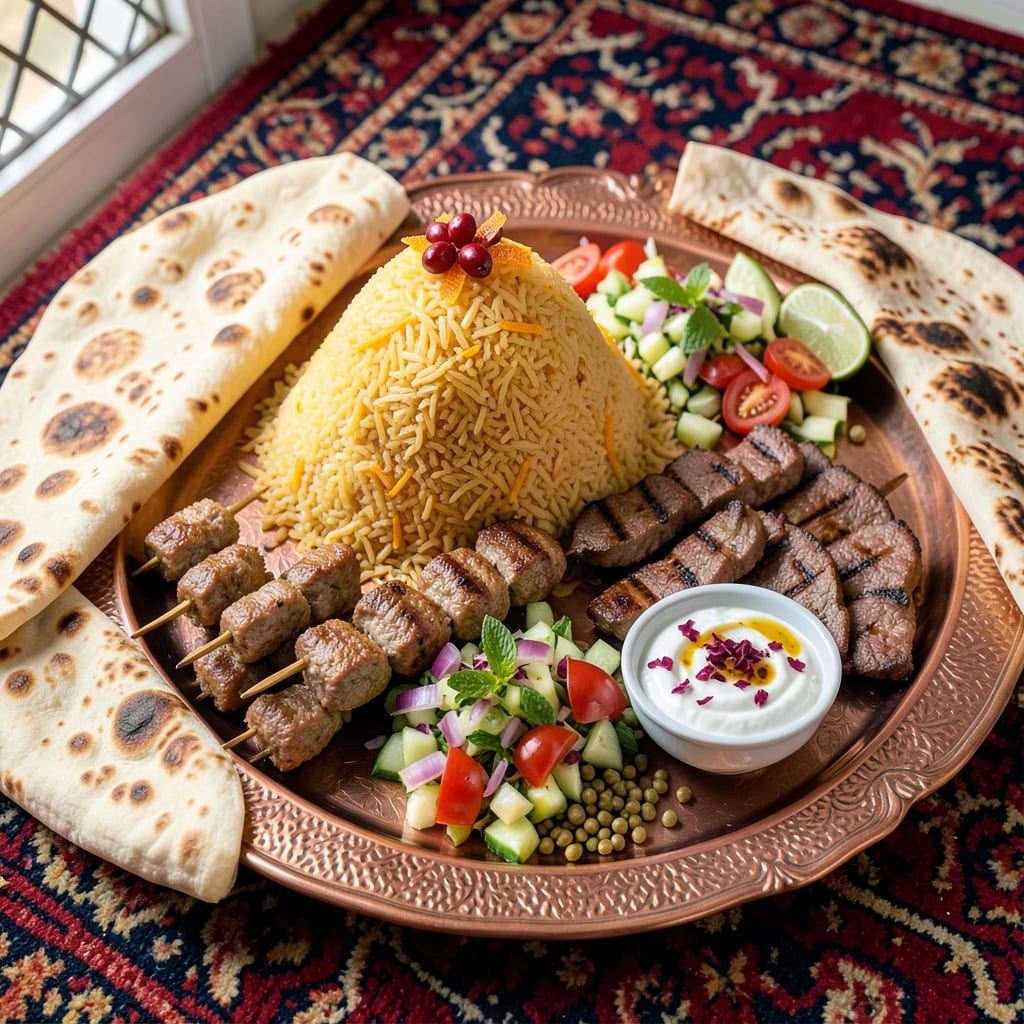
The best Persian cookbooks blend traditional flavors with modern techniques, featuring dishes like ghormeh sabzi, fesenjan, and tahdig. Look for titles with authentic recipes, cultural context, and step-by-step instructions for home cooks of all skill levels.
What sets exceptional Persian cookbooks apart is their ability to transport you to Iran’s kitchens through vivid storytelling and precise techniques. 🌟 I’ve found the most valuable ones include ingredient substitution guides for hard-to-find items like sumac or dried limes, along with personal anecdotes that explain why certain dishes hold cultural significance. The best authors don’t just list recipes—they teach you the why behind techniques like achieving the perfect golden crust on tahdig or balancing the sweet-tart flavors in fesenjan.
For home cooks, this means looking beyond just the recipe count. A truly great Persian cookbook should feel like a culinary mentor—offering troubleshooting tips for common mistakes, suggesting wine or tea pairings, and even including menu planning ideas for Persian feasts. The difference between a good and great cookbook often lies in these thoughtful details that make the cuisine accessible yet authentic. ✨
💡 In This Article
- What Makes a Persian Cookbook Authentic and Valuable
- How to Choose the Best Persian Cookbook for Your Kitchen
What Makes a Persian Cookbook Authentic and Valuable
The heart of an authentic Persian cookbook lies in its commitment to regional specificity. Iran’s diverse climate—from the Caspian Sea’s humid shores to the arid central plateau—creates distinct culinary traditions.
A valuable cookbook won’t just label a dish “Persian”; it’ll specify whether the ghormeh sabzi recipe hails from Tehran (with more herbs) or Isfahan (with extra dried limes). This precision matters because ingredient ratios change dramatically across provinces—what works in Gilan’s rainy forests won’t suit Yazd’s desert kitchens.
Look for books that include ingredient deep dives with substitution guides. Authentic Persian cooking relies on items like golpar (angelica powder), advieh (spice blends), and zereshk (barberries) that aren’t in Western pantries. The best authors provide measurement equivalents (like 1 tbsp dried lime powder = 2 fresh limes) and explain where to source specialty items.
I’ve found cookbooks with dedicated “Pantry” chapters save hours of research—some even include QR codes linking to trusted online spice merchants.
Cultural storytelling elevates a cookbook from instructional to transformative. When a recipe for tahdig includes the memory of a Tehran grandmother flipping the crispy rice at precisely 180°F to avoid breaking it, you’re not just learning technique—you’re connecting to generations of tradition.
The most valuable books weave history into their headnotes, explaining how dishes like fesenjan evolved from ancient pomegranate-based sauces to modern walnut-enriched versions. 🌟
Modern adaptations demonstrate a cookbook’s real-world usefulness. The best titles don’t just preserve tradition—they make it practical. This means offering Instant Pot versions of 6-hour stews, suggesting vegetarian substitutes for meat-heavy dishes, or providing make-ahead tips for complex rice preparations.
I particularly value books that include menu planning sections, showing how to balance flavors and textures across a full Persian meal (like pairing tangy mast-o-khiar with rich khoresh-e karah).
Technical precision separates good cookbooks from exceptional ones. Persian cuisine relies on specific temperatures and timings that Western cooks might overlook. A quality book will specify exactly when to add saffron-infused water to rice (after the first 10 minutes of steaming) or how long to caramelize onions for ash reshteh (45-60 minutes on low heat).
The best authors anticipate common mistakes—like over-stirring abgoosht or under-toasting naan berenji—and provide troubleshooting tips.
Visual elements enhance both authenticity and usability. While some purists prefer text-only books, I’ve found the most valuable Persian cookbooks include step-by-step photos for complex techniques like shaping koloocheh pastries or layering baghali polo.
The best titles balance cultural imagery (market scenes, traditional utensils) with practical shots showing exactly what “golden brown tahdig” should look like. Some even include illustrated guides to Persian cooking tools like the tabeh (shallow pan) or diz (stone pot). ✨
Ultimately, the most authentic Persian cookbooks feel like a conversation with a wise Iranian aunt—patiently explaining traditions while adapting them for your modern kitchen. They’ll include the why behind techniques (like why you must rinse basmati rice three times before cooking) and the how to achieve restaurant-quality results at home.
The best ones leave you not just with full stomach, but with stories to tell at your own dinner table. 💫

Trained in classic French technique but raised on slow-cooked ribs and spicy rubs, she blends culinary skill with smoke and soul.
- Recipe for Boneless Pork Chops in Cast Iron Skillet: Sear and Baste to Juicy Perfection - October 3, 2026
- Recipe for Boneless Cross Rib Roast: Slow-Roasted Beef with Herb Crust - October 3, 2026
- Hamburgers in Sauce Recipe Crock Pot: Slow-Cooked Savory Delight - October 3, 2026