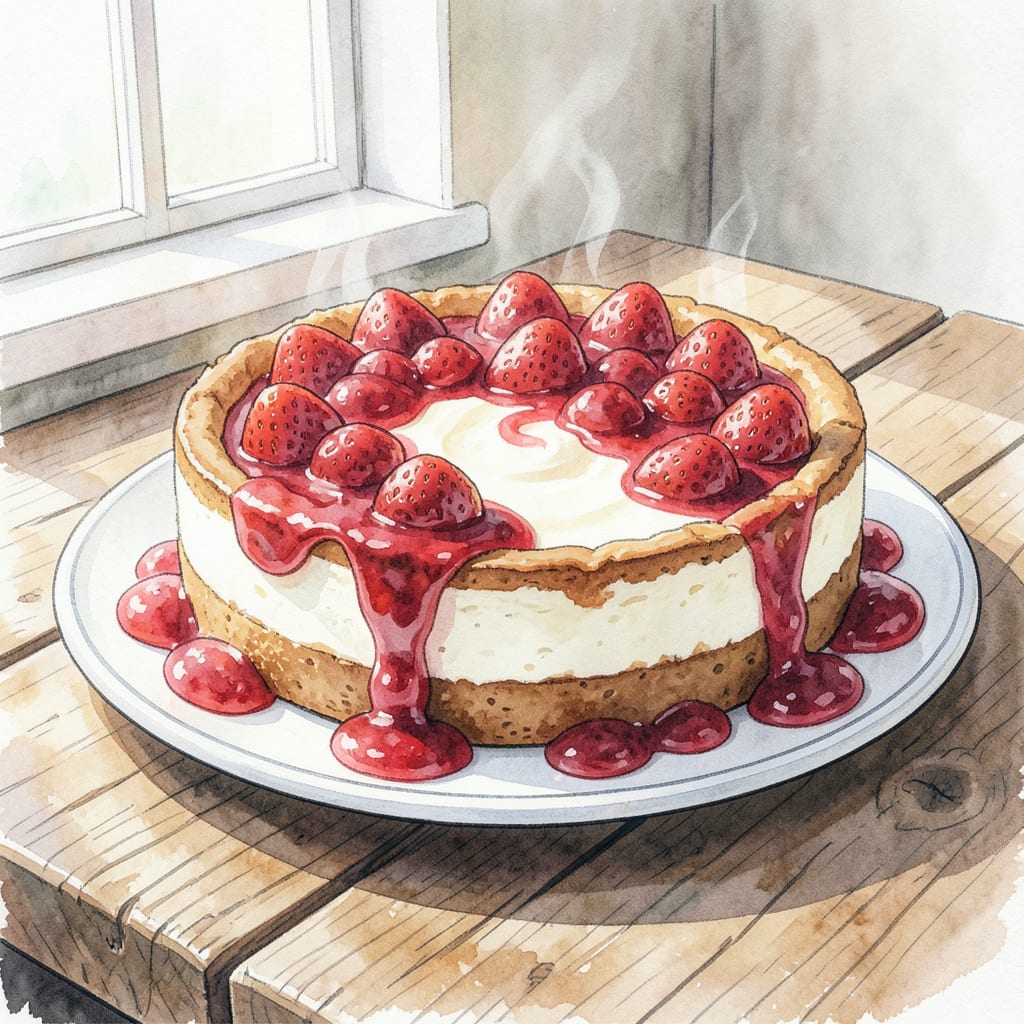
As a pitmaster with a passion for combining smoke-cooking tradition with classic French technique, I’ve perfected a creamy Philadelphia cheesecake filling recipe that’s sure to impress. My experience with slow-cooked ribs and spicy rubs has given me an edge in creating rich, velvety desserts.
This cheesecake filling recipe delivers perfect results every time, with a smooth texture that’s both luxurious and easy to achieve. By following my simple instructions, you’ll be able to create a show-stopping dessert that’s sure to become a new favorite.
Ingredients for Philadelphia Cheesecake Filling
Gather these premium ingredients for a show-stopping Philadelphia cheesecake that’s sure to impress.
| Ingredient | Amount | Notes |
|---|---|---|
| Cream Cheese 🧀 | 16 oz | Softened to room temperature |
| Granulated Sugar 🍮 | 1 cup | Superfine for smoother texture |
| Sour Cream 🥛 | 1 cup | Full-fat for richness |
| Vanilla Extract 🌿 | 2 tsp | High-quality pure vanilla |
| Large Eggs 🥚 | 4 whole | Room temperature |
| All-Purpose Flour 🌾 | 2 tbsp | Sifted to avoid lumps |
| Salt 🧂 | ¼ tsp | Kosher or sea salt |
[recipe_ingredient_scaler]
For the creamiest texture, soften the cream cheese properly—leave it out for at least 2 hours. I like to use Philadelphia brand cream cheese for authenticity. If you’re using a different brand, make sure it’s full-fat. The sour cream adds a nice tang, so don’t skip it.
No superfine sugar? Pulse granulated sugar in a food processor until it’s finer. The vanilla extract matters—go for high-quality pure vanilla, not imitation. If you’re out of vanilla, you can substitute with a bit of almond extract (though it changes the flavor slightly). Make sure your eggs are at room temperature for a smoother batter.
This filling keeps in the fridge for up to 5 days. You can also freeze it for 3 months—just thaw it in the fridge overnight. When you’re ready to bake, pour the filling into your crust and smooth the top. Simple, right?
Step-by-Step Instructions for Philadelphia Cheesecake Filling
Follow these precise steps to achieve the creamiest, most perfect cheesecake filling every time.
Step 1: Prepare the Cream Cheese
Start by ensuring your 16 oz Cream Cheese is fully softened to room temperature. This step is crucial as it prevents lumps in your filling. I like to leave it out for at least 2 hours before mixing. Once softened, beat the Cream Cheese in a stand mixer using the paddle attachment at medium speed until it’s smooth and creamy, about 2 minutes. You’ll notice it becomes lighter and more pliable.
Scrape down the sides of the bowl to ensure all the Cream Cheese is incorporated evenly. This is important for a uniform texture throughout your cheesecake. Don’t rush this step – the smoother your Cream Cheese, the better your final product will be.
Step 2: Add Sugar and Mix
Gradually add the 1 cup Granulated Sugar to the Cream Cheese while continuing to mix at medium speed. The mixture should become light and fluffy, which typically takes about 3-4 minutes. Make sure to stop and scrape down the bowl halfway through to ensure all the sugar is fully incorporated. You’ll know it’s ready when the mixture looks pale and has a uniform consistency.
The sugar not only adds sweetness but also helps to break down the Cream Cheese further, contributing to that perfect creamy texture. Beating it long enough is key – under-mixing can leave you with a grainy texture.
Step 3: Incorporate Remaining Ingredients
Add the 1 cup Sour Cream and 2 tsp Vanilla Extract to the mixer bowl. Mix on low speed until just combined, being careful not to over-mix. The Sour Cream adds richness and helps achieve that signature cheesecake texture. Next, add the 4 whole Large Eggs one at a time, mixing on low speed after each addition until just incorporated. Scrape down the bowl after each egg to ensure everything mixes evenly.
Finally, add the 2 tbsp All-Purpose Flour and 0.25 tsp Salt, mixing until just combined. The flour helps stabilize the filling, while the salt enhances the overall flavor. Be cautious not to over-mix at this stage, as it can lead to a dense cheesecake. The batter should be smooth and free of lumps.
Step 4: Final Mixing and Check
Give the entire mixture a final mix on low speed for about 30 seconds to ensure everything is well incorporated. Then, stop the mixer and scrape down the bowl one last time. Check the consistency – it should be smooth, creamy, and free of lumps. If you notice any lumps, give it a quick mix by hand with a spatula to smooth it out.
Your cheesecake filling is now ready to be poured into your prepared crust. The key to a perfect cheesecake is in the details – from the smooth Cream Cheese to the well-incorporated ingredients, every step matters. Pour the filling carefully to avoid creating air bubbles, and you’re ready to bake to perfection.
Regional Styles of These Flavors
New York Style Philadelphia Cheesecake
The classic New York cheesecake is a staple of American desserts, and using Philadelphia cream cheese gives it that authentic creamy texture. This style is known for its dense, rich filling and a characteristic water bath baking method that prevents cracking. To achieve this, bake at 325°F for about 1 hour and 15 minutes, then cool slowly in the oven. 🌟
Italian-Style Cheesecake Variations
Italian cheesecakes often incorporate unique flavors like espresso or limoncello. You can add a teaspoon of high-quality espresso powder or a tablespoon of limoncello liqueur to the batter for an Italian twist. The citrus notes complement the richness of the cheesecake beautifully. Consider using Italian ladyfingers crust for added texture. 🍰
Japanese-Style Cotton Cheesecake
Japanese cotton cheesecakes are known for their light, fluffy texture achieved by incorporating beaten egg whites into the batter. To make this version, beat the egg whites until stiff peaks form and gently fold them into the cream cheese mixture. This creates a soufflé-like texture that’s both delicate and impressive. The key is to maintain the airiness while baking at a lower temperature around 300°F. ✨
Regional American Variations
Different regions in the US have their own cheesecake preferences. For example, some like to add a graham cracker crust with a hint of cinnamon, while others prefer a cookie crust made with crushed Oreo cookies. Experiment with different crusts and flavor combinations to find your favorite regional twist. 🎉
Modern Fusion Cheesecakes
Modern cheesecakes often blend traditional flavors with unexpected ingredients. Try adding matcha powder for a green tea cheesecake or cocoa powder for a chocolate version. You can also incorporate caramel sauce or fruit compote into the batter for added depth. The key is balancing the new flavors with the classic cream cheese base. 🔥
Tips for Perfect Cheesecake Filling
Regardless of the style, achieving a smooth, creamy filling is crucial. Make sure all your ingredients are at room temperature before mixing, and avoid overmixing the batter. Using high-quality ingredients like real vanilla extract and premium cream cheese makes a significant difference in the final product. 💪

Trained in classic French technique but raised on slow-cooked ribs and spicy rubs, she blends culinary skill with smoke and soul.
- Recipe for Boneless Pork Chops in Cast Iron Skillet: Sear and Baste to Juicy Perfection - October 3, 2026
- Recipe for Boneless Cross Rib Roast: Slow-Roasted Beef with Herb Crust - October 3, 2026
- Hamburgers in Sauce Recipe Crock Pot: Slow-Cooked Savory Delight - October 3, 2026