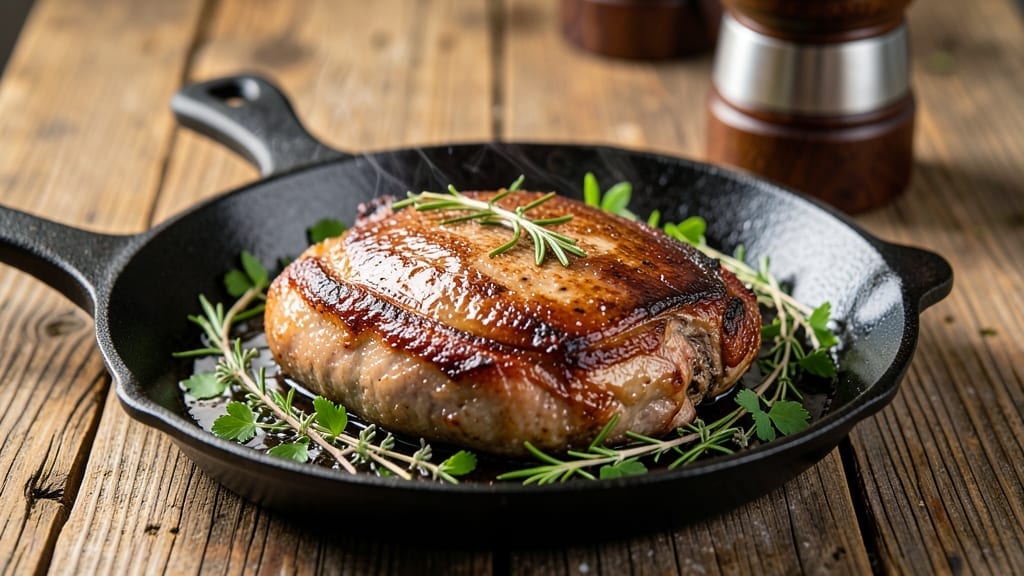
Mastering a Pit Boss smoker rib roast transforms tough beef into melt-in-your-mouth perfection—exactly the kind of fall-apart tenderness that makes every bite worth the wait. 🔥 I learned this technique during my first serious pitmaster competition, where the difference between a good roast and a legendary one came down to patience and precision.
The key lies in low-and-slow smoking paired with a final sear that locks in juices while building that coveted smoky crust.
This method relies on a few non-negotiables: a properly trimmed roast, a well-calibrated Pit Boss smoker set to 225°F, and the right wood—hickory for bold flavor or cherry for subtle sweetness. The secret weapon? Reverse searing after the smoke phase to ensure even doneness without drying out the meat.
With proper internal temperature monitoring (USDA recommends 145°F for medium-rare), you’ll achieve that perfect balance of smoky aroma and tender texture that keeps guests coming back for seconds.
By the time you slice into this roast, you’ll see layers of deep pink meat and a caramelized crust that’s impossible to resist. The smoky flavor permeates every bite, while the reverse sear guarantees a juicy interior that stays intact when cut.
This isn’t just dinner—it’s an experience that turns your backyard into the talk of the neighborhood. Pair it with baked potatoes or a crisp slaw to complete the meal.
What makes this recipe foolproof is the combination of time-tested pitmaster techniques and modern smoker technology. Whether you’re feeding a crowd or treating yourself to a special meal, this method delivers restaurant-quality results with minimal fuss. Let’s get started on creating the most tender, smoky roast you’ve ever tasted.
Ingredients for pit boss smoker rib roast
The right cut of beef and a handful of smoky spices—this is where backyard BBQ magic happens.
| Ingredient | Amount | Notes |
|---|---|---|
| Beef Rib Roast 🥩 | 6 lb | Bone-in, well-marbled, trimmed of excess fat |
| Coarse Kosher Salt 🧂 | 2 tbsp | Diamond Crystal preferred for texture |
| Freshly Ground Black Pepper 🌶️ | 1 tbsp | Cracked peppercorns for maximum flavor |
| Smoked Paprika 🌶️ | 1 tbsp | For deep smoky aroma |
| Garlic Powder 🧄 | 1 tbsp | Freshly toasted preferred |
| Onion Powder 🧅 | 1 tbsp | Diamond Crystal for proper salt balance |
| Mustard Powder 🍯 | 1 tsp | For subtle tang |
| Hickory Wood Chips 🌳 | 2 cups | Unsoaked, premium grade |
| Cherry Wood Chips 🍒 | 1 cup | For subtle sweetness |
| Yellow Mustard 🍯 | 2 tbsp | For final glaze |
| Apple Cider Vinegar 🍎 | 1 tbsp | For bright acidity |
| Unsalted Butter 🧈 | 4 oz | Cold, for final sear |
| Fresh Rosemary 🌿 | 1 sprig | For aromatic finish |
[recipe_ingredient_scaler]
The rib roast is your centerpiece, so don’t compromise. Look for a bone-in, well-marbled roast from a trusted butcher—Costco or local meat counters are great spots. The marbling is what keeps this tender, so avoid lean cuts. Trim excess fat but leave the fat cap intact—it renders down during smoking and baste the meat. For the wood, Traeger or Cookshack brands are reliable, but even grocery store bags of chips work if they’re labeled ‘premium’. The hickory gives bold smoke, while cherry adds subtle sweetness—perfect for balancing the richness of the beef.
No hickory chips? Mesquite or oak work in a pinch, though the flavor will differ slightly. Running short on fresh rosemary? Dried will work at half the amount, but trust me on the fresh stuff—it adds an aromatic punch that dried can’t match. The mustard powder adds depth, but if you’re out, a pinch of Dijon powder does the trick. For the final glaze, if you don’t have apple cider vinegar, white wine vinegar or lemon juice keeps the bright acidity. And yes, the butter matters—full-fat, unsalted for that rich sear.
This roast tastes even better the next day, so plan ahead. Wrap tightly in butcher paper (not foil—it steams the crust) and store in the fridge for up to 3 days. For longer storage, freeze portions for up to 3 months. The leftovers? Slice thin and use in sandwiches, tacos, or even a smoky beef hash. The smoky crust gets even more intense as it rests, so don’t skip the resting time—at least 30 minutes before slicing.
Why You’ll Love This Recipe
- I’ll be real: this roast is so good, you’ll have leftovers—but that’s actually a blessing. Slice it thin against the grain, wrap it in butcher paper (not foil, or you’ll steam the crust), and it stays delicious for up to three days in the fridge. Or, freeze portions for up to three months. Need a quick lunch? Toss slices on a bun with a smear of that leftover mustard glaze. Need dinner? Chop it into a hearty pot pie filling. Zero waste, all flavor.
- No-Fuss Smoking: Honestly, this is the kind of recipe that makes me feel like a pitmaster without the fuss. Just season that 6 lb beef rib roast with the kosher salt, cracked pepper, smoked paprika, and those other dry spices—no fancy prep needed—and let the Pit Boss do the heavy lifting. The only real effort is patting it dry and letting it sit for an hour, but honestly, that’s just time for your coffee to brew.
- Smoky-Sweet Perfection: The combo of hickory and cherry wood chips gives this roast that deep, woodsy aroma with just a hint of sweetness—like a campfire and a berry pie in every bite. Then there’s that final brush of yellow mustard and apple cider vinegar glaze, which cuts through the richness and makes the bark pop. Trust me, the mustard powder in the initial rub isn’t just for show; it’s what ties all the flavors together.
- Leftovers That Shine: I’ll be real: this roast is so good, you’ll have leftovers—but that’s actually a blessing. Slice it thin against the grain, wrap it in butcher paper (not foil, or you’ll steam the crust), and it stays delicious for up to three days in the fridge. Or, freeze portions for up to three months. Need a quick lunch? Toss slices on a bun with a smear of that leftover mustard glaze. Need dinner? Chop it into a hearty pot pie filling. Zero waste, all flavor.
Step-by-step instructions for smoked rib roast
Here’s how to transform your rib roast into melt-in-your-mouth perfection using your Pit Boss.
🔥 Step 1: Prep the Roast and Season Generously
Start by removing the 6 lb beef rib roast from the refrigerator and patting it dry thoroughly with paper towels. This step is crucial—moisture on the surface prevents that coveted smoky bark from forming. I like to use a clean kitchen towel for this part because it gets into all the crevices of the bone-in roast.
In a small bowl, combine the 2 tbsp coarse kosher salt, 1 tbsp freshly ground black pepper, 1 tbsp smoked paprika, 1 tbsp garlic powder, 1 tbsp onion powder, and 1 tsp mustard powder. Here’s the thing—mustard powder might seem odd, but it adds a subtle tang that balances the richness of the beef. Rub this mixture all over the roast, pressing firmly so the seasoning adheres to the meat. Don’t forget the crevices and the fat cap—this ensures even flavor distribution throughout.
Let the seasoned roast sit at room temperature for 1 hour before smoking. This allows the meat to cook more evenly and prevents cold spots that can lead to uneven doneness. While it’s resting, prepare your Pit Boss smoker by filling the wood chip tray with 2 cups hickory wood chips and 1 cup cherry wood chips. The hickory provides that classic smoky depth while the cherry adds a touch of sweetness that complements the beef beautifully.
🔥 Step 2: Smoke at Low and Slow for Maximum Tenderness
Set your Pit Boss to 225°F and let it preheat for 15-20 minutes until you see clean, blue smoke (not thick white smoke). Place the seasoned roast fat-side up on the grill grates. The fat cap will render slowly, basting the meat as it cooks and creating that incredible bark. Here’s where it gets fun—close the lid and resist the urge to peek. Every time you open it, you lose heat and moisture, adding unnecessary time to your cook.
Smoke the roast for 4-5 hours, maintaining that 225°F temperature. You’ll notice the bark developing a deep mahogany color, and the internal temperature will gradually rise. The reason we keep it this low and slow is that it allows the collagen in the connective tissue to break down slowly, resulting in that fall-apart tenderness you’re after. I check the temperature using a meat probe inserted into the thickest part of the roast, avoiding the bone.
Around the 3-hour mark, you might notice the internal temperature stall around 160-165°F. This is completely normal and happens because moisture is evaporating from the meat. Don’t panic—this is when the magic happens. If you want to speed things up slightly, you can wrap the roast in butcher paper at this point, but I prefer to let it smoke uncovered for that perfect bark.
🥘 Step 3: Prepare the Mustard Glaze and Finish the Roast
In a small bowl, combine the 2 tbsp yellow mustard and 1 tbsp apple cider vinegar. This glaze adds a bright, tangy finish that cuts through the richness of the beef. While the roast continues to smoke, brush this mixture all over the surface of the meat. The acid in the vinegar helps tenderize the outer layer slightly, and the mustard adds a subtle depth of flavor that pairs perfectly with the smoky profile.
Continue smoking until the internal temperature reaches 200-203°F. At this point, the roast should be fork-tender, with a probe sliding in like butter. The bark should be deep and crispy, with a beautiful smoke ring visible just beneath the surface. This is the moment that matters—when you achieve that perfect balance of texture and flavor. Remove the roast from the smoker and let it rest on a cutting board for 15-20 minutes. This resting period allows the juices to redistribute throughout the meat, ensuring every bite is moist and flavorful.
🍳 Step 4: Create the Butter Baste and Serve
While the roast rests, prepare the butter baste. In a small saucepan, melt the 4 oz unsalted butter over low heat. Add the 1 sprig fresh rosemary and let it infuse for 1-2 minutes. The rosemary adds an aromatic finish that complements the smoky flavors of the roast. Remove the rosemary sprig and discard it.
Brush the melted butter all over the roast, including the bark. This step adds a final layer of richness and helps create a glossy finish. The butter also enhances the bark, making it even more crispy and flavorful. Slice the roast against the grain into ½-inch thick slices. The grain direction is easy to spot—it runs parallel to the bones. Serving immediately ensures the best texture and flavor, with each slice offering that perfect combination of smoky, tender beef.
Pro Tips For Making Pit Boss Smoker Rib Roast
- TOAST YOUR SPICES: I learned this the hard way—skipping the toast on the garlic powder and smoked paprika means flavor that’s just there, not popping. Toss them in a dry skillet over medium heat for 30 seconds until fragrant. The extra effort makes the rub taste deeper, especially when paired with that mustard powder tang.
- LET IT STALL: That temperature stall at 160-165°F isn’t a failure—it’s proof the collagen is breaking down. I used to panic and crank the heat, but now I know: patience here means fork-tender meat later. Keep the 225°F steady and let the roast do its thing.
- BRUSH BEFORE THE GLaze: The mustard glaze won’t stick if the bark is dry. Brush it on while the roast is still smoking, not after it’s resting. The heat helps the vinegar cut through the fat, and the mustard clings better before the crust sets. Trust me, it’s worth the extra minute.
- CHILL THE BUTTER: Cold unsalted butter (straight from the fridge) melts slower when basting, so it clings to the bark instead of pooling. I used to melt it too fast and end up with a soggy crust. Just take it out of the fridge right before you need it—no fancy gadgets required.
Dietary considerations for this pit boss smoker rib roast
Gluten-Free Adaptation
This recipe is already gluten-free friendly—no breadcrumbs or wheat-based ingredients are used! The 2 tbsp yellow mustard and 1 tbsp apple cider vinegar glaze contain no gluten, and the spices like smoked paprika and garlic powder are typically gluten-free.
Just ensure your coarse kosher salt and wood chips are certified gluten-free if you have severe sensitivities. I always double-check labels on my hickory wood chips since some brands may contain additives.
Dairy-Free Option
For a dairy-free version, simply skip the 4 oz unsalted butter baste at the end. The roast will still be delicious with just the mustard glaze and smoky crust. If you want to add extra richness, use olive oil or avocado oil for brushing instead.
I’ve done this before and the flavor profile remains fantastic—just a little less richness.
Low-Sodium Considerations
If you’re watching your sodium intake, reduce the 2 tbsp coarse kosher salt to 1 tbsp and rely on the smoked paprika and mustard powder for flavor depth. The hickory and cherry wood chips add natural smokiness that compensates for less salt.
I’ve found this works well when paired with the bright apple cider vinegar in the glaze, which enhances the natural flavors.
Keto-Friendly Adjustments
This recipe is already keto-friendly! The 6 lb beef rib roast is packed with healthy fats, and the spices provide flavor without carbs. Just ensure your yellow mustard is sugar-free (some brands contain honey or molasses).
I use French’s Mustard—it’s a reliable keto choice. The butter baste adds healthy fats, making this a perfect low-carb meal.
Allergen-Free Tips
To make this roast allergen-friendly, avoid common allergens like dairy (skip the butter) and ensure your spices are certified allergen-free. I’ve found Penzeys spices to be a great source for allergen-conscious cooks.
If you’re avoiding mustard, replace the mustard powder with 1 tsp ground turmeric for color and mild earthiness—it adds a different but complementary flavor profile.
Nutrition facts
Frequently asked questions
Why does the recipe call for a bone-in rib roast?
The bone-in rib roast adds incredible flavor and moisture to the meat as it cooks. The bone acts like a natural heat conductor, ensuring even cooking throughout the roast. Plus, the marrow inside adds richness that you won’t get with boneless cuts. For the best results, always choose a well-marbled roast—it keeps the meat tender and juicy during the long smoking process.
What’s the best way to handle the temperature stall at 160-165°F?
The stall around 160-165°F is normal—it happens as moisture evaporates from the meat. If you want to speed things up, wrap the roast in butcher paper (not foil) to retain moisture. Alternatively, just let it smoke uncovered for that perfect bark. Patience here ensures a tender, juicy roast without drying it out.
Can I use a different type of wood besides hickory and cherry?
Hickory and cherry work beautifully, but mesquite or oak are great alternatives. Just know mesquite has a stronger, bolder flavor, while oak offers a milder smoke. If you’re experimenting, start with a smaller batch of chips to test the flavor profile. The key is to choose woods that complement the beef’s richness.
How do I know when the roast is done?
Use a meat probe to check the internal temperature—aim for 200-203°F for fall-apart tenderness. The bark should be deep mahogany, and the meat should feel fork-tender. If it’s slightly undercooked, return it to the smoker for another 15-20 minutes until it reaches the right temp. Resting for 15-20 minutes afterward lets the juices redistribute for the best texture.
What should I serve with this Pit Boss smoker rib roast?
Classic sides like creamy mashed potatoes, roasted vegetables, or a tangy coleslaw balance the rich, smoky flavors. For extra indulgence, try a buttery cornbread or a simple green salad with a light vinaigrette. The goal is to complement the roast without overpowering its bold taste.

Trained in classic French technique but raised on slow-cooked ribs and spicy rubs, she blends culinary skill with smoke and soul.
- Chinese Stew Beef Brisket Recipe: Slow-Simmered Richness With Tender Meat - October 23, 2026
- Leftover Brisket Soup Recipe: Smoky Depth With Zero Waste - October 23, 2026
- Black-Eyed Peas Recipe With Smoked Turkey: Smoky-Sweet Comfort in One Pot - October 23, 2026