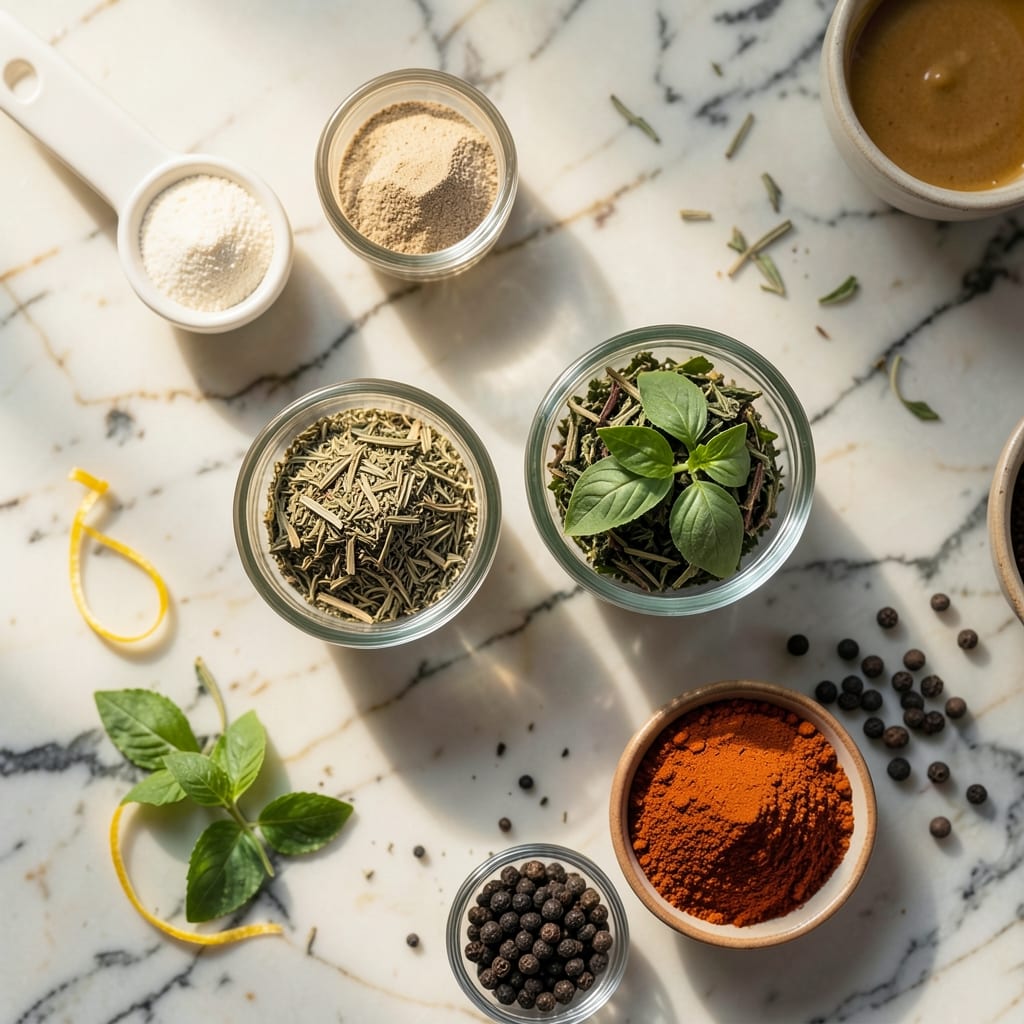
Getting my first whiff of hickory smoke at a family cookout inspired this slow-smoked method. This approach transforms pork butt into a tender masterpiece with a bark that cracks like glass.
I blend my French training with pitmaster traditions, using a simple rub and low heat for 12 hours. The result is fall-apart meat with deep, smoky layers that define great barbecue.
Ingredients for Pork Butt Grill
Transform pork butt into a smoky masterpiece with this simple rub and wood chips.
| Ingredient | Amount | Notes |
|---|---|---|
| Pork Butt 🥩 | 4 lb | Bone-in, skin removed |
| Hickory Wood Chips 🪵 | 2 cups | Soaked in water for 30 minutes |
| Brown Sugar 🍚 | ½ cup | Light or dark, packed |
| Kosher Salt 🧂 | 2 tbsp | Diamond Crystal preferred |
| Black Pepper 🌶️ | 2 tbsp | Freshly ground, coarse |
| Paprika 🌶️ | 1 tbsp | Smoked or sweet variety |
| Garlic Powder 🧄 | 1 tbsp | Not garlic salt |
| Onion Powder 🧅 | 1 tbsp | Fresh ground preferred |
| Cayenne Pepper 🔥 | ½ tsp | Adjust for heat preference |
| Apple Cider Vinegar 🍏 | ½ cup | For spritzing during cooking |
| Mustard 🟡 | 2 tbsp | Yellow or Dijon variety |
| Olive Oil 🫒 | 2 tbsp | For binding rub |
[recipe_ingredient_scaler]
The pork butt is the star here—bone-in, skin removed gives the best texture and bark. Look for a well-marbled piece (about 4 pounds) at your butcher or Costco for the best value. Hickory wood chips are classic, but apple or cherry wood add a sweeter note. Soak them for 30 minutes before using to prevent burning. The rub ingredients are pantry staples, but freshness matters—check your spice dates.
No hickory? Mesquite or oak work well too (just avoid softwoods like pine). Out of apple cider vinegar? White vinegar in a pinch, though the flavor won’t be as rich. For the sugar, turbinado or raw cane add texture to the bark. If you’re short on time, pre-made BBQ rub can substitute, but homemade tastes better. The mustard is just a binder—won’t taste like mustard in the end.
Store pork butt in the fridge for up to 3 days before cooking, or freeze for 6 months. Soaked wood chips keep in a sealed bag for 1 week. The rub can be mixed ahead—just keep it in an airtight container. Leftovers? Shred and freeze for sandwiches later.
Why You’ll Love This Recipe
- Set It and Forget: I toss the pork butt on the grill with hickory chips, close the lid, and let the smoky magic happen while I relax.
- Sweet & Smoky: That brown sugar rub caramelizes into a sticky crust while the hickory adds deep, campfire flavor to every bite.
- Feeds a Party: One pork butt easily serves 8-10, and honestly, it’s my go-to for summer cookouts when I need reliable crowd-pleaser.
- Next-Day Perfection: Leftovers make the best pulled pork sandwiches—tender, juicy, and even more flavorful the next day.
Step-by-Step Instructions for Pork Butt Grill
This method delivers tender, smoky meat with a perfect bark every single time.
Step 1: Prepare the Pork Butt and Rub
Pat the 4 lb Pork Butt dry with paper towels to ensure the rub adheres properly. In a bowl, combine 0.5 cup Brown Sugar, 2 tbsp Kosher Salt, 2 tbsp Black Pepper, 1 tbsp Paprika, 1 tbsp Garlic Powder, 1 tbsp Onion Powder, and 0.5 tsp Cayenne Pepper. Stir until evenly blended.
Rub the pork butt generously with 2 tbsp Mustard, then coat it completely with the spice mixture, pressing firmly so it sticks. Drizzle 2 tbsp Olive Oil over the surface and massage it in. This creates a sticky base for the rub and helps form a beautiful bark.
Step 2: Set Up the Grill for Indirect Heat
Soak the 2 cups Hickory Wood Chips in water for 30 minutes, then drain. Set up your grill for indirect heat by placing a drip pan in the center and pushing the lit coals to one side, or turning off the center burners on a gas grill. Maintain a temperature of 225-250°F.
Add the soaked wood chips directly to the coals or in a smoker box for a gas grill. You want thin, blue smoke—not thick white smoke, which can make the meat bitter. Once the grill stabilizes at the right temperature with clean smoke, you’re ready to start cooking.
Step 3: Smoke the Pork Butt Low and Slow
Place the pork butt on the grill grate, fat-side up, over the drip pan (not directly over the heat). Close the lid and smoke undisturbed for 6-8 hours, or until the internal temperature reaches 165-170°F.
Every 2 hours, spritz the meat lightly with 0.5 cup Apple Cider Vinegar to keep it moist and enhance the bark formation. Resist the urge to flip or move the pork butt—this can disrupt the cooking process and the bark development.
Step 4: Wrap and Finish the Cook
When the pork butt hits 165-170°F, it will likely stall as moisture evaporates. Wrap it tightly in pink butcher paper or heavy-duty foil, then return it to the grill. This helps push through the stall while retaining moisture.
Continue cooking until the internal temperature reaches 200-205°F and a probe slides in like butter, which may take another 2-4 hours. This is when the connective tissue breaks down, making the meat incredibly tender.
Step 5: Rest and Shred the Pork Butt
Remove the pork butt from the grill and let it rest, wrapped, for at least 1 hour. This allows the juices to redistribute, ensuring the final product is moist and flavorful throughout.
Unwrap and shred the meat using two forks or meat claws, discarding any large fat chunks. The result should be tender, juicy, and infused with smoky flavor. Serve immediately or hold in a warm oven until ready to eat.
Pro Tips For Making Pork Butt Grill
- Rub Overnight: I learned this the hard way—coat the pork butt with brown sugar, salt, and pepper the night before. The flavors penetrate deeper and the crust forms better.
- Soak the Chips: Hickory wood chips burn too fast if dry. Soak them in water for at least 30 minutes to guarantee slow, steady smoke.
- Skip the Rush: Resist the urge to crank the heat. Low and slow (225-250°F) is the only way to get fall-apart tender pork without drying it out.
- Rest Before Slicing: After pulling it off the grill, tent the pork butt with foil and let it rest for 20-30 minutes. It keeps all those juices locked in where they belong.
Make-Ahead Tips for Leftovers
Rub Preparation
Mix your dry rub up to 2 days ahead and store in an airtight container. This gives the spices time to meld, enhancing their depth. I often prep mine during my Sunday coastal rides, so it’s ready for midweek cookouts. 🌊
Pork Butt Prep
Trim and apply the rub to your pork butt the night before cooking. Let it sit uncovered in the fridge for 12-24 hours. This dry brine approach helps the salt penetrate deeper, ensuring a well-seasoned finished product throughout.
Wood Chip Storage
Soak extra wood chips and store them in the fridge in a sealed container for up to 1 week. This saves time on cooking day. I prefer hickory, but apple wood works beautifully with pork for a sweeter smoke profile.
Grill Setup
Clean and prep your grill the day before to save time. Check your charcoal or propane levels too. nothing worse than running out mid-cook. I keep a backup bag of Kingsford charcoal just in case.
Resting Period
After cooking, let the pork butt rest wrapped in a cooler for up to 4 hours. This keeps it hot for serving later. I’ve held mine this way for local BBQ competitions with perfect results every time. 💪
Leftovers
Shred and portion leftovers into 1-pint containers for easy reheating. They’ll keep in the fridge for 4 days or freeze for up to 3 months. Reheat gently with a splash of apple cider vinegar to refresh the flavors.
Nutrition Facts

Trained in classic French technique but raised on slow-cooked ribs and spicy rubs, she blends culinary skill with smoke and soul.
- Recipe for Boneless Pork Chops in Cast Iron Skillet: Sear and Baste to Juicy Perfection - October 3, 2026
- Recipe for Boneless Cross Rib Roast: Slow-Roasted Beef with Herb Crust - October 3, 2026
- Hamburgers in Sauce Recipe Crock Pot: Slow-Cooked Savory Delight - October 3, 2026