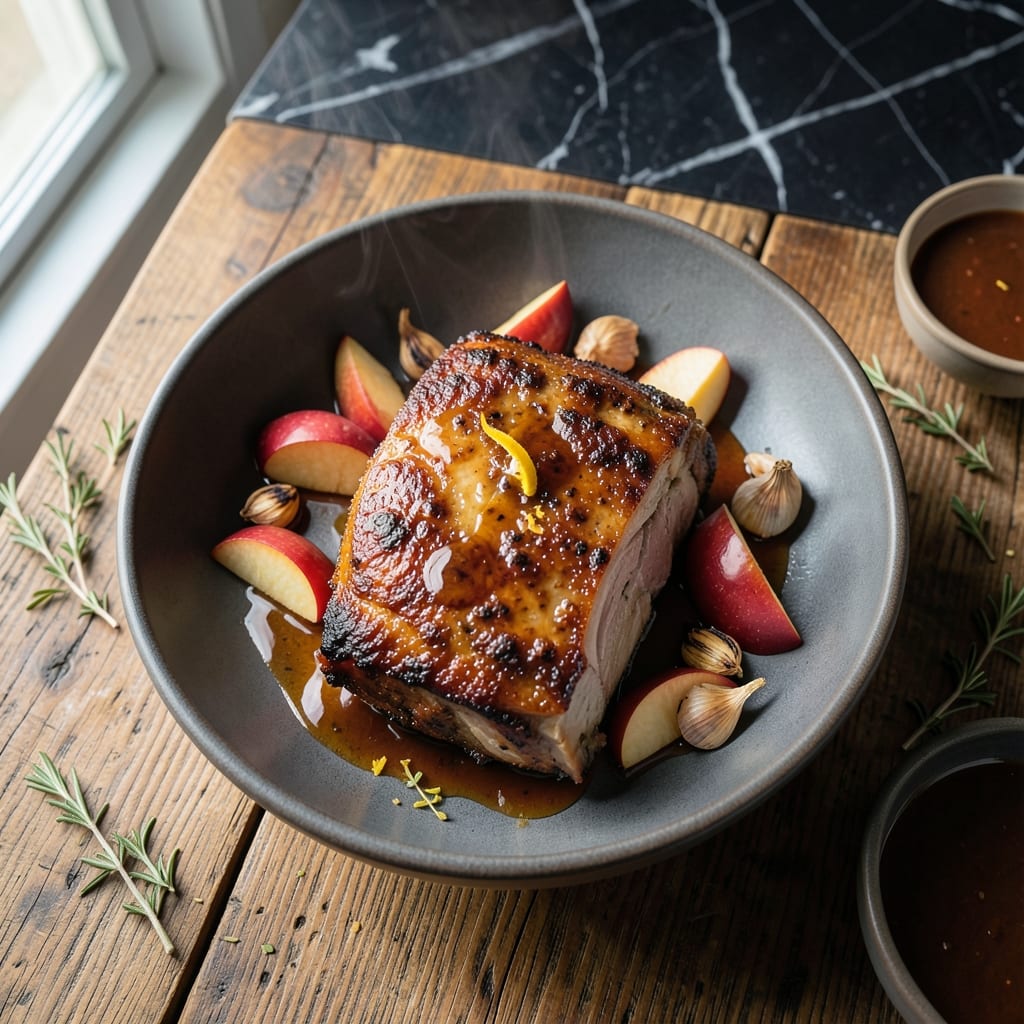
Transforming pork butt into fall-apart tender perfection requires patience and the right technique. This method delivers slow-roasted results with deep, smoky flavor that shines in every bite.
The secret lies in low heat and time, allowing the connective tissue to break down gradually. I’ve refined this approach to ensure the meat stays juicy while developing a rich, caramelized exterior. No fancy equipment needed—just your oven and a few hours.
What you’ll achieve is meat so tender it pulls apart effortlessly, with a crust that’s packed with savory depth. The aroma alone will have everyone gathered around the kitchen, eager for the first taste.
Serve it on buns, over rice, or as the star of a hearty plate. This dish is a game-changer for any meal.
Ingredients for Pork Butt Recipe Ideas
Slow-roasted perfection starts with these carefully selected ingredients for deep, smoky flavor and tender texture.
| Ingredient | Amount | Notes |
|---|---|---|
| Pork Butt 🥩 | 4 lb | Bone-in, well-marbled preferred |
| Kosher Salt 🧂 | 2 tbsp | Diamond Crystal brand recommended |
| Black Pepper 🌶️ | 1 tbsp | Freshly ground, coarse |
| Brown Sugar 🧈 | ½ cup | Light or dark variety |
| Smoked Paprika 🌶️ | 2 tsp | Spanish variety preferred |
| Garlic Powder 🧄 | 1 tbsp | Not garlic salt |
| Onion Powder 🧅 | 1 tbsp | Freshly ground if possible |
| Ground Cumin 🌿 | 1 tsp | Toasted for depth |
| Apple Cider Vinegar 🍏 | ¼ cup | For tangy balance |
| Olive Oil 🫒 | 2 tbsp | Extra-virgin for richness |
| Yellow Mustard 🟡 | 2 tbsp | For crust development |
| Chicken Stock 🍲 | 1 cup | Low-sodium preferred |
| Liquid Smoke 🔥 | 1 tsp | Optional for enhanced smokiness |
[recipe_ingredient_scaler]
The pork butt is non-negotiable for this dish. Bone-in, well-marbled cuts from Whole Foods or a trusted butcher deliver the best texture. Look for pieces with a thick fat cap—this renders down during cooking, basting the meat from within. Avoid pre-cut roasts; a whole 8-10 lb pork butt allows you to trim and portion as needed. The salt should be Diamond Crystal kosher for consistent seasoning (it dissolves evenly and clings to the meat).
No smoked paprika? Regular paprika plus a dash of chipotle powder works in a pinch. Out of brown sugar? White sugar with a teaspoon of molasses mimics the depth. The apple cider vinegar can be swapped for white vinegar or lemon juice, though the flavor profile will shift slightly. For the stock, vegetable broth works if avoiding meat, but chicken stock adds richness that complements the pork beautifully.
The dry rub keeps in an airtight container for up to 3 months, but the pork itself should be cooked within 2-3 days of purchase for peak freshness. Leftovers freeze beautifully for 4-6 months—portion into meal-sized containers before freezing for easy reheating.
Why You’ll Love This Recipe
- I’ll be real: the leftovers taste even better, and they stretch into soups, stews, or fried rice for the whole week.
- Set and Forget: I rub the pork butt with salt, pepper, brown sugar, and smoked paprika, pop it in the oven, and let it do its thing for hours.
- Feeds the Crew: One pork butt makes enough for tacos, sandwiches, and a batch of nachos—my family’s weekend sorted.
- Leftovers for Days: I’ll be real: the leftovers taste even better, and they stretch into soups, stews, or fried rice for the whole week.
Step-by-Step Instructions for Slow-Roasted Pork Butt
Master this technique for fall-apart meat with rich, complex flavor development throughout.
Step 1: Create the Dry Rub and Coat the Pork
In a bowl, combine the 2 tbsp Kosher Salt, 1 tbsp Black Pepper, 0.5 cup Brown Sugar, 2 tsp Smoked Paprika, 1 tbsp Garlic Powder, 1 tbsp Onion Powder, and 1 tsp Ground Cumin. Whisk until the mixture is uniform and free of clumps.
Pat the 4 lb Pork Butt completely dry with paper towels to ensure the rub adheres properly. Apply the dry rub generously to all surfaces, pressing firmly so it forms a crust. The sugar in the rub will caramelize during cooking, creating a deep mahogany bark that seals in moisture.
Step 2: Prepare the Wet Binder and Begin the Cook
In a separate bowl, whisk together the 0.25 cup Apple Cider Vinegar, 2 tbsp Olive Oil, 2 tbsp Yellow Mustard, and 1 tsp Liquid Smoke. The acidity from the vinegar tenderizes the meat while the mustard acts as a binder for the rub.
Brush this mixture evenly over the seasoned pork butt, ensuring it coats all sides. Place the pork in a roasting pan or Dutch oven, fat cap facing up. This position allows the rendered fat to baste the meat continuously as it cooks.
Step 3: Slow-Roast to Perfection
Preheat your oven to 300°F. Once heated, place the pork in the oven and roast uncovered for 4 hours. Resist the urge to check or baste during this time—consistent heat is key to breaking down the collagen.
After 4 hours, add the 1 cup Chicken Stock to the pan, cover tightly with a lid or foil, and return to the oven. Continue cooking for another 2-3 hours until the internal temperature reaches 195-203°F and the meat shreds easily with a fork.
Step 4: Rest and Shred for Maximum Tenderness
Remove the pork from the oven and let it rest, still covered, for 30-45 minutes. This allows the juices to redistribute throughout the meat, ensuring every bite is moist and flavorful.
Discard any large fat chunks from the cooking liquid, then shred the pork directly in the pan using two forks. Toss the shredded meat in the accumulated juices to coat evenly. The result should be tender, juicy strands with a rich, smoky-sweet crust throughout.
Pro Tips For Making Pork Butt Recipe Ideas
- Rest Before Pulling: Let the pork butt rest for at least 30 minutes after cooking—this keeps all those juices from running out when you shred it. I learned this the hard way after serving dry pulled pork once too often.
- Score the Fat Cap: Cut a crosshatch pattern into the fat cap before seasoning so the rub penetrates deeper and the bark forms evenly. It’s a small step that actually changes the outcome.
- Don’t Rush the Low: Keep the temperature at 225°F for slow cooking; cranking it up just toughens the meat. After burning a few batches, I finally accepted that patience pays off.
- Double the Rub: Use more brown sugar and smoked paprika than you think—pork butt can handle bold flavors. Sounds excessive, but it works every time.
Regional Styles of This Dish
Texas Style
In the Lone Star State, pork butt gets a bold treatment with a dry rub featuring chili powder and cayenne. The meat is smoked low and slow (225°F) for 12-14 hours until it reaches 203°F internal temperature. I love the deep bark this method creates. 🌶️
Carolina Vinegar
Eastern North Carolina favors a tangy approach with a vinegar-based mop sauce. The pork is pulled and mixed with a sauce of apple cider vinegar, red pepper flakes, and brown sugar. This style is all about the bright, acidic kick that cuts through the richness.
Memphis Dry Rub
Memphis is famous for its dry-rubbed ribs, but the same technique works beautifully for pork butt. A blend of paprika, garlic powder, and brown sugar creates a crust that’s both sweet and savory. The meat is typically served sliced rather than pulled.
Kansas City Sweet
This Midwestern style leans into sweetness with a rub heavy on brown sugar and molasses. The pork is slow-cooked and then slathered with a thick, sweet tomato-based sauce before serving. It’s the style that made Arthur Bryant’s famous. 💛
Alabama White Sauce
Unique to Alabama, this style features a white sauce made with mayonnaise, apple cider vinegar, and horse radish. The pork is pulled and tossed in this creamy, tangy sauce for a flavor unlike any other. It’s surprisingly addictive!
Cuban Mojo
For a Latin twist, marinate the pork in a mojo sauce of orange juice, lime juice, and garlic before slow-roasting. The citrus brightens the rich pork beautifully. Serve with black beans and rice for a complete Cuban meal.
Nutrition Facts
Frequently Asked Questions
What’s the ideal cooking temperature?
Slow-roast at 300°F for 4 hours uncovered, then add liquid and cook covered until reaching 195-203°F internally. This ensures tender, pull-apart results.
Can I use a different cut of pork?
Pork shoulder works as a substitute, but butt has more marbling for better flavor and texture. Avoid lean cuts like tenderloin—they won’t achieve the same tenderness.
How do I store leftovers?
Keep in an airtight container in the fridge for up to 4 days or freeze for 4-6 months. Reheat gently with a splash of liquid to maintain moisture.

Trained in classic French technique but raised on slow-cooked ribs and spicy rubs, she blends culinary skill with smoke and soul.
- Recipe For Oven Baked Haddock: Buttery Crumbs With Zesty Lemon Topping - October 3, 2026
- Recipe For Fried Salmon Patties With Flour: Crispy Golden Crust With Flaky Centers - October 3, 2026
- Meat and Potato Recipe Ideas: Savory Pairings for Hearty Meals - October 3, 2026