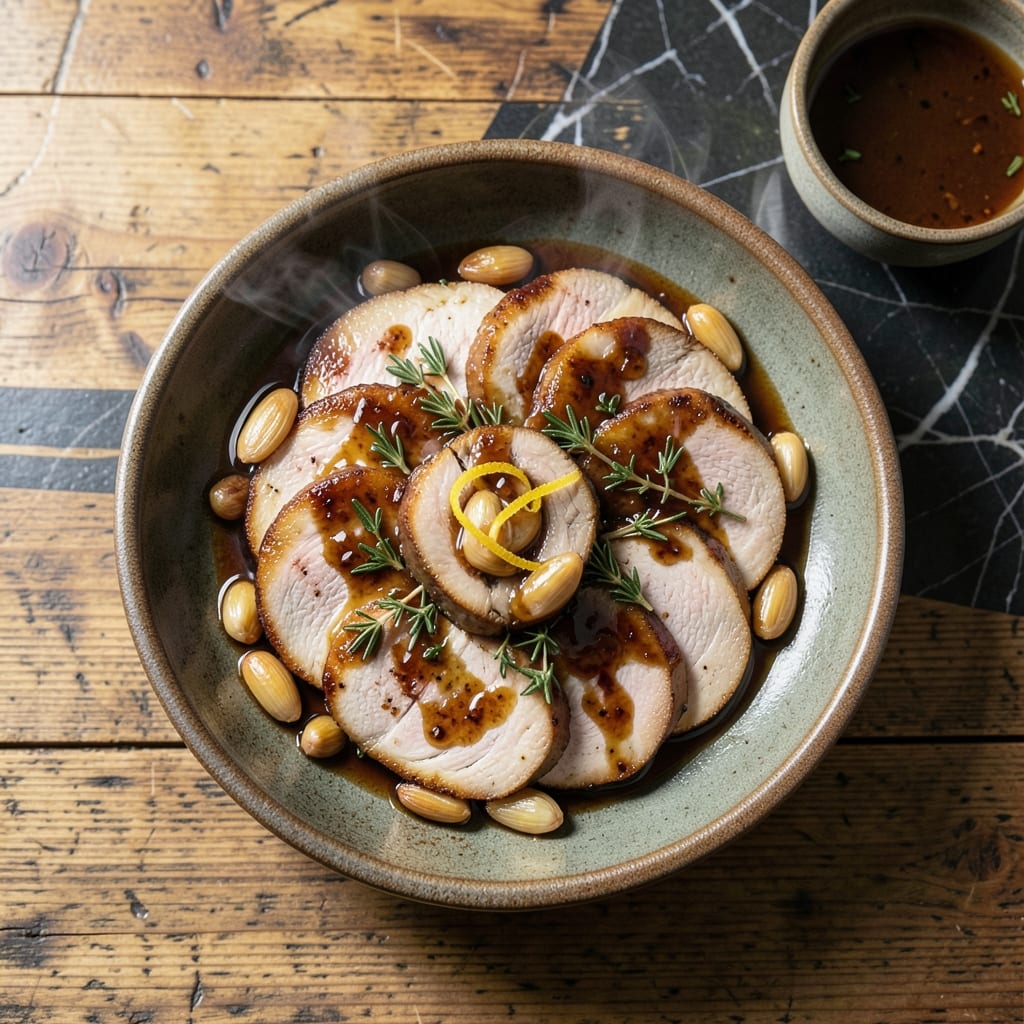
I’ve rediscovered pork heart as a deeply flavorful, budget-friendly protein that deserves a place at your table. This often-overlooked cut delivers rich, beefy flavor with a tender texture when prepared properly.
The key to success lies in thorough cleaning and proper marinating. I recommend soaking the heart in milk or buttermilk for 2-4 hours to mellow any gamey notes before cooking. A simple dry rub or wet marinade enhances the natural depth of flavor.
When cooked to medium doneness, pork heart offers a satisfying chew that absorbs marinades beautifully. This recipe transforms an economical cut into a restaurant-worthy dish with minimal effort and maximum payoff.
Perfect for adventurous home cooks looking to reduce waste while exploring bold flavors. The technique works equally well for grilling, pan-searing, or slow cooking.
Ingredients for Pork Heart
Transform humble pork heart into a restaurant-worthy dish with these carefully selected ingredients.
| Ingredient | Amount | Notes |
|---|---|---|
| Pork Heart 🐖 | 1 ½ lb | Trimmed, cleaned, and cut into strips |
| Whole Milk 🥛 | 2 cups | For soaking heart |
| Olive Oil 🫒 | 2 tbsp | Divided for marinade and cooking |
| Garlic Cloves 🧄 | 4 cloves | Minced for marinade |
| Soy Sauce 🫕 | ¼ cup | Low-sodium preferred |
| Apple Cider Vinegar 🍏 | 2 tbsp | For acidity in marinade |
| Brown Sugar 🍚 | 1 tbsp | Light or dark variety |
| Smoked Paprika 🌶️ | 1 tsp | For depth in dry rub |
| Ground Cumin 🌿 | 1 tsp | Toasted for warmth |
| Black Pepper 🌶️ | 1 tsp | Freshly ground |
| Kosher Salt 🧂 | 1 tsp | Diamond Crystal preferred |
| Dried Thyme 🍃 | ½ tsp | Crushed for even distribution |
| Dried Rosemary 🌿 | ½ tsp | Crushed for even distribution |
| Butter 🧈 | 2 tbsp | Unsalted, for finishing |
[recipe_ingredient_scaler]
The pork heart is the foundation, so source it from a trusted butcher or specialty meat shop. Look for hearts that are deep red with no off odors—freshness is non-negotiable. Most quality butchers will clean the heart for you, but if not, thorough trimming at home is essential. For the milk soak, whole milk delivers superior results over skim due to its fat content, which helps tenderize the protein.
No whole milk? Buttermilk works even better for tenderizing and adding tang. Soy sauce can be swapped for tamari for gluten-free. Out of apple cider vinegar? Red wine vinegar at half the amount provides similar acidity. For the dry rub, freshly ground spices release more aroma than pre-ground. If smoked paprika isn’t on hand, regular paprika plus a pinch of liquid smoke mimics the depth.
Marinate the heart in the fridge for 2-4 hours—this is non-negotiable for optimal texture. Cooked pork heart keeps 3-4 days refrigerated or freezes for 2 months. Always bring refrigerated meat to room temperature before cooking for even doneness.
Why You’ll Love This Recipe
- One Pan Wonder: I just toss the pork heart in olive oil, garlic, and soy sauce—minimal prep, maximum flavor.
- Rich and Creamy: The whole milk tenderizes the heart while adding this velvety texture that’s honestly hard to beat.
- Budget Stretch: Pork heart is cheap, and this recipe turns it into something crave-worthy without breaking the bank.
- Meal Prep Hero: I make a big batch on Sunday—leftovers taste even better the next day, and it reheats like a dream.
Step-by-Step Instructions for Pork Heart
Transform this often-overlooked cut with a process that ensures tenderness and maximum flavor extraction.
Step 1: Soak the Heart in Milk
Place the 1.5 lb pork heart in a bowl and cover completely with the 2 cups whole milk. Refrigerate for 2-4 hours or overnight. This step is crucial as the milk neutralizes any gamey or metallic flavors while tenderizing the muscle fibers.
You’ll notice the milk turns slightly pink as it draws out impurities. Drain and rinse the heart under cold water after soaking, then pat it thoroughly dry with paper towels. Any residual moisture will prevent proper browning during cooking.
Step 2: Create the Flavorful Marinade
In a mixing bowl, whisk together 0.25 cup soy sauce, 2 tbsp apple cider vinegar, 1 tbsp brown sugar, 2 tbsp olive oil, and the 4 cloves minced garlic cloves. The sugar will caramelize during cooking, while the vinegar helps break down the protein structure.
Add the pork heart strips to the marinade, ensuring each piece is fully coated. Cover and refrigerate for at least 1 hour, or up to 4 hours for deeper flavor penetration. The longer it marinates, the more pronounced the savory-sweet balance will be in the final dish.
Step 3: Apply the Dry Rub and Sear
Remove the heart from the marinade (reserve the marinade) and pat dry. In a small bowl, combine 1 tsp smoked paprika, 1 tsp ground cumin, 1 tsp black pepper, 1 tsp kosher salt, 0.5 tsp dried thyme, and 0.5 tsp dried rosemary. Rub this mixture evenly over all surfaces of the heart strips.
Heat the remaining 1 tbsp olive oil in a large skillet over medium-high heat. When the oil shimmers, add the heart strips in a single layer. Sear for 3-4 minutes per side until deeply browned and a crust forms. The spices should create a fragrant aroma as they toast.
Step 4: Finish with Marinade and Butter
Pour the reserved marinade into the skillet with the seared heart. Reduce heat to medium-low and simmer for 8-10 minutes, turning the strips occasionally. The marinade will reduce to a glossy, flavorful sauce that clings to the meat.
In the final minute, add the 2 tbsp butter and swirl until melted and fully incorporated. This enriches the sauce with a silky texture. The heart is done when it reaches an internal temperature of 145°F and the texture transitions from tough to tender with a slight bounce.
Step 5: Rest and Serve
Transfer the heart to a cutting board and let it rest for 5 minutes before slicing. This allows the juices to redistribute, ensuring each bite is moist and flavorful. Slice against the grain into ½-inch thick pieces.
Serve immediately with the pan sauce spooned over the top. The exterior should have a caramelized crust, while the interior remains juicy with a subtle sweetness from the brown sugar and a smoky depth from the paprika.
Pro Tips For Making Pork Heart
- Soak in Milk: Let the pork heart soak in whole milk for at least 30 minutes before cooking—this softens the texture and removes any metallic flavor.
- Slice Evenly: Cut the heart into uniform ½-inch pieces so they cook at the same rate; uneven slices mean some bits stay chewy while others overcook.
- Skip the High Heat: Pork heart toughens fast over high heat—medium-low with olive oil keeps it tender, especially when combined with soy sauce.
- Crush the Garlic: Lightly crush the garlic cloves instead of mincing to infuse the oil without burning, which adds depth without bitterness.
Perfect Pairings for These Flavors
Side Dish Pairings
I love serving this with roasted root vegetables—toss 2 cups diced carrots and parsnips with 1 tbsp olive oil and roast at 400°F for 25 minutes. Their caramelized sweetness balances the heart’s savory depth perfectly. 💪
Starch Complements
Creamy polenta or buttery mashed potatoes work beautifully to soak up the rich pan sauce. For polenta, I use 1 cup stone-ground cornmeal cooked in 4 cups chicken stock for extra flavor.
Fresh Accompaniments
A simple green salad with arugula and lemon vinaigrette cuts through the richness. Toss 4 cups greens with 2 tbsp olive oil, 1 tbsp lemon juice, and a pinch of salt just before serving.
Beverage Pairings
A full-bodied red wine like Malbec or Syrah stands up to the bold flavors. For beer lovers, I recommend a dark porter with its roasted malt notes complementing the smoky paprika. 🍷
Garnish Ideas
Fresh herbs make a difference—I sprinkle chopped parsley or cilantro over the top right before serving. A squeeze of fresh lime juice adds a bright finish that enhances all the flavors.
Nutrition Facts
Frequently Asked Questions
Why soak the heart in milk first?
Soaking in whole milk for 2-4 hours tenderizes the meat and removes any metallic or gamey flavors. The milk’s enzymes break down tough fibers while its fat content enhances the texture.
Can I grill this instead of pan-searing?
Grill over medium-high heat for 4-5 minutes per side. The direct flame will add a smoky char that complements the paprika rub beautifully. Just oil the grates well first.
How do I know when it’s done cooking?
Use a meat thermometer to check for 145°F internal temperature. The texture should be tender with a slight bounce, not tough or rubbery. Overcooking will make it dry.
What if my heart tastes bitter?
This usually means it wasn’t cleaned or soaked properly. Always trim all fat and connective tissue, then soak in milk. If it still tastes off, try a longer marinade next time.

Trained in classic French technique but raised on slow-cooked ribs and spicy rubs, she blends culinary skill with smoke and soul.
- Recipe for Boneless Pork Chops in Cast Iron Skillet: Sear and Baste to Juicy Perfection - October 3, 2026
- Recipe for Boneless Cross Rib Roast: Slow-Roasted Beef with Herb Crust - October 3, 2026
- Hamburgers in Sauce Recipe Crock Pot: Slow-Cooked Savory Delight - October 3, 2026