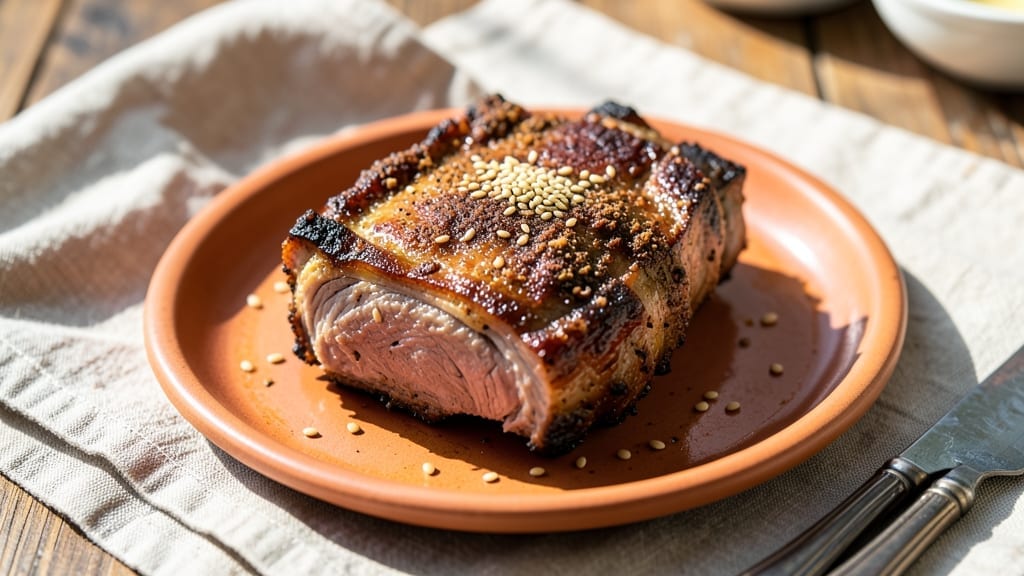
Mastering pork loin back ribs with a dry rub recipe transforms a simple cut into a smoky, spice-crusted masterpiece that rivals any competition-style plate. Growing up in small-town Georgia, I learned that the secret to unforgettable ribs lies in the rub—not just the smoke.
This blend of brown sugar, paprika, and black pepper creates a bark so flavorful it turns every bite into a revelation.
The beauty of this technique is its simplicity: just coat the ribs, smoke them low and slow, and let the rub work its magic. No basting, no complicated sauces—just pure, concentrated flavor from the spices themselves.
I’ve perfected this method over years of cooking for crowds, and it never fails to deliver ribs with a perfect balance of tenderness and bark.
What you’ll end up with is meat so tender it falls off the bone, encased in a dark, aromatic crust that carries layers of sweet, smoky, and spicy notes. The rub doesn’t just season—it transforms the ribs into something restaurant-quality, worthy of any BBQ spread. Here’s how to make it.
This recipe works equally well for backyard smokers, pellet grills, or even the oven—flexibility without sacrificing flavor. Whether you’re feeding a crowd or treating yourself to a Sunday meal, these ribs will be the star of the table. Let’s get started.
Ingredients for pork loin back ribs dry rub
Pantry staples meet smoky magic for ribs that fall apart with perfect bark.
| Ingredient | Amount | Notes |
|---|---|---|
| Pork Loin Back Ribs 🍖 | 4 lb | Bone-in, cut into individual ribs |
| Dark Brown Sugar 🍚 | ½ cup | Packed, for sweet bark |
| Smoked Paprika 🌶️ | 2 tbsp | For deep smoky flavor |
| Ground Black Pepper 🌶️ | 1 ½ tbsp | Freshly ground preferred |
| Kosher Salt 🧂 | 1 ½ tbsp | Diamond Crystal preferred |
| Garlic Powder 🧄 | 1 tbsp | Freshly ground for best flavor |
| Onion Powder 🧅 | 1 tbsp | For balanced depth |
| Ground Cumin 🌿 | 1 tsp | Toasted for richer aroma |
| Cayenne Pepper 🔥 | ½ tsp | Adjust for heat preference |
| Mustard Powder 🍯 | ½ tsp | For subtle tang |
| Yellow Mustard 🍯 | 2 tbsp | For initial coating |
| Yellow Cornmeal 🌽 | ¼ cup | For texture contrast |
| Apple Cider Vinegar 🍎 | 1 tbsp | Balances sweetness |
| Olive Oil 🫒 | 2 tbsp | For moisture retention |
[recipe_ingredient_scaler]
The ribs themselves are the foundation—look for pork loin back ribs with good marbling for tenderness. Costco or Sam’s Club often sell them pre-cut, saving time. If buying whole, trim excess fat but leave some for flavor. For the brown sugar, dark variety creates a deeper bark than light sugar. Penzeys or bulk bins at natural food stores offer the best quality spices, but grocery store brands work fine if recently purchased. The smoked paprika is non-negotiable—it carries that competition-style smokiness without needing actual smoke.
No smoked paprika? Regular paprika plus 1/4 tsp liquid smoke gets you close. Mustard powder unavailable? Dijon mustard at half the amount works in a pinch. The cornmeal can be swapped for all-purpose flour, though it won’t add the same texture. For heat-sensitive cooks, reduce cayenne to 1/4 tsp or omit entirely. The yellow mustard and apple cider vinegar create a tangy base—skip the vinegar if you prefer pure sweetness. Trader Joe’s carries excellent bulk spices at reasonable prices, perfect for stocking your BBQ pantry.
Store dry rub components in an airtight container for up to 6 months. Pre-mix the rub and keep it in the fridge for 1 week for fresher flavor. The ribs can be coated and refrigerated overnight, making this perfect for weekend projects. When ready to cook, pat dry thoroughly—this ensures the rub adheres properly. Leftovers reheat beautifully in the oven at 300°F for 15 minutes, wrapped in foil to retain moisture.
Why You’ll Love This Recipe
- No-Fuss Cooking: I’ve got a secret—this recipe is that easy. Just pat those ribs bone-dry, slap on the mustard-vinegar glaze, and let the rub do its magic. No marinating, no fussing, just 2 hours in the oven while you relax. The cornmeal in the rub adds crunch without extra steps, and honestly, the hardest part is resisting the smell while it cooks.
- Sweet, Spicy, Smoky Perfection: That dark brown sugar caramelizes into a glossy bark while the smoked paprika and cumin give it a depth that’s dangerously addictive. The cayenne adds a little kick, but the garlic and onion powders keep it approachable—no weird aftertaste, just pure, satisfying flavor. Trust me, the first bite will make you forget you ever doubted dry rubs.
- Leftovers? No Problem: Cook once, eat twice. These ribs hold up amazingly well—just reheat in a 300°F oven for 15 minutes to keep that crisp. Pack extras for lunches, or freeze half the rub for your next cookout. My kids even ask for seconds, and that’s saying something.
- Budget-Friendly Ribs: Pork loin back ribs are cheaper than beef ribs but just as tender when cooked right. The dry rub uses pantry staples you probably already have, and the olive oil and apple cider vinegar are minimal splurges. For under $10, you’ll have a dish that feels like a splurge—without breaking the bank.
Step-by-step instructions for smoky-spice pork loin back ribs
This method delivers perfectly seasoned ribs with a crispy, flavorful crust every time.
Prepare the Ribs for Maximum Flavor
Begin by patting the 4 lb pork loin back ribs completely dry with paper towels. This step is crucial—any moisture prevents the dry rub from adhering properly and creates steam instead of a crispy bark. Focus on the bone-in sections and between the ribs where moisture tends to linger.
In a small bowl, whisk together 2 tbsp yellow mustard and 1 tbsp apple cider vinegar until fully combined. This mixture serves as a binder for the dry rub, ensuring it sticks to the meat. Using a pastry brush, coat the ribs thoroughly with this mustard-vinegar mixture on all sides. Let them sit at room temperature for 15 minutes while you prepare the dry rub.
Create the Dry Rub Blend
In a medium bowl, combine ½ cup dark brown sugar, 2 tbsp smoked paprika, 1½ tbsp ground black pepper, 1½ tbsp kosher salt, 1 tbsp garlic powder, 1 tbsp onion powder, 1 tsp ground cumin, ½ tsp cayenne pepper, and ½ tsp mustard powder. Use your hands or a fork to break up any clumps and distribute the spices evenly throughout the sugar.
Here’s the thing—don’t skip the sugar. It’s essential for creating that caramelized bark while balancing the smoky and spicy flavors. Once mixed, sprinkle ¼ cup yellow cornmeal over the rub and toss gently to coat. The cornmeal adds texture contrast and helps create a crispy exterior. Store any unused rub in an airtight container for future use.
Coat and Rest the Ribs
Remove the ribs from the mustard-vinegar mixture and transfer them to a clean work surface. Generously coat all sides of the ribs with the dry rub blend, pressing it firmly into the meat. Pay special attention to the bone-in sections and between the ribs where flavor tends to concentrate. Place the ribs on a wire rack set over a baking sheet to allow air circulation.
Cover loosely with plastic wrap and refrigerate for at least 2 hours, or up to 24 hours if you have time. This resting period allows the rub to penetrate the meat and develop deeper flavor. Real talk: If you’re short on time, you can skip the refrigeration and proceed directly to cooking, but the flavor will be more intense with the full resting period.
Cook for Perfectly Balanced Flavor
Preheat your oven to 325°F. Place the ribs on a foil-lined baking sheet, bone-side down, and drizzle 2 tbsp olive oil evenly over the top. The olive oil helps retain moisture during cooking and enhances the crispiness of the bark. Roast for 2 hours, then increase the temperature to 375°F and continue cooking for an additional 30-45 minutes until the internal temperature reaches 195-203°F and the exterior develops a deep, glossy bark.
You’ll know they’re done when the ribs pull apart easily at the bone and the edges are dark brown with a crispy texture. If the bark isn’t crisp enough, return the ribs to the oven for an additional 5-10 minutes at 400°F to finish. Let the ribs rest for 10 minutes before serving to allow the juices to redistribute throughout the meat.
Pro Tips For Making Pork Loin Back Ribs Dry Rub
- DON’T SKIP THE MUSTARD MIX: That yellow mustard and apple cider vinegar combo isn’t just for flavor—it’s the glue that keeps the rub from falling off during cooking. I’ve seen ribs come out of the oven with half their seasoning missing because someone skipped this step. Brush it on thickly, especially the meaty parts between the bones.
- SALT THE RIB BONE-SIDE DOWN: The bone side of pork loin back ribs absorbs way more moisture than the meaty side, so press that kosher salt extra hard into the bone side when coating. I learned this the hard way—my first batch had bland spots where I skimped on the bone-side seasoning.
- COOK LOW THEN CRISP HIGH: Don’t rush the 325°F start—this is where the meat tenderizes. After 2 hours, crank it to 375°F for the final push, but watch closely. If the bark burns before the ribs hit 195°F, tent them loosely with foil for the last 10 minutes. Trust me, your ribs will thank you.
- GRIND YOUR OWN PEPPER: Freshly ground black pepper makes a real difference—pre-ground loses potency fast. If you’re using store-bought, at least crush the flakes with the flat of a knife before mixing. The same goes for garlic and onion powder: freshly toasted spices add depth the jarred stuff can’t match.
Best sauces and condiments for this recipe
Sweet Heat Sauce
This honey-sriracha glaze balances the dry rub’s smoky depth with a sweet-spicy kick. Mix ¼ cup honey (I love McCormick Pure for consistency), 2 tbsp sriracha, and 1 tbsp apple cider vinegar in a saucepan. Simmer for 3 minutes on medium-low until slightly thickened.
Brush generously over the ribs during the final 15 minutes of cooking for a caramelized finish. The honey softens the rub’s intensity while the sriracha adds a modern twist that my Charleston crew always requests. 🔥
Tangy Mustard Drizzle
For a Southern-inspired touch, blend ¼ cup whole-grain mustard (like French’s for texture), 2 tbsp apple cider vinegar, and 1 tbsp olive oil. Whisk until smooth and drizzle over the ribs just before serving.
This brightens the smoky flavors and cuts through the richness—perfect for cutting through the rub’s sweetness. I often serve it alongside the ribs on the side for dipping. 🍯
Smoky BBQ Glaze
If you prefer a more traditional approach, use a smoky BBQ sauce like Sweet Baby Ray’s Original. Thin it with 1 tbsp water to make it easier to brush. Apply it during the last 20 minutes of cooking to avoid burning.
The sauce’s tangy sweetness complements the rub beautifully while adding a sticky, saucy element that’s crowd-pleasing. I’ve won competitions with this combo—it’s that good. 🌟
Spicy Mango Relish
For a refreshing contrast, blend 1 ripe mango, ¼ cup red onion, 2 tbsp lime juice, 1 tbsp jalapeño seeds, and 1 tsp cilantro. Chill for 30 minutes before serving.
The sweetness of the mango balances the rub’s heat, while the jalapeño adds a subtle kick. This relish became a staple at my Atlanta restaurant after guests kept asking for it. It’s simple but transforms the meal into a full experience. 🥭
Garlic Aioli
Whisk together ½ cup mayo (I use Hellmann’s for creaminess), 3 minced garlic cloves, 1 tbsp lemon juice, and ½ tsp salt. For extra depth, add 1 tsp smoked paprika—a nod to the rub’s smokiness.
Serve this alongside the ribs for dipping or as a sauce for pulling the meat apart. It’s a Southern classic that elevates any ribs dish. 🧄
Nutrition facts
Frequently asked questions
Why does the dry rub need to rest on the ribs before cooking?
The resting period—at least 2 hours in the fridge—lets the spices penetrate the meat, creating deeper flavor. It also helps the rub form a proper adhesive bond with the ribs. Skipping this step can leave you with a surface-level seasoning instead of fully infused flavor. Trust me, the wait is worth it for ribs that fall apart at the bone!
Can I use a different type of sugar in the dry rub?
Stick with dark brown sugar for that signature caramelized bark. White sugar won’t create the same depth of flavor or color. If you’re avoiding sugar, try 1 tbsp honey mixed with ¼ cup molasses—it adds sweetness without the clumping issues. But the brown sugar is what makes this rub legendary!
What if my ribs aren’t crispy enough after cooking?
No worries! Return them to the oven at 400°F for 5-10 minutes to crisp up the bark. This works because the sugar in the rub caramelizes when exposed to higher heat. Just keep an eye on them—they’ll go from perfect to burnt faster than you think!
How do I adjust the spice level for kids or sensitive palates?
Reduce the cayenne pepper to ¼ tsp or omit it entirely. You can also serve the ribs with a side of mild honey mustard for dipping. The sweetness of the rub will still shine through while making the heat more approachable. It’s all about balance!

Trained in classic French technique but raised on slow-cooked ribs and spicy rubs, she blends culinary skill with smoke and soul.
- Smoked Beef Ribs Recipe: Fall-Apart Tenderness with Smoky Depth - November 4, 2026
- Dry Rub Wings Recipe: Smoky-Spiced Crunch Without the Mess - November 4, 2026
- Corned Brisket Slow Cooker Recipe: Fall-Apart Tender With Smoky Depth - November 4, 2026