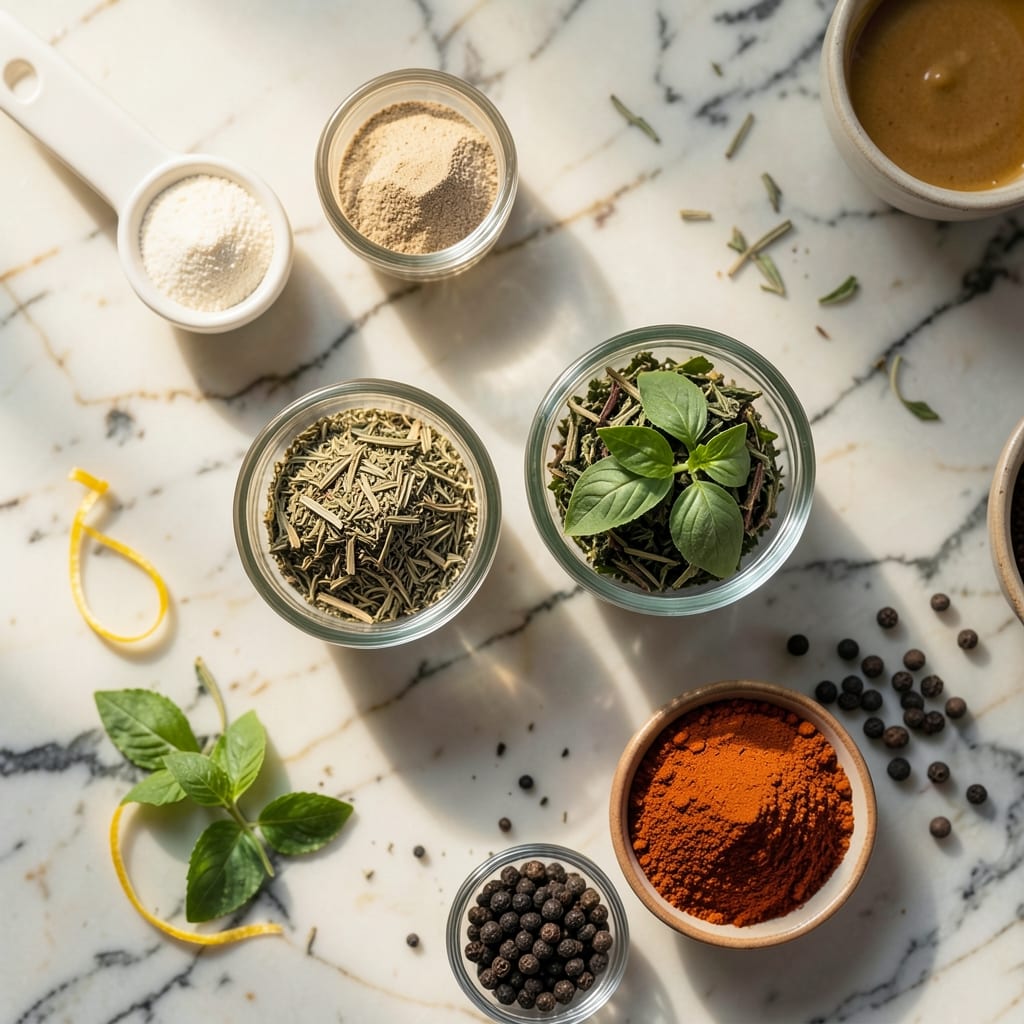
There’s nothing like the aroma of a wood-fired pork roast sizzling on the grill, its fat rendering into a caramelized crust while keeping the inside juicy and tender. This method brings out the best in the meat, blending smoky depth with classic grilling precision.
With the right technique and a few simple ingredients, you’ll achieve a restaurant-quality roast that’s perfect for any gathering. The key is patience—letting the wood fire work its magic while you monitor the heat for even cooking.
Ingredients for Pork Roast Grill
A few quality ingredients transform this into a showstopper for your next gathering.
| Ingredient | Amount | Notes |
|---|---|---|
| Pork Shoulder Roast 🥩 | 3 lb | Bone-in for extra flavor |
| Kosher Salt 🧂 | 1 ½ tbsp | Coarse grain preferred |
| Black Pepper 🌶️ | 1 tbsp | Freshly cracked for best flavor |
| Garlic Cloves 🧄 | 6 cloves | Smashed, not minced |
| Fresh Rosemary 🌿 | 2 tbsp | Chopped, stems removed |
| Fresh Thyme 🍃 | 2 tbsp | Leaves stripped from stems |
| Olive Oil 🫒 | ¼ cup | Extra-virgin for richness |
| Apple Cider Vinegar 🍏 | 2 tbsp | For acidity balance |
| Brown Sugar 🍚 | 2 tbsp | Light or dark variety |
| Dijon Mustard 🟡 | 1 tbsp | Smooth, not whole grain |
| Wood Chips 🪵 | 2 cups | Hickory or applewood preferred |
| Beer or Apple Juice 🍺 | 1 cup | For spritzing during cooking |
[recipe_ingredient_scaler]
The pork shoulder is non-negotiable here. Bone-in roasts from Whole Foods or your local butcher deliver the best marbling and flavor. Look for pieces with a thick fat cap—this renders down to create that caramelized crust the recipe promises. If buying pre-packaged, check the date; fresher meat has a brighter color and firmer texture. Avoid anything that’s been sitting in the case too long.
No fresh rosemary or thyme? Dried herbs at one-third the amount work, but fresh really shines in this application. Out of apple cider vinegar? White wine vinegar or lemon juice can substitute. For the wood chips, hickory gives the strongest smoke flavor, while applewood is milder and sweeter. The beer can be any variety you’d drink—nothing too bitter though.
The roast can marinate overnight for deeper flavor penetration. Cooked pork keeps in the fridge for 3-4 days or freezes beautifully for up to 3 months. Reheat gently in a covered dish with a splash of liquid to maintain moisture.
Why You’ll Love This Recipe
- Set It and Forget: The pork shoulder practically cooks itself on the grill once I rub it with salt, pepper, and garlic.
- Herb Crust Perfection: That rosemary and garlic crust forms the most addictive crust I’ve ever tasted on pork.
- Feeds the Gang: One roast serves my whole family with leftovers for sandwiches the next day.
- Budget Hero: Pork shoulder is cheap, and this recipe makes it taste like a million bucks.
Step-by-Step Instructions for Pork Roast Grill
Here’s the method. Straightforward, tested, works every time.
Step 1: Prepare the Wood-Fired Marinade
Combine the 0.25 cup Olive Oil, 2 tbsp Apple Cider Vinegar, 2 tbsp Brown Sugar, and 1 tbsp Dijon Mustard in a bowl. Whisk until the brown sugar fully dissolves and the mixture becomes smooth and slightly thickened.
Add the 1.5 tbsp Kosher Salt, 1 tbsp Black Pepper, 2 tbsp Fresh Rosemary, and 2 tbsp Fresh Thyme. Stir well to distribute the herbs and seasonings evenly throughout the marinade. The mixture should be fragrant with visible herb flecks.
Step 2: Season and Marinate the Pork
Pat the 3 lb Pork Shoulder Roast dry with paper towels. Make small incisions all over the surface and insert the 6 cloves Garlic Cloves deeply into the meat. This ensures the garlic flavor penetrates throughout cooking.
Rub the marinade over every surface of the pork, massaging it into the meat. Place the roast in a resealable bag or covered dish and refrigerate for at least 4 hours, or preferably overnight. The longer it marinates, the deeper the flavors will develop.
Step 3: Prepare the Grill for Indirect Heat
Soak the 2 cups Wood Chips in water for 30 minutes before grilling. Set up your grill for indirect heat: bank the coals to one side for charcoal or turn off one set of burners for gas. Place a drip pan under the grate on the cool side.
Add the soaked wood chips directly to the coals or in a smoker box. Close the lid and preheat the grill to 325-350°F. You want steady heat with visible smoke from the wood chips, which will infuse the pork with that signature wood-fired flavor.
Step 4: Grill with Careful Attention
Place the pork shoulder roast on the cool side of the grill, fat cap up. Close the lid and maintain the temperature between 325-350°F. Every 45 minutes, spritz the pork with 1 cup Beer or Apple Juice to keep it moist and build layers of flavor.
Cook for 3-4 hours total, until the internal temperature reaches 195-203°F and the meat is fork-tender. The bark should be dark and caramelized, with the wood smoke aroma clearly present. Don’t rush this process—low and slow is key for tender results.
Step 5: Rest and Serve
Transfer the pork to a cutting board and tent loosely with foil. Let it rest for 30 minutes before slicing or pulling. This allows the juices to redistribute throughout the meat, ensuring every bite is moist and flavorful.
The pork should pull apart easily with a fork, with a dark, sticky bark on the outside and tender, juicy meat inside. Serve immediately while still warm, with extra grilling liquid spooned over the top if desired.
Pro Tips For Making Pork Roast Grill
- Dry the Pork First: Pat the shoulder roast completely dry with paper towels before seasoning—moisture is the enemy of a good sear, and I learned this the hard way after my first few attempts steamed instead of browned.
- Score the Fat Cap: Cut 1/4-inch deep crosshatches into the fat cap so the salt, garlic, and rosemary actually penetrate the meat, not just sit on top.
- Start Hot, Finish Low: Sear over direct high heat for 3-4 minutes per side to lock in flavor, then move to indirect heat at 275°F to finish cooking without burning the outside.
- Rest Before Slicing: Tent the roast with foil and let it rest for at least 15 minutes after grilling—this keeps the juices from running all over the cutting board instead of staying in the meat.
Troubleshooting This Recipe
Uneven Cooking
If one side of your roast is cooking faster, rotate it 180 degrees every 45 minutes. I also recommend flipping it once halfway through for even bark development. Uneven heat is common with charcoal grills, so stay vigilant. 🌡️
Stalled Temperature
When the internal temp plateaus around 160-170°F, don’t panic. This is the stall phase where moisture evaporates. Spritz with beer or apple juice and consider wrapping in foil to push through—this can save 1-2 hours of cook time.
Dry Meat
If your pork is drying out, it likely cooked too hot. Keep your grill between 325-350°F and spritz more frequently. Also, ensure you’re using a bone-in pork shoulder—the bone helps retain moisture during the long cook.
Weak Smoke Flavor
For more pronounced smoke, use hickory wood chips and add fresh chips every 30-45 minutes. Soak them for 30 minutes first to prevent quick burning. I also position the roast closer to the smoke source for the first hour. 🔥
Tough Texture
Pork needs to reach 195-203°F internal temperature to become fork-tender. If it’s tough, it’s undercooked. Return it to the grill and check every 30 minutes until it probes like butter. Patience is key with pork shoulder.
Bark Not Forming
For a better bark, ensure your rub has enough brown sugar and that you’re not spritzing too often early on. Let the surface dry out between spritzes during the first 2 hours to build that caramelized crust.
Nutrition Facts

Trained in classic French technique but raised on slow-cooked ribs and spicy rubs, she blends culinary skill with smoke and soul.
- Recipe for Boneless Pork Chops in Cast Iron Skillet: Sear and Baste to Juicy Perfection - October 3, 2026
- Recipe for Boneless Cross Rib Roast: Slow-Roasted Beef with Herb Crust - October 3, 2026
- Hamburgers in Sauce Recipe Crock Pot: Slow-Cooked Savory Delight - October 3, 2026