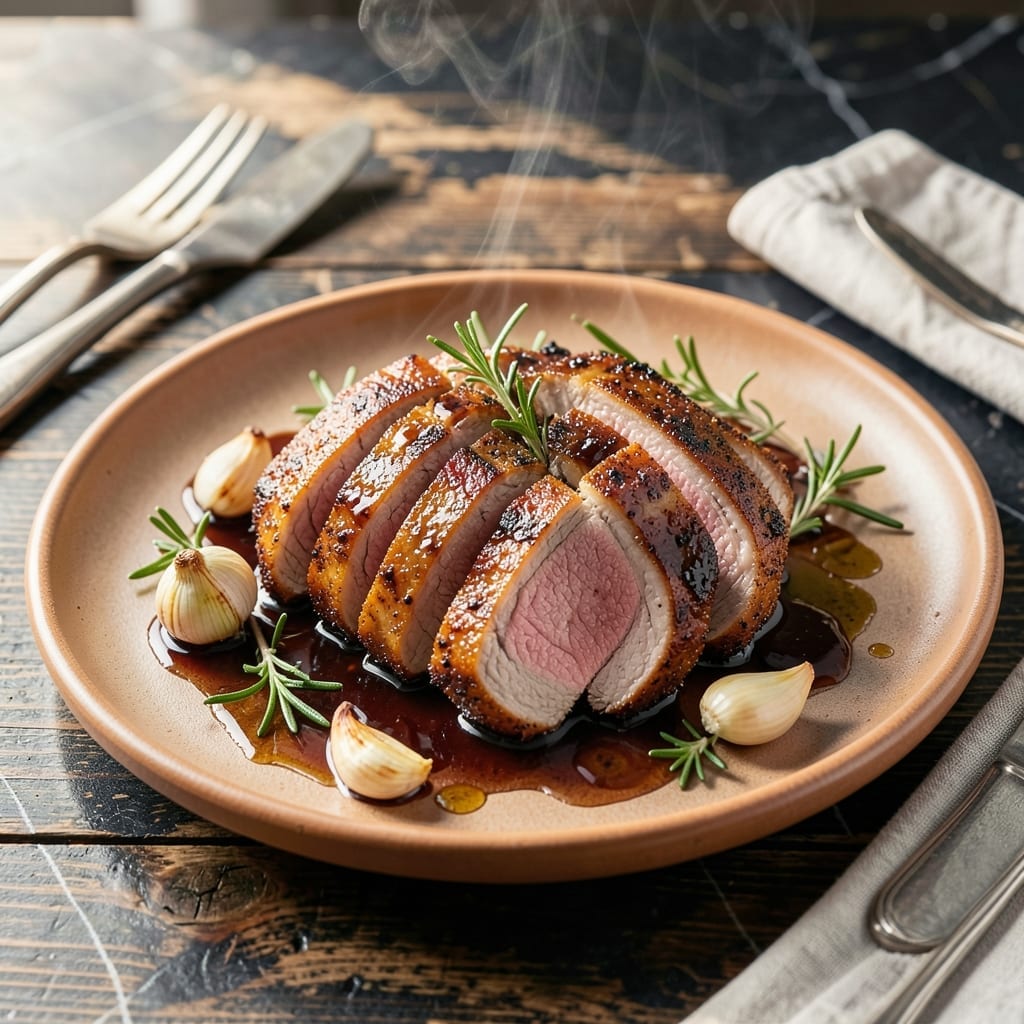
This recipe transforms pork tenderloin into a tender, restaurant-quality centerpiece with minimal effort. The combination of balsamic vinegar and brown sugar creates a glossy glaze that caramelizes beautifully in the oven.
I developed this method after years of testing different ratios, and the balance of sweet and tangy flavors always impresses. The vinegar’s acidity tenderizes the meat while the sugar forms a sticky, flavorful crust.
The result is juicy, perfectly cooked pork with a deep mahogany finish that looks as good as it tastes. Serve it sliced with the pan juices spooned over the top for maximum impact.
Ideal for weeknight dinners or special occasions, this dish requires just 20 minutes of active preparation before the oven takes over.
Ingredients for Pork Tenderloin Recipe with Balsamic Vinegar and Brown Sugar
Eleven ingredients create a restaurant-quality centerpiece with minimal effort and maximum flavor impact.
| Ingredient | Amount | Notes |
|---|---|---|
| Pork Tenderloin 🥩 | 1 ½ lb | Trimmed of silver skin |
| Balsamic Vinegar 🍷 | ½ cup | Aged for depth of flavor |
| Light Brown Sugar 🧂 | ¼ cup | Packed for glaze consistency |
| Dijon Mustard 🟡 | 2 tbsp | Smooth, not whole grain |
| Garlic Cloves 🧄 | 4 cloves | Minced for even distribution |
| Olive Oil 🫒 | 2 tbsp | Extra-virgin for searing |
| Kosher Salt 🧂 | 1 ½ tsp | Diamond Crystal preferred |
| Freshly Ground Black Pepper 🌶️ | 1 tsp | Coarse grind for texture |
| Dried Rosemary 🌿 | 1 tsp | Crushed to release oils |
| Dried Thyme 🍃 | 1 tsp | Rubbed between fingers |
| Chicken Broth 🥣 | ½ cup | Low-sodium for control |
| Unsalted Butter 🧈 | 2 tbsp | For finishing the glaze |
[recipe_ingredient_scaler]
The pork tenderloin is the star—look for uniform thickness to ensure even cooking. Whole Foods or Costco typically carry high-quality cuts. Aged balsamic vinegar (the kind from Trader Joe’s in the glass bottle) adds complexity. For the brown sugar, light or dark both work, but light yields a more balanced sweetness against the vinegar’s tang.
No Dijon? Whole-grain mustard at half the amount adds texture without overpowering. Fresh herbs can replace dried—use triple the quantity and add them at the end. If avoiding alcohol, substitute apple cider vinegar for the balsamic (add 1 tsp molasses to mimic the depth). The broth can be swapped for water, but the flavor won’t be as rich.
Marinate the pork for up to 12 hours for deeper flavor penetration. Leftover glaze keeps in the fridge for 1 week—perfect for drizzling over roasted veggies. Cooked pork stores well for 3-4 days and reheats beautifully sliced in a skillet with a splash of broth.
Why You’ll Love This Recipe
- One Pan Wonder: I sear the pork, mix the balsamic and brown sugar glaze in the same pan, and dinner’s halfway done before the oven even preheats.
- Sweet-Savory Magic: That glaze—balsamic’s tang with brown sugar’s caramel depth and Dijon’s kick—makes every bite ridicuously good.
- Feeds a Crowd: A single tenderloin stretches to four generous servings, so it’s my go-to for Sunday suppers or meal-prep lunches.
- Leftovers? Yes Please: The flavors deepen overnight, so I’ll be real: I make extra just to have cold slices for sandwiches the next day.
Step-by-Step Instructions for Balsamic Brown Sugar Pork Tenderloin
Here’s the method. Straightforward, tested, works every time.
Step 1: Season and Sear the Pork Tenderloin
Pat the 1.5 lb Pork Tenderloin dry with paper towels. This ensures a proper sear. Season evenly with 1.5 tsp Kosher Salt, 1 tsp Freshly Ground Black Pepper, 1 tsp Dried Rosemary, and 1 tsp Dried Thyme. Rub the seasoning in so it adheres well to the surface.
Heat 2 tbsp Olive Oil in a large oven-safe skillet over medium-high heat until shimmering. Add the pork tenderloin and sear for 3-4 minutes per side until golden brown on all sides. Don’t move it too soon—the meat will release naturally when it’s ready to flip.
Step 2: Create the Balsamic Glaze
Reduce heat to medium and add 4 cloves Garlic Cloves to the skillet. Sauté for 30 seconds until fragrant, being careful not to burn. Pour in 0.5 cup Balsamic Vinegar, 0.25 cup Light Brown Sugar, 2 tbsp Dijon Mustard, and 0.5 cup Chicken Broth.
Stir to combine, scraping up any browned bits from the bottom of the pan. These fond bits add depth of flavor to your glaze. Simmer for 2-3 minutes until the mixture thickens slightly and the sugar dissolves completely.
Step 3: Finish Cooking with the Glaze
Return the pork tenderloin to the skillet, spooning the balsamic glaze over the top. Reduce heat to medium-low, cover, and let it cook for 10-12 minutes, turning the pork occasionally to coat it evenly. The glaze should bubble gently and thicken as it coats the meat.
You’ll know it’s done when an instant-read thermometer inserted into the thickest part reads 145°F. The pork should feel firm to the touch but still slightly springy. Don’t overcook—pork tenderloin can dry out quickly.
Step 4: Rest and Finish with Butter
Transfer the pork to a cutting board and tent loosely with foil. Let it rest for 10 minutes—this allows the juices to redistribute. Meanwhile, return the skillet to low heat and whisk in 2 tbsp Unsalted Butter until the glaze becomes silky and glossy.
Slice the pork into ½-inch thick medallions and arrange on a serving platter. Drizzle the finished glaze over the top, ensuring each piece gets a good coating. The result should be tender, juicy meat with a sweet-tangy glaze that clings beautifully to every slice.
Pro Tips For Making Pork Tenderloin Recipe With Balsamic Vinegar And Brown Sugar
- Sear First, Glaze Last: I learned this the hard way—balsamic sugar burns fast. Sear the pork in a hot pan first, then add the glaze in the last 2-3 minutes to avoid a bitter, charred mess.
- Trim the Silver Skin: That tough membrane on the tenderloin won’t soften no matter how long you cook it. Take 30 seconds to trim it off before seasoning for a more tender bite.
- Reduce the Glaze: After removing the pork, simmer the balsamic, sugar, mustard, and garlic for 1-2 minutes to thicken slightly. This makes a real difference in getting it to cling to the meat instead of running off.
- Rest Under Foil: Give it a solid 5-10 minutes under foil before slicing—yes, even if you’re starving. The juices redistribute, and the carryover heat finishes the cooking perfectly.
Dietary Considerations for These Flavors
Gluten-Free Friendly
This dish is naturally gluten-free, making it perfect for those with celiac disease or gluten sensitivity. All ingredients—pork, balsamic vinegar, brown sugar, and spices—are inherently gluten-free. Just double-check your chicken broth label, as some brands add wheat-based thickeners. 💪
Low-Carb Option
With only 12g net carbs per serving (mostly from the brown sugar), this fits well into low-carb or keto diets. You can further reduce carbs by cutting the brown sugar in half and adding 1 tsp erythritol to maintain sweetness without the glucose.
Dairy-Free Adaptation
The only dairy comes from the 2 tbsp unsalted butter at the end. Simply replace it with olive oil or dairy-free butter (like Miyoko’s from New Seasons Market). The glaze will still be rich and glossy, just without the lactose.
Lower-Sodium Version
Use low-sodium chicken broth and reduce the kosher salt to 1 tsp. The balsamic vinegar and Dijon mustard already provide plenty of flavor. I often make this adjustment when cooking for my dad, who watches his sodium intake.
Sugar Alternatives
For a refined sugar-free version, swap the brown sugar for coconut sugar or maple syrup (use 3 tbsp to match sweetness). The glaze will have a slightly different depth but still caramelize beautifully.
Protein Boost
Pork tenderloin is already a lean protein, but you can stretch this dish further by serving it over quinoa or with a side of roasted chickpeas. This adds fiber and plant-based protein to the meal. ✨
Nutrition Facts
Frequently Asked Questions
Can I use honey instead of brown sugar?
Yes! Use 3 tbsp honey to replace 0.25 cup brown sugar. It will create a slightly thinner glaze but still caramelize beautifully.
How do I prevent the pork from drying out?
Don’t overcook it! Remove from heat when it reaches 145°F internally and let it rest for 10 minutes before slicing. This keeps it juicy.
Can I make this in a slow cooker?
Sear the pork first, then cook on low for 4-5 hours with the glaze ingredients. Finish with butter for shine.
What sides pair well with this dish?
Try roasted Brussels sprouts, mashed sweet potatoes, or a simple green salad. The sweet-tangy glaze complements many flavors.

Trained in classic French technique but raised on slow-cooked ribs and spicy rubs, she blends culinary skill with smoke and soul.
- Recipe for Boneless Pork Chops in Cast Iron Skillet: Sear and Baste to Juicy Perfection - October 3, 2026
- Recipe for Boneless Cross Rib Roast: Slow-Roasted Beef with Herb Crust - October 3, 2026
- Hamburgers in Sauce Recipe Crock Pot: Slow-Cooked Savory Delight - October 3, 2026