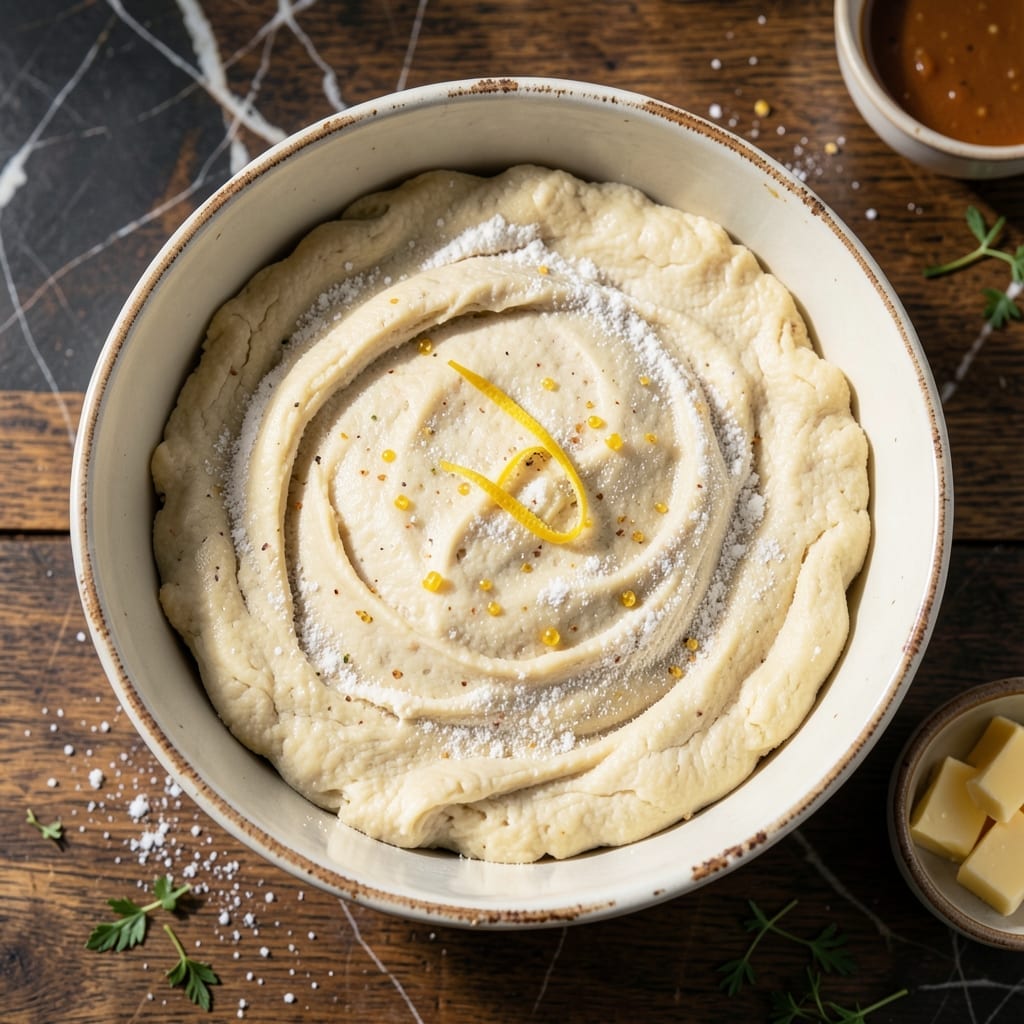
I’ve perfected a 10-minute crust that delivers restaurant-quality flakiness without the fuss. This quick method uses simple ingredients and a foolproof technique.
The result is golden, buttery layers that hold up to any filling. Whether you’re making a classic chicken pot pie or a modern vegetarian twist, this crust won’t disappoint.
Ingredients for Pot Pie Crust Recipe Quick
Five ingredients transform into golden, flaky layers ready for any pot pie filling.
| Ingredient | Amount | Notes |
|---|---|---|
| All-Purpose Flour 🌾 | 2 ½ cups | Plus extra for dusting work surface |
| Unsalted Butter 🧈 | 1 cup | Very cold, cut into small cubes |
| Ice Water 💧 | ½ cup | Plus 1-2 tbsp as needed |
| Fine Sea Salt 🧂 | 1 tsp | Diamond Crystal preferred |
| Granulated Sugar 🍚 | 1 tsp | Optional, for golden color |
[recipe_ingredient_scaler]
The butter must stay ice cold—use European-style unsalted for superior flakiness (82% fat content). King Arthur Flour produces consistent results, but any all-purpose works. Cut the butter into 1/2-inch cubes before refrigerating for 15 minutes. This ensures even distribution without warming the dough. The salt enhances flavor, so don’t omit it, even in sweet applications.
No all-purpose flour? Pastry flour at a 1:1 ratio yields a more tender crust. Out of unsalted butter? Use salted but reduce added salt by half. For a richer flavor, substitute 1/4 cup lard for some butter. The ice water can be replaced with cold vodka (the alcohol creates extra flakiness). Short on time? Food processor cuts the butter in seconds.
Dough keeps 2-3 days wrapped tightly in the fridge, or freeze for 1 month. Bring to room temperature before rolling. Baked crust stays crisp for 1 day at room temperature. For make-ahead, prepare dough discs and refrigerate overnight—ideal for stress-free pie making.
Why You’ll Love This Recipe
- I’ll be real: I double the batch and freeze half for next week’s pot pie cravings.
- One Bowl Wonder: I mix the flour, cold butter, and ice water right in the same bowl—no fancy tools, just my hands and five minutes.
- Buttery Perfection: The unsalted butter and pinch of sugar give it that rich, flaky crust that’s crisp outside, tender inside.
- Freezer Friendly: I’ll be real: I double the batch and freeze half for next week’s pot pie cravings.
Step-by-Step Instructions for Pot Pie Crust
This method delivers flaky, golden layers in minutes with minimal effort and maximum results.
Step 1: Prepare the Dry Ingredients
In a large mixing bowl, whisk together the 2.5 cups All-Purpose Flour, 1 tsp Fine Sea Salt, and 1 tsp Granulated Sugar until thoroughly combined. The sugar is optional but adds a subtle golden hue to the finished crust.
This dry base creates the structure for your flaky layers. I use Diamond Crystal salt for its clean flavor and precise measurement, but any fine sea salt will work. Make sure there are no visible streaks of salt or sugar in the flour mixture.
Step 2: Cut in the Cold Butter
Add the 1 cup Unsalted Butter (very cold, cut into small cubes) to the flour mixture. Using a pastry cutter or your fingertips, work the butter into the flour until the mixture resembles coarse crumbs with pea-sized butter pieces visible throughout.
This step is critical for flakiness—the cold butter creates steam pockets during baking that separate the dough into distinct layers. Work quickly to prevent the butter from warming and melting into the flour, which would result in a dense rather than flaky texture.
Step 3: Add Ice Water Gradually
Create a well in the center of the flour-butter mixture. Add 0.5 cup Ice Water and use a fork to gently mix until the dough just begins to come together. Start with the full amount, then add 1-2 tbsp more if needed until the dough holds when pressed.
The dough should appear shaggy and slightly dry—resist the urge to add too much water. Overworking or adding excess liquid develops gluten, which makes the crust tough rather than tender. The coldness of the water helps maintain the butter’s solid state.
Step 4: Form and Chill the Dough
Turn the dough out onto a lightly floured surface (using extra all-purpose flour as needed) and gently knead it into a cohesive ball. Divide the dough into two equal portions, flatten each into a disk, and wrap tightly in plastic wrap.
Refrigerate for at least 30 minutes before rolling. This chilling period allows the gluten to relax, making the dough easier to roll out, and gives the butter time to re-solidify after handling. This rest ensures your crust will maintain its structure and flakiness during baking.
Pro Tips For Making Pot Pie Crust Recipe Quick
- Chill Your Butter: Cut the butter into small cubes and freeze for 10 minutes before mixing—cold butter is non-negotiable for flaky layers. I learned this the hard way after ending up with a dense, sad crust.
- Ice Water Only: Use truly ice-cold water, and measure it after adding the ice cubes. Sounds weird, but it works: warm water develops gluten, making the crust tough instead of tender.
- Skip Overworking: Mix the dough just until it comes together—even if it looks shaggy. After burning three batches to crispy sadness, I finally figured out overmixing ruins the texture.
- Rest the Dough: Give it a solid 15 minutes in the fridge before rolling. My grandmother swore by this, and she was right: it relaxes the gluten and prevents shrinking when baked.
Wine and Beer Pairings for This Dish
Crisp White Wines
A buttery crust pairs beautifully with a crisp Sauvignon Blanc—its bright acidity cuts through the richness. I love a New Zealand style like Kim Crawford with its citrus and grassy notes. Serve chilled at 45-50°F for the best experience. 🍷
Light Red Options
For red wine lovers, try a Pinot Noir from Oregon—its earthy, fruity profile complements without overpowering. Meiomi offers consistent quality. Avoid heavy tannins that clash with the flaky texture.
Craft Beer Picks
A Belgian-style witbier like Hoegaarden brings citrus and spice that enhance the crust’s buttery notes. The effervescence cleanses your palate between bites. Serve in a chilled glass at 40-45°F. 🍺
Non-Alcoholic Pairings
Sparkling apple cider from local orchards offers the same palate-cleansing effect as wine. I also love ginger beer—its spicy kick balances the richness beautifully.
Coffee Pairing
For dessert-style pot pies, a light roast coffee with vanilla notes works surprisingly well. The bitterness contrasts the sweetness while the warmth complements the flaky texture. ✨
Nutrition Facts
Frequently Asked Questions
Can I use a food processor for the dough?
Yes! Pulse the flour, salt, and cold butter until crumbly, then add ice water gradually. Stop as soon as the dough clumps. Overmixing develops gluten, making the crust tough.
Why is my crust not flaky?
Usually, the butter was too warm or overworked. Keep ingredients ice-cold and handle the dough minimally. Also, ensure the butter is cut into small, even pieces before mixing.
Can I bake this crust ahead of time?
Blind-bake at 375°F for 15-20 minutes until golden. Cool completely before adding filling to avoid a soggy bottom. Store baked crusts in an airtight container for up to 2 days.
What’s the best pan for baking pot pie?
Use a 9-inch pie dish or similar oven-safe dish. Glass or ceramic pans allow you to monitor browning. Avoid dark metal pans, which can over-brown the bottom crust.

Trained in classic French technique but raised on slow-cooked ribs and spicy rubs, she blends culinary skill with smoke and soul.
- Recipe for Boneless Pork Chops in Cast Iron Skillet: Sear and Baste to Juicy Perfection - October 3, 2026
- Recipe for Boneless Cross Rib Roast: Slow-Roasted Beef with Herb Crust - October 3, 2026
- Hamburgers in Sauce Recipe Crock Pot: Slow-Cooked Savory Delight - October 3, 2026