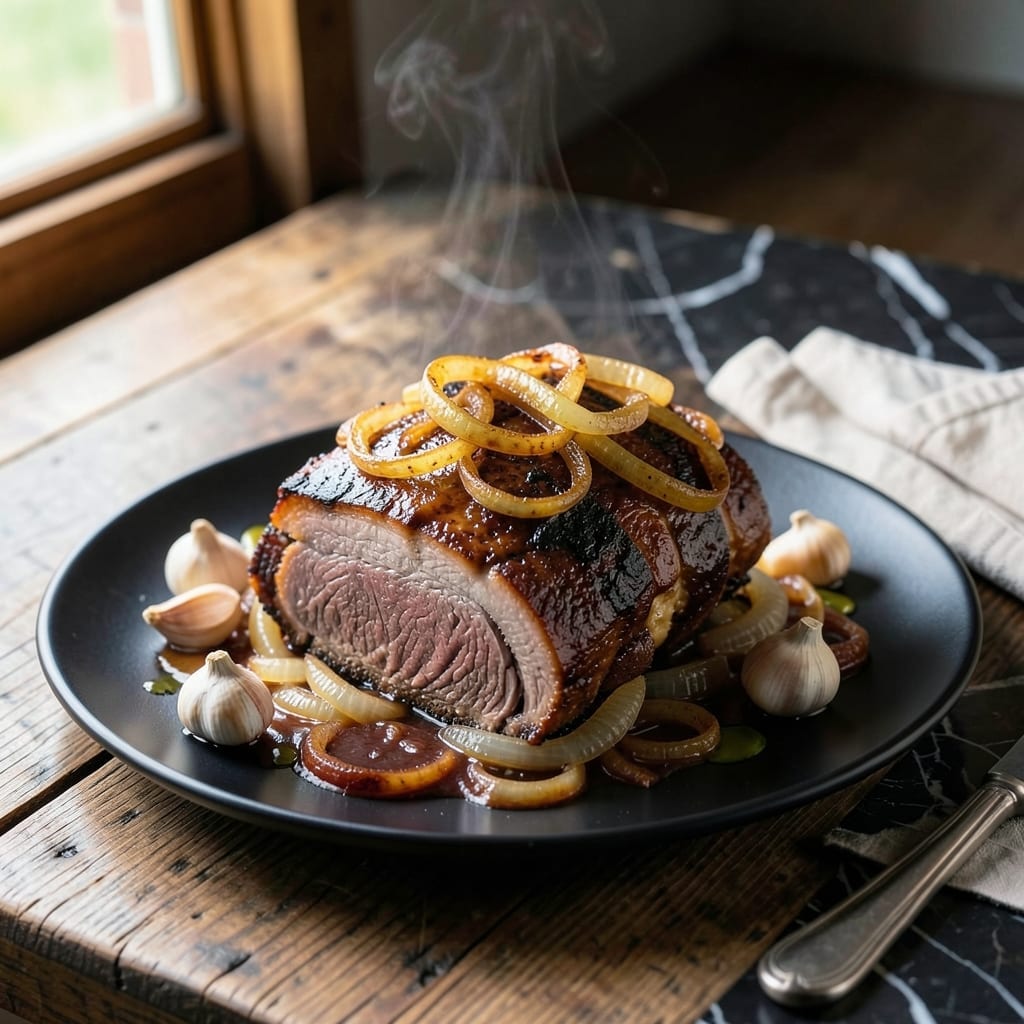
This pot roast transforms tough cuts into melt-in-your-mouth perfection with a proven slow-cooking method. The secret lies in the initial sear, which locks in juices and builds deep flavor foundations for the braising liquid.
I developed this technique after years of testing, perfecting the balance between tender meat and rich, savory gravy. The low and slow approach ensures the chuck roast becomes fork-tender while vegetables absorb the meaty essence.
What emerges is a dish with fall-apart tender beef, carrots and potatoes that soak up every bit of flavor, and a gravy so rich you’ll want to drink it. The aroma alone signals comfort food at its finest.
Serve with crusty bread or buttered noodles to complete the meal. Here’s how to achieve this restaurant-quality result at home.
Ingredients for Pot Roast Recipe Half Baked Harvest
Transform tough cuts into melt-in-your-mouth perfection with these rich, savory ingredients for the ultimate comfort dish.
| Ingredient | Amount | Notes |
|---|---|---|
| Chuck Roast 🥩 | 3 lb | Boneless, well-marbled preferred |
| Kosher Salt 🧂 | 2 tsp | Diamond Crystal preferred |
| Black Pepper 🌶️ | 1 ½ tsp | Freshly ground for best flavor |
| Olive Oil 🫒 | 2 tbsp | For searing and browning |
| Yellow Onion 🧅 | 2 whole | Large, quartered |
| Garlic Cloves 🧄 | 6 cloves | Smashed, peeled |
| Carrots 🥕 | 4 whole | Large, peeled, cut into chunks |
| Yukon Gold Potatoes 🥔 | 1 ½ lb | Peeled, cut into large pieces |
| Beef Broth 💧 | 3 cups | Low-sodium preferred |
| Red Wine 🍷 | 1 cup | Dry variety for depth |
| Tomato Paste 🍅 | 2 tbsp | For umami richness |
| Worcestershire Sauce 🧂 | 1 tbsp | Adds savory depth |
| Dried Thyme 🌿 | 1 tsp | Or 1 tbsp fresh |
| Bay Leaves 🌿 | 2 pieces | Whole, for braising |
[recipe_ingredient_scaler]
The chuck roast is non-negotiable here—look for good marbling at the store, which means more flavor and tenderness. Whole Foods or Costco have great options, and I always grab a bigger piece if I’m feeding a crowd. The beef broth matters too; low-sodium lets you control the saltiness as the liquid reduces. For the wine, any dry red you’d actually drink works (Cabernet or Merlot are safe bets).
No red wine? Use extra beef broth plus a splash of balsamic vinegar—it’ll mimic the acidity and depth. Out of Yukon Golds? Russet potatoes work, but they’ll absorb more liquid. Fresh herbs can replace dried at three times the amount. If you’re skipping the alcohol entirely, beef stock with a teaspoon of vinegar gets you close enough.
Pot roast tastes even better the next day once the flavors meld. Store in an airtight container in the fridge for up to 4 days or freeze for 3 months. Reheat gently on the stove to keep the meat from drying out (microwave works in a pinch, but it’s worth the extra minute).
Why You’ll Love This Recipe
- Set It & Forget: I toss the chuck roast with olive oil, salt, pepper, and onion, then let the oven do the heavy lifting for hours.
- Feeds the Week: One batch gives us dinner tonight, sandwiches tomorrow, and maybe even a pot pie the next day.
- Budget Hero: A humble chuck roast and a few pantry staples stretch into a meal that feels like a fancy Sunday supper without the price tag.
Step-by-Step Instructions for Slow-Cooked Savory Pot Roast
Here’s how I make this dish with perfect fall-apart tenderness every single time.
Step 1: Season and Sear the Chuck Roast
Pat the 3 lb Chuck Roast dry with paper towels—this is crucial for a good sear. Season all sides aggressively with the 2 tsp Kosher Salt and 1.5 tsp Black Pepper. I like to really press the seasoning into the meat so it adheres well during cooking.
Heat the 2 tbsp Olive Oil in a large Dutch oven over medium-high heat until it shimmers. Sear the chuck roast for 4-5 minutes per side until deeply browned. You’re looking for a rich, dark crust—this builds the foundation of flavor for the entire dish. Don’t rush this step; a good sear makes all the difference.
Step 2: Build the Aromatic Base
Remove the seared chuck roast and set it aside. In the same pot, add the quartered 2 whole Yellow Onion, smashed 6 cloves Garlic Cloves, chunked 4 whole Carrots, and large pieces of 1.5 lb Yukon Gold Potatoes. Cook for 3-4 minutes until the onions start to soften and brown slightly.
This step develops the vegetable flavors and creates a base for the braising liquid. Stir in the 2 tbsp Tomato Paste and cook for 1 minute until it darkens slightly in color. The paste should coat the vegetables and start to caramelize at the edges.
Step 3: Deglaze and Add Braising Liquid
Pour in the 1 cup Red Wine and scrape up all the browned bits from the bottom of the pot with a wooden spoon. Let it simmer for 2-3 minutes until the liquid reduces by about half. This deglazing step captures all that concentrated flavor from the searing process.
Add the 3 cups Beef Broth, 1 tbsp Worcestershire Sauce, 1 tsp Dried Thyme, and 2 pieces Bay Leaves. Stir to combine, then return the chuck roast to the pot. The liquid should come about halfway up the meat—add a little water if needed to reach this level.
Step 4: Braise to Perfection
Bring the liquid to a gentle simmer, then cover the pot and transfer it to a 325°F oven. Braise for 2.5 to 3 hours, turning the chuck roast once halfway through cooking. You’ll know it’s done when the meat pulls apart easily with a fork and reaches an internal temperature of 195-200°F.
I check the pot occasionally to make sure the liquid hasn’t reduced too much. If it looks low, add a splash of water or additional beef broth. The vegetables should be tender but not falling apart, and the sauce should be rich and flavorful.
Step 5: Rest and Serve
Carefully remove the chuck roast from the pot and place it on a cutting board. Let it rest for 10-15 minutes before slicing or pulling apart—this allows the juices to redistribute for maximum tenderness and flavor.
Skimming excess fat from the braising liquid is optional. I often serve the pot roast with the vegetables and sauce ladled over the top, alongside some crusty bread or buttered noodles to soak up every last bit of the delicious sauce.
Pro Tips For Making Pot Roast Recipe Half Baked Harvest
- Sear the Chuck Hard: I learned this the hard way—get that chuck roast screaming hot in the olive oil until it’s deeply browned on all sides, about 3-4 minutes per side. Sounds tedious, but it builds the flavor base this dish needs.
- Salt the Roast Overnight: After a few bland pot roasts, I started salting the chuck roast with kosher salt 12 hours before cooking. Does it look weird? Yes. Does it work? Every single time.
- Skip Crowded Onions: Don’t dump all the yellow onion in at once—sauté them in batches if needed, or they’ll steam instead of caramelize. I skip this when I’m lazy, but the dish is noticeably better when I don’t.
- Use a Meat Thermometer: I used to guess doneness and wondered why my pot roast was sometimes dry. Now I pull it at 195°F internal temp—guarantees fall-apart tender meat without overcooking.
Wine and Beer Pairings for This Dish
Bold Red Wines
For this dish, I always reach for a full-bodied Cabernet Sauvignon—its bold tannins and dark fruit notes stand up beautifully to the rich beef. A 2018 Chateau Montelena Cabernet from Napa Valley is my go-to, but any quality Cab will work. The wine’s acidity cuts through the fat while complementing the savory gravy. 🍷
Smooth Merlot
If you prefer something softer, a Merlot offers plush berry flavors with velvety tannins. Try a Washington State Merlot like Chateau Ste. Michelle—its approachable profile pairs well without overpowering. I find Merlot especially good when the pot roast has extra herbs.
Malbec Magic
An Argentinian Malbec brings a jammy intensity that matches the dish’s depth. The Catena Zapata Malbec has enough structure to handle the meat’s richness while adding a slight smokiness. This is Tom’s favorite pairing when we make pot roast for Sunday dinner.
Beer Alternatives
For beer lovers, a dark porter or stout works surprisingly well. The roasted malt flavors echo the caramelized crust on the beef. I like Deschutes Black Butte Porter from here in Oregon—its chocolate notes complement the dish perfectly. 🍺
Lighter Options
If you’re serving lighter eaters, a Pinot Noir with earthy undertones can work. Oregon Pinot Noir like Domaine Serene offers bright acidity that cleanses the palate between bites of the rich, savory meat.
Nutrition Facts
Frequently Asked Questions
Can I use a different cut of beef?
Stick with chuck roast for best results. Brisket or round roast work in a pinch, but they may need 30-45 minutes longer to reach the same tenderness. Avoid lean cuts like sirloin, which dry out during braising.
What if I don’t have a Dutch oven?
Use a heavy pot with a tight lid or slow cooker on low for 7-8 hours. For stovetop, a deep skillet with lid works too—just maintain a gentle simmer and check liquid levels often.
How do I thicken the gravy?
Remove meat and veggies, then simmer the liquid on medium-high heat for 5-10 minutes. For quicker results, mix 1 tbsp cornstarch with water and stir in. Boil for 1 minute to remove the starchy taste.

Trained in classic French technique but raised on slow-cooked ribs and spicy rubs, she blends culinary skill with smoke and soul.
- Recipe for Boneless Pork Chops in Cast Iron Skillet: Sear and Baste to Juicy Perfection - October 3, 2026
- Recipe for Boneless Cross Rib Roast: Slow-Roasted Beef with Herb Crust - October 3, 2026
- Hamburgers in Sauce Recipe Crock Pot: Slow-Cooked Savory Delight - October 3, 2026