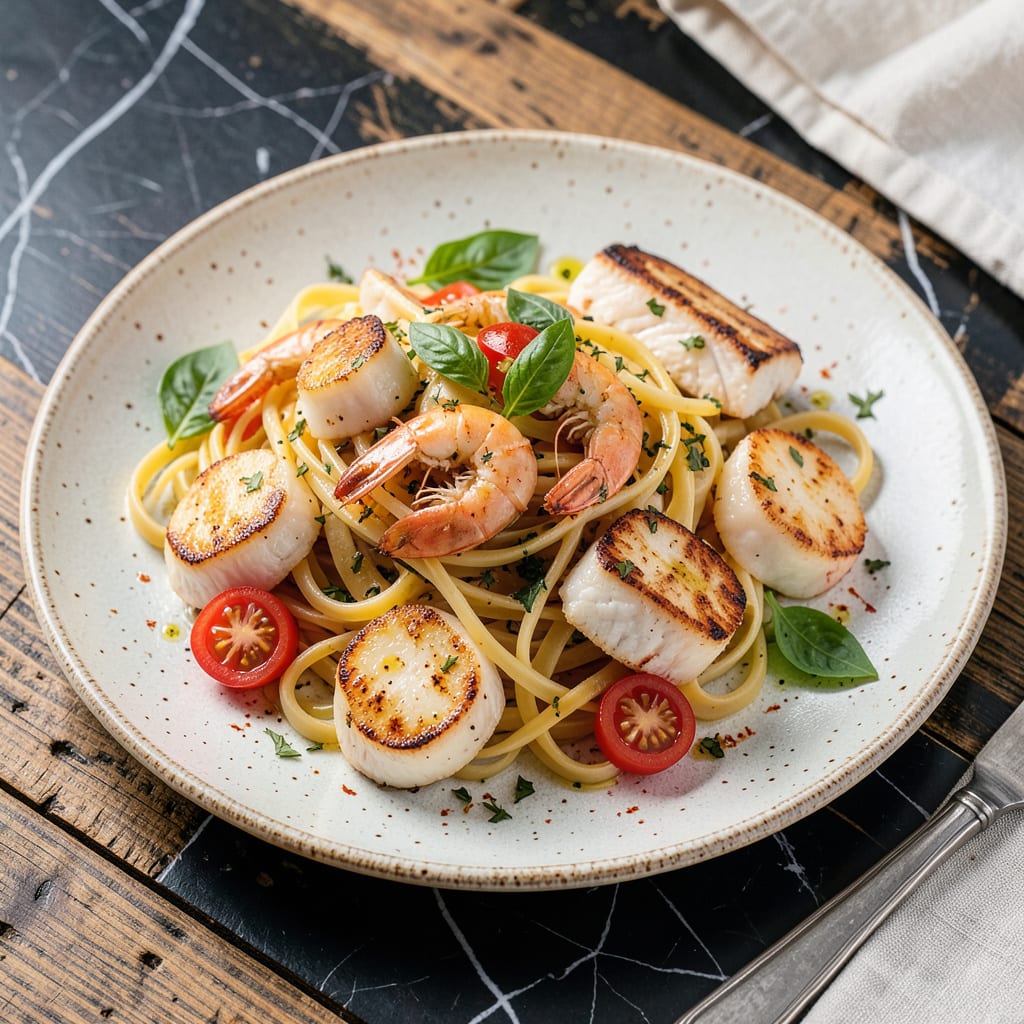
Queensland pasta is a rich, hearty Australian dish featuring beef, mushrooms, and a creamy red wine sauce, typically served with pappardelle or fettuccine. It blends Italian technique with local ingredients for a unique, comforting flavor.
This dish beautifully bridges two culinary worlds—Italian tradition meets Queensland’s renowned beef industry. 🔥 The slow-cooked beef and mushrooms absorb the bold red wine reduction, creating a depth of flavor that feels both rustic and refined. What sets it apart is how the wide, ribbon-like pasta shapes cradle the sauce, ensuring every bite delivers maximum richness. I love how it transforms simple ingredients into something extraordinary through careful technique.
💡 In This Article
- Origins and Culinary Influences Behind Queensland Pasta
- Step-by-Step Guide to Perfect Queensland Pasta at Home
Origins and Culinary Influences Behind Queensland Pasta
This dish emerged from Queensland’s post-WWII Italian migration wave, when settlers brought their beloved ragù traditions to Australia’s beef country. The state’s vast cattle stations produced tender, grass-fed beef that transformed the classic Bolognese into something richer and more robust.
🔥 What started as immigrant comfort food evolved into a regional specialty as local chefs began incorporating native mushrooms and full-bodied Shiraz wines from nearby vineyards.
The magic happens in the sauce’s slow reduction process. Traditional Italian ragù simmers for hours, but Queensland’s version often uses pressure cooking methods developed by station cooks to tenderize tougher cuts. The beef-to-sauce ratio leans heavier here—typically 1.5 pounds of beef to 2 cups of wine—creating a more concentrated flavor profile.
Local wild mushrooms like slippery jacks add an earthy depth you won’t find in Italian originals.
Queensland’s subtropical climate plays a surprising role in the dish’s character. The warm, humid conditions allow for year-round mushroom foraging, while the intense sunlight concentrates flavors in local produce.
Chefs in the region often finish the dish with a splash of Macadamia nut oil instead of butter, adding a distinctly Australian touch that complements the wine’s tannins beautifully.
The pasta choice tells its own story. While Italians might use tagliatelle, Queensland cooks prefer wider pappardelle ribs—1 inch wide—to better cradle the chunky sauce. This practical adaptation reflects the hearty appetites of cattle station workers who needed substantial meals.
The dish’s evolution mirrors Queensland itself: Italian roots growing into something uniquely Australian through local ingredients and adaptations.
What makes this fusion truly special is how it honors both cultures. The Italian technique of building flavor through slow cooking remains sacred, but the ingredient proportions and finishing touches reflect Queensland’s agricultural abundance. It’s not just pasta with beef—it’s a culinary handshake between two food traditions that found common ground in Australia’s northeast.
Modern versions often include a final garnish of crispy fried shallots, a nod to Southeast Asian influences that reached Queensland through trade routes. This simple addition creates a textural contrast that elevates each bite, proving how this dish continues to evolve while staying true to its rich, comforting roots. ✨

Trained in classic French technique but raised on slow-cooked ribs and spicy rubs, she blends culinary skill with smoke and soul.
- Recipe for Boneless Pork Chops in Cast Iron Skillet: Sear and Baste to Juicy Perfection - October 3, 2026
- Recipe for Boneless Cross Rib Roast: Slow-Roasted Beef with Herb Crust - October 3, 2026
- Hamburgers in Sauce Recipe Crock Pot: Slow-Cooked Savory Delight - October 3, 2026