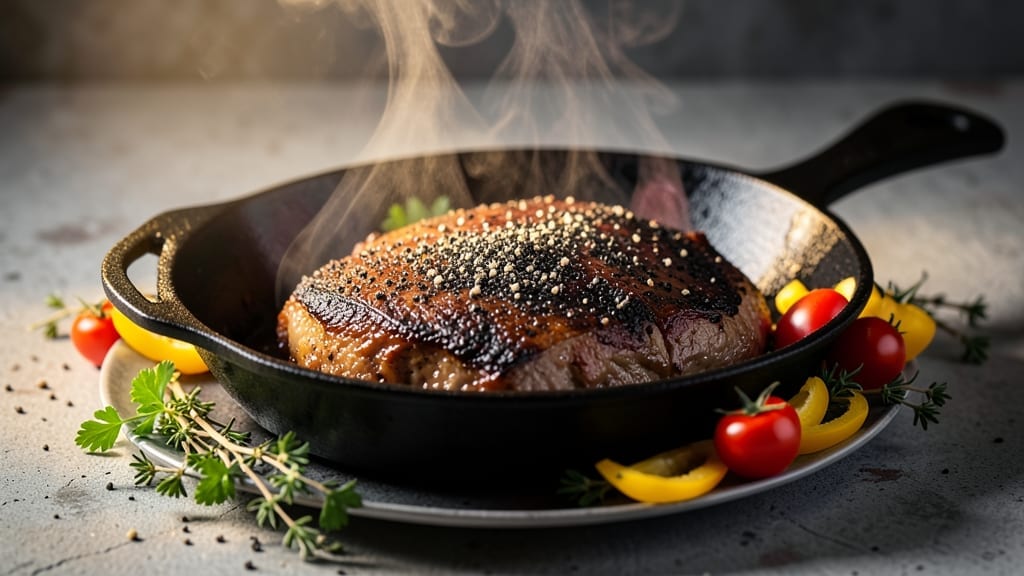
When you crave that smoked-style brisket but don’t have hours to spare, this quick-cook method delivers tender, flavorful results in under three hours—no smoker required. The secret lies in a precise combination of high heat and moisture control, transforming tough cuts into melt-in-your-mouth perfection without the long wait.
I developed this technique after years of testing shortcuts, and it consistently delivers restaurant-quality brisket in a fraction of the time.
This recipe uses a pressure cooker or slow cooker to break down the meat efficiently while locking in moisture and flavor. The process is straightforward: season the brisket generously, then cook it low and slow with just enough liquid to keep it tender.
No need for complicated rubs or hours of babysitting—the method handles the work while you focus on prep or other tasks. The result? A brisket that’s fork-tender, juicy, and packed with deep, smoky flavor, ready to slice and serve in minutes.
By the time you’re done, you’ll have a brisket so tender it practically falls apart at the touch, with a crust that’s rich and caramelized from the cooking process.
The beauty of this method is its versatility—whether you’re feeding a crowd or meal prepping for the week, it delivers consistent, impressive results. Serve it on sandwiches, with mashed potatoes, or as the centerpiece of a hearty meal. Here’s how to make it happen.
The best part? This recipe scales effortlessly, so you can adjust the quantity to fit your needs without sacrificing tenderness. Leftovers reheat beautifully, making it a great choice for busy weeknights or special occasions. Let’s get started on creating brisket that’s fast, tender, and full of flavor—no smoker required.
Ingredients for quick cook brisket
Tender brisket in under three hours—no smoker required. Just a few staples and patience.
| Ingredient | Amount | Notes |
|---|---|---|
| Chuck Roast Brisket 🥩 | 3 lb | Fat cap trimmed, 1.5 inch thick |
| Kosher Salt 🧂 | 2 tbsp | For initial seasoning |
| Black Pepper 🌶️ | 1 tbsp | Freshly ground coarse |
| Garlic Powder 🧄 | 1 tbsp | For dry rub |
| Onion Powder 🧅 | 1 tbsp | For dry rub |
| Brown Sugar 🍚 | 1 tbsp | For caramelization |
| Paprika 🌶️ | 1 tbsp | Smoked variety preferred |
| Dried Thyme 🍃 | 1 tsp | For rub depth |
| Beef Broth 💧 | 2 cups | Low-sodium preferred |
| Carrots 🥕 | 1 cup | Diced, medium size |
| Onions 🧅 | 1 whole | Yellow, diced |
| Tomato Paste 🍅 | 2 tbsp | For depth of flavor |
| Apple Cider Vinegar 🍎 | 2 tbsp | For tangy balance |
| Olive Oil 🫒 | 2 tbsp | For searing |
[recipe_ingredient_scaler]
The brisket is everything here. Look for chuck roast with good marbling—that fat melts into the meat during cooking. I always buy it whole from Costco or local butchers for the best quality. Trim the fat cap to about 1/4 inch thick for even cooking. The smoked paprika gives that authentic BBQ flavor without the smoker. Don’t skip the apple cider vinegar—it balances the richness and keeps the meat tender.
No beef broth? Chicken broth plus 1 tbsp Worcestershire works in a pinch. Want more smokiness? Add liquid smoke at 1 tsp to the broth. Diced carrots and onions can be substituted with frozen if fresh aren’t available. The tomato paste is non-negotiable—it’s what gives the brisket that deep, umami flavor. For a quicker rub, mix all spices together first to save time. The olive oil sear is crucial for browning without overcooking.
This reheats beautifully—just add a splash of broth and warm on low. Store leftovers in airtight containers for up to 5 days. Freezes perfectly for 3 months if portioned properly. I always cook a little extra to have for sandwiches later. The pressure cooker method keeps it tender, but if you’re using a slow cooker, add broth halfway to prevent drying. The fat cap is edible but can be trimmed before serving if preferred.
Why You’ll Love This Recipe
- No Chop, No Stress: Honestly, this recipe is my secret for when I’m too tired to dice vegetables. Just trim that fat cap, slap on the rub, and sear it—no onions or carrots to fuss with until the very end. The brisket does all the heavy lifting while I prep the sides.
- Caramelized Crust, Creamy Center: That smoked paprika and brown sugar combo? It gives you that perfect bark—crispy enough to bite into, but the inside? So tender it falls apart with a fork. Trust me, the contrast is chef’s kiss good.
- Leftovers That Last: I make this for Sunday dinner, and by Wednesday, I’ve turned the scraps into tacos, sandwiches, or even a hearty soup. The pan sauce? Perfect for drizzling over pasta or potatoes. Five days of zero decision-making—win.
- Budget-Friendly Beast: A 3-pound brisket feeds a crowd without breaking the bank, and the spices are pantry staples. You’re getting restaurant-quality flavor for less than takeout, and honestly? My kids don’t even notice it’s not pre-packaged.
Step-by-step instructions for quick cook brisket
Here’s how to transform a tough cut into melt-in-your-mouth perfection in under 3 hours.
Season and Sear the Brisket
Start by trimming the fat cap of the 3 lb chuck roast brisket to 1½ inches thick. This ensures even cooking and helps create that perfect bark. In a small bowl, mix together the 2 tbsp kosher salt, 1 tbsp black pepper, 1 tbsp garlic powder, 1 tbsp onion powder, 1 tbsp brown sugar, 1 tbsp paprika, and 1 tsp dried thyme. Rub this mixture generously over all sides of the brisket, pressing it into the meat so it sticks.
Heat a heavy pot or Dutch oven over medium-high heat. Add the 2 tbsp olive oil and let it get hot but not smoking. Place the brisket fat-side down in the pot and sear for 5 minutes until the fat begins to render and the bottom develops a deep golden crust. Flip the brisket and sear the other side for another 5 minutes. You’re building flavor and texture right from the start.
Deglaze and Build the Base
Remove the brisket from the pot and set it aside. Add the diced 1 cup carrots and 1 diced onion to the pot, cooking for 3 minutes until they begin to soften. Stir in the 2 tbsp tomato paste and cook for 1 minute, letting it caramelize slightly. Pour in the 2 cups beef broth and the 2 tbsp apple cider vinegar, scraping up any browned bits from the bottom of the pot. This step captures all those delicious fond flavors that make the difference between good and exceptional.
Return the brisket to the pot, fat-side up, and bring the liquid to a simmer. The liquid should come about halfway up the sides of the brisket. Cover the pot with a tight-fitting lid and reduce the heat to low. Here’s the thing—this is where the magic happens with minimal effort. Let it cook for 2 hours, checking occasionally to ensure there’s enough liquid in the pot.
Finish with Perfect Tenderness
After 2 hours, check the internal temperature of the brisket using a meat thermometer. It should read between 195°F and 203°F. If it’s not there yet, continue cooking for another 30 minutes to 1 hour. The brisket should be fork-tender, falling apart easily when pierced. If the liquid has reduced too much, add a little water to keep the brisket moist.
Once the brisket reaches the perfect temperature, remove it from the pot and let it rest for 15 minutes. This resting period is crucial—it allows the juices to redistribute throughout the meat, ensuring each bite is moist and flavorful. While it rests, you can skim any excess fat from the cooking liquid if desired. Serve the brisket sliced against the grain with the delicious pan sauce spooned over the top.
Pro Tips For Making Quick Cook Brisket
- Trim That Fat Cap: I used to skip this step, thinking it was optional, but that 1.5-inch fat cap is non-negotiable for even cooking. Trim it carefully—too thin, and you lose flavor; too thick, and it won’t render properly. Use a sharp knife and work methodically, or you’ll end up with uneven edges.
- Salt Early, Salt Often: The 2 tbsp kosher salt isn’t just for flavor—it’s for breaking down the meat’s fibers. Rub it on at least 30 minutes before searing (or overnight if you’re patient). Press it in hard, especially on the edges, so it sticks and starts working its magic right away.
- Don’t Rush the Sear: Those 5 minutes per side on medium-high heat aren’t optional. Let the olive oil get hot—not just warm—and resist the urge to flip early. A proper sear builds that crust that locks in juices, and skipping it means bland, dry brisket. Trust the process, even if it feels slow.
- Scrape Like Your Life Depends On It: When you deglaze with the beef broth and apple cider vinegar, scrape every bit of that browned goodness from the pot. Those fond bits are pure flavor, and leaving them behind is like skipping the best part of the sauce. A wooden spoon works, but a silicone spatula gets into the nooks better.
Wine and beer pairings for this dish
Bold Red Wines
For this rich, beefy brisket, I reach for a bold Cabernet Sauvignon like Apothic Red from Apothic Winery—it’s got that deep, dark fruit and spice profile that stands up to the brisket’s intensity. The tannins in Cabernet cut through the fat while complementing the smoked paprika and caramelized flavors.
If you prefer something slightly lighter, a Syrah from Oregon, like Bonterra, adds peppery notes that pair beautifully with the apple cider vinegar’s tang. 🍷
Medium-Bodied Reds
A Malbec from Argentina, such as Catena Zapata, offers juicy blackberry and plum flavors that balance the brisket’s savory depth without overpowering it. The medium acidity cleanses the palate between bites, making it a crowd-pleaser.
For a more affordable option, Montevertine Chianti Classico delivers bright cherry notes that harmonize with the tomato paste’s umami. This is my go-to when I want something approachable yet elegant. 💫
Beer Pairings
If beer is your preference, a dark American stout like Guinness Foreign Extra Stout matches the brisket’s richness with its roasted malt and coffee undertones. The slight bitterness cuts through the fat, creating a perfect balance.
For something lighter, a Belgian brown ale such as Delirium Tremens offers caramel and spice notes that complement the brisket’s smoky depth without competing. Both beers elevate the meal while keeping the focus on the meat. 🍺
Unexpected White Pairing
Yes, white wine works! A Viognier from California, like Ravenswood, surprises many with its stone fruit and peach notes. The wine’s slight sweetness and high acidity contrast the brisket’s saltiness, creating a refreshing dynamic.
It’s a bold choice, but it works—especially when you’re serving the pan sauce alongside. Trust me, it’s a game-changer for those who think white wine can’t pair with beef. ✨
Non-Alcoholic Options
For a non-alcoholic pairing, a ginger beer like BrewDog Punk IPA (non-alcoholic version) adds a spicy kick that mirrors the brisket’s depth. Alternatively, a sparkling apple cider with a touch of cinnamon enhances the apple cider vinegar’s tang in the dish.
Both options keep the meal balanced and refreshing without alcohol. 💪
Nutrition facts
Frequently asked questions
Can I use a slow cooker instead of a Dutch oven?
Transfer the seared brisket and aromatics to your slow cooker after deglazing. Add the 2 cups beef broth and 2 tbsp apple cider vinegar, then cook on low for 7-8 hours or high for 4-5 hours. The key is keeping the liquid level high—add broth if it reduces too much. The slow cooker method keeps the meat moist while developing deep flavor over time.
Why does the recipe call for resting the brisket?
Resting is non-negotiable for juicy brisket! When you cut into hot meat, all those delicious juices rush out. Letting it rest for 15 minutes allows the juices to redistribute evenly, so every bite is moist and flavorful. Skip this step, and you’ll end up with dry, disappointing slices. Trust the process—it’s worth the wait!
What if my brisket isn’t tender enough after 2 hours?
Check the internal temperature—it should reach 195°F to 203°F. If it’s not there yet, keep cooking another 30 minutes to 1 hour, adding a splash of water if the liquid evaporates. The fat cap and connective tissue will break down completely once it hits the right temperature. Patience pays off—this is how you get that melt-in-your-mouth texture!
Can I make this brisket ahead of time?
Yes! Cook the brisket as directed, then refrigerate it in an airtight container for up to 5 days. For longer storage, freeze it for 3 months. Reheat gently in a skillet with a splash of broth or in the oven at 300°F until warmed through. The flavors only get richer with time!

Trained in classic French technique but raised on slow-cooked ribs and spicy rubs, she blends culinary skill with smoke and soul.
- Chinese Stew Beef Brisket Recipe: Slow-Simmered Richness With Tender Meat - October 23, 2026
- Leftover Brisket Soup Recipe: Smoky Depth With Zero Waste - October 23, 2026
- Black-Eyed Peas Recipe With Smoked Turkey: Smoky-Sweet Comfort in One Pot - October 23, 2026