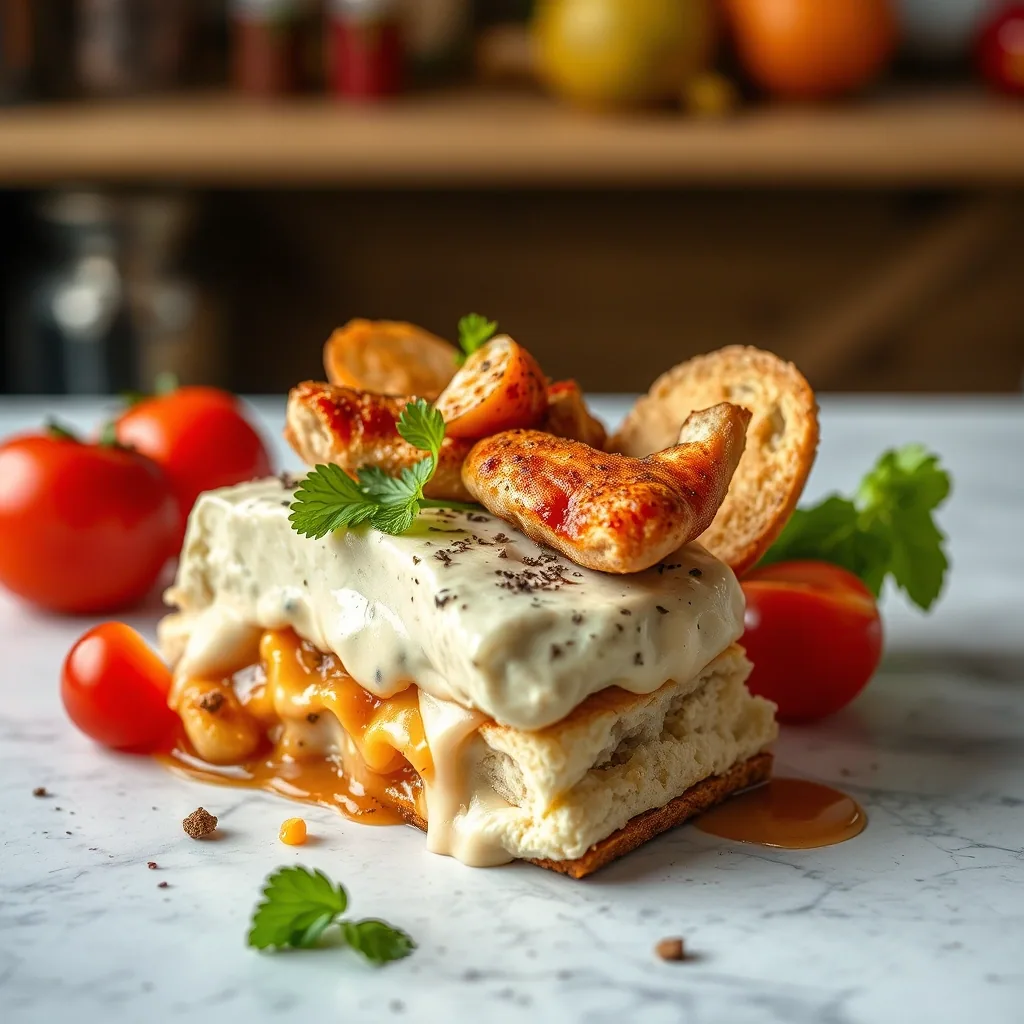
When East meets West in your kitchen, magic happens—and this ramen spaghetti fusion is proof. ✨ I created this recipe during a particularly hectic week when I craved both comfort food styles but only had 15 minutes to spare. The result? A dish that combines the best of italian pasta with bold Asian flavors in one incredibly satisfying bowl.
What makes this work is the unexpected harmony between al dente spaghetti and savory ramen-inspired broth. I use actual spaghetti noodles but treat them to a flavor bath of soy sauce, sesame oil, and aromatics that transform them into something entirely new. It’s the kind of weeknight dinner that feels special without requiring a trip to multiple grocery stores.
By the time you twirl that first forkful, you’ll taste umami-rich sauce clinging to perfectly cooked noodles, with whatever proteins or vegetables you’ve added creating pops of texture and flavor. This is fusion cooking at its most practical—taking pantry staples and creating something that tastes like you spent hours in the kitchen.
Perfect for using up leftover vegetables or protein. Let’s get cooking! 🍜
Ingredients for ramen spaghetti
Here’s everything you need to create this delicious fusion ramen spaghetti in just fifteen minutes.
| Ingredient | Amount | Notes |
|---|---|---|
| Spaghetti 🍝 | 12 oz | Regular or thin spaghetti |
| Soy Sauce 🥢 | ¼ cup | Low-sodium preferred for balance |
| Sesame Oil 🫒 | 2 tbsp | Toasted for deeper flavor |
| Garlic Cloves 🧄 | 4 cloves | Minced or finely chopped |
| Fresh Ginger 🫚 | 1 tbsp | Grated or minced fine |
| Green Onions 🧅 | 4 whole | Sliced, whites and greens |
| Chicken Breast 🍗 | 1 lb | Sliced thin, or substitute |
| Mixed Vegetables 🥕 | 2 cups | Carrots, peppers, snap peas |
| Chicken Broth 💧 | 1 cup | Low-sodium for control |
| Rice Vinegar 🍶 | 1 tbsp | Adds brightness and tang |
| Sriracha Sauce 🌶️ | 1 tsp | Adjust for heat preference |
| Large Eggs 🥚 | 2 whole | Soft-boiled for topping |
| Sesame Seeds 🌾 | 1 tbsp | Toasted for garnish |
[recipe_ingredient_scaler]
You can find all these ingredients at your local grocery store. For the best sesame oil, I recommend Kadoya brand from the Asian foods aisle—it has superior toasted flavor. Fresh ginger from the produce section tastes significantly better than jarred. Look for firm chicken breasts at the meat counter, or buy pre-sliced stir-fry chicken to save prep time. Trader Joe's and Whole Foods carry excellent quality soy sauce and sesame oil at reasonable prices.
Don't have chicken? Substitute shrimp, thinly sliced beef, or firm tofu for equally delicious results. If you can't find rice vinegar, use apple cider vinegar at half the amount. Frozen stir-fry vegetables work perfectly when fresh aren't available—just thaw and drain them first. For the broth, vegetable stock works fine if you prefer a vegetarian version. Skip the sriracha if you're cooking for kids and serve it on the side instead.
Store leftover cooked spaghetti in an airtight container in the fridge for up to 3 days. Keep fresh ginger wrapped in plastic wrap in the crisper drawer for up to 2 weeks. Sesame oil stays fresh in a cool, dark cabinet for up to 6 months after opening.
Step-by-Step Instructions for Ramen Spaghetti
Follow my simple guide to create a delicious fusion dish that’s ready in just 15 minutes.
🍳 Step 1: Cook the Ramen Noodles
Bring a large pot of water to a rolling boil and cook the Ramen noodles for 3-4 minutes until they’re slightly underdone. I like to use the seasoning packet later, so I don’t add it to the water. Reserve 1 cup of pasta water before draining the noodles – this starchy liquid will help create a creamy sauce later.
While the noodles cook, prepare your ingredients. I find that having everything ready to go makes the process smoother and faster. You’ll be ready to move on to the next step as soon as the noodles are drained.
👨🍳 Step 2: Prepare the Flavor Base
In a large skillet, heat 2 tablespoons of olive oil over medium-high heat. Add minced garlic and cook for 30 seconds until fragrant, stirring constantly to prevent burning. The aroma will fill your kitchen and signal that the dish is coming together.
Next, add the Ramen seasoning packet (or your preferred seasoning mix) to the garlic oil. Stir well to combine and let it cook for another 10-15 seconds. This step intensifies the flavor and creates a rich base for your sauce.
🥘 Step 3: Combine Noodles and Sauce
Add the cooked Ramen noodles to the skillet with the flavor base. Toss everything together for about 1 minute until the noodles are well coated. If the mixture seems dry, add a bit of the reserved pasta water 1 tablespoon at a time until you achieve your desired consistency.
I like to finish the dish with a sprinkle of grated Parmesan cheese and some chopped green onions for added flavor and texture. Serve immediately while the noodles are still hot and the cheese is melted.
👨🍳 Step 4: Customize to Your Taste
For added protein, consider tossing in some cooked chicken, shrimp, or soft-boiled egg. You can also add some sliced vegetables like bell peppers or mushrooms to increase the nutritional value and flavor complexity.
Feel free to experiment with different seasonings or toppings to make the dish your own. The beauty of this fusion recipe lies in its versatility and quick preparation time, making it perfect for busy weeknights.
Dietary Considerations for This ramen spaghetti
Gluten-Free Adaptations: Traditional spaghetti contains wheat, but you can easily make this dish gluten-free by using rice noodles, Banza chickpea pasta, or Jovial brown rice spaghetti. Cook these alternatives according to package directions—they typically need 8-10 minutes instead of the usual 11-12 minutes for wheat pasta. Make sure your soy sauce is gluten-free too—I always use Tamari or San-J gluten-free soy sauce, which tastes identical to regular soy sauce. Check your broth labels carefully since some contain wheat-based additives. 🍜
Low-Carb and Keto Options: This recipe isn’t naturally keto-friendly since spaghetti contains 40-45g carbs per serving, but you can modify it successfully. Substitute shirataki noodles (miracle noodles) which have virtually zero carbs, or use zucchini noodles (zoodles) for about 7g carbs per serving. I spiralize 2 medium zucchini per person and sauté them for just 2-3 minutes to maintain texture. The sauce works perfectly with these alternatives—just reduce the cooking liquid slightly since zoodles release moisture. Palmini hearts of palm noodles are another excellent low-carb option with only 4g carbs per serving.
Vegetarian and Vegan Modifications: The base recipe is easily vegetarian—just use vegetable broth instead of chicken broth and skip any meat proteins. For vegan versions, I replace eggs (if using as a topping) with crispy tofu cubes marinated in 2 tbsp soy sauce and 1 tsp sesame oil, then pan-fried until golden. Add shiitake mushrooms, bok choy, and edamame for protein and umami depth. Nutritional yeast (2 tbsp) adds a savory, cheesy flavor that enhances the broth without dairy. 💪
Low-Sodium Alternatives: Standard soy sauce contains about 900mg sodium per tablespoon, which can be problematic for those watching salt intake. Use reduced-sodium soy sauce (about 500mg per tablespoon) or coconut aminos which has only 270mg sodium and adds a slightly sweet flavor. Choose low-sodium chicken or vegetable broth and skip adding extra salt—let the natural flavors of garlic, ginger, and sesame oil carry the dish. You can boost flavor without sodium by adding rice vinegar, lime juice, or chili garlic sauce.
Allergen Information and Substitutions: This recipe contains common allergens: wheat (pasta), soy (soy sauce), sesame (sesame oil), and potentially eggs (if used as topping). For soy allergies, substitute soy sauce with coconut aminos or liquid aminos. Replace sesame oil with avocado oil or olive oil plus a few drops of toasted sesame seeds blended into the sauce. For egg-free protein, use grilled chicken, shrimp, or tempeh. Always check packaged broth labels for hidden allergens like fish sauce or shellfish derivatives.
Diabetic-Friendly Considerations: Regular spaghetti has a high glycemic index, causing blood sugar spikes. Choose whole wheat spaghetti or Dreamfields low-glycemic pasta which digest more slowly. Better yet, use edamame pasta or black bean pasta—both provide 20g+ protein per serving and have lower glycemic impact. Pair with plenty of vegetables and lean protein to slow glucose absorption. A 2-cup serving of vegetables like broccoli, snap peas, and mushrooms adds fiber without significantly impacting blood sugar. Monitor portion sizes—stick to 2 oz dry pasta per serving rather than the standard 3-4 oz. 🥗
Nutrition Facts
420kcal
[recipe_ingredient_scaler]

Trained in classic French technique but raised on slow-cooked ribs and spicy rubs, she blends culinary skill with smoke and soul.
- Recipe for Boneless Pork Chops in Cast Iron Skillet: Sear and Baste to Juicy Perfection - October 3, 2026
- Recipe for Boneless Cross Rib Roast: Slow-Roasted Beef with Herb Crust - October 3, 2026
- Hamburgers in Sauce Recipe Crock Pot: Slow-Cooked Savory Delight - October 3, 2026