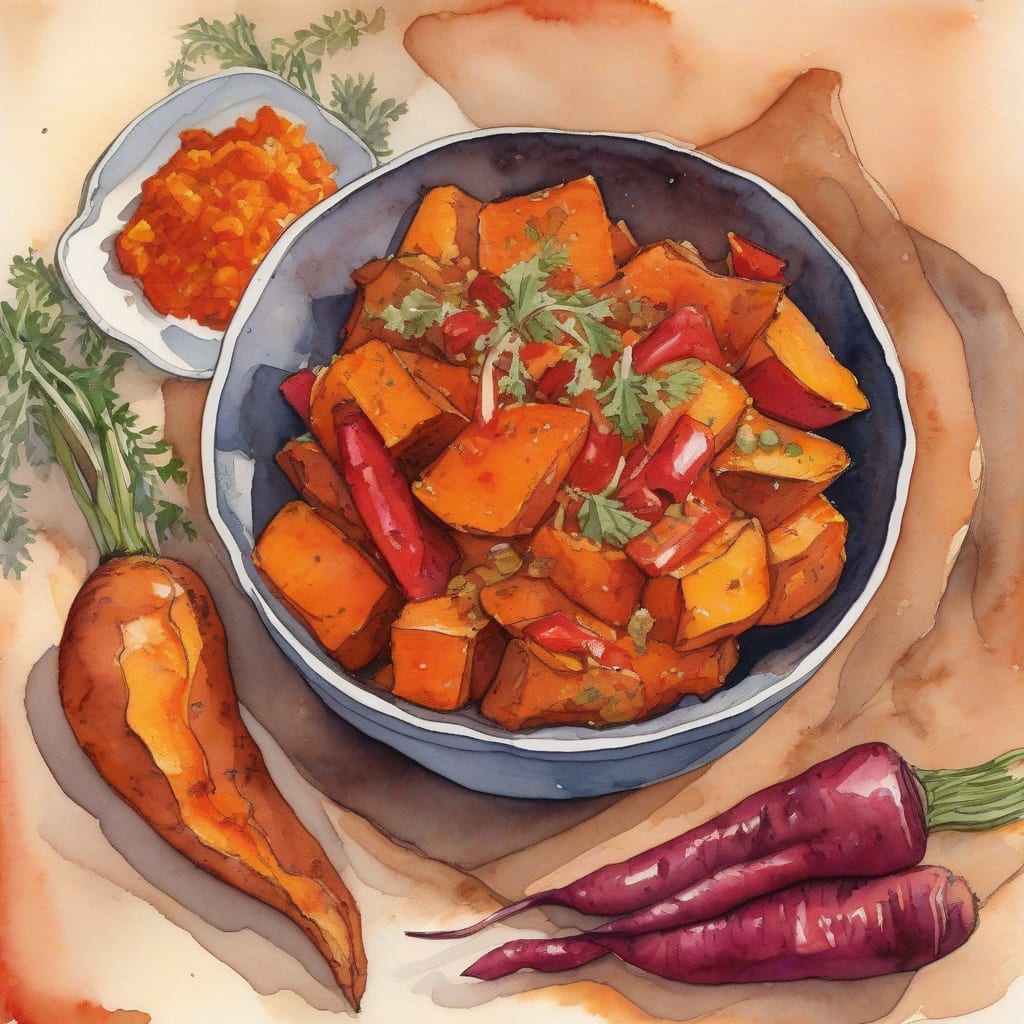
Ras El Hanout Vegetarian Recipe: Aromatic North African Flavors
Discover the aromatic flavors of North Africa with this Ras El Hanout vegetarian recipe. I blend traditional spices with fresh vegetables to create a dish that’s both exotic and accessible. Perfect for adventurous home cooks looking to expand their culinary horizons.
This vegetarian recipe showcases the warm, aromatic qualities of Ras El Hanout spice blend. The blend’s complex flavors complement roasted vegetables beautifully, creating a rich and satisfying meal. Let’s explore how to bring these North African flavors to your table.
By combining Ras El Hanout with seasonal vegetables and simple cooking techniques, you’ll achieve a dish that’s both flavorful and easy to prepare. The result is a hearty, aromatic vegetarian meal that’s perfect for weeknight dinners or special occasions.
Ingredients for ras el hanout recipe vegetarian
Here’s what you need to create this aromatic Ras El Hanout vegetarian dish at home.
| Ingredient | Amount | Notes |
|---|---|---|
| Ras El Hanout Spice Blend 🌶️ | 2 tbsp | Homemade or store-bought blend |
| Olive Oil 🫒 | ¼ cup | Extra-virgin for richness |
| Sweet Potatoes 🥔 | 2 whole | Peeled, cubed for roasting |
| Carrots 🥕 | 4 whole | Peeled, sliced for roasting |
| Red Bell Pepper 🔥 | 1 whole | Seeds removed, sliced |
| Yellow Onion 🧅 | 1 whole | Peeled, chopped for roasting |
| Garlic Cloves 🧄 | 4 cloves | Peeled, minced for flavor |
| Canned Chickpeas 🥘 | 1 can | Drained, rinsed before use |
| Diced Tomatoes 🍅 | 1 can | Fire-roasted for depth |
| Vegetable Broth 🧋 | 2 cups | Low-sodium for better control |
| Fresh Parsley 🌿 | ¼ cup | Chopped, for garnish |
| Lemon Juice 🍋 | 2 tbsp | Freshly squeezed for brightness |
[recipe_ingredient_scaler]
You can find Ras El Hanout spice blend at specialty stores or online. For the best flavor, look for a blend that's less than 6 months old. You can also make your own blend using a combination of cumin, coriander, cinnamon, and other warming spices. Use high-quality canned goods for the chickpeas and diced tomatoes.
If you can't find Ras El Hanout, you can substitute with a combination of cumin, coriander, and cinnamon. For a spicier dish, add some cayenne pepper or red pepper flakes. You can also customize the vegetables based on what's in season – cauliflower, Brussels sprouts, or zucchini all work well. For a creamier texture, add some coconut milk or Greek yogurt.
Store any leftover Ras El Hanout spice blend in an airtight container in a cool, dark place for up to 6 months. Roasted vegetables can be stored in the fridge for up to 3 days – reheat them in the oven for the best texture. Leftover stew can be refrigerated for up to 5 days or frozen for up to 3 months.
Step-by-Step Instructions for Ras El Hanout Vegetarian Dish
Let’s create this aromatic North African-inspired vegetarian masterpiece together, step by step.
🔥 Step 1: Roast the Vegetables to Perfection
Preheat your oven to 425°F. In a large bowl, toss together the 2 whole Sweet Potatoes (peeled and cubed), 4 whole Carrots (peeled and sliced), 1 whole Yellow Onion (peeled and chopped), and 1 whole Red Bell Pepper (seeded and sliced) with 0.25 cup Olive Oil, 2 tbsp Ras El Hanout Spice Blend, and a pinch of salt. Spread the vegetables on a baking sheet in a single layer. Roast for 25-30 minutes until they’re tender and lightly caramelized, flipping halfway through. You’ll know they’re done when they’re fork-tender and have a golden brown color.
The aroma of roasting vegetables filled with Ras El Hanout will start to fill your kitchen, signaling that something amazing is cooking. Make sure to check on them halfway through to ensure even roasting.
🍳 Step 2: Sauté the Aromatics
While the vegetables are roasting, heat a large Dutch oven over medium heat. Add the 4 cloves Garlic Cloves (peeled and minced) to the pan with a splash of 0.25 cup Olive Oil and sauté for 1-2 minutes until fragrant. Be careful not to burn the garlic – you want it to be lightly golden and aromatic.
The garlic will start to release its fragrance, mingling with the Ras El Hanout aroma from the roasting vegetables, creating an incredible scent that’ll make your mouth water.
🥘 Step 3: Combine and Simmer
Add the 1 can Diced Tomatoes (fire-roasted for depth), 2 cups Vegetable Broth (low-sodium for better control), and 1 can Canned Chickpeas (drained and rinsed) to the Dutch oven. Stir well to combine. Once the vegetables are done roasting, add them to the pot as well. Bring the mixture to a simmer, then reduce the heat to low and let it cook for 15-20 minutes, allowing the flavors to meld together. The sauce will thicken slightly, and the vegetables will be tender and infused with the aromatic spices.
As the dish simmers, the flavors will deepen, and the sauce will thicken, coating the vegetables beautifully. You’ll notice the aroma becoming even more complex and inviting.
👨🍳 Step 4: Finish with Freshness
Stir in 2 tbsp Lemon Juice (freshly squeezed for brightness) to add a touch of acidity and brightness to the dish. Taste and adjust the seasoning as needed. Just before serving, sprinkle 0.25 cup Fresh Parsley (chopped) on top for a fresh, herbaceous note. The parsley adds a pop of color and freshness that complements the rich, spiced vegetables perfectly.
The final addition of lemon juice and parsley will elevate the dish, balancing the rich flavors with a bright, fresh note. Serve hot and enjoy!
Let’s dive into the magic of creating a delicious Ras El Hanout Vegetarian Recipe that will transport your taste buds to the vibrant markets of North Africa 🌟. The beauty of this dish lies in its versatility and the depth of flavors achieved with a blend of aromatic spices. Ras El Hanout, which translates to “head of the shop,” is a mix of the finest spices a vendor has to offer, and when used in cooking, it adds a complexity that’s hard to resist.
Preparing the Spice Blend 🔪
To start, you’ll need to prepare your Ras El Hanout spice blend. While you can buy it pre-mixed, making it from scratch allows you to customize the flavors. Combine spices like cumin, coriander, cinnamon, ginger, cardamom, and a hint of cayenne pepper in a bowl. You can adjust the proportions to suit your taste preferences.
Cooking the Vegetables 🍳
Next, heat some olive oil in a large pan over medium heat. Add sliced onions and cook until they’re translucent. Then, add your choice of vegetables – bell peppers, zucchini, and cherry tomatoes work wonderfully. Sprinkle your homemade Ras El Hanout spice blend over the vegetables and stir well. Let the mixture simmer, allowing the spices to infuse the vegetables with their aromatic flavors.
💡 Pro Tip: For an added layer of flavor, consider adding a can of chickpeas or cannellini beans to the vegetable mix. This not only enhances the protein content but also adds texture to the dish.
Serving Suggestions 🥗
- Serve the Ras El Hanout vegetables over couscous or quinoa for a filling meal.
- Garnish with fresh parsley or cilantro for a burst of freshness.
- For a vegan version, ensure your spice blend is free from animal-derived ingredients.
This vegetarian recipe is not only a feast for the taste buds but also a nutritious meal, packed with vitamins and antioxidants from the variety of vegetables used. Enjoy experimenting with different vegetables and spice levels to make it your own! 🌿
Tips & Variations for Perfect Ras El Hanout Vegetarian Dish
These tried-and-true tips will help you achieve the best results with your vegetarian Ras El Hanout recipe.
Roasting Technique: For perfectly roasted vegetables, make sure they’re in a single layer on the baking sheet. This ensures even caramelization and prevents steaming instead of roasting. I also recommend using a hot oven (425°F) to get that nice golden brown color. If you want an extra-crispy exterior, try broiling for the last 2-3 minutes, watching closely to avoid burning.
Spice Blend Customization: While Ras El Hanout is a complex spice blend, you can customize it to your taste. For a smokier flavor, add a pinch of smoked paprika. If you prefer more heat, increase the amount of red pepper flakes or add some diced jalapeños to the pot in Step 3. You can also toast whole spices like cumin seeds or coriander before grinding them into the blend for added depth.
Make-Ahead Strategy: This dish is perfect for meal prep as it keeps well in the refrigerator for up to 3 days. You can roast the vegetables and prepare the sauce base ahead of time, then combine and simmer when you’re ready to serve. The flavors actually meld together beautifully when reheated. Simply reheat gently on the stovetop or in the microwave, adding a splash of vegetable broth if needed to thin the sauce.
Storage and Reheating: Leftovers can be stored in an airtight container in the fridge for up to 3 days or frozen for up to 3 months. When reheating, do so gently on the stovetop over low heat, adding a bit of vegetable broth if the sauce has thickened too much. You can also reheat individual portions in the microwave, covered, until hot. The flavors tend to deepen and improve with time, making this a great candidate for meal prep or leftovers.
Nutrition Facts
320kcal
[recipe_ingredient_scaler]

Trained in classic French technique but raised on slow-cooked ribs and spicy rubs, she blends culinary skill with smoke and soul.
- Recipe for Boneless Pork Chops in Cast Iron Skillet: Sear and Baste to Juicy Perfection - October 3, 2026
- Recipe for Boneless Cross Rib Roast: Slow-Roasted Beef with Herb Crust - October 3, 2026
- Hamburgers in Sauce Recipe Crock Pot: Slow-Cooked Savory Delight - October 3, 2026